Acting
Miklós introduces viewers into the world of Money and Charm.
A tough Russian policeman is forced to partner up with a cocky Chicago police detective when he is sent to Chicago to apprehend a Georgian drug lord who killed his partner and fled the country.
When András, Albert and Bence are on a cycling tour around Lake Balaton, their dreams come true. Sunshine, beach and pretty girls. András and his younger brother run after the same girl, Eszter. András persuade his brother not to pinch the girl. András pick her up one night and split up with her next day. Eszter follows the boy, but András sends her away...
Based on Victor Hugo's famed novel, the story of Quasimodo, the deformed bell ringer of Notre Dame, and his unrequited love for the gypsy girl, Esmeralda.
Filmed in commemoration of Hungary's 1100th anniversary and on the sites of the actual events, a cast of thousands authentically recreates the 896 AD arrival of the Magyar chief Arpad (Nero) and his seven tribes into the Carpathian basin from the steppes.
Following his wedding, Feri left the co-operative and is now working on the land of his father-in-law. Tóth is extremely wilful and thrifty, working from early morning to late night, pushing his family as well.
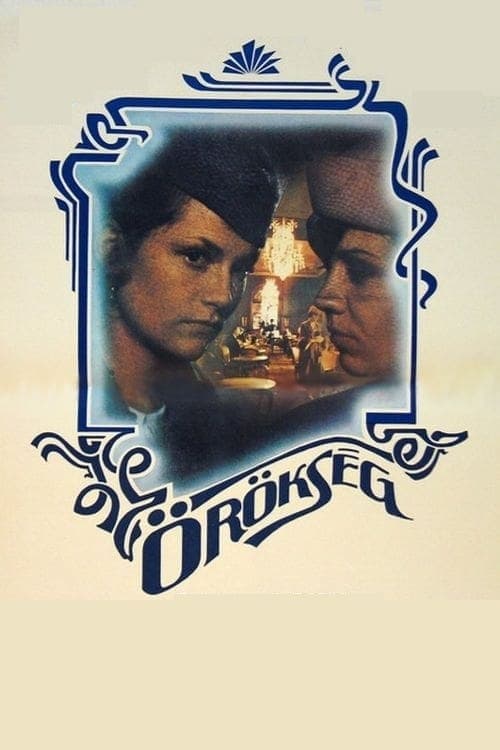
During the rising of nazism, Sylvia, a rich but sterile woman, needs an heir to inherit her father's money. So she bribes Irene, a Jewish girl, to have a child by her husband.
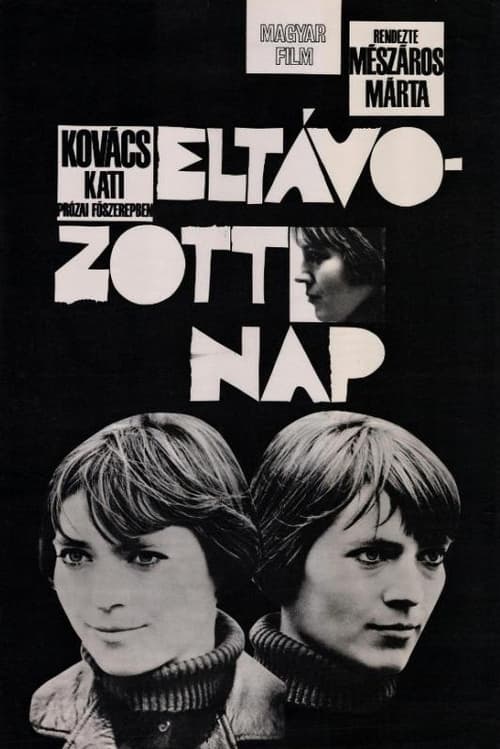
On receiving a letter from her mother, a quiet working-class girl leaves the state orphanage in Budapest where she grew up and takes a trip to the rural countryside to visit her.
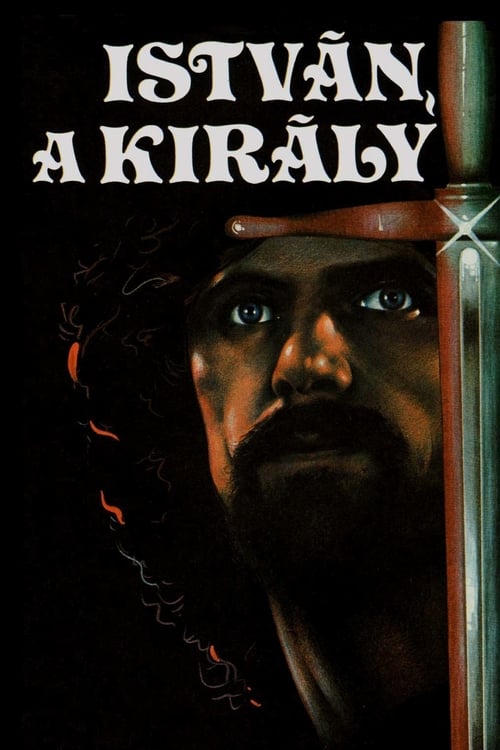
István, a király ("Stephen, the King") is a Hungarian rock opera written by Levente Szörényi (music) and János Bródy (lyrics), based on the life of Saint Stephen of Hungary. The storyline was based on the play Ezredforduló (Turn of the Millennium) by Miklós Boldizsár, who co-wrote the libretto. The opera was first staged in 1983 on an open-air stage in Budapest. This first performance was also made into a 1984 film, directed by Gábor Koltay, and its music released on an album. The musical became a smash hit and is still very popular in Hungary and among Hungarian minorities in neighboring countries.
Anyegin arrives home in an abandoned castle for his uncle's funeral. He is a misanthropic, tired, cynical man who has seen it all, tried it all and is tired of what others - including his young neighbour, Lensky - consider the meaning of his life. At Lensky's invitation, he visits the Larin's estate, where he meets Tatiana, a young girl under the spell of books and a fan. Tatiana falls in love with Anegin and confesses her feelings in a letter...
No description available.
In 1930s Hungary, budding aristocrat Lőrinc Parcen Nagy undergoes a moral awakening. He abandons his privileged life to join the socialist underground, facing the harsh realities of class struggle and the approach of WWII.
As a result of a medical drug experiment, Misi will be able to travel through time, but only if he drinks from a special homemade spirit.
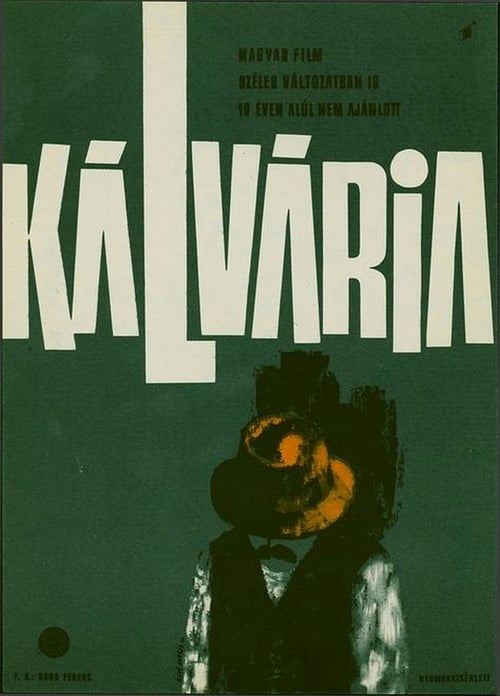
Set during a turbulent era of disquiet, fear, persecution and terror, which permeates every corner of post-WWI Hungarian society. In 1919, after just a few months of communist rule the Hungarian Republic of Councils falls victim to a nationalist counter-revolution. Admiral Horthy, leader of the nationalist far right movement, becomes the self-proclaimed regent of Hungary, and assumes power as the legal Head of State. Soldiers of the short-lived Hungarian Red Army are now on the run from relentless secret policemen and patrol units of the nationalist Royal Gendarme. If caught, ex-Red Army soldiers are executed without mercy or proper trial. István Cserzi, a former soldier of the Red Army has fled to the Great Hungarian Plains and has taken refuge on a farm, which is run by two sympathetic women.
It has been fifteen years since the death of her father, Agamemnon, and Elektra still burns with hatred for Aegisztosz, who conspired with Elektra's mother to kill him.
Zoltai is a Hungarian professor who returns home after a visit to the United States. Following a television interview, he commits suicide and leaves a note for his longtime friend Dr. Bardocz. The doctor and Zoltai's colleague Komindi join the police in investigating what drove the man to suicide.
Allegory of the suppression of the 1919 revolution and the advent of fascism in Hungary; in the countryside, a unit of the revolutionary army spares the life of father Vargha, a fanatical priest. He comes back and leads massacres. A new force, represented by Feher, apparently avenges the people, but only to impose a different, more refined and effective kind of repression.
The TV drama follows the life of Bishop Gellért. The Venetian-born abbot came to Hungary and soon found himself in the inner circles of the royal court, becoming tutor to the young Prince Imre. Gellert was elevated to the episcopate by St Stephen in 1030. He had a cathedral and monastery built in Csanád. After the death of the king, he tried to preserve the spiritual values of the Hungarians. In 1046, he was captured by rebellious pagans and thrown into the Danube from the Kelen hill.