Directing
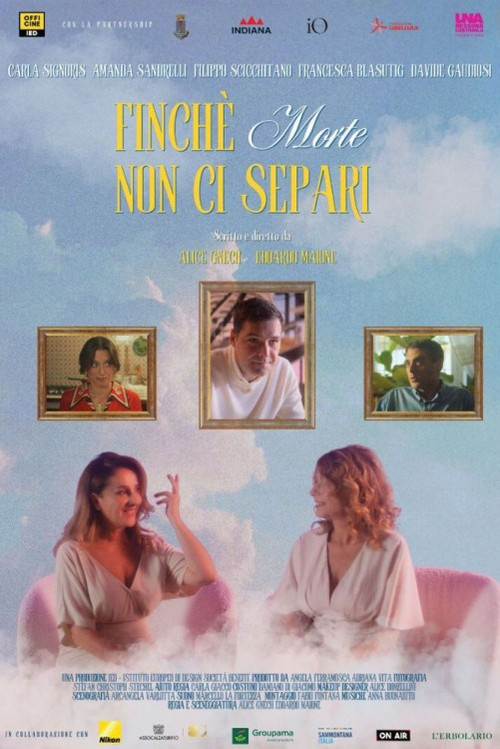
"Finché morte non ci separi" is set in Paradise, where Delia (Carla Signoris) enjoys the peace of the afterlife reading and learning English. Her tranquility is disturbed by the arrival of Lidia (Amanda Sandrelli) who claims to be her soulmate. However, Delia is confused. If her soulmate is here, what happened to her husband Andrea? (Davide Gaudiosi). The Lost Souls office might be able to help her understand: the Angel (Filippo Scicchitano) in charge of the office gives her unexpected news—not only has Andrea been dead for quite some time, but he's in Hell. To convince Delia that this isn't a mistake, the Angel shows her her husband's "soul statement," and then, faced with her continued disbelief, allows her to revisit some scenes from her past as a young woman (Francesca Blasutig) with him. Delia chooses to take a risk by accepting the possibility the Angel offers her: to return to her previous life to try to rewrite her own story.
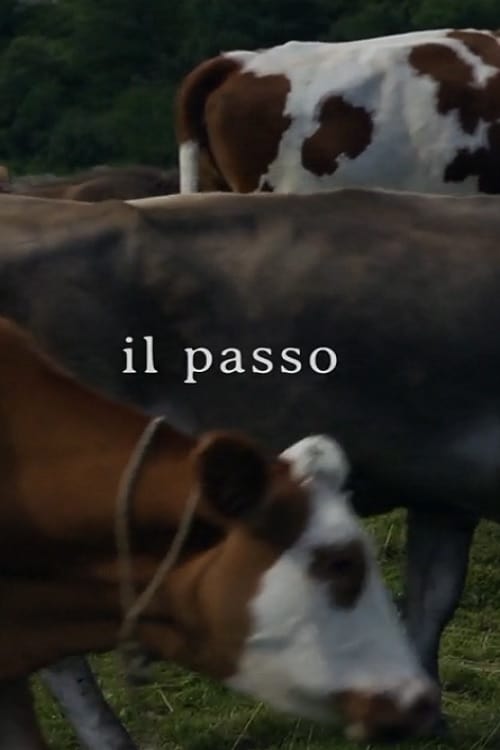
Gabriele is thirteen and has a strong will to prove himself. He chooses to spend the summer in the mountains to look after cattle and returns home a new person.
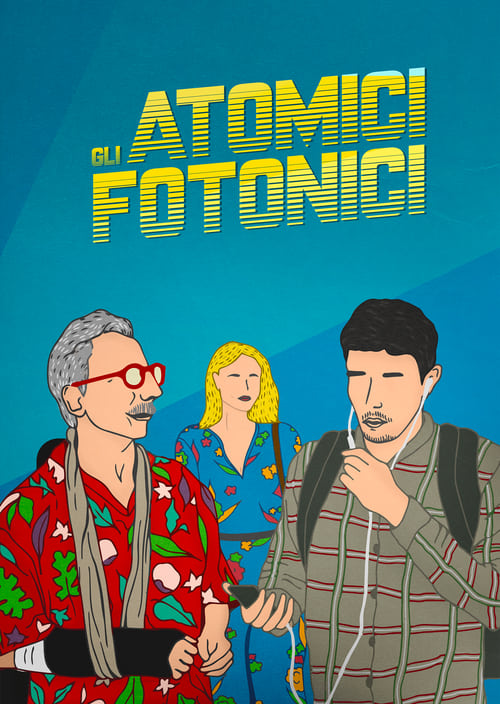
No description available.
Every night nameless bodies land in Dr. Cristina Cattaneo’s autopsy room. She calls them the Pure Unknown. These Pure Unknown often belong to the fringes of society. They are homeless, sex workers, runaway teenagers. Lately, they have mostly been migrants, rejected by the Mediterranean Sea onto the shores of Italy. If all rights belong to the living, nothing is left to the dead. So what happens when the dead have lost their identity? In the face of this growing multitude, no one seems concerned about their right to dignity.No one but Cristina.
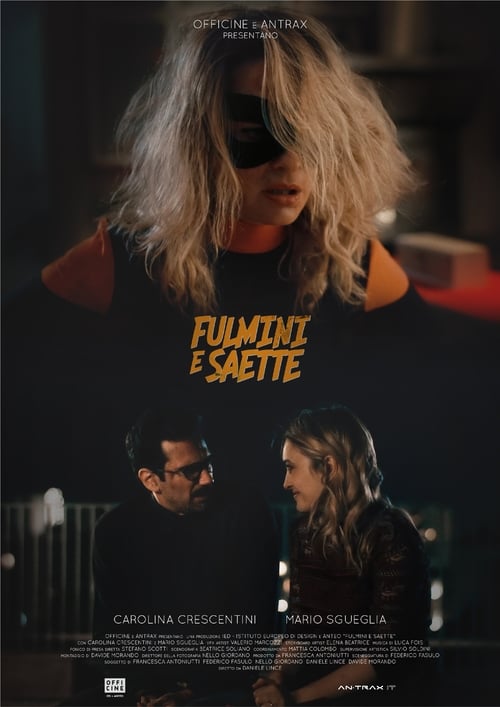
The Lightning Woman can move at supersonic speed and teleport, watching over the city and its inhabitants. But, to face everyday life, sometimes superpowers are not enough.
A journey into the sweet world of Sammontana, through memories and prospects for the future.
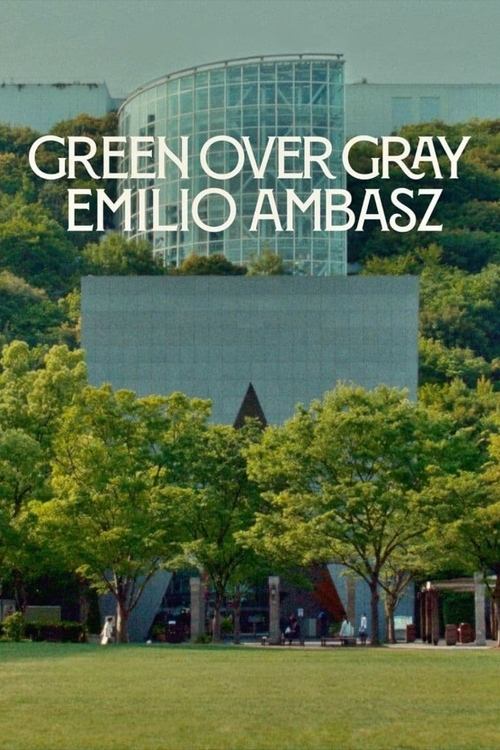
Discover the groundbreaking green architecture movement through the visionary projects of Emilio Ambasz, a pioneer in the debate on climate impact. This documentary delves into Ambasz’s four-decade journey, showcasing his transformative impact on the connection between humanity and nature. Featuring exclusive interviews with figures such as Tadao Ando and Kengo Kuma, the documentary highlights the importance of emotionally resonant architecture, capable of improving daily life and addressing urban and climate challenges.
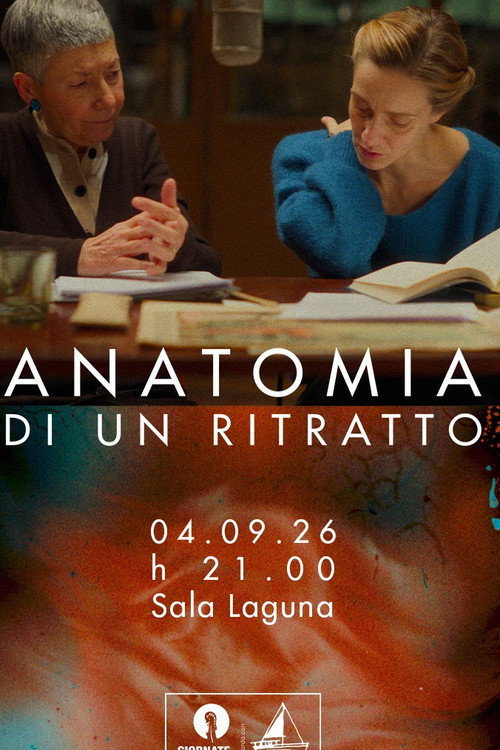
Fernanda Wittgens joined the Brera Museum in 1928, and after a few years she was its director. Courageous and visionary, during the war she saved artworks from the bombings, aided political opponents of Fascism and Jewish families in fleeing the regime, and was imprisoned for her actions. After Italy’s liberation, she rebuilt the Brera and championed its being open and accessible to one and all. Yet despite her groundbreaking policies, she was forgotten after her death. This film seizes on that absence. Calling on the actress Sara Drago, who lends her face and voice to Wittgens in her letters, and the art historian Giovanna Ginex, the filmmakers create a collaborative space in which the past, the present, and their interpretations are intertwined. Fernanda, albeit invisible, is a living presence.
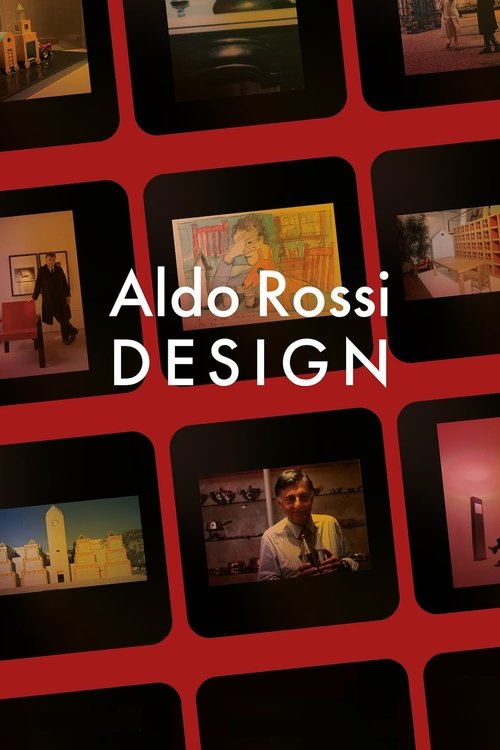
16 June 1990, Palazzo Grassi, Venice. The guests enter and are welcomed by Gianni Agnelli, alongside Jay and Cindy Pritzker. “Architecture, like all art, is universal, as is science, as is intelligence”, states Gianni Agnelli. Aldo Rossi is, in fact, the first Italian architect to receive the Pritzker Architecture Prize. Rare material and video archives, previously unreleased records, pictures, and family albums are combined with writing from the remarkable architect to create the first documentary that traces Aldo Rossi Design.
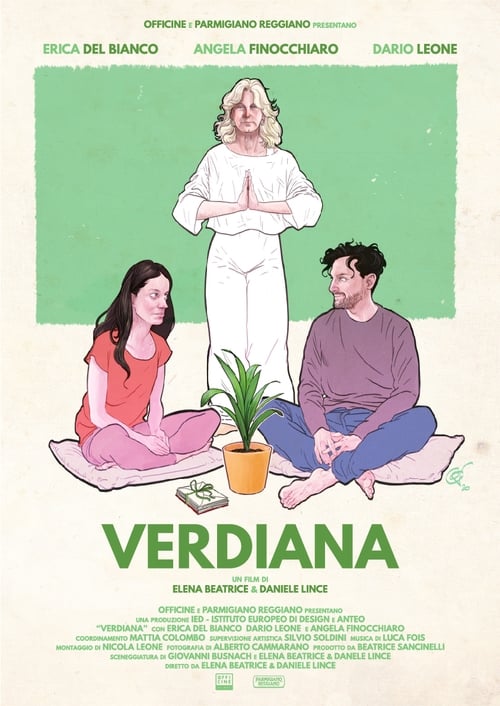
After a big fight, a couple wakes up with an unbelievable problem: he can't speak and she can't hear anything. Doctors and exams are useless. A female Zen Master and a very special plant come to their aid.
Giacomo drags his son to a club for the selection of a musical talent. Will he be able to move his son out of his own insecurities?
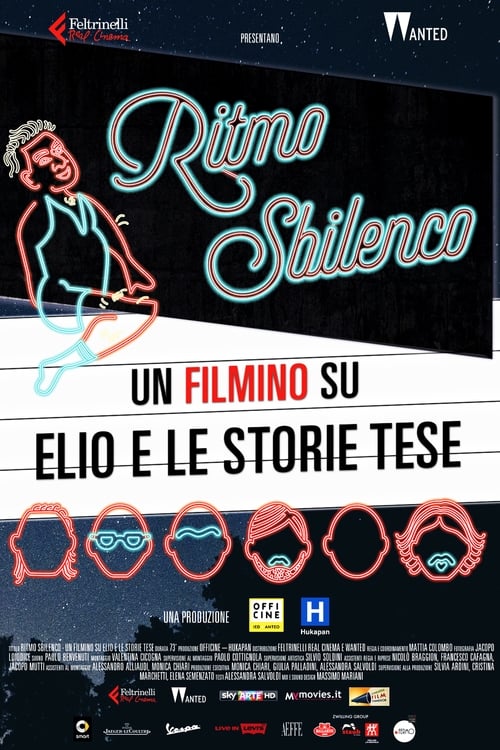
An unconventional point of view on one of the most successful Italian bands: Elio e le Storie Tese.
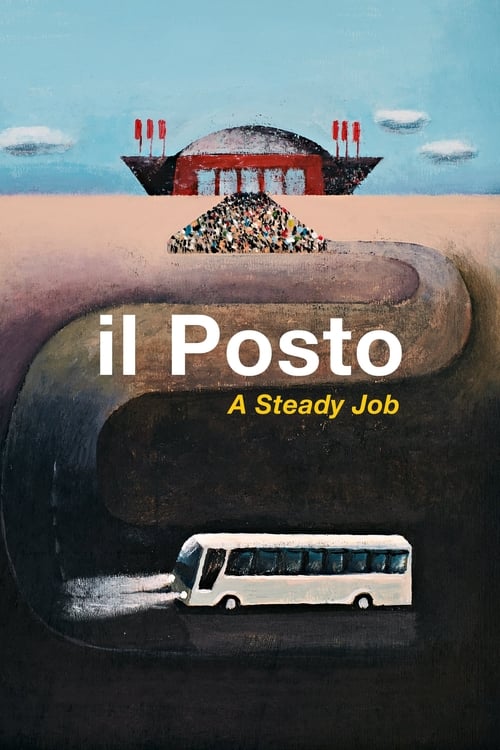
Every month, hundreds of unemployed nurses travel from the south to the north of Italy in search of work. Two of them organise the trips by overnight buses; a long journey of hope that often leads to nothing at all. Shot as a road movie, the two filmmakers paint a pitiless portrait of modern Italy before, during and after the health crisis.
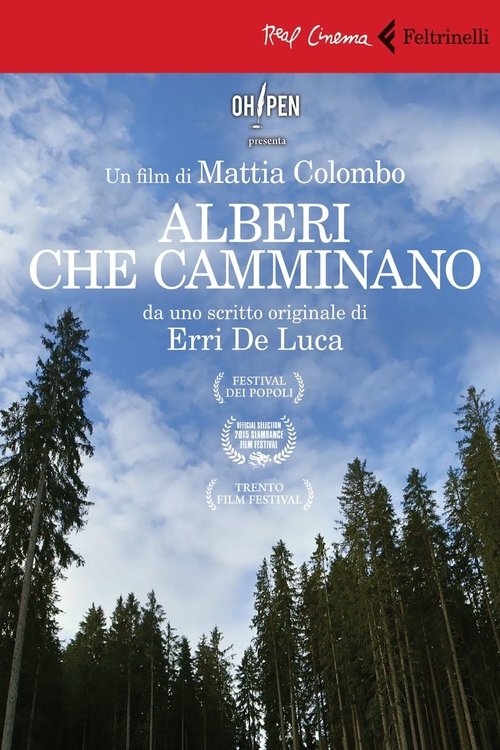
Trees that walk is a documentary based on an idea of the Italian writer Erri De Luca and it was filmed in Trentino and Puglia, Italy. This documentary wants to recount the life of the trees and their deep relationship with people that every day work hard to give to the wood a second life. What happens in this second life of the wood, when it becomes boats for sailing and musical instruments for playing... The trees is the opposite of movement: it dies where it's born. But there exists a second life that starts as soon as its saps stop flowing inside its vessels: forests became fleets that explored the world's geography while writing the Romance of the Earth.
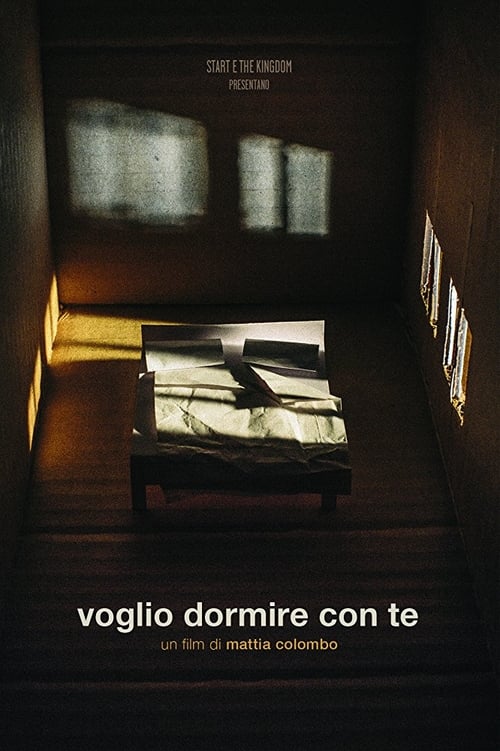
This is a documentary about being in love, falling out of love and the fragility of human bonds. It is very intimate, like a diary or a conversation overheard by chance.
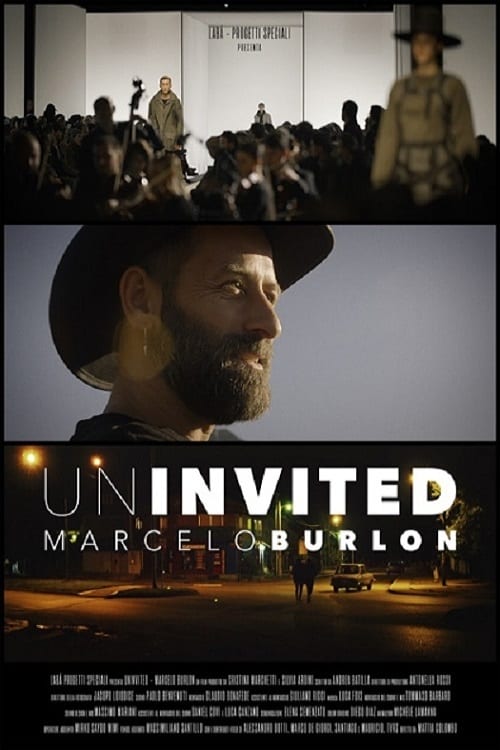
A public and private portrait of Marcelo Burlon, one of the most fascinating and influential personalities on the current fashion scene, a figure who is both loved and hated at the same time.