
Letizia Battaglia
Acting
Known For
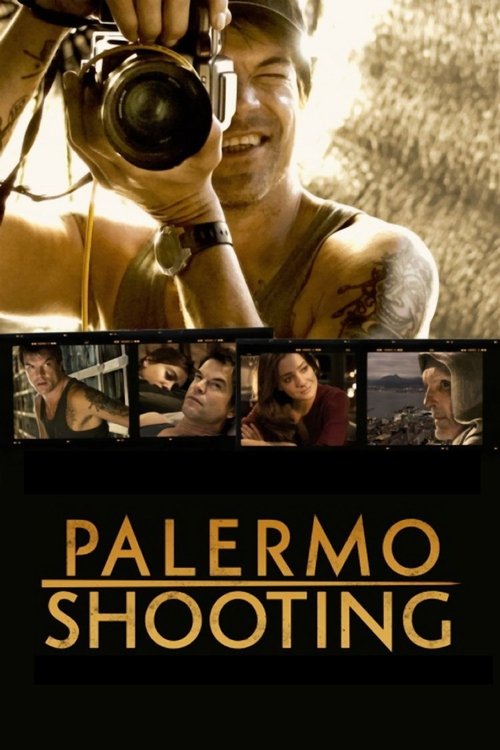
After the wild lifestyle of a famous young German photographer almost gets him killed, he goes to Palermo, Sicily to take a break. Can the beautiful city and a beautiful local woman calm him down?
Palermo Shooting
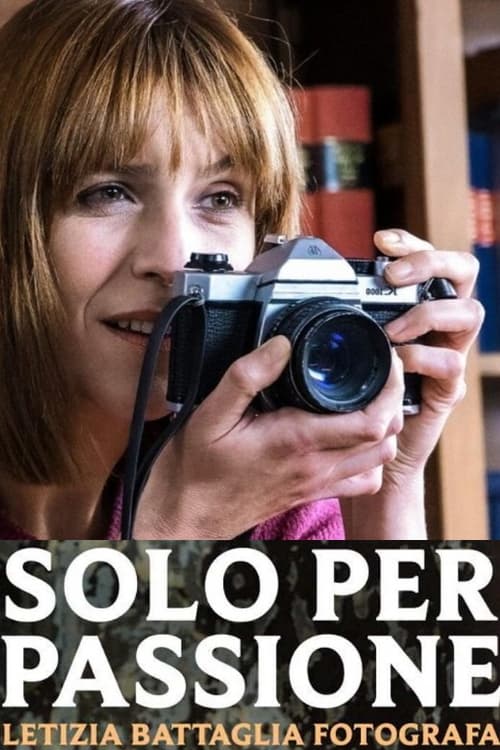
No description available.
Solo per passione - Letizia Battaglia fotografa
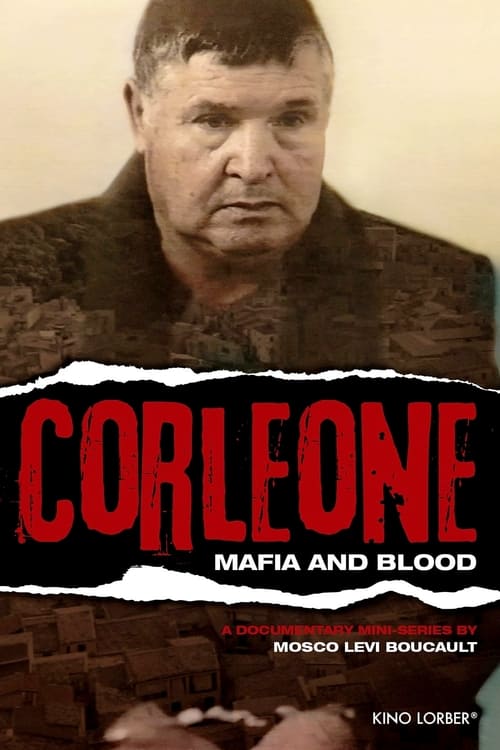
How, from 1974 to 1993, Totò Riina (1930-2017), supreme boss of the Corleone family, ruled by blood and terror over the Sicilian Mafia. An implacable account, based on the testimony of his men and those who fought against them.
Corleone: A History of la Cosa Nostra
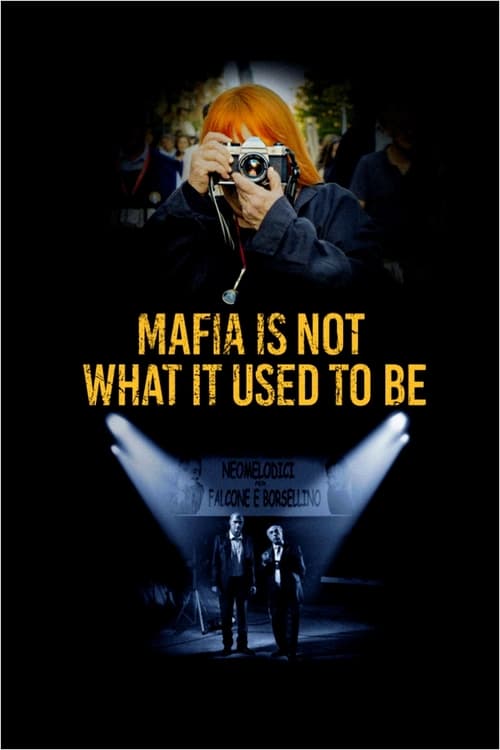
Palermo, Sicily, Italy, 2017. Twenty-five years after the murders of anti-mafia judges Giovanni Falcone, on May 23, 1992, and Paolo Borsellino, on July 19, 1992; and on the occasion of the tributes held in memory of both heroes, skeptical photographer Letizia Battaglia, chronicler of their titanic combat, criticizes the opportunism of shady characters who, like businessman Ciccio Mira, profit from the commemoration of both tragedies.
Mafia Is Not What It Used to Be
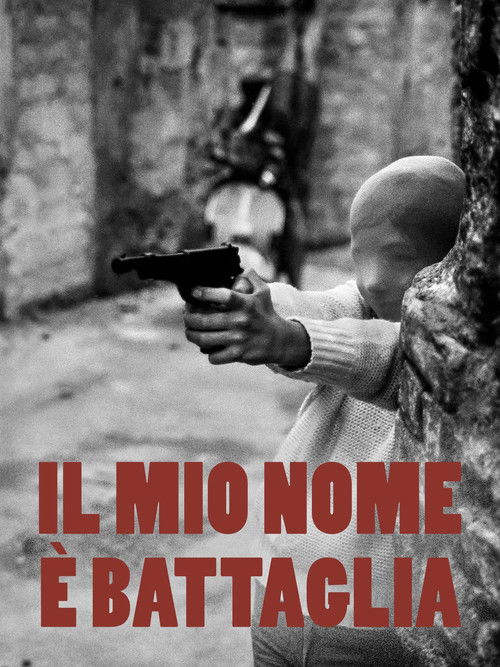
No description available.
Il mio nome è Battaglia
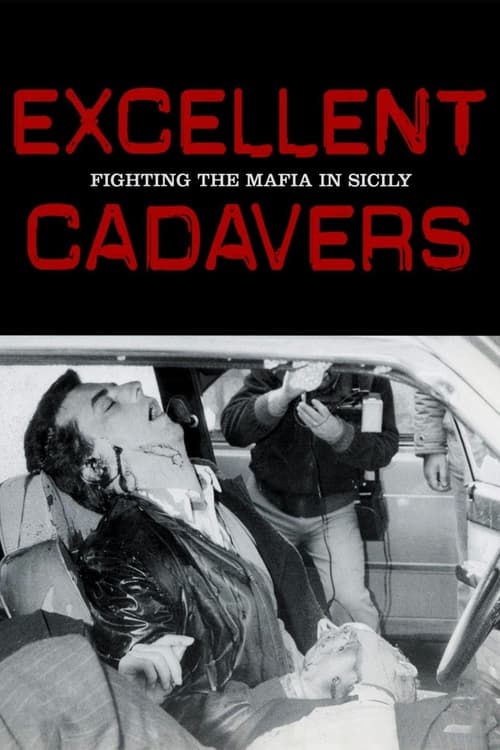
In the late-80s and early-90s, two prosecutors went after the mob in Sicily. Archival footage, gruesome photographs and new interviews are shown.
Excellent Cadavers

Sicilian photojournalist Letizia Battaglia began a long battle against the ruthless Cosa Nostra when she first photographed the sinister scene of a brutal murder. Documenting the barbaric rule of the Italian Mafia, she was an unwavering witness to its crimes. Her art and courage helped end the horrific and bloody reign of the Corleonesi clan.
Shooting the Mafia
Toto Riina, the formidable godfather of the Italian mafia, is believed to have ordered more than 150 murders. Having become a mythical figure, his character is shrouded in mystery. Embraced by the media and the collective imagination, his fantasized representation gradually replaced the real person behind the character. Who was the Sicilian leader of the Cosa Nostra really?
Mafia Confidential
Franco Maresco celebrates the heritage of Pier Paolo Pasolini on the 99th anniversary of his birth through a series of exchanges with renowned intellectuals which were involved or influenced by his works and ideas.
Maresco / Pasolini
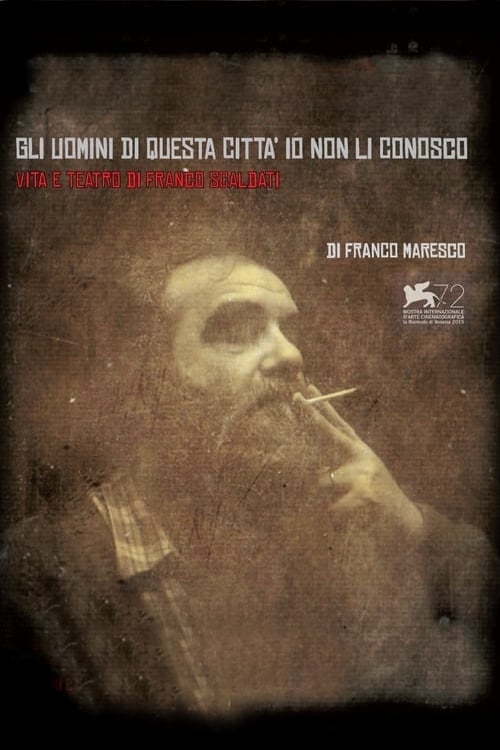
Franco scaldati - died in 2013 - was one of the most important autors of italian theatre plays, Maresco describes his role in the cultural and social field. Through his opera we can observe Italy from another point of view.
I Don't Know the Men of this City
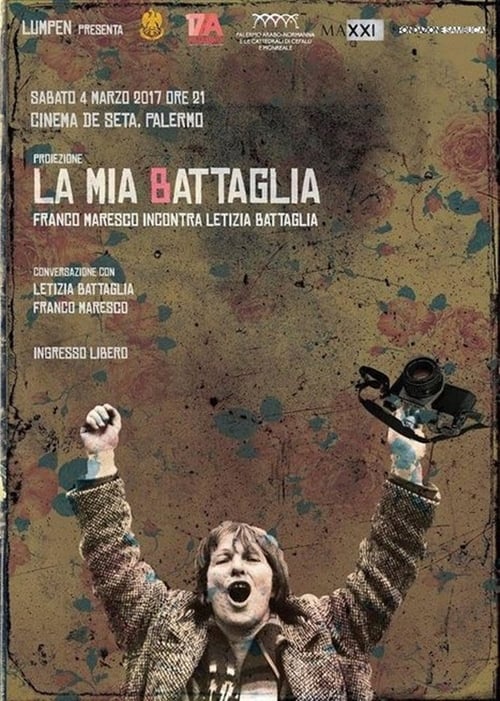
A short homage and portrait that Franco Maresco dedicates to his friend Letizia Battaglia, a world-famous photographer and symbol of the committed, indignant and anti-Mafia side of Palermo.
La mia Battaglia - Franco Maresco incontra Letizia Battaglia
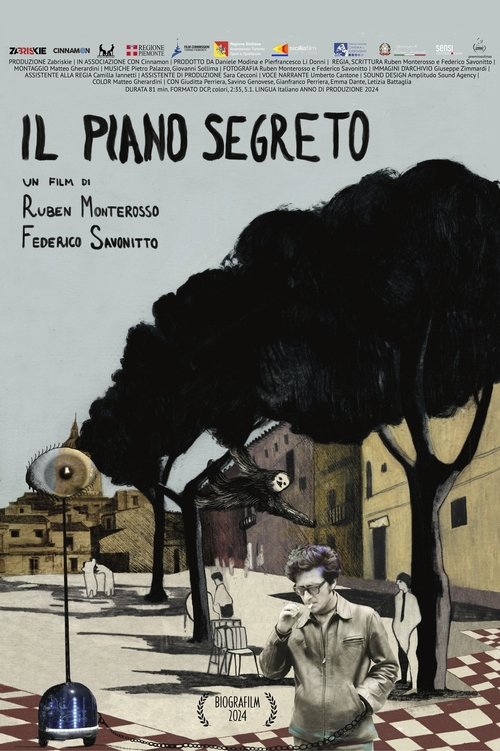
No description available.
Il piano segreto
At almost 40 years old, Sicilian photographer Letizia Battaglia decided that being a mother and wife, the thing that she was meant to do according to the society she lived in, just wasn’t enough anymore. With great inner strength, she changed her life and became a photojournalist, through which she discovered she had a burning passion for photography and justice.