Nahed Nasrallah
Costume & Make-Up
Known For

Leh Laa?! is a female-led Egyptian anthology drama that stands out for its candid exploration of women’s autonomy and social constraints. The first season follows Alia, a privileged young woman who breaks away from a controlling mother and an arranged marriage to define her own path. Each subsequent season introduces a new story — from adoption to divorce — combining emotional realism with sharp, contemporary social commentary. Featuring Amina Khalil, Menna Shalaby and Nelly Karim.
Leh Laa?!

After lashing out at her husband and causing him a severe injury that amounts to a felony, a nervy young woman embarks on a journey to prove her innocence.
Take Care of Zizi

The series tells the story of (Sharbat) who is a divorced seamstress. She lives in a humble area and supports her younger brothers. She then marries a rich fashion designer and events escalate.
Sharbat Louz
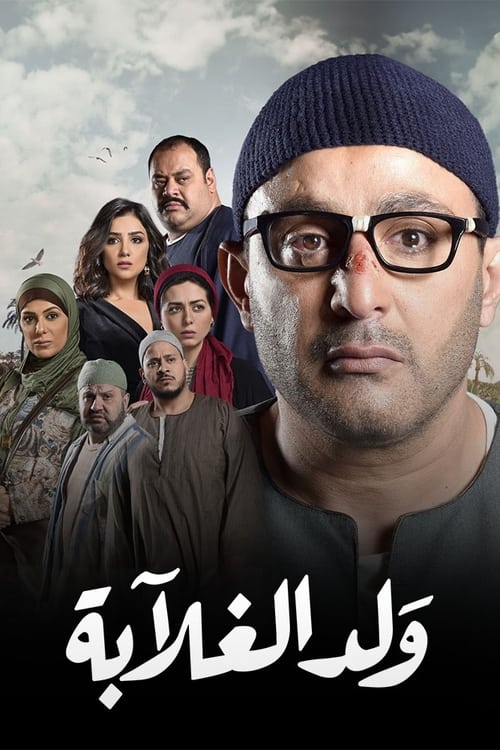
An upper-Egyptian who lives on the border of the poverty line decides to earn an honest living by having two jobs: A teacher at a public school during the day, and a taxi driver in the evening. Yet, through his struggle to make ends meet he falls into the pit of drug trade.
Son of the Poor
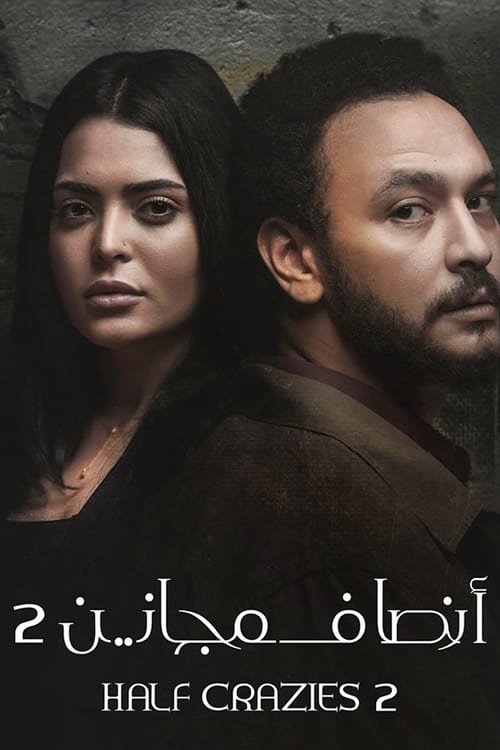
Anas undergoes a heart transplant and after his recovery, he begins to hear the voice of the donor, who asks him to uncover a mystery that he has tried hard in his life to reach for his keys, so that Anas begins his journey to uncover the mystery of this mystery.
Half crazy

The series follows Maryam, who is attached to her family and always helps them. As she always puts the happiness of those around her ahead of hers, something happens that changes her life completely and makes her rethink her way of living.
We'd Be Lying to Say We Didn't Love
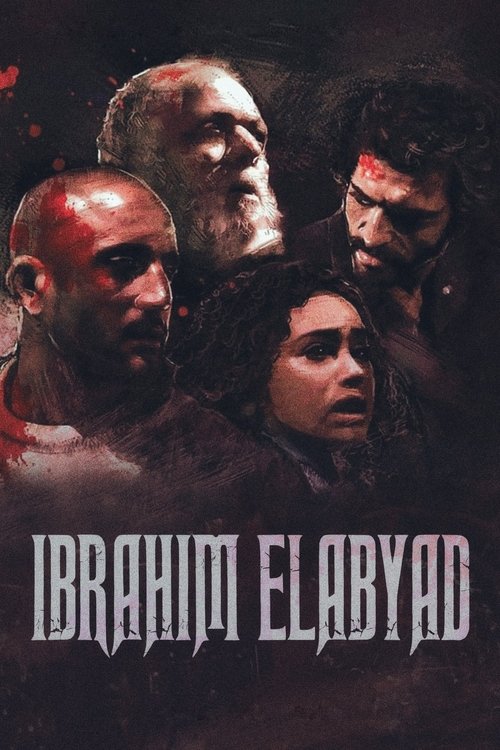
After witnessing the murder of his father as a child, Ibrahim is drawn into the criminal underworld of Egypt. While making a name for himself with his best friend Ashri, he finds his high school sweetheart Houria and manages to rekindle their love, but paths intertwine with Abdel Malik Zarzor, the city's crime lord, who is connected somehow to Houria.
Ibrahim El-Abyad
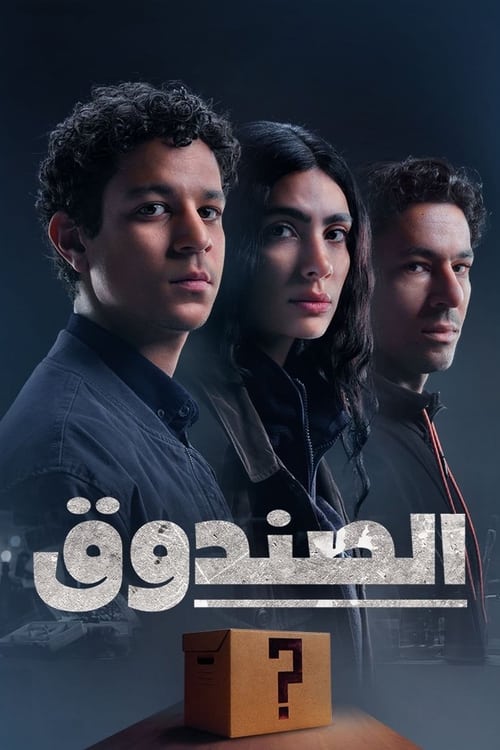
As Reem celebrates her birthday, she receives a box containing strange and incomprehensible contents, and messages asking to save a person before he is killed, leading the three friends, Youssef, Reem and Yassin on an adventure to uncover the mystery of this box.
Mystery Box
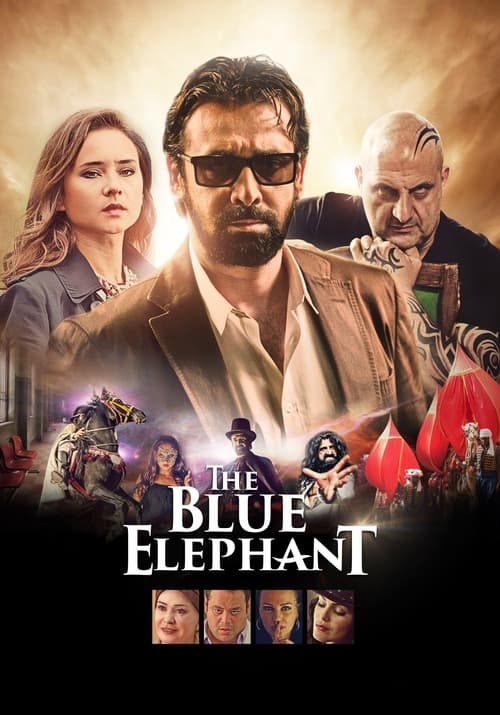
After a five-year hiatus, psychiatrist Yehia returns to work at Abbasiya Hospital. He’s assigned to evaluate a patient who turns out to be his old friend. As events unfold, Yehia uncovers dark secrets that challenge his understanding of reality.
The Blue Elephant
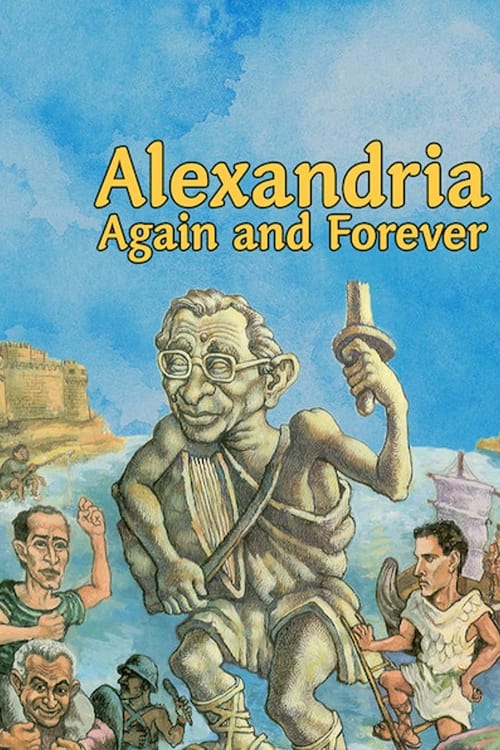
Set in 1987 against the backdrop of a hunger strike by the Egyptian film industry, Chahine himself steps in to play Yehia, the famed Egyptian director whose life is chronicled in "Alexandria, Why?" and "An Egyptian Story". Obsessed with Amr, the handsome actor he discovered and cast as his alter-ego in parts one and two of The Alexandria Trilogy, Yehia pressures Amr to star in various film projects that change even as Yehia's perception of the young actor begins to change. He first casts Amr as Hamlet, which the actor deems too demanding for his talents, then as the lead in a musical biopic of demigod Alexander the Great, who founded the city of Alexandria in 332 B.C.
Alexandria Again and Forever
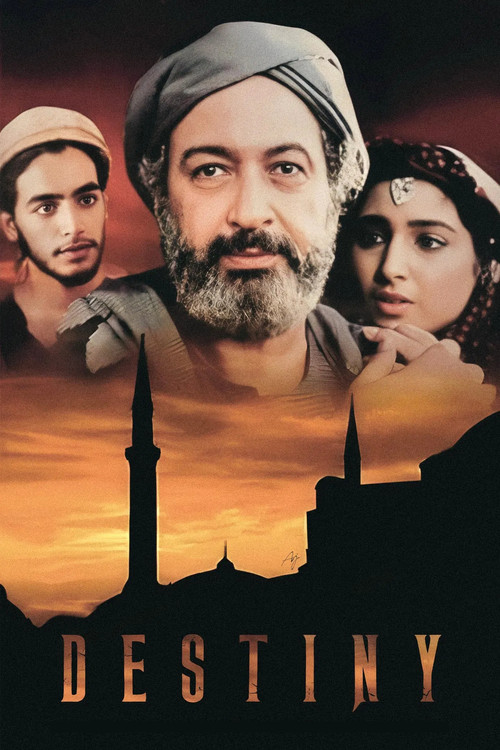
In the 12th century's Andalusia lives Ibn Rushd a prominent Islamic philosopher with his wife Zeinab and daughter Salma. The principality is ruled by Khalifa ElMansour who has two sons, ElNasser, an intellectual that likes Ibn Rush and is in love with his daughter Salma. The younger son Abdallah is more into dancing and poetry, spending most of his times with the gypsy family and getting the daughter pregnant. The Khalifa is depending on the extremists to build his army granting them more power which they use to combat artists and philosophers. The extremists succeed in recruiting Abd Allah and train him to kill his father. Events go on where Marawan, the gypsy singer, is killed and Ibn Rushd's books are burnt. Adapted from the real life of Ibn Rushd AlMasir is Chahine's statement against extremism.
Destiny
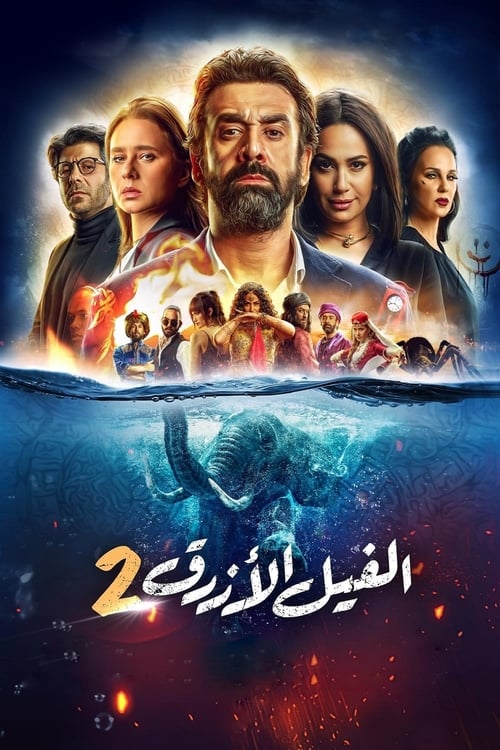
A meeting with a new inmate in the psychiatric hospital flips Dr. Yehia's life upside down. She prophecies that the death of his entire family is only three days away.
The Blue Elephant 2
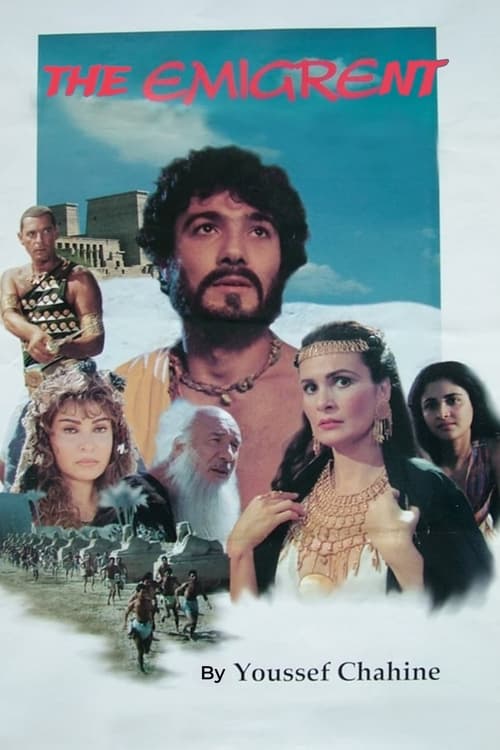
The biblical tale of Joseph is told from an Egyptian perspective in this interesting character study. In this film, Joseph is called Ram. Ram, tired of his family's backward superstitious life, and tired of being picked on by his brothers, wants to go to Egypt to study agriculture. His brothers travel with him across Sinai, but then suddenly sell him to Ozir, an Egyptian who works for a Theban military leader, Amihar. Amihar is impressed by Ram's drive and personal charm and so grants Ram some desolate land outside the capital. Ram soon finds himself a pawn in the political and sexual games between Amihar and his wife Simihit, a high priestess of the Cult of Amun.
The Emigrant

Mansour El-Hefny’s wealthy family rule an Upper Egyptian island. Some police officers facilite their arms dealing in exchange for information, and corrupt parliament members use their immunity to par-take in their drug trade.
The Island
Reem is a young political activist who works for an advertisement company. As she tries to uncover the truth behind the incide of the Battle of the Camel, she accompanies her friend Farah to Nazlet Al Seman where she meets and falls for Mahmoud, one of the people involved in the incident.
After the Battle
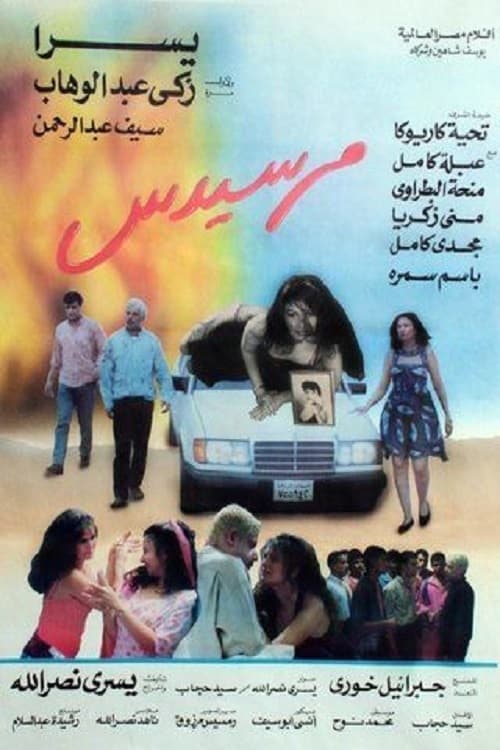
Nubi, a wealthy man with Communist ties, sets out to find his half-brother Gamal, who has been disowned for being gay, to let him inherit his father's fortune. In the process, Nubi is supposed to kill Gamal's stepmother Raifa, a suspected drug dealer, before she can kill his half-brother.
Mercedes
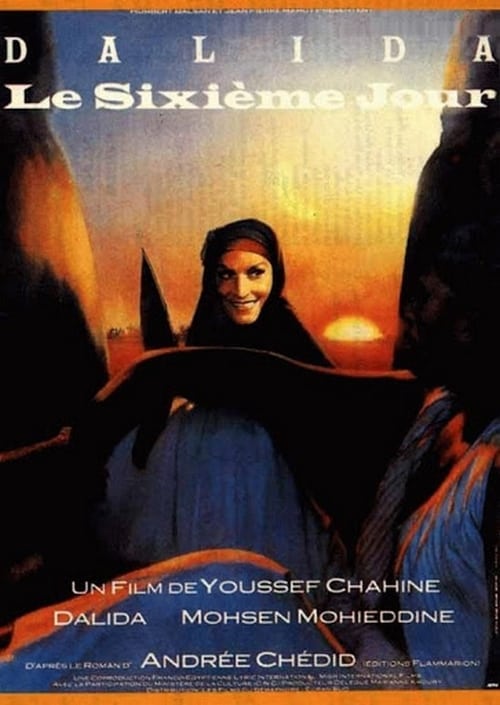
Egypt, 1947: in the midst of a cholera outbreak. A washerwoman tries to take care of her family, while at the same time resisting the advances of a charming suitor who's half her age.
The Sixth Day
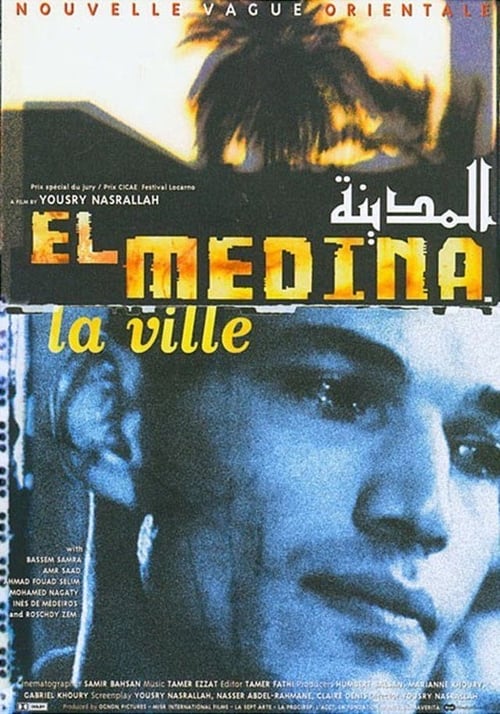
Ali, an aspiring actor, works in a government-aided butchery and takes part in a cheap play. Defying his father's wishes, he moves to Paris to fulfill his dreams and starts living illegally alongside many other Arabs. Ali has a life-changing experience there that he won't fully remember until he returns to Egypt.
The City

A retired accountant lives captive to the memories of an old, incomplete love story. Then, by chance, he meets a housewife who is his old flame. Their lives quickly take an unexpected path, as their romance is rekindled as they got older.
What's the Big Deal?!
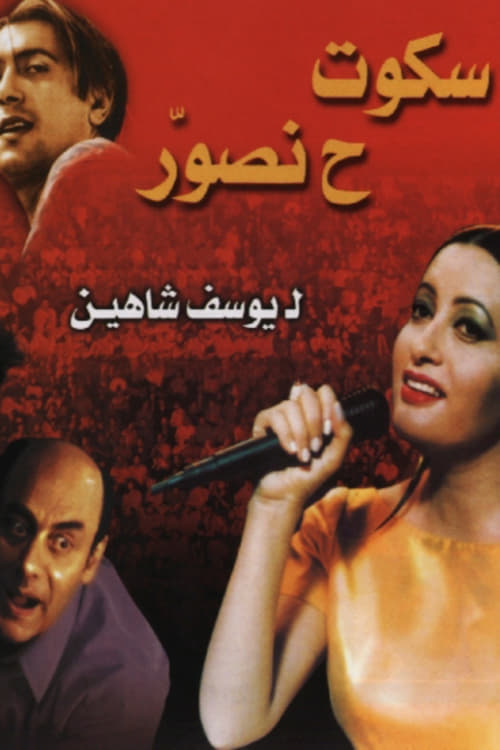
Malak is a star singer who lives with her mother and her daughter, Loula, in her villa after her divorce. She falls in love with an opportunist called Lam'ey, so her daughter sets out to expose him with the help of her lover, a driver called Nasser, and the director, Ezz-ElDin who deeply loves Malak.