Directing
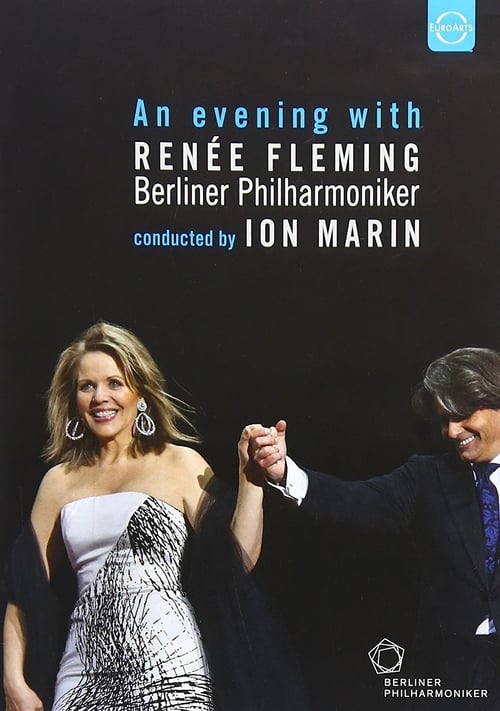
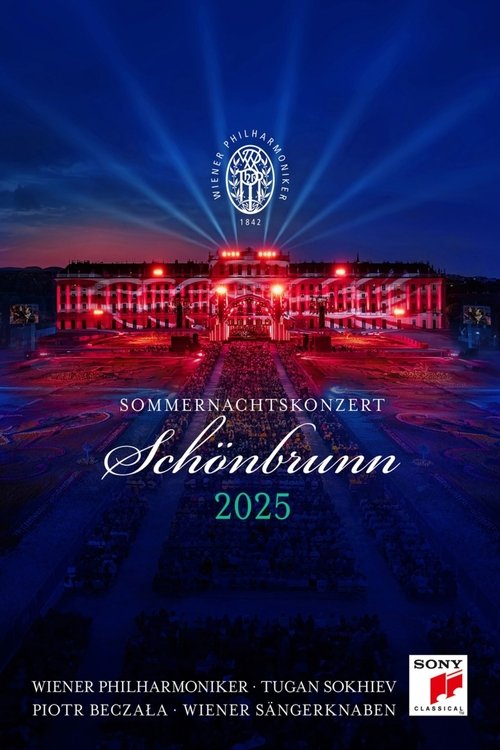
Repertoire Modest Mussorgsky: Night on Bald Mountain; Antonín Dvořák: Song to the Moon from “Rusalka”, Op. 114; Aram Chatschaturjan: Adagio from “Spartacus”; Richard Strauss: Final Scene from “Capriccio”, Op. 85; Richard Wagner: Overture to “Rienzi, der Letzte der Tribunen”; E. W. Korngold: Mariettas Lied from “Die tote Stadt”; Richard Strauss: Zueignung, Op. 10 No. 1; Sir Edward Elgar: Salut d’amour; Giacomo Puccini: Donde lieta uscì from “La bohème”; Tu che di gel sei cinta from “Turandot”; Ruggero Leoncavallo: Musette svaria sulla bocca viva from “La bohème”; Mimì Pinson, la biondinetta from “La bohème”; Piotr Tchaikovsky: “Romeo and Juliet” (Fantasy Overture)
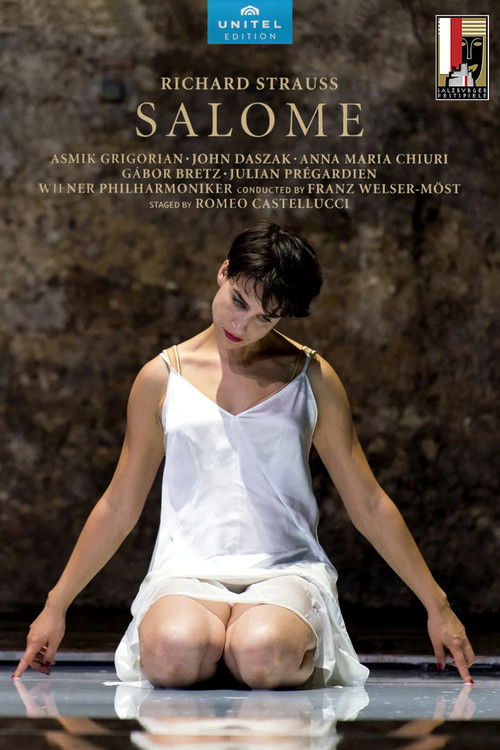
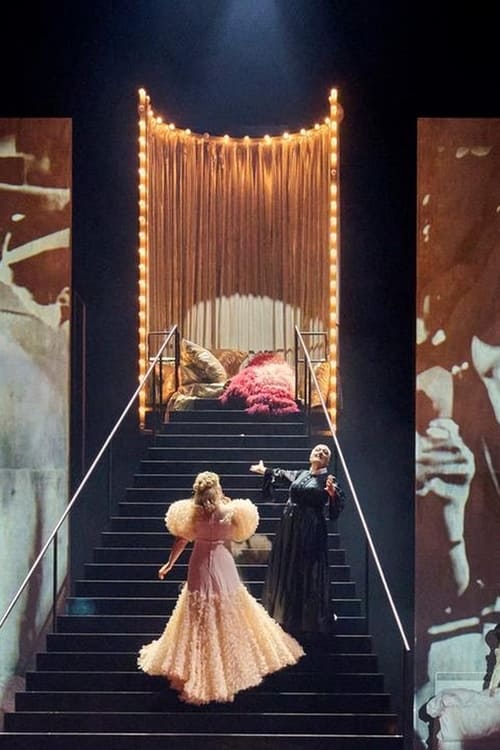
The story is set at the beginning of the Christian era on a large terrace of Herod’s palace, during the reign of Herod Antipas. At night, on a terrace of the palace, Salome, Herod’s stepdaughter, is gazed at passionately by Narraboth, captain of the guard. Jochanaan, a prophet, is imprisoned in a cistern for having slandered Herod. He proclaims the coming of Jesus, but his message is met with incomprehension by the guards. Salome hears the prophet. She manages to convince the guards to bring Jochanaan out so she can see him. Both fascinated and frightened by his prophecies, Salome falls passionately in love with this man. Richard Strauss’s opera at the 2018 Salzburg Festival, directed by Romeo Castellucci at the Felsenreitschule. In her debut in the title role, Asmik Grigorian distinguished herself with her talents as a singer and actress.
No description available.
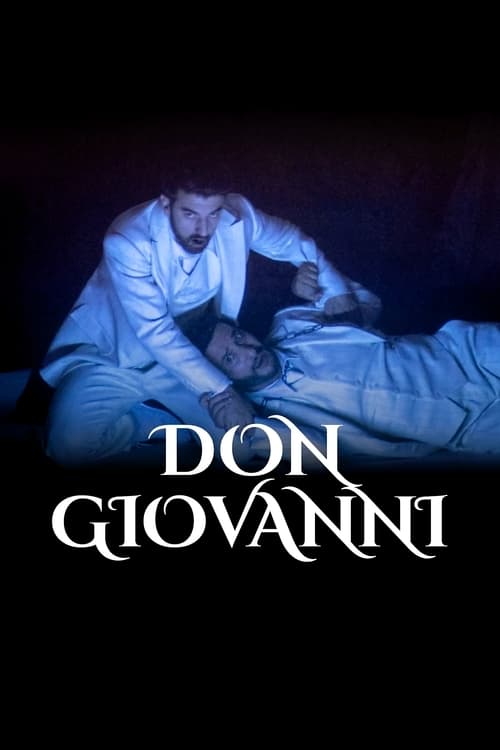
Premiered in 1787, “Don Giovanni” exposes the timeless theme of a man hovering between vitality and destruction. Neither morality nor the law can stop this serial lover in his quest to conquer all women as he places his own pleasure above all other principles. Today, the rich depth of Mozart’s masterpiece still astonishes audiences with its mix of comedy and seriousness, pleasure and love, entertainment and murder. At the helm of this new Salzburg Festival production, in a near-live broadcast from the Great Festival Hall, director Romeo Castellucci promises to focus on the ambiguity and inner turmoil of this serial lover whose immoral behaviour condemns him to a deadly solitude. The exceptional cast – featuring Italian baritone Davide Luciano (Don Giovanni), Russian soprano Nadezhda Pavlova (Donna Anna) and Finnish bass Mika Kares (the Commendatore) – is accompanied by the chorus and musicians of the musicAeterna ensemble, conducted by Vitaly Polonsky and Teodor Currentzis.
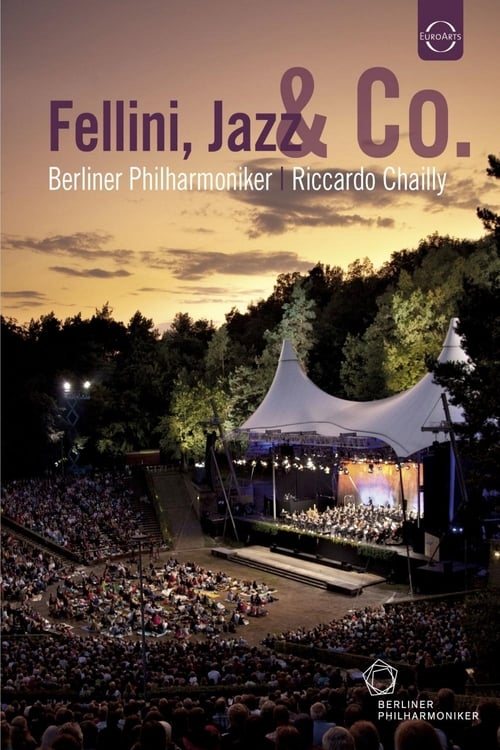
The Waldbühne in Berlin, one of the most appealing outdoor amphitheatres on the European continent, is the home of the Berliner Philharmoniker’s summer concerts. With audiences of more than 20,000, these are some of the most popular classical music concerts in the world. Riccardo Chailly is famous for having one of the broadest and most eclectic repertoires. Here, under his baton, the orchestra presents perennial favourites by Shostakovich, Rota and Respighi. Live recording from the Waldbühne, Berlin, 23 August 2011, directed by Kasten Henning, produced by Jan Bremme. TV Producer: Dorothea Diekmann, RBB. Repertoire Dmitry Shostakovich: Suite No. 2 for Jazz Orchestra (Suite for Variety Orchestra), Lady Macbeth of Mtsensk Suite – Allegretto; Nino Rota: ‘La Strada’ Ballet Suite; Ottorino Respighi: Fountains of Rome • Pines of Rome • Danza gueresca ‘Belkis’; Paul Lincke: Berliner Luft
The Berliner Philharmoniker dedicate their New Year's Eve concert to famous lovers from the repertoire, embodied with intensity by French tenor Benjamin Bernheim. On the program: Don José (Carmen by Georges Bizet), Lenski (Eugene Onegin by Tchaikovsky), Werther (in the opera of the same name by Jules Massenet) and Romeo (Charles Gounod's Roméo et Juliette). Conducted by Kirill Petrenko, works by Gabriel Fauré, Emmanuel Chabrier, and George Gershwin round out this festive program.
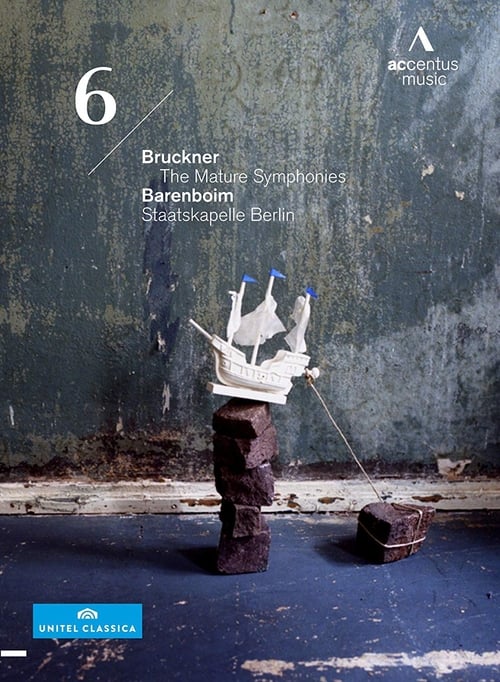
Anton Bruckner’s 6th Symphony was written between 1879 and 1881: a very happy time in his life. Unlike most of Bruckner’s symphonies, the 6th was not revised. Of all his works, this one seems to come from a single source of inspiration. Bruckner himself called it his “boldest” symphony – probably due to its extreme degree of motivic, rhythmic and harmonic originality. This live recording of the seldom-performed 6th Symphony is the next instalment of the acclaimed Bruckner cycle by the Staatskapelle Berlin and Daniel Barenboim. Anton Bruckner Symphony No. 6 in A major (original version) Daniel Barenboim, Conductor Staatskapelle Berlin Recorded live at the Philharmonie Berlin, 22 June 2010
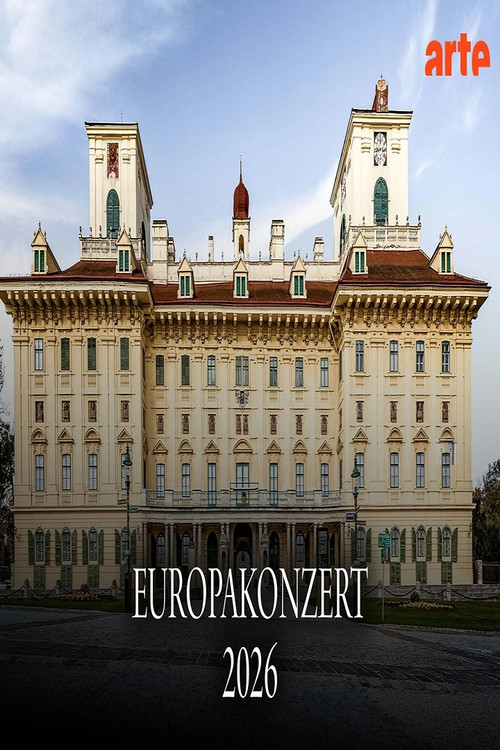
The Berlin Philharmonic with Kirill Petrenko perform their annual concert for Europe, this time from the baroque magnificence of the Esterházy Palace in Austria. On the programme are works by Haydn, Stravinsky, Tchaikovsky and Beethoven.
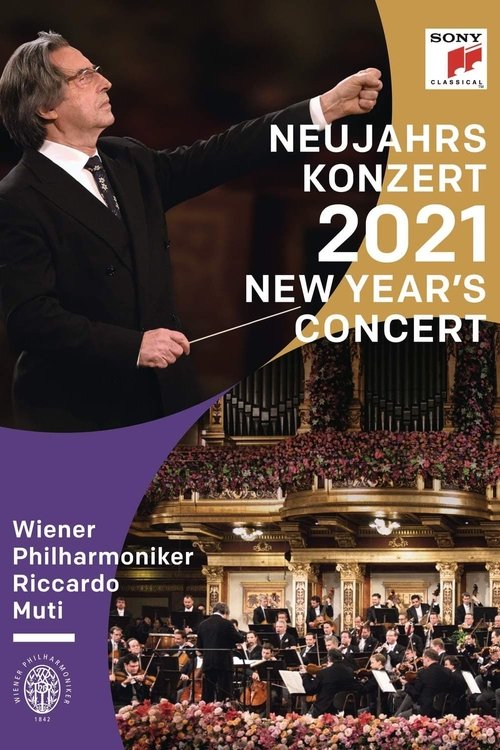
Having enjoyed a 50-year musical partnership with the Vienna Philharmonic, Riccardo Muti takes charge of the celebrations for the sixth time in what’s bound to be a uniquely poignant occasion. The concert includes the traditional mix of Austrian classics, featuring music by the Strauss family and ending with the ever-popular By the Beautiful Blue Danube and the foot-stamping Radetzky March. In these uncertain times, the concert looks to send people all over the world a new year's greeting in the spirit of hope, friendship and peace.
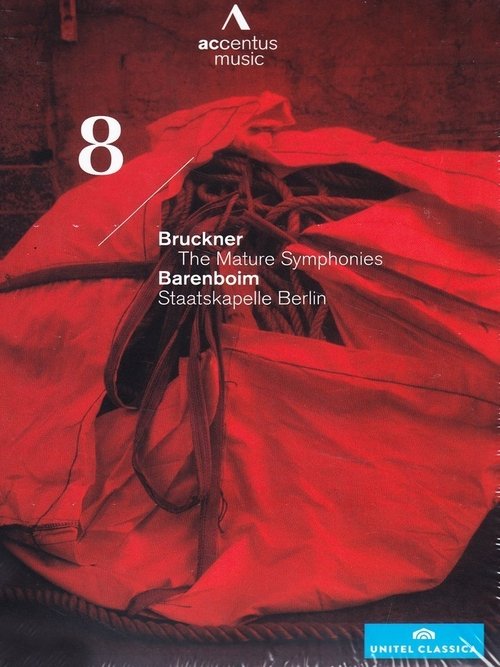
“Clarity was one thing that made this performance a marvel. Another was the flexibility of Barenboim’s speeds…. The flexibility of Barenboim’s tempi meant that Bruckner’s charm – an often overlooked aspect of his genius – shone through, especially in the genial Trio.” (The Telegraph) Bruckner’s 8th is the last symphony completed by the Austrian composer. Many of his contemporaries regarded the symphony as “the pinnacle of 19th century music”. Even today, this monumental work fascinates listeners with its virtuoso orchestral technique, its immensity of sound, and its inexhaustible richness of detail. Symphony No. 8 in C minor (second version 1887-90, Robert Haas Edition) Daniel Barenboim, Conductor Staatskapelle Berlin Recorded live at the Philharmonie Berlin, 26 June 2010
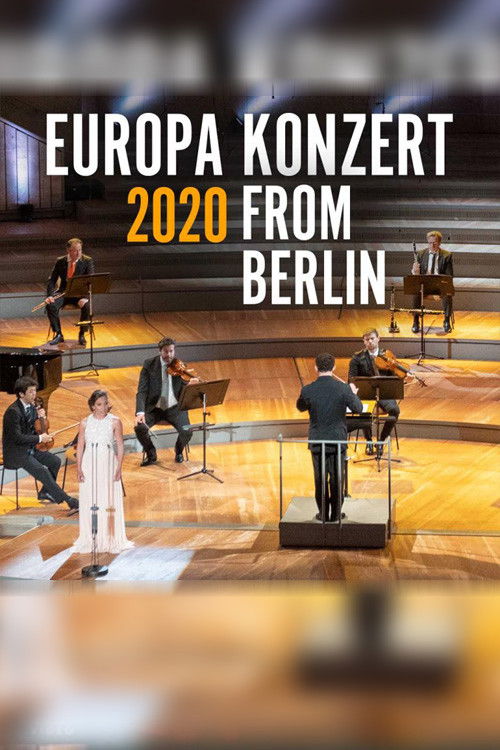
Each year, the annual Europakonzert concert on May 1st. Due to the worldwide covid pandemic, a very comforting programme was selected for this years concert, to encourage and to thank people in Europe and worldwide. Arvo Pärt's Fratres for string orchestra and percussion, György Ligeti's Ramifications for string orchestra, Samuel Barber's Adagio for Strings, and Gustav Mahler's Symphony No. 4.
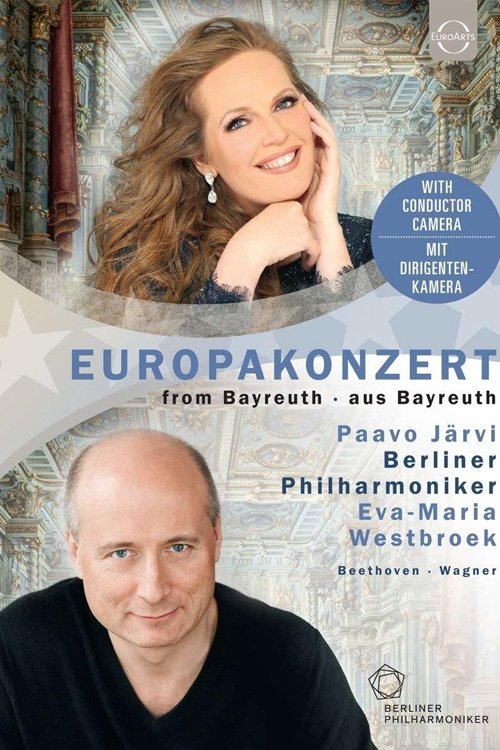
Ludwig van Beethoven: Leonore Overture,No.3 in C major, Op. 72; Symphony No. 4 in B-flat major, Op. 60 Richard Wagner: Wesendonck Lieder
Under the baton of Kirill Petrenko, the Berlin Philharmonic Orchestra's traditional New Year's Eve concert brings you an enchanting programme led by star tenor Jonas Kaufmann. A delightful medley of Verdi, Prokofiev, Nino Rota, Tchaikovsky and more.