András Pires Muhi
Production
Known For

Handheld skate video meets hardcore social realism in a sensational film with the energy of a three-chord punk song and an unruly group of street kids in front of the camera, shot over 10 wild years of their young lives.
KIX
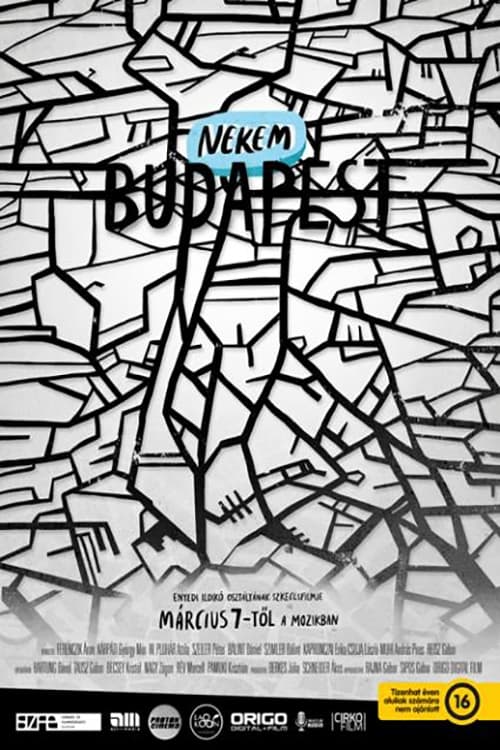
Different genres of short stories about the lives of the city, the people of Budapest presented an individual point of view.
Nekem Budapest
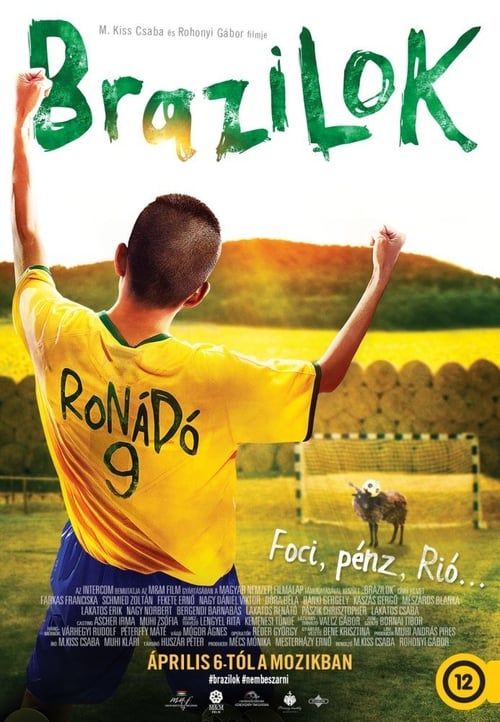
The entire village is obsessed with the championship: the establishment team, led by the mayor and his deputy, expects to win, while for the first time the poorest youths from the local Roma settlement, led by a recently released “golden‐footed” ringleader and joined by the juggling church priest, also enter the competition. Both sides hunger for victory, and when a mysterious millionaire offers to fly the top players to Brazil, the stakes skyrocket. The tournament becomes a fight not just for the title but for the village’s social balance.
Brazilok

Bianka (20) finds herself drifting in the suburbs without any particular purpose. She has the sudden urge to steal a baby, which she does, but now she has to find a father and a home. When none of her ex-boyfriends are willing to lend a hand, the only one happy to help is Laci (21) who is mentally disabled and living in a workers’ hostel.
Blossom Valley
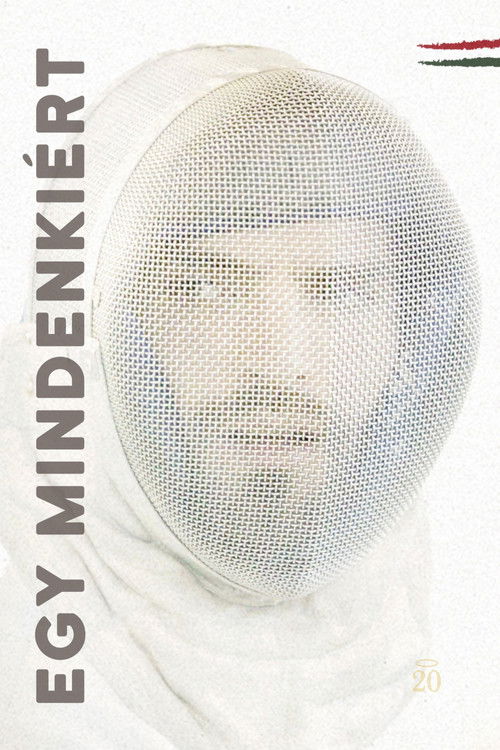
Two-time Olympic champion Áron Szilágyi spends another 4 years fighting day to day on the piste and in real life to become the first fencer in history to win his third solo gold medal at the 2020 Tokyo Olympics.
One for All
No description available.
Natural Backlight

Once upon a time back during the high noon of the cheerful gray Kádár regime, there was a teenage girl living in Nagykovácsi who jumped from the third floor because of unrequited love and loneliness, but miraculously lived to bear three children, try her luck with five different husbands, to bury her teenage son, to stifle her grief in drink, to help people more unfortunate than herself, to show the viewers what a truly passionate life is like by participating in a documentary film.
Nóri Film
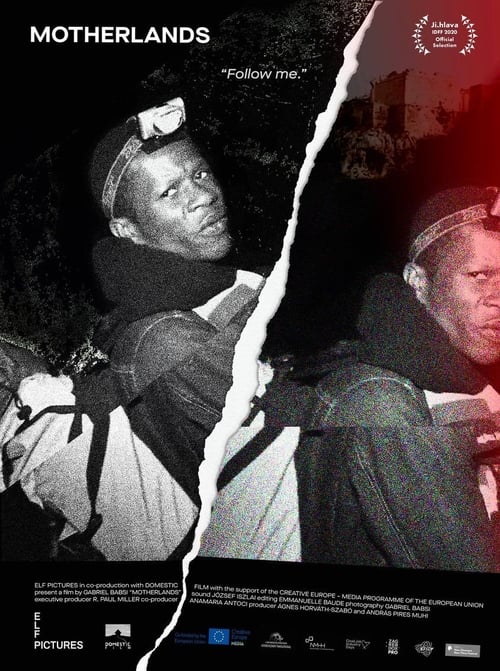
An odyssey through years, continents, and moral principles in a quest to rebuild life.
Motherlands
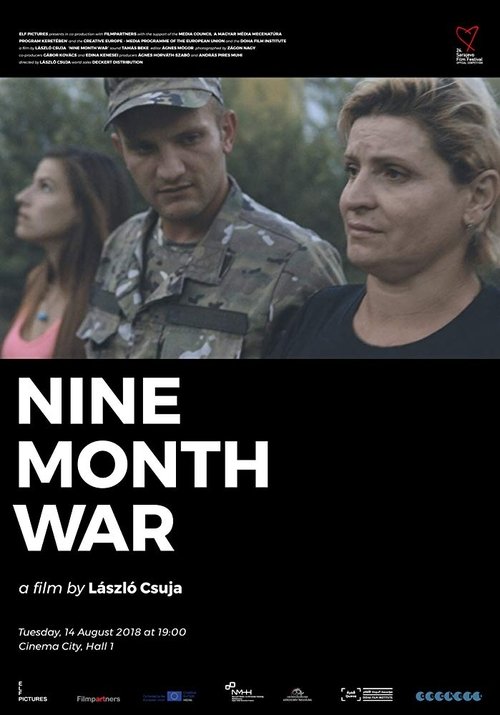
Jani (24) lives in a small town in Western Ukraine in the Hungarian minority. He is an only child and his father died five years ago. He is fed up with the boring life in his town and drowning in the love of Erzsike (45), his mother. He gets his draft-call from the Ukrainian National Guard, to fight the separatist. He could sneak out of the country to escape the military service just like his fellows did, but instead he chooses to go to the war 1,500 km away – why? He is not a patriot. He is not even Ukrainian. Combining visuals of cinema verité and mobile footage of war, Jani’s coming-of-age story unfolds throughout the nine months of military service and a few months after discharge.