Acting
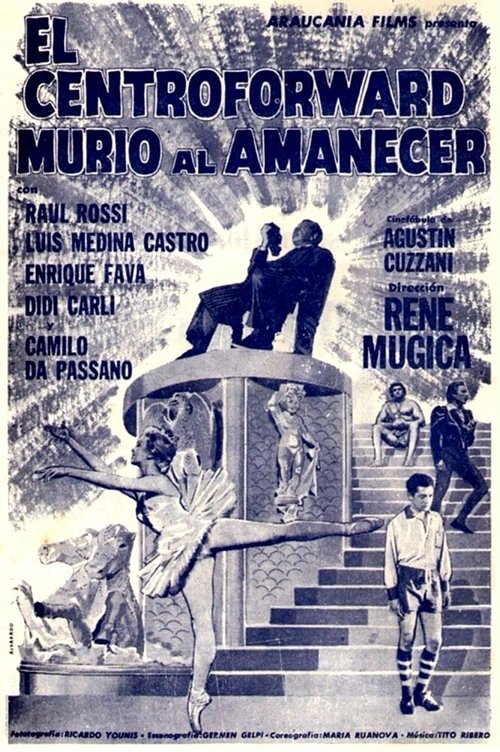
Cacho Garibaldi is the soccer player of the moment, his goals lead to delirium fans. When an eccentric millionaire named Lupus buys his transfer, he expects to end up on a major team. Instead, he discovers the millionaire's goal in life is to collect the best -not art or stamps- but people.
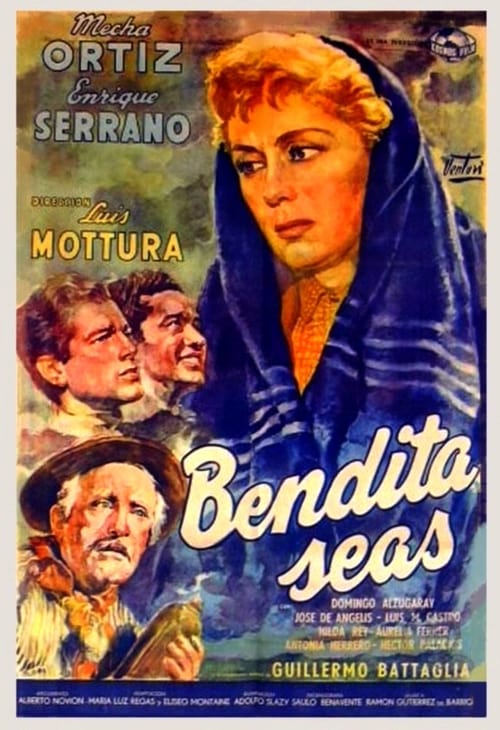
María has a powerful reason to hide the fact that she is Enrique's mother.
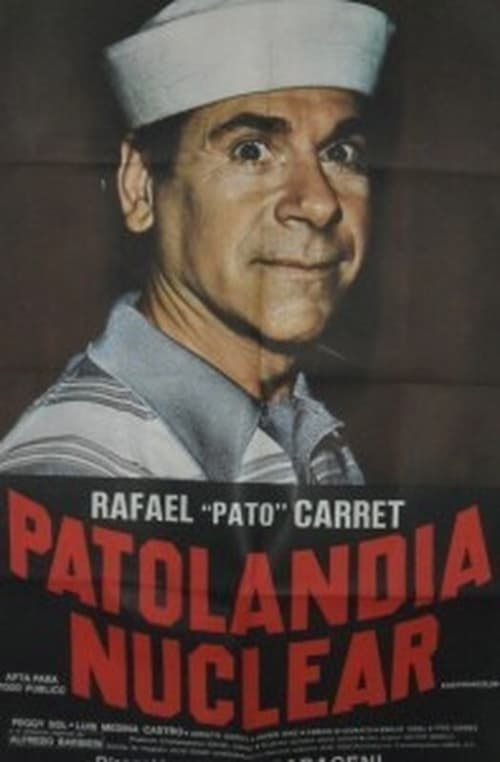
El Pato faces a gang of spies who use a stuntman to seize an atomic pile.
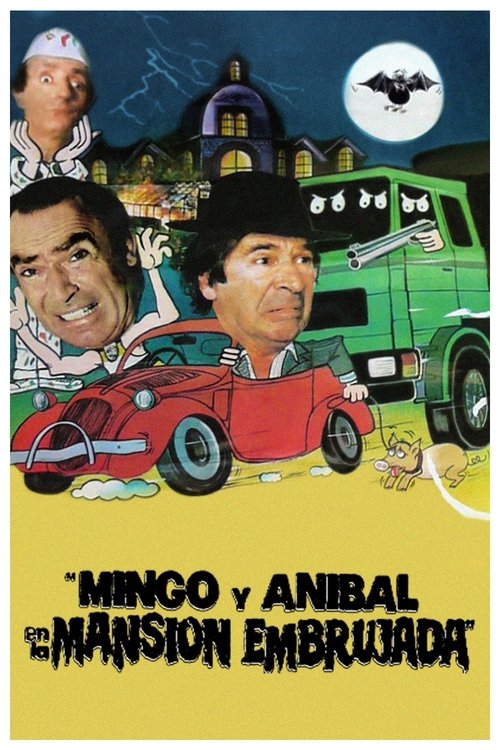
Mingo and Anibal are hired to embellish a mansion's garden, but a series of spooky events will soon take place.
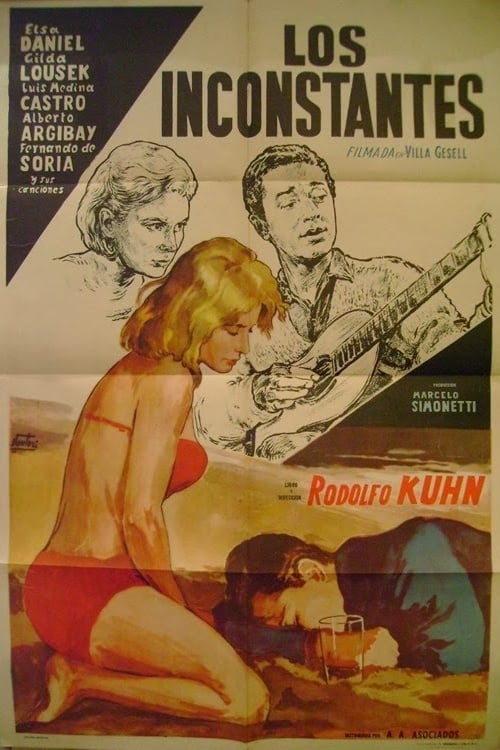
Stories about a group of young people who spend a week at a coastal resort.
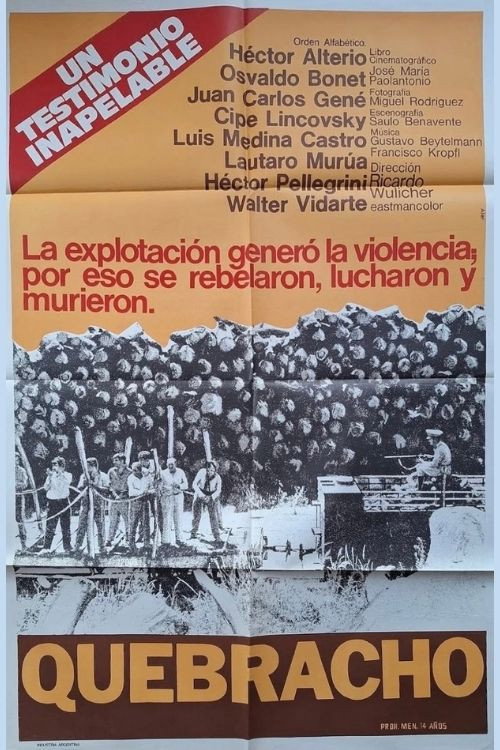
Set around 1910 in the Chaco region, the film depicts the plight of quebracho woodcutters, cruelly exploited by English businessmen with the support of the authorities, local police, and a paramilitary force established by the employers themselves.
No description available.
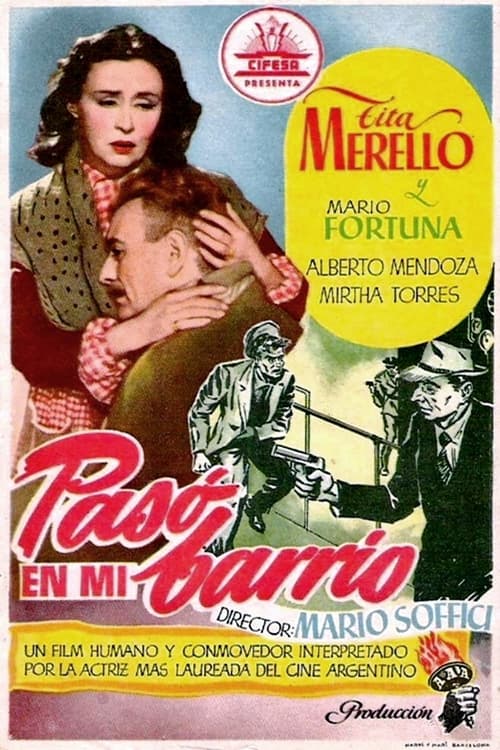
An italian man is unfairly imprisoned and his wife must work to maintain the family.
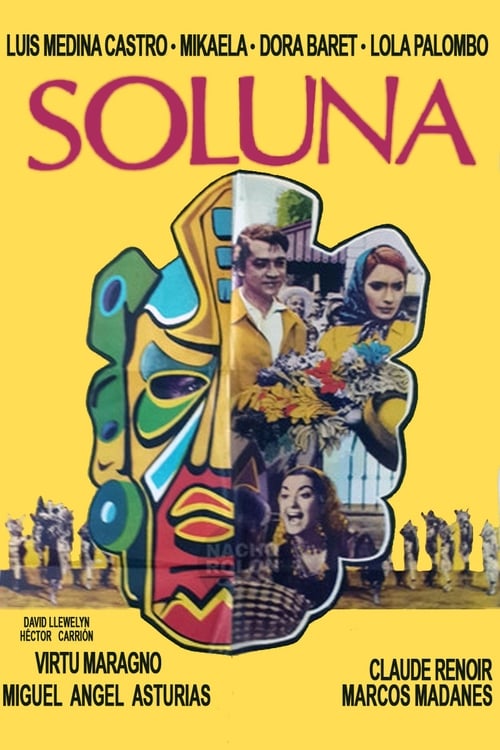
A man goes to a sorcerer to hasten his reunion with a woman, and the sorcerer gives him a mask that accelerates time.
A beautiful woman who lives on an island is constantly harassed by men.
The parallel accounts of the story of the Virgin of Luján in the seventeenth century and of a blind violinist who regains her vision during the Pope's visit to Argentina in 1982
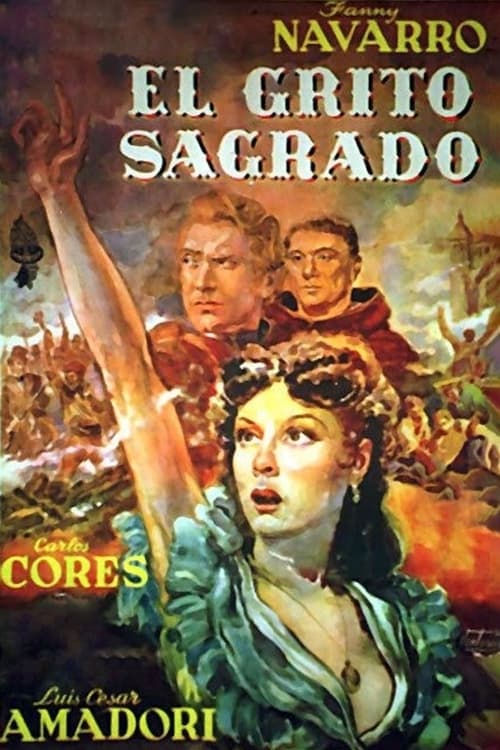
El Grito Sagrado (The Silent Call) is a fictionalized retelling of Argentina's fight for independence from Spain. The story is "personalized" by being related through the eyes of Mariquita Sanchez de Thompson y Mendeville, played by popular Latin American leading lady Fanny Navarro. Rebelling against the cozy traditionalism of her family, Mariquita weds tireless patriot Martin Thompson (Carlos Cores). She remains by her husband's side as he helps to fend off a British invasion and to achieve freedom for the Argentine slave population. Oddly, the principal villains in the film are the British, a reflection perhaps of Argentine dictator Juan Peron's ongoing efforts to curry favor with Spain.
The son of a businessman neglected by his father and orphaned by a mother, goes to a group of friends. A typical gang of humble neighborhood boys, led by Chirola. The history of this gang is ruled by two magical characters, El Hada de la Esperanza represented by Liliana Rodríguez Morlino and El Pombero, a typical Formosan character-legend, played by Jaime Cohen. Through these boys the life of the social classes of the time is reflected, the innocence of the boys apart from those values and what children are capable of when they decide to transform things. During the story, the typical life of the province in which it was filmed, Formosa, and the daily life of the neighborhoods of the capital city that used to be a commercial port with Paraguay are highlighted.
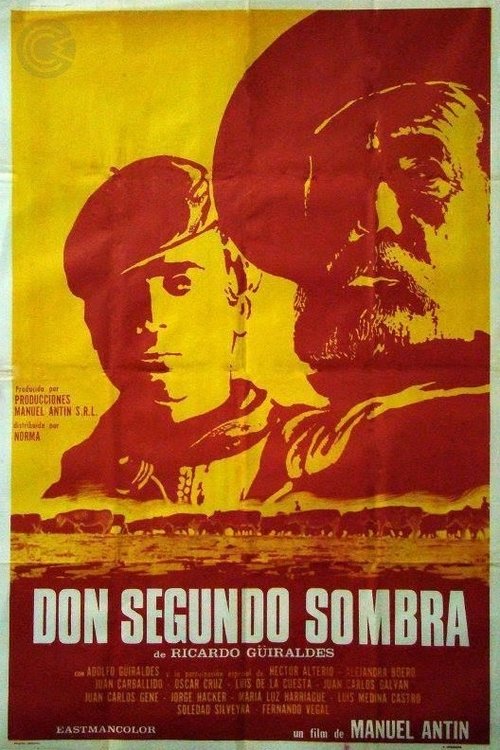
The story takes place in San Antonio de Areco, in the Argentine pampas. Fabio Cáceres remembers his childhood as an orphan and his youth working in the fields, alongside his godfather, Don Segundo Sombra, a lonely gaucho whom he admires and from whom he will learn to be a gaucho, following him in all his adventures. Don Segundo will be Fabio's role model.
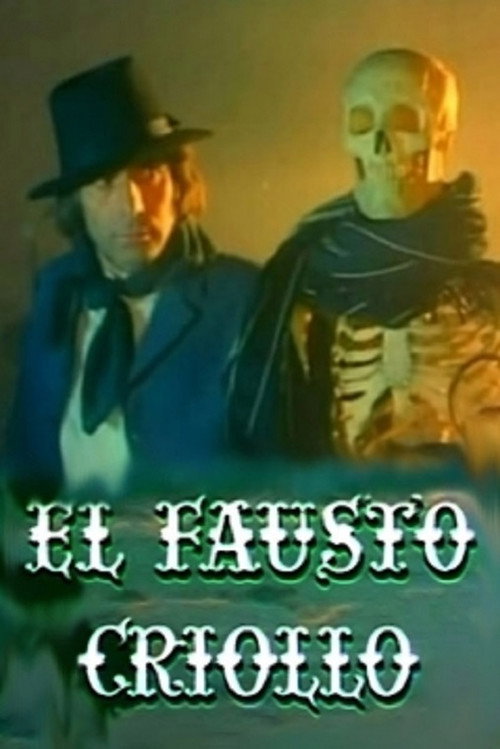
An old gaucho tells his young friend about a time in the big city when he went to the Opera, and narrates to him the whole plot of Gounod's Faust. His young friend reimagines the story he's hearing, with himself in the central role.
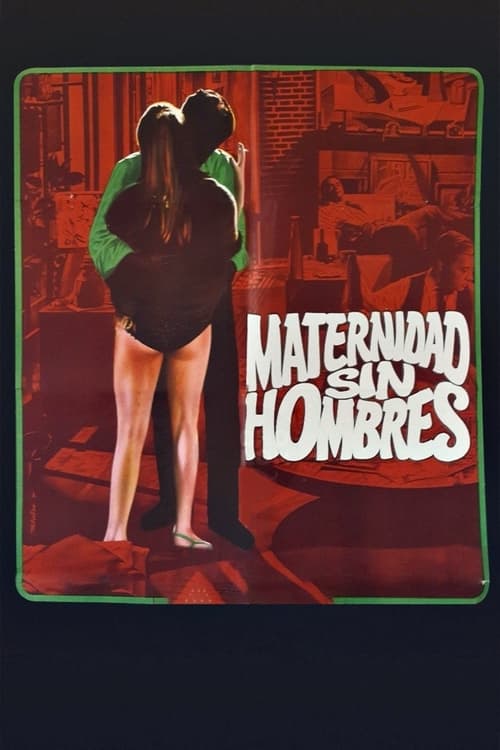
The story of several women who reach motherhood in difficult conditions.
A car salesman recounts his professional journey, from a clumsy beginning marked by invasive treatment and failed demonstrations to a successful fluency. This film Martínez Suárez made on commission for the Argentine automobile factory IKA.
The education received at home influences the future of some neighborhood boys of different economic status.
Biopic of Ceferino Namuncurá (1886-1905), son of a Mapuche cacique and a white woman, and the first Indian of South America to be beatified. The film starts out as a war movie, showing his father Manuel battling the Spanish and taking a white woman as his captive bride. But little of interest happens after Ceferino is born. His beatification relies partly on his "miraculous" survival after falling in a stream as a baby, but the film does not present this with any great drama, and plods through the rest of the boy's life with similar tepor. Ceferino does well in school, attracts the interest of a priest, attends a Catholic school in Buenos Aires, and studies for the priesthood in Italy, where he dies of tuberculosis after a few unconvincing coughs.