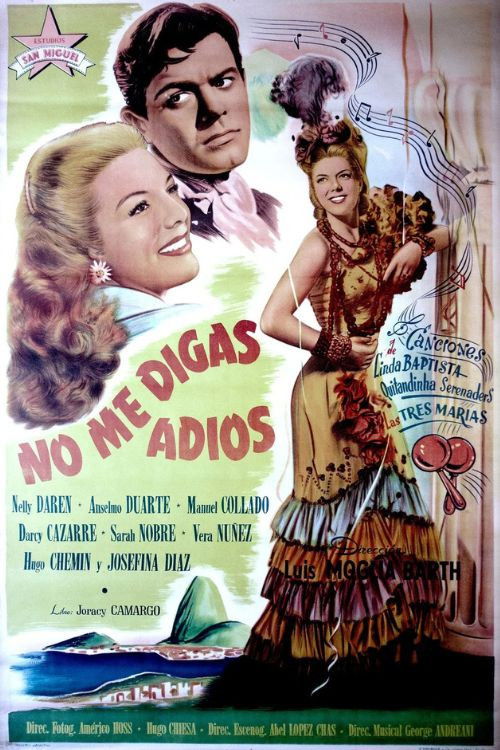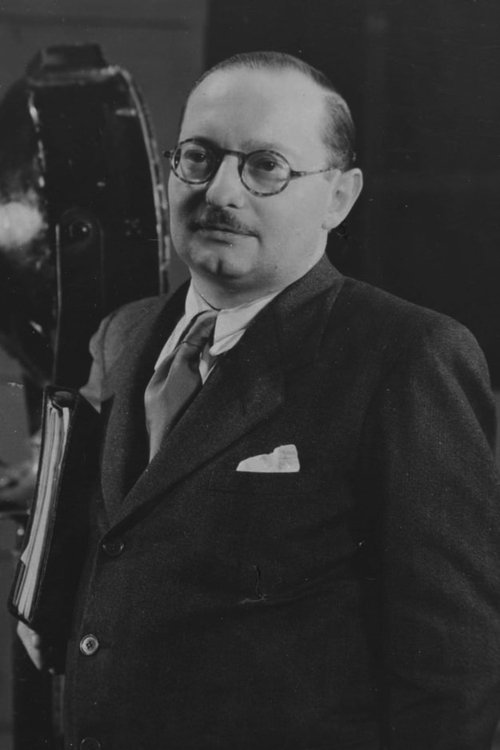
Luis Moglia Barth
Directing
Biography
Luis José Moglia Barth (1903–1984) was a film director and screenwriter who directed numerous films in the early stages of Argentine cinema, including ¡Tango! (1933), considered the first Argentine sound feature film.
Known For

The romance between Amalia Sáenz de Olabarrieta –a widow living in Buenos Aires– and the young Unitarian Eduardo Belgrano. Based on the novel by José Mármol.
Amalia

An adultery-induced woman is helped by her driver who discovers the villains.
Melgarejo
The film's plot, which largely takes place in a cabaret, revolves around a worldly guy who had abandoned a mature lover for a younger and more beautiful one. It is very elementary and is just a pretext for a parade of popular songs. Currently considered lost.
Dancing

According to historian Fernando Martín Peña, this film was produced by Julio Tello's Argentine Cinematographic Union distributor and premiered at the San Martín Theater as if it were French "presumably for reasons of respectability." After the campaign against him by the Catholic newspaper El Pueblo, San Martín took it down from the billboard. On November 4 it was announced that the film would be shown again in a downtown theater and finally on November 7 the interim mayor Adrián Fernández Castro resolved the ban for "amoral".
Aphrodite

No description available.
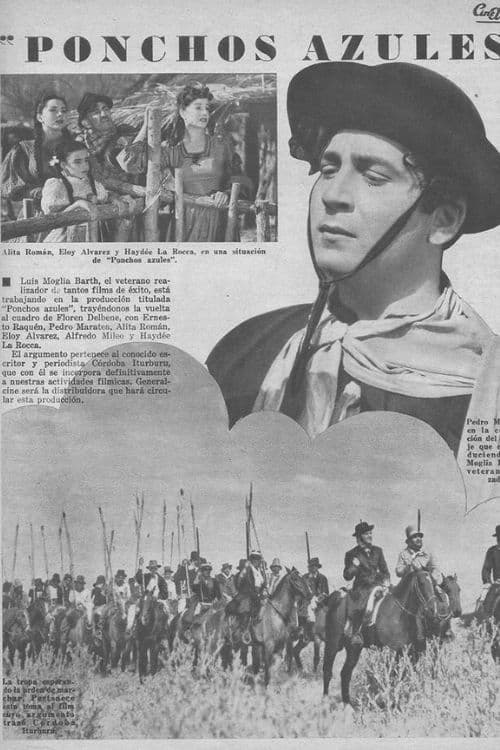
Ponchos azules

Group of tango musicians picks up an aspiring young chanteuse at one of their whistle stop engagements; film focuses on their collective path to stardom, romantic conflicts between the woman and two guys in the band and some peripheral crime-drama stuff.
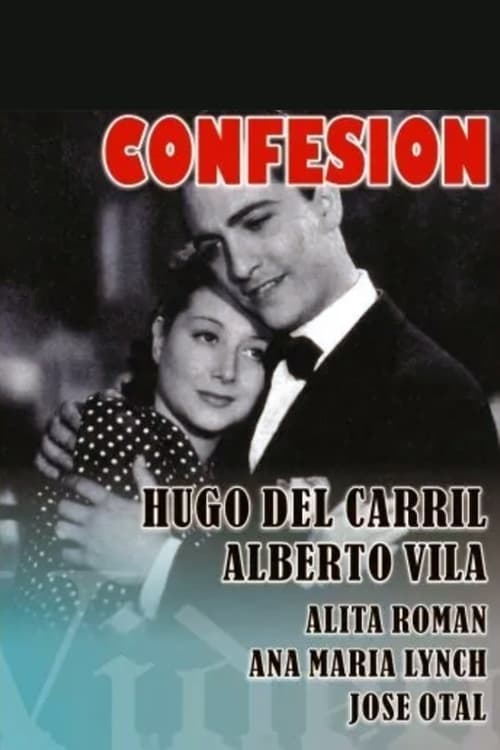
Confesión

In 1840, a caravan of carts headed from Buenos Aires to Córdoba carrying merchandise, ammunition and prisoners, against the background of the struggles between the Unitarians and the Federalists.
Huella

A woman who misses her husband, who died in prison, is disputed between wine growers.
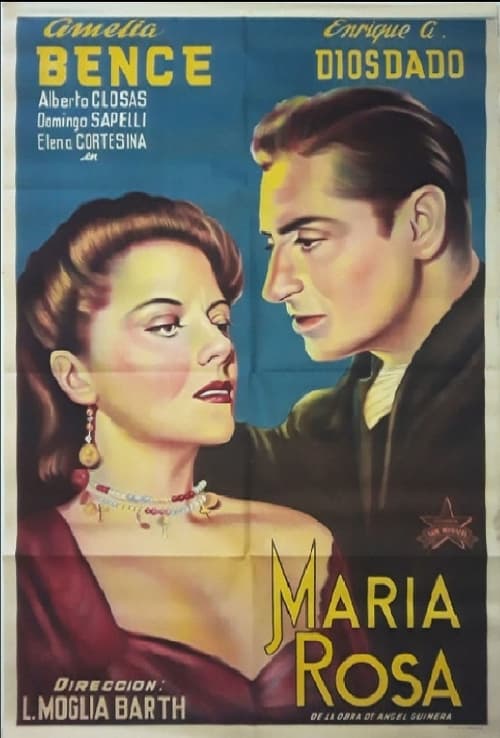
María Rosa

An habitant of the Paraná Delta is tempted to engage in smuggling but abandons it for the love of a teacher.
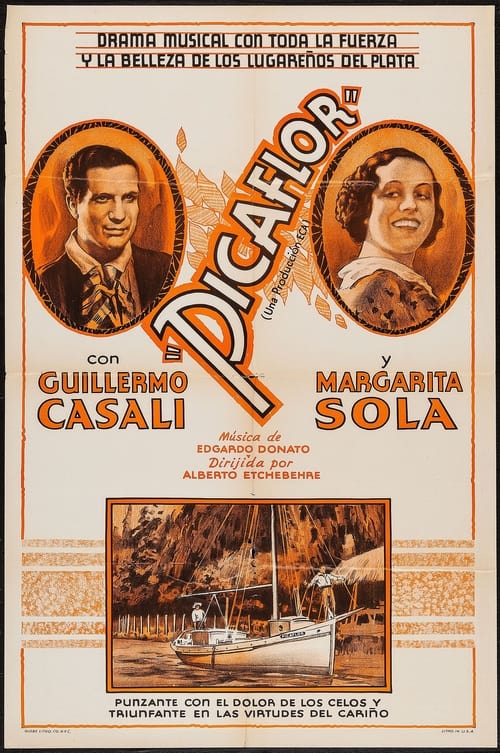
Picaflor

No description available.
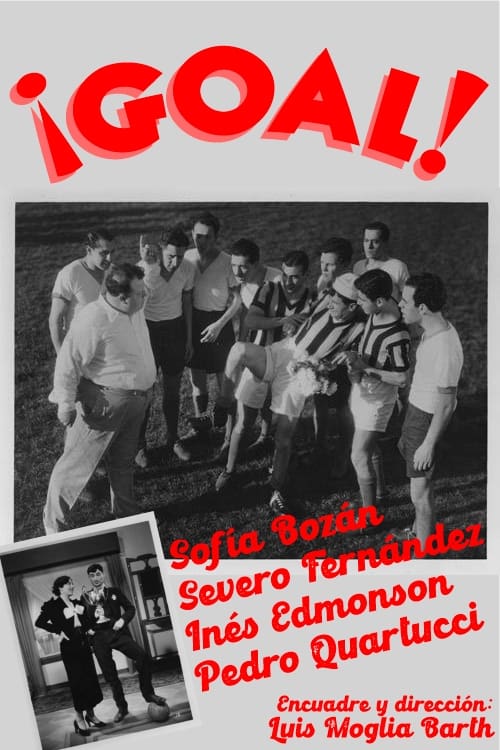
¡Goal!

The film narrates events of the Revolution of the Park, carried out by radical sympathizers on July 26, 1890. There is a secondary plot with the romance of a girl who, despite being in love with her father's godson, must contract a marriage with a banker that fails.
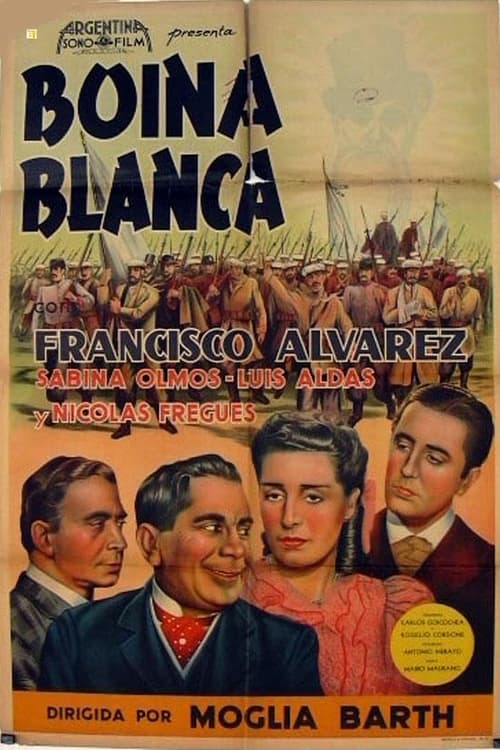
Boina blanca

Through a succession of flashbacks, a grandfather tells his grandson about the outstanding episodes of the 1890 revolution, known as the "Revolution of the Park", against the government of Juárez Celman. Between the armed confrontations and the exaltation of the figure of Leandro N. Alem, the evocation includes a synthetic love story and culminates with the celebration of the second presidency of Hipólito Yrigoyen.
El 90

The young daughter of a murdered rancher takes possession of her lands in Patagonia and must fight criminals alongside a teacher.
Cruza

A man is found dead in a music hall during one of the numbers, so the performance is suspended and the police begin to investigate.
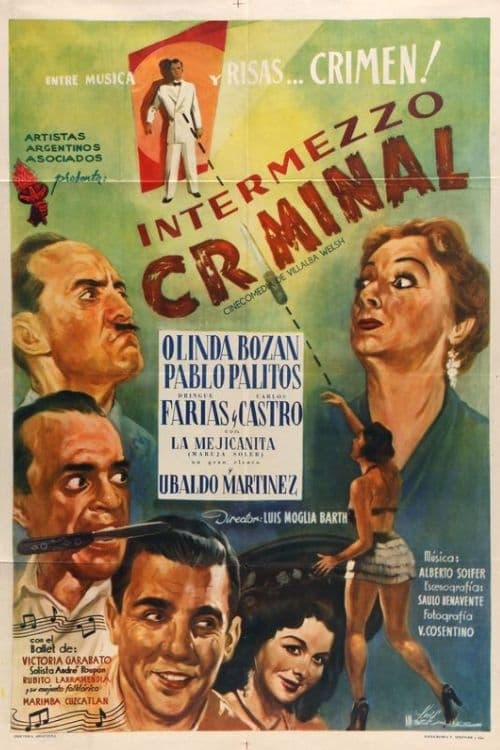
Intermezzo criminal

A capricious lady resigns herself to work as the host of a female radio program where she sings jingles and gives advice on cooking and gardening, putting aside her love of police novels, but she will find herself involved in a murder.
Hogar, dulce hogar
A 1932 Argentinian film by Luis Moglia Barth.
Tango Advice
The film follows a group of young girls in a boarding school.
Doce mujeres

A thief ends up in the Riachuelo zone and after a revealing event, he stops stealing and starts working.
Riachuelo
Tabloid journalists muddy the waters during the investigation of the murder of an Argentine senator.
Edición extra

A shipyard owner rapes the daughter of a blind worker, unaware that she is his own son's girlfriend.