Ann Van den Broek
Acting
Known For

The work of the Flemish choreographer Ann van den Broek is very personal. Her intense choreography is dedicated to her own extreme experiences and emotions. Her approach will spare nothing and nobody. She expects unconditional commitment from herself, but also from her dancers. As a result, we get to witness innovative and highly successful dance performances, but also a complicated hate-love relationship with the people around her. In The Lady in Black, director Lisa Boerstra (L.A. Raeven) shows us the extent to which Ann is interwoven with the choreographies, bringing the artist’s life and work together in a new experience.
The Lady in Black
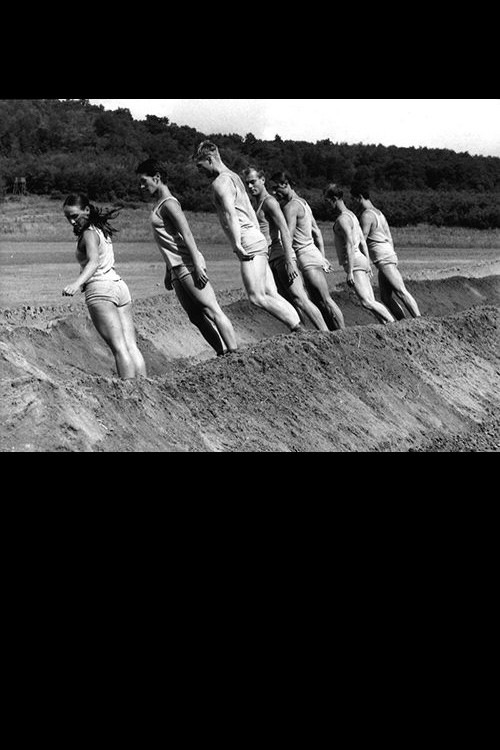
In this dance film, choreographer Krisztina de Châtel returns to Hungary, her country of birth, together with her dancers and memories. In Budapest, bridges, squares, streets, and courtyards bring the hectic energy of the city to life. The dancers resist the pace of the metropolis with powerful, physical movements. In search of peace, the group moves to the countryside, where they are confronted with another, equally compelling force: the earth itself. The journey culminates in stomping, earthy movements in which control, resistance, and endurance are central. Stalen Neuzen is the result of an intensive collaboration between choreographer Krisztina de Châtel, director Erik van Zuylen, and designer Conrad van de Ven. The film shows De Châtel's work in a distinctly cinematic context and forms a poignant portrait in which the will to control and physical discipline becomes visible and tangible.
Stalen Neuzen
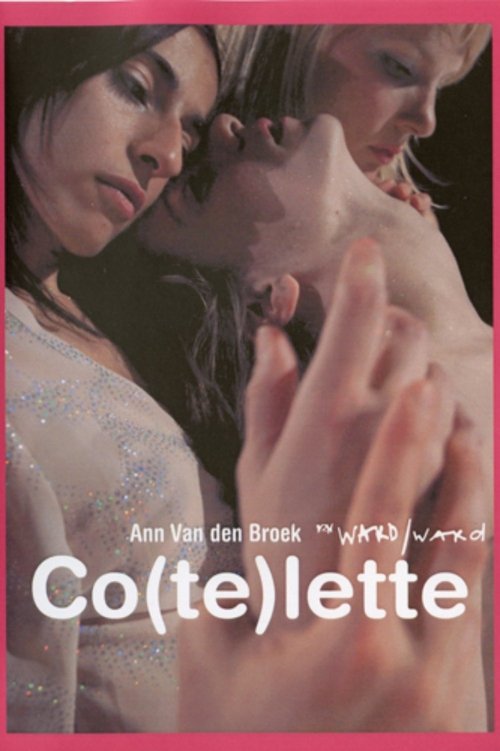
This is the original stage recording of Ann Van den Broek’s iconic performance “Co(te)lette”, filmed in The Hague in 2007. Three female dancers explore the conflicting territories of flesh and femininity, beauty and destruction, tenderness and brutality, uncontrolled desire and the need for satisfaction — both physical and mental. There is no linear narrative, no solution, and no ending: only the raw presence of the performers and a score that merges church organ, voice, and noise. “Co(te)lette” is an intimate, unflinching meditation on the boundaries of body, gender, and gaze.