Acting
No description available.
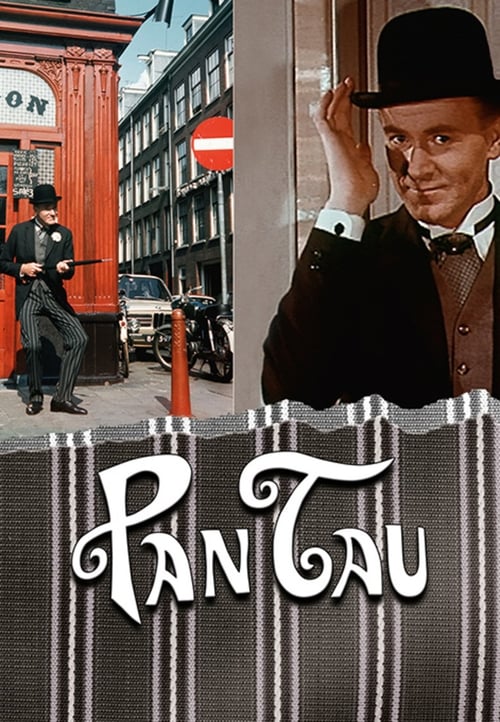
Pan Tau always had a gentle expression and a friendly smile, he was elegantly dressed in a stroller, with an umbrella and a white carnation in the lapel. Foremost, he was famous for his magic bowler hat. By tapping on his hat, Pan Tau was able to change his appearance into a puppet, to conjure up miscellaneous objects or to do other magic. His most characteristically behavior is that he would help children who were experiencing some sort of difficulties in-between their dreams and reality, like finding a place for skiing, settling family problems on Christmas, and even give a boy a good time at a fair when he is supposed to have piano lessons. To adults, he usually remained invisible.
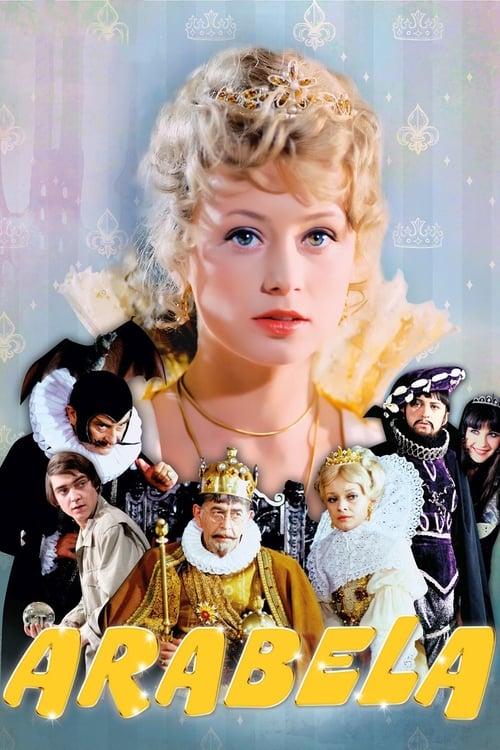
Arabela was a children's television series produced in Czechoslovakia which aired from 1979 to 1981. The series has 13 episodes and is in the Czech language.
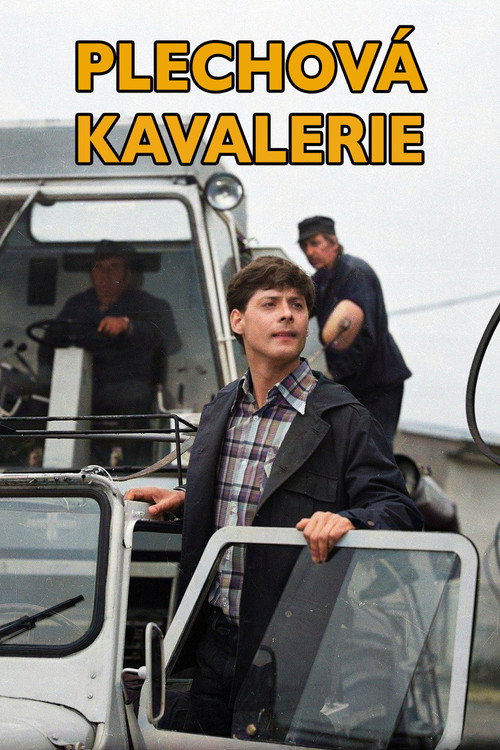
Plechová kavalérie is a Czechoslovak/Czech TV series about combine operators filmed by Jaroslav Dudek.
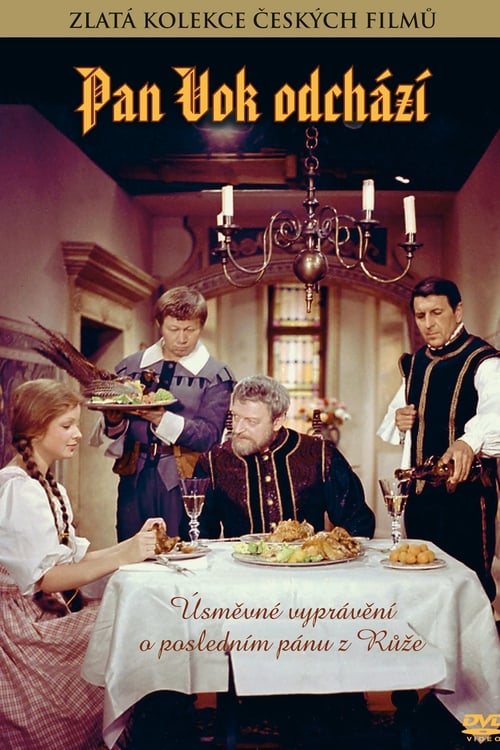
The former reputed lover and bon vivant Petr Vok from Rožmberk was widowed at the age of sixty-three. The loss of his much younger wife is hard to bear and it seems that nothing in his life will please him anymore. His loyal friends and servants do everything possible and impossible to cheer him up, but sometimes interesting situations arise, such as when they get him a guaranteed real mermaid. Will anyone be able to cure the master of his lethargy?
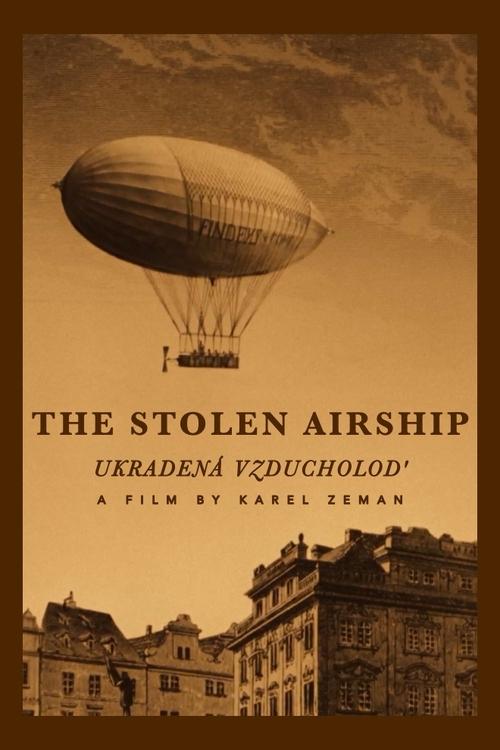
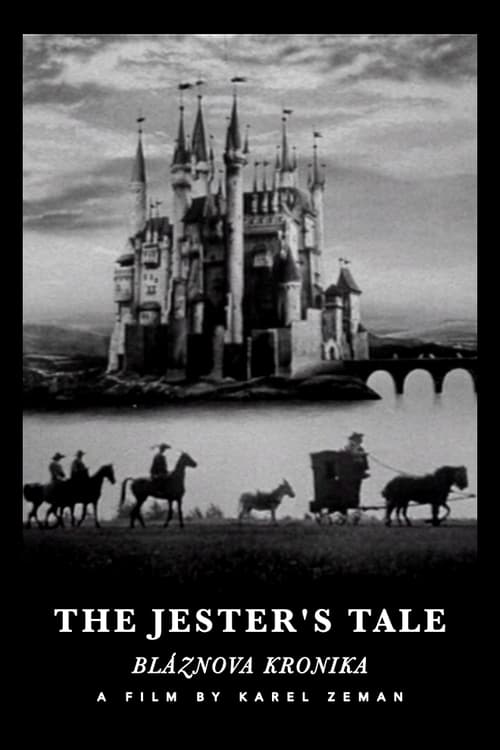
Five young people take off in a lighter-than-air machine at the Prague Centennial Exhibition. In an Art Nouveau style, the film consists of live action generally shot in black and white, as well as hand-drawn, stop-motion, and cutout animation. Various live-action and animated elements are often composited into the same scene.
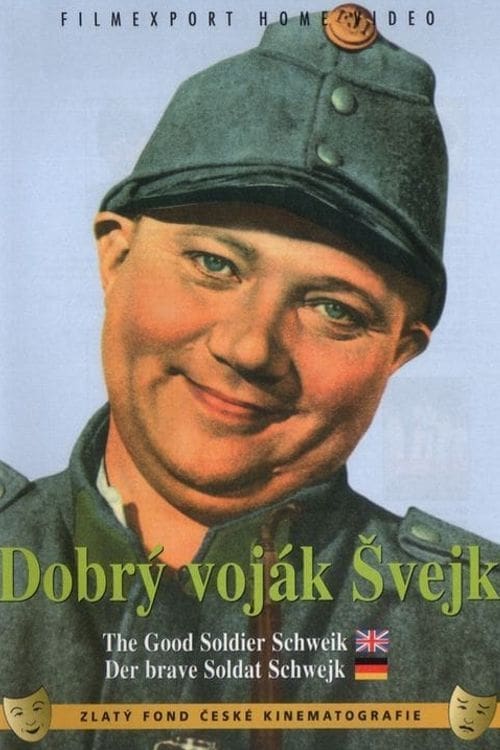
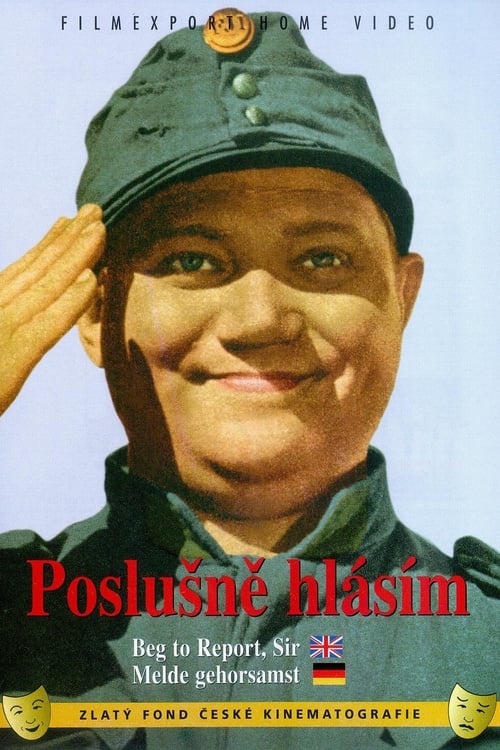
Good-natured and garrulous, Schweik becomes the Austrian army's most loyal Czech soldier when he is called up on the outbreak of World War I -- although his bumbling attempts to get to the front serve only to prevent him from reaching it. Playing cards and getting drunk, he uses all his cunning and genial subterfuge to deal with the police, clergy, and officers who chivy him toward battle.
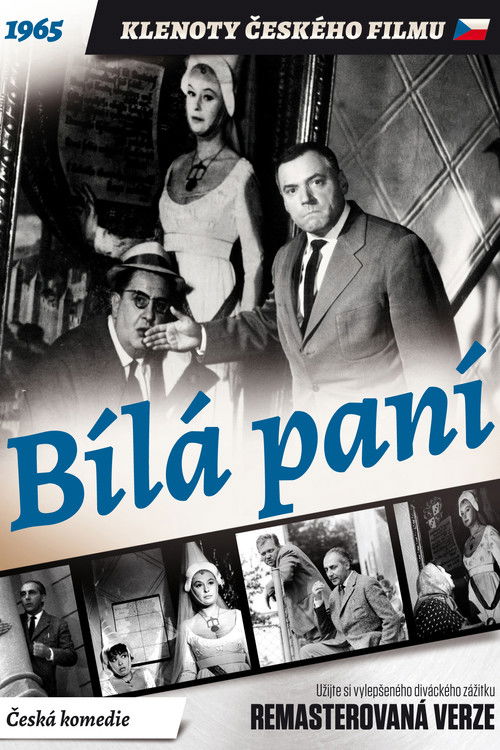
This castle has its own ghost - a mysterious White lady. She emerges from the painting on the wall when someone speaks out magic formula. White lady is good ghost, she can make someone's wishes true. Even if it is a new duct. But a miracle is not the thing that Communist leaders want in the town.
A teenage witch, frozen in time as a punishment for 300 years, finds herself in a modern world.
During the Thirty Years' War, ploughman Petr, recruiter Matěj and country girl Lenka are caught up in both sides of the war and experience many adventures before they find happiness.
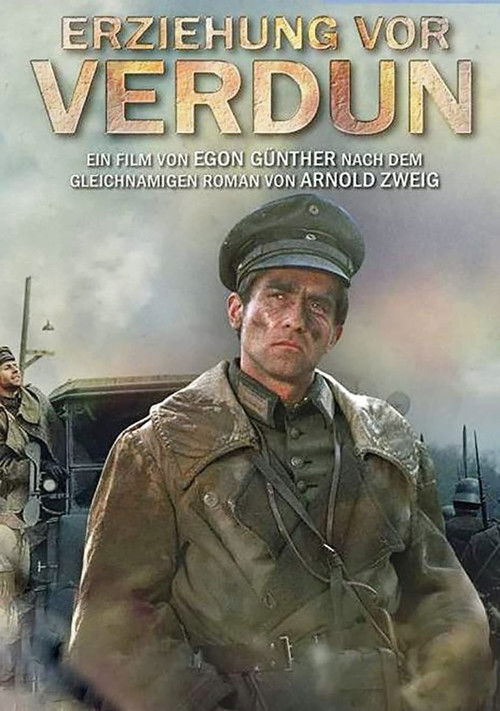
The armouring soldier and writer Werner Bertin is ordered to the Western Front to France during the First World War. The use before Verdun - with all the horrors of war in the period 1916/1917 - brings a fundamental change of consciousness for the academic from Berlin. The intellectual devoted to bravery by fate develops into a disappointed but rebellious being. He sees more and more the injustices of warlike conflicts and their social causes.
A comedy based on the novel of Jaroslav Hašek's The Good Soldier Svejk happens during the World War I. I Dutifully Report: In the introduction to the second part of the film adaptation of Hašek's novel The Good Soldier Švějk presents his main character Josef Švejk. With the distinctive traditional Czech cartoon character of a soldier Svejk, this time you meet on the way to the front and eventually right in the firing line. You can look at his famous train events, and also probably the most famous episode of the novel, Švejk's Budějovice anabasis. Don't miss the scene with the secretly bought cognac, the episode with Svejk as a fake Russian prisoner of war, including the court scene, and the scene in which lieutenant Dub is caught in a brothel. Despite the criticism, Steklý's adaptation is undoubtedly the most famous and memorable at present.
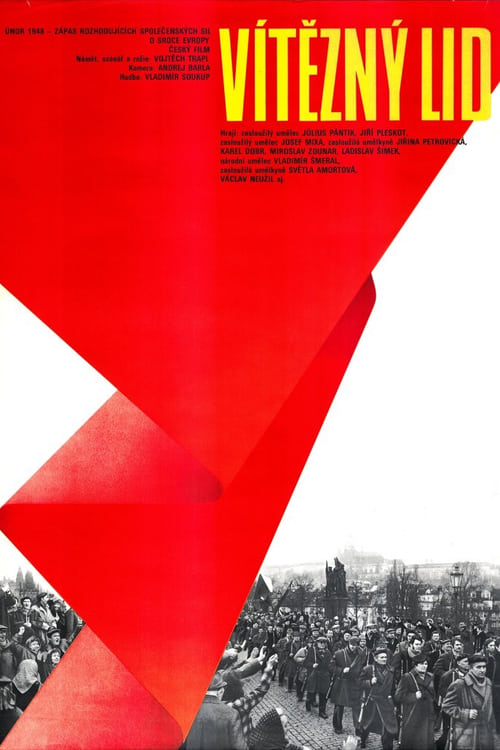
February 1948. The struggle of decisive social forces for the heart of Europe.
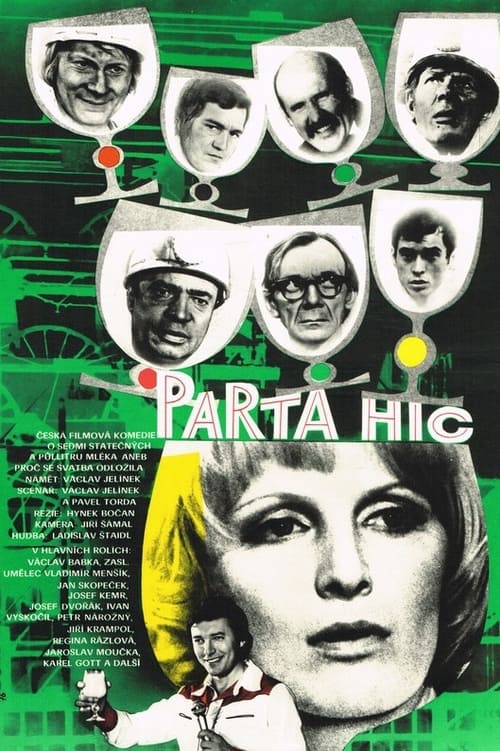
Energetic Dr. Alice Váňová becomes the pit doctor at Mír Mine and spearheads a silicosis prevention study requiring miners to drink milk regularly. The miners, led by a tight-knit group, stubbornly refuse public participation. Determined union chair Janeček resorts to psychological tactics and pressure campaigns to force their compliance, turning a health initiative into a tense battle of wills.