Acting
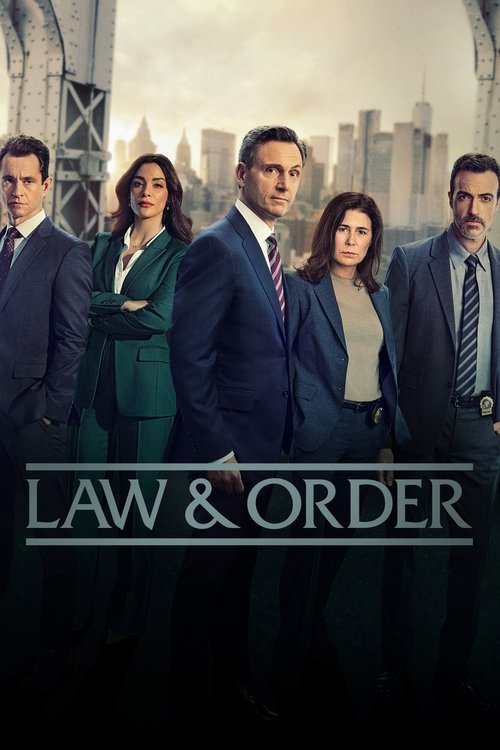
In cases ripped from the headlines, police investigate serious and often deadly crimes, weighing the evidence and questioning the suspects until someone is taken into custody. The district attorney's office then builds a case to convict the perpetrator by proving the person guilty beyond a reasonable doubt. Working together, these expert teams navigate all sides of the complex criminal justice system to make New York a safer place.
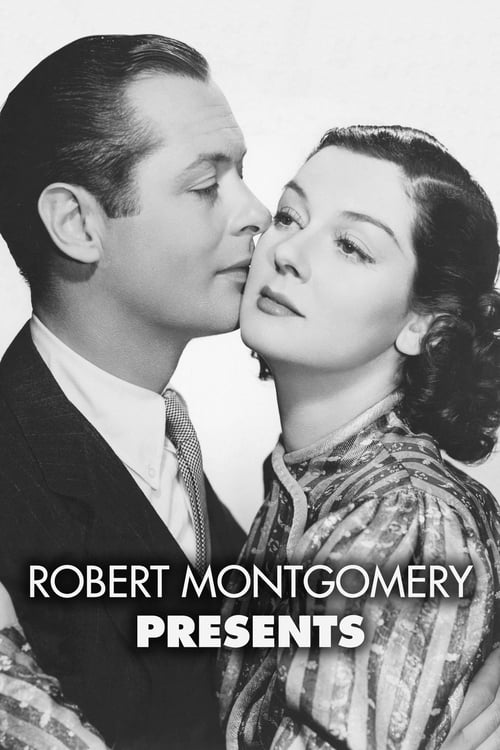
Robert Montgomery Presents is an American dramatic television series which was produced by NBC from January 30, 1950 until June 24, 1957. The live show had several sponsors during its seven-year run, and the title was altered to feature the sponsor, usually Lucky Strike cigarettes, for example, Robert Montgomery Presents Your Lucky Strike Theater, ....The Johnson's Wax Program, and so on.
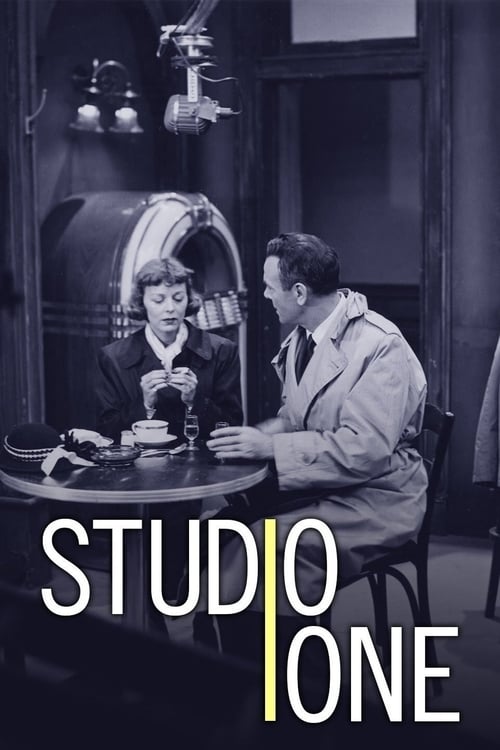
An American radio–television anthology series, created in 1947 by Canadian director Fletcher Markle, who came to CBS from the CBC. Studio One, presented by Westinghouse, was one of the first of the anthology TV programs. The episodes were often abridged remakes of movies from years gone by and many future well-known television and movie actors appeared in the productions.
Naked City is a police drama series which aired from 1958 to 1963 on the ABC television network. It was inspired by the 1948 motion picture of the same name, and mimics its dramatic “semi-documentary” format. In 1997, the episode “Sweet Prince of Delancey Street” was ranked #93 on TV Guide’s “100 Greatest Episodes of All Time”.
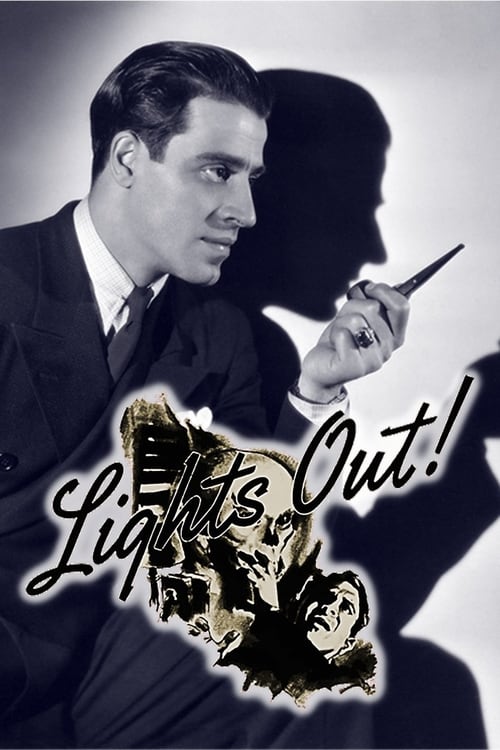
Lights Out was an extremely popular American old-time radio program, an early example of a network series devoted mostly to horror and the supernatural, predating Suspense and Inner Sanctum. Versions of Lights Out aired on different networks, at various times, from January 1934 to the summer of 1947 and the series eventually made the transition to television. In 1946, NBC Television brought Lights Out to TV in a series of four specials, broadcast live and produced by Fred Coe, who also contributed three of the scripts. NBC asked Cooper to write the script for the premiere, "First Person Singular", which is told entirely from the point of view of an unseen murderer who kills his obnoxious wife and winds up being executed. Variety gave this first episode a rave review ("undoubtedly one of the best dramatic shows yet seen on a television screen"), but Lights Out did not become a regular NBC-TV series until 1949.
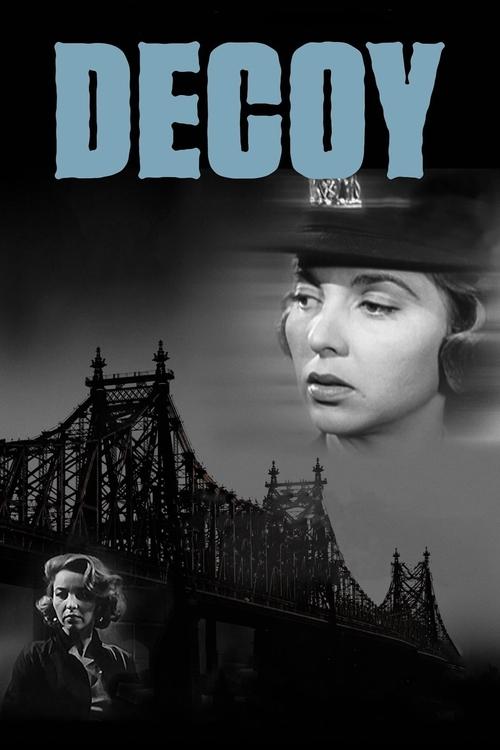
New York City policewoman Casey Jones' assignment to fight crime often entails her going undercover in some of the seediest and most dangerous parts of the city. Decoy is a groundbreaking American crime drama television series created for syndication and initially broadcast from October 14, 1957, to July 7, 1958, with thirty-nine 30-minute black-and-white episodes. It was the first American police series with a female protagonist. Many Decoy episodes are in the public domain.
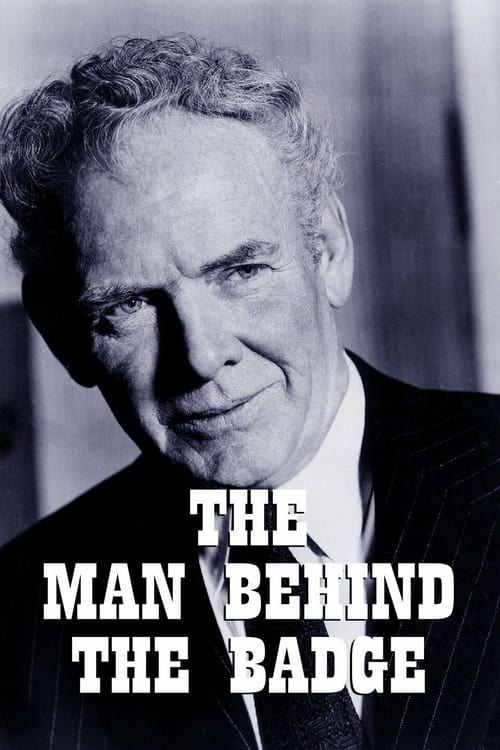
The Man Behind the Badge is the title of a half-hour American television police drama series which aired on the CBS from 1953-1955 starring and hosted by character actor Charles Bickford. Years later, Bickford appeared as one of the owners of Shiloh Ranch in the NBC western series, The Vrginian. In its first season, The Man Behind the Badge aired on Sundays at 9:30 p.m. EST opposite ABC's Jukebox Jury.
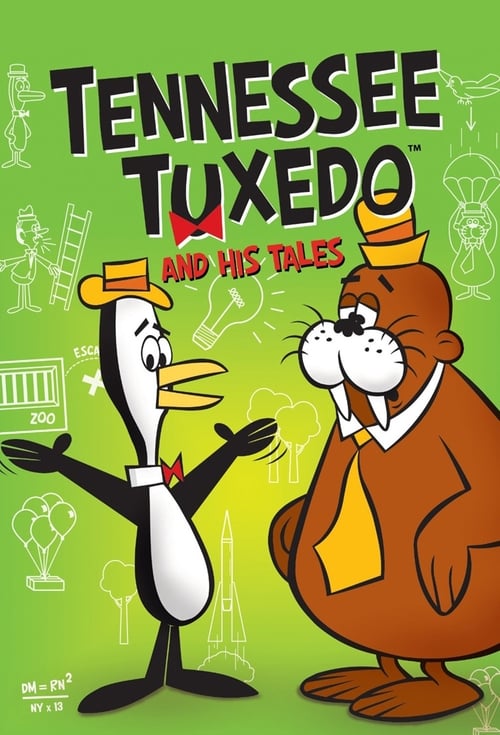
Tennessee Tuxedo and His Tales is a semi-educational animated cartoon TV series that originally aired on CBS from 1963 to 1966. It was produced by Total Television, the same company that produced the earlier King Leonardo and the later Underdog, and primarily sponsored by General Mills. The title is a play on “tuxedo and tails” formal wear.
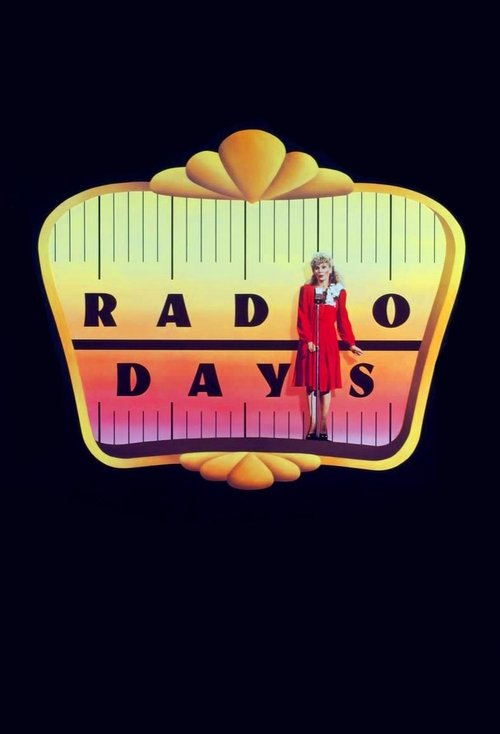
The Narrator tells us how the radio influenced his childhood in the days before TV. In the New York City of the late 1930s to the New Year's Eve 1944, this coming-of-age tale mixes the narrator's experiences with contemporary anecdotes and urban legends of the radio stars.
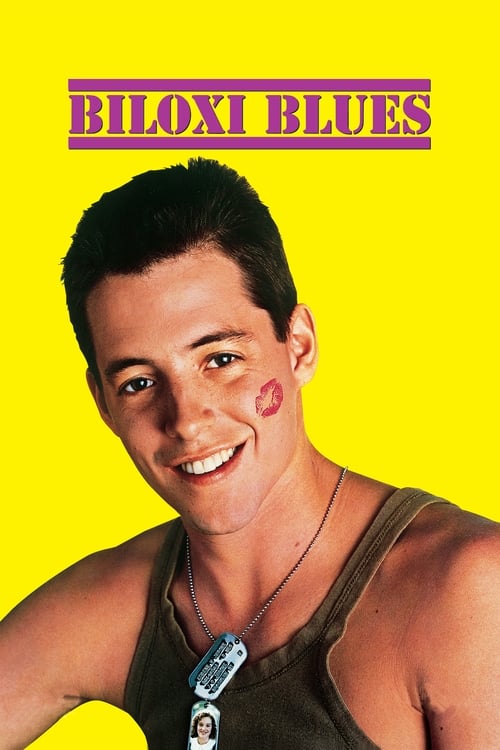
A Jewish teenager sets three goals: lose his virginity, become a writer, and survive World War II.
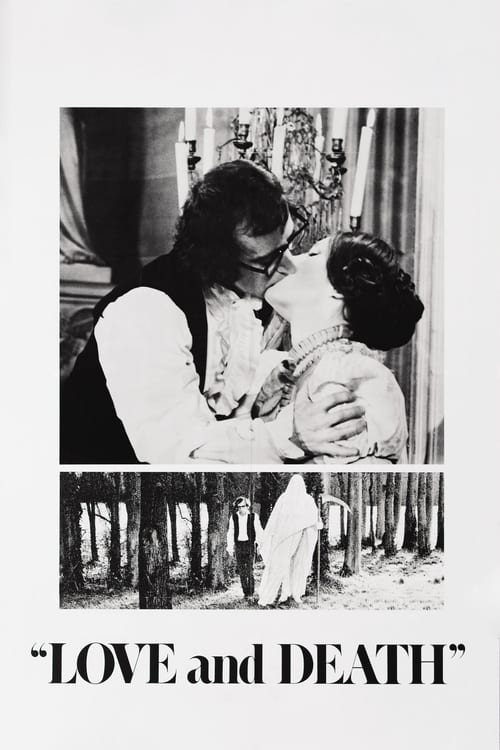
In czarist Russia, a neurotic soldier and his distant cousin formulate a plot to assassinate Napoleon.
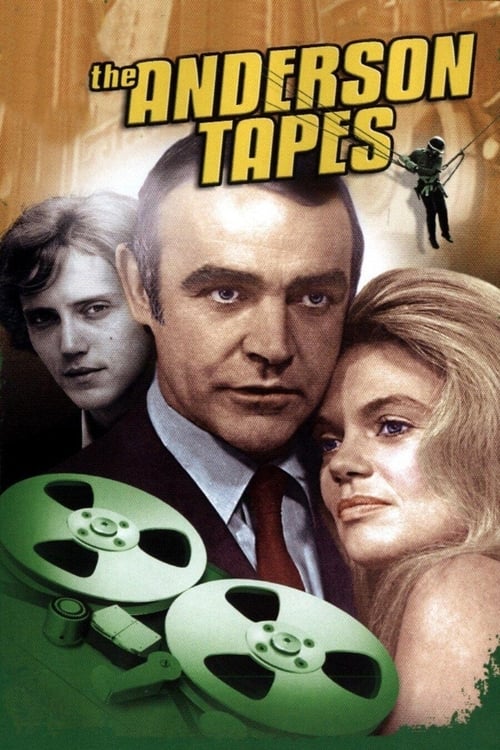
Thief Duke Anderson—just released from ten years in jail—takes up with his old girlfriend in her posh apartment block, and makes plans to rob the entire building. What he doesn't know is that his every move is being recorded on audio and video, although he is not the subject of any surveillance.
A cashier poses as a writer for blacklisted talents to submit their work through, but the injustice around him pushes him to take a stand.
Based on a popular radio series, each show tells a different reporter's Big Story, a true story selected from newspapers across the United States. Comments from the actual reporter open and close each show but the permanent narrator drives the plot line and a featured actor dramatizes the reporter's role.
The Nutcracker is Mikhail Baryshnikov's breathtaking and critically acclaimed Emmy-nominated production. This spectacular performance is danced by the magnificent team of Baryshnikov, one of the greatest classical dancers of the century, and Gelsey Kirkland, both showcased at the peak of their careers, with members of the American Ballet Theatre.
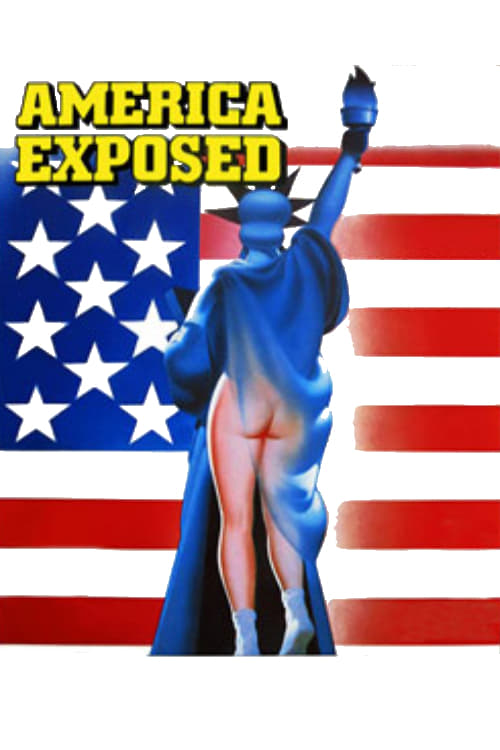
The father of American mondo cinema returns to his favorite genre for a final THIS IS America film! Pornstars entertaining war veterans at Vegas, gun conventions, war games and firepower shows, the cremation of Satan Claus, mating animals, sorority house atrocities, redneck fights, ninjitsu training, elderly citizens fighting muggers, drugs, sleazy entertainment, cops VS street gangs, limousine escort services, bank robberies, custom lethal weapons, sex in public, big city morgues, Nazi & white power organizations! This catalogue of sleaze should not be missed! See America EXPOSED in its totally uncensored form!
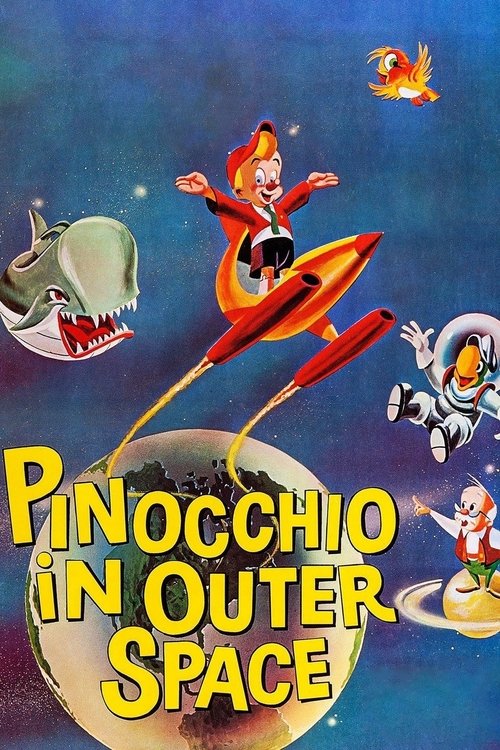
Pinocchio tries to save the Earth from Astro the Space Whale
The film discusses the evolution and potential of using light waves, particularly coherent light, for communication. It highlights the development of lasers at Bell Telephone Laboratories, explaining how they produce a highly controlled and intense beam of light that could revolutionize communication. The film emphasizes the vast possibilities of lasers, including applications in telecommunications, surgery, and exploring the universe, suggesting that this technology represents a significant step in humanity's understanding and use of light.
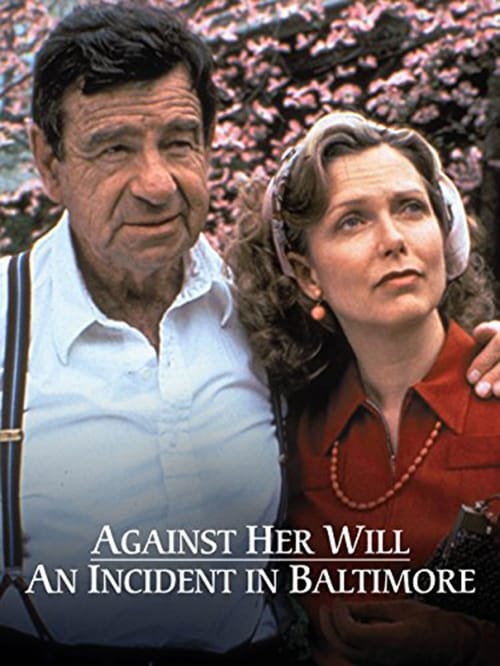
In the second dramatic case for lawyer Harmon Cobb, he defends an incarcerated woman who is wrongly imprisoned and refused release from a mental institution.
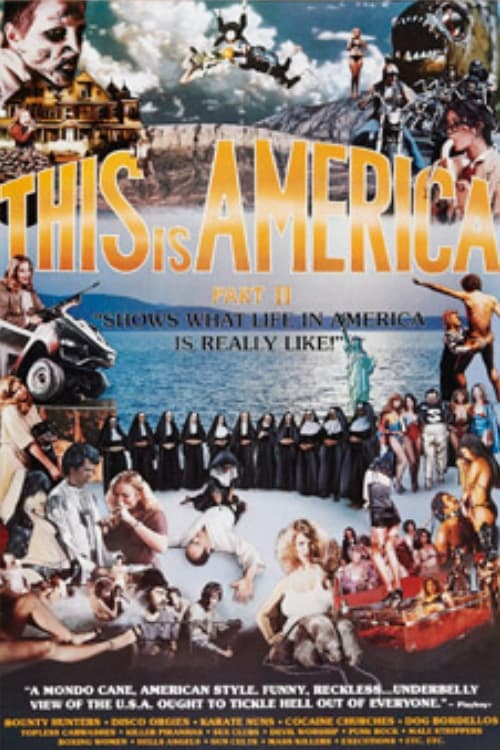
The sequel to This is America, aka Jabberwalk. This film goes inside the real America circa 1980 - a world of punks, orgies and worm-eating hicks! Romano Vanderbes back on the film making side and Norman Rose back on narrating duty for the second of the This Is America trilogy. Things kick off slightly louder this time with a performance by The Dictators doing a version of America the Beautiful while the titles role, then right into piece about punk star Jello Biafra of the Dead Kennedy's running for mayor of San Francisco. Then back into a more This Is America feeling segment about a crazy fat bloke called Captain Sticky. Among some of the other more interesting segments we get a look at underground vagrants, a piranha attack, martial arts nuns, a family of worm eaters, a drug abusing church and ends with a death row electrocution.