Pavel Háša
Directing
Known For

No description available.
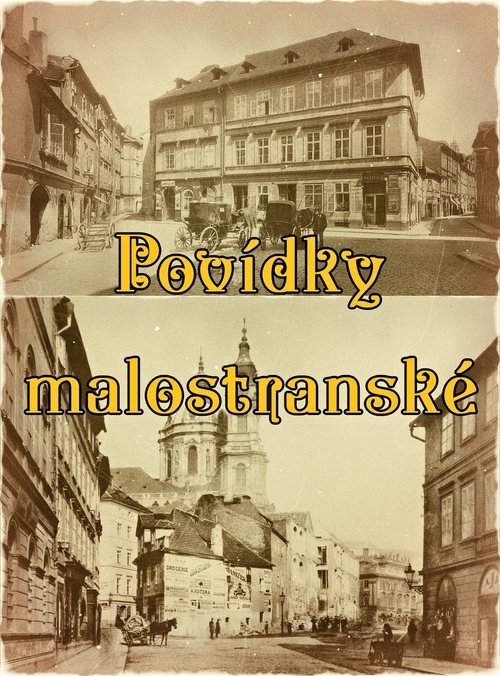
Povídky malostranské
No description available.
Návštěvní hodiny
Christmas is approaching and with it comes moments of surprising events and unexpected encounters. For example, such as those experienced by two inseparable friends and bachelors. Saša is looking forward to finally enjoying life and also really forces Karel to go to entertainment venues. But everything changes by chance, because when Karel moves, he discovers that his first love Eva, whom he once lost due to his indecision, lives on the floor above. The meeting on Christmas Eve turns out to be fateful...
O Vánocích už nechci slyšet ani slovo
No description available.
Pan Pickwick
No description available.
Muž v pozadí

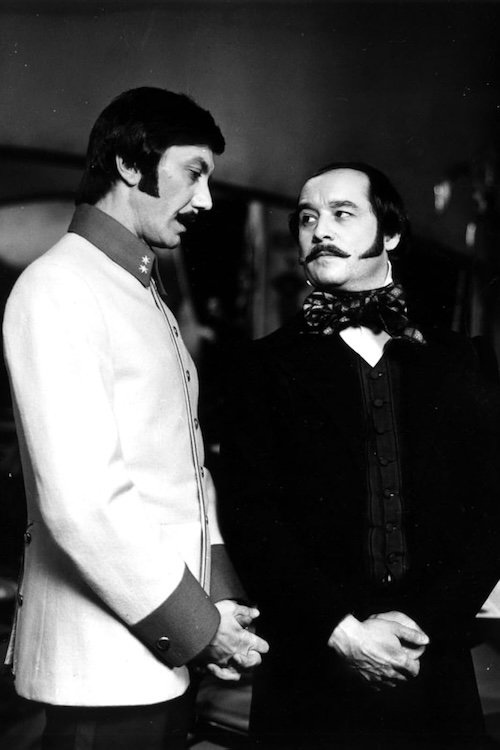
A television adaptation of Jan Neruda's short stories The Bachelor and Mr. Carpet's Marriage.
„Arabesky“
No description available.
Jak se zranit ve službě
No description available.
Šťastlivec Sulla
No description available.
Recepty doktora Kudrny
In 1976, the Czech New Wave philosopher and director Evald Schorm came to the Na zábradlí Theatre. He stayed there for twelve years, until his death. He raised a generation of actors who were aware of their own personalities. In The Brothers Karamazov, the then compact acting ensemble performed in full force on stage. Schorm created from ban to ban (Hamlet, Macbeth, The Brothers Karamazov, Marathon) and in front of Zábradlí, there were queues for tickets in double rows all the way to the Vltava embankment: when the subscription began, people slept outside from midnight until ten in the morning, when the box office opened, in sleeping bags, they brought fishing chairs to the theater. A ticket to Zábradlí was more valuable than Tuzex vouchers...
Bratři Karamazovi
No description available.
Mladí nastupují směnu
This dramatic story concerns the fateful night of March 14-15, 1939, when President Dr. Emil Hácha was forced to sign a document legalizing the establishment of the so-called Protectorate of Bohemia and Moravia. Screenwriter J. S. Kupka conceived this historical event as a human drama about a man who is faced with the decision of whether to comply with Nazi dictates or risk bloodshed.
Noc rozhodnutí
Gabriela Preissová wrote her two most famous dramas, Gazdina roba and Její pastorkyňa, when she was not yet thirty. Both were set to music and became famous. The first opera, entitled Eva, was written by J. B. Foerster, and the second by Leoš Janáček. The fame of Janáček's work greatly overshadowed the original. On the other hand, "Gazdina roba," the author's debut work, is still performed on Czech stages, regardless of the era. That is how powerful and impressive this drama is. The production by director Zdeněk Kaloč premiered at the Vinohrady Theater in May 1992. Dagmar Veškrnová endowed the title role of Eva the seamstress with warmth, temperament, pride, and tragic shadows.
Gazdina roba
No description available.
Problém
No description available.
Proč se vraždí starší dámy
Owners of all kinds of animals and birds, from puppies to sick calves and grasshoppers, come to the veterinary "hospital". They meet with the professionalism and helpfulness of the doctors and especially with the attending nurse Miluska, who finds a kind caress, a smile and help for every creature. She even gets the doctor to visit a sick grasshopper, which its rather stubborn owner left without treatment. There's a bit of loving reverie on Milushka's part, too, because she liked the young man who came with the mare. But it remained just a nice, if a bit silly dream, because the young man is married. But the daily reality overcomes that bit of sadness and Milushka remains faithful to her patients...
Miluška a její zvířátka
Life in a rural retirement home is peaceful, with long-standing friendships and rivalries. One day, the residents find a bedraggled, exhausted person lying at the door. The next day, however, the poor woman transforms into a charming lady who becomes the object of attention, especially among the male population. Her charm triggers a strange emotional epidemic in the home – people awaken from their slumber, becoming interested in the world around them, both near and far, and feeling a greater need for tolerance. This lyrical television play by director P. Háši and playwright F. Pavlíček, starring K. Fialová, tells of the remarkable influence of love on human life, even if it is already fulfilled and balanced. On life in the time of rowan berries.
Čas jeřabin

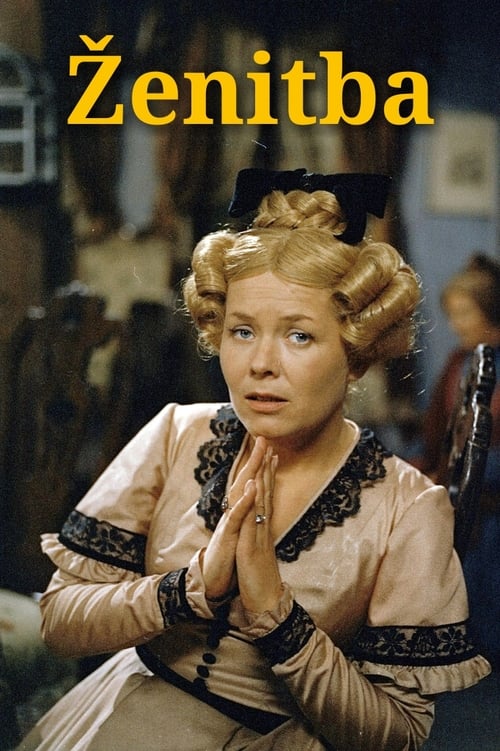
A television adaptation of the classic comedy by Ukrainian playwright N. V. Gogol.
Ženitba
Against the petty, which places its own glory above honest work and honest human relationships. Čapek's Foltýn is from the family of eternally recurring dramatic themes about the conflict between talent and untalent, soundness and dilettancy, vocation and parasitism, of all kinds.
Život a dílo skladatele Foltýna
No description available.