Acting
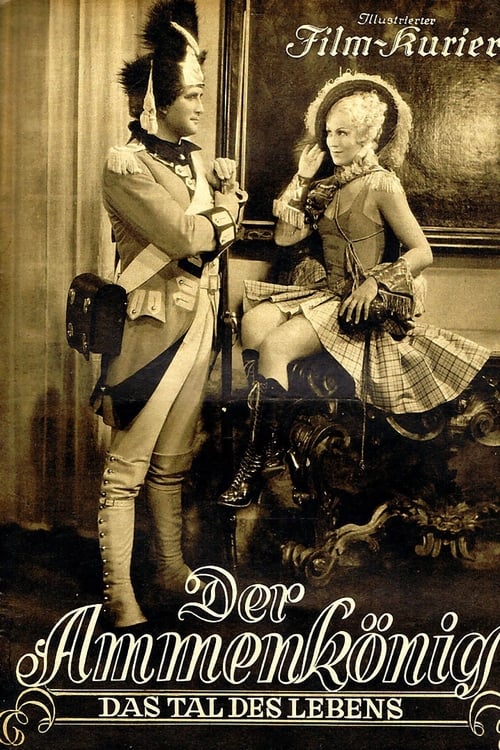
Rather coarse, pre-War comedy about a Markgraf -- Heinrich XXVI -- who bathes in the springs of the Ammendorf to strengthen his potency. The town and its springs are especially well known for the many couples with lots of children, who, for tax reasons, live there unmarried. The town smithy and bully provides his vitality to ensure the countess has an heir for the throne.
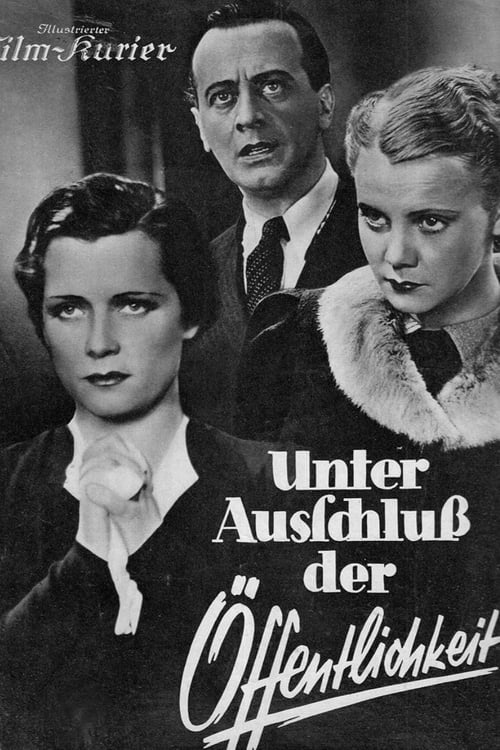
A small banking family is put to the test: Brigitte, the wife of the banker Sparrenberg, has a secret: she was once the lover of the fraudster Baron Gaffris, who once used her to get close to well-off businessmen. Now Gaffris is trying to use her to trick her husband. After a fight between Brigitte and Gaffris, Brigitte’s daughter Ina seeks out the baron in an attempt to help her mother. Afterwards, the baron’s suddenly found dead on the floor. Brigitte takes all the blame, goes to the cops and admits to having stabbed Gaffris.
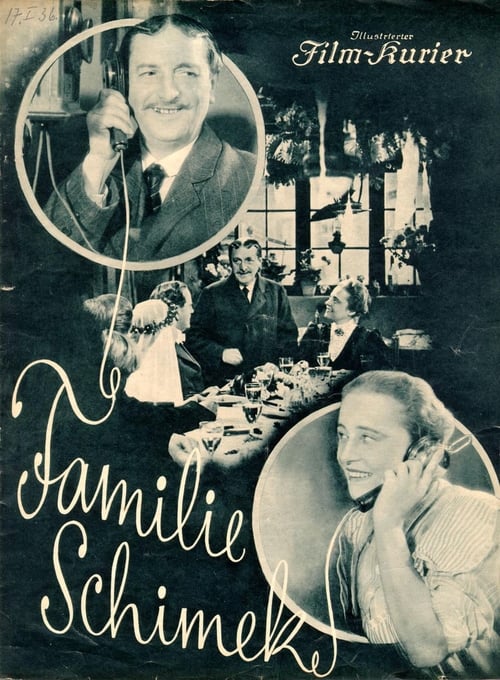
For three difficult orphans living by her aunt the former employee of the family searches a new premouth; he releases with it a result of tumultuous involvements. - Humble-entertaining mistake farce, completely fitted on Hans Moser.
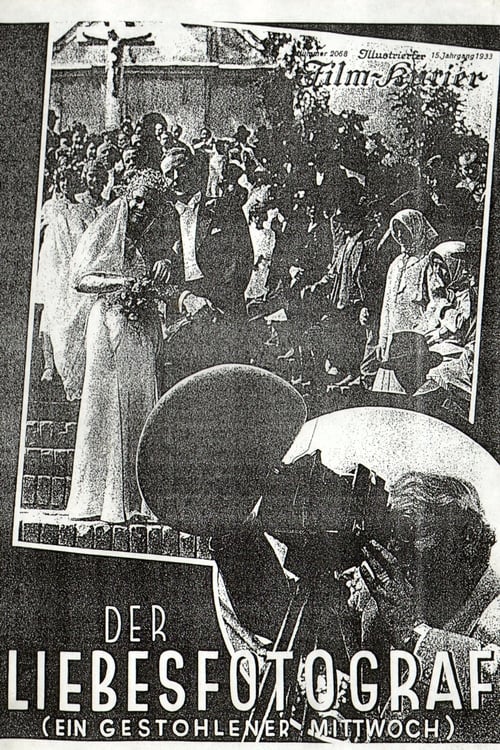
No description available.
The stand-alone opera singer Carmen Casini dare not admit to her adult son, the spoiled race car driver Cecil, that she ruined her voice on a stormy day at the racetrack and that her career is thus at an end. Meanwhile, Cecil has fallen in love with the pretty Colette … without suspecting that her father, the wealthy Bartell, was a former lover of his mother and that he’s Cecil’s daddy. Thus, both Carmen and Bartell try to prevent the unfolding love-relationship between brother and sister, because this ain’t the Ozarks, you know! Only after the unhappy Cecil tries to commit suicide after an argument with his mother do Carmen and Bartell realize they still love one another. Suicide attempt be damned; let’s go out on a date! A movie that screams “Fun for the whole family.”
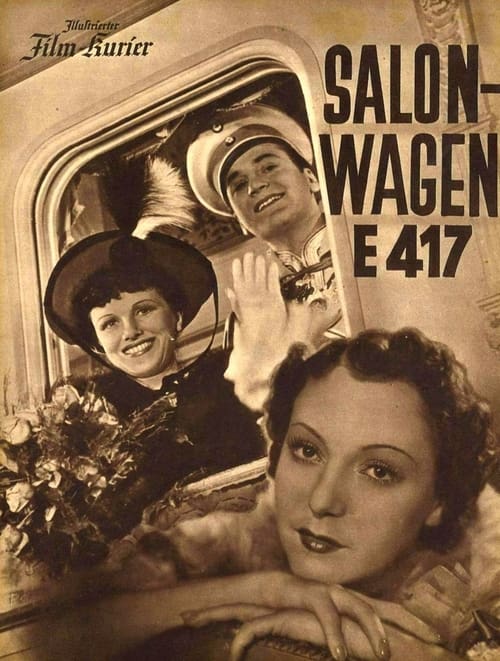
In a transport museum, the items on display begin to tell their stories. Most interesting is the history of the Pullman car. In the beginning, it served as transport for a princely family; then became the headquarters car for the military high command; and then, most adventurous of all, it ended up with a circus. Converted to a bar, it finally had its day and was supposed to serve as a placard carrier. Luckily, the museum saved it from this sad fate.
Monika (German: Eine Mutter kämpft um ihr Kind, lit. 'A Mother Fights for Her Child') is a 1938 German melodrama film directed and written by Heinz Helbig. The story centers on a singer who relinquishes her illegitimate daughter to a German engineer in São Paulo to pursue her career, only to return eight years later as a celebrated film star and wife of a prominent surgeon, demanding custody after encountering the child on a film set.
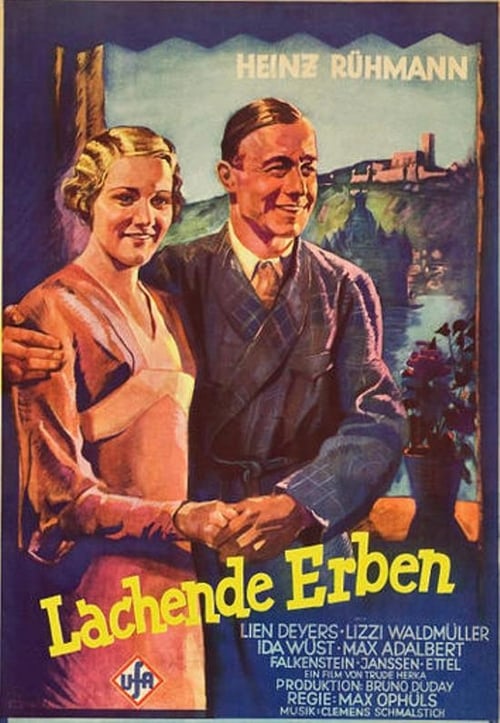
After the death of his uncle, the owner of the Rhine based Bockelmann Sparkling Wine, Peter turns up for the reading of the will. Justus Bockelmann, a producer of mineral water, is confident he will inherit the business, but ‘for reasons of moral rectitude’ he has no intention of running an ‘alcoholic business’. The opening of the will comes as a surprise to all the potential heirs.
Mysterious murders committed by a criminal have kept the public on their toes and the police have mistakenly accused an imposter of the crimes.
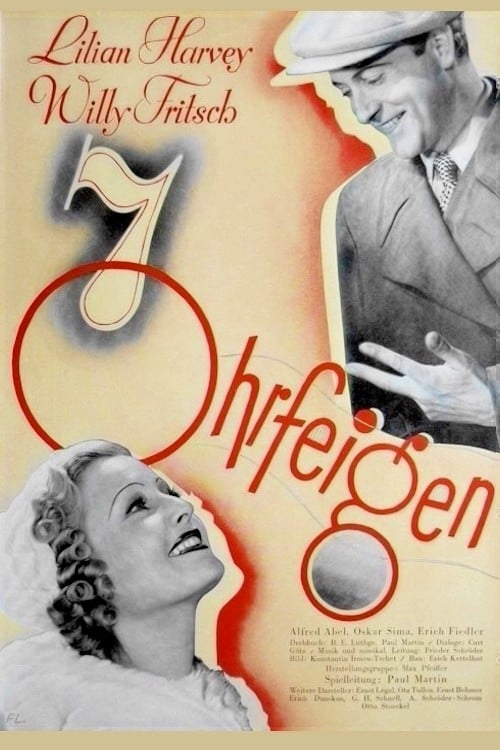
William MacPhab loses seven-pounds in the stock market and decides to slap the man who was responsible for the stock manipulation that caused him to lose his money. Astor Terbanks, the stock-market manipulator is surprised the next day when he gets soundly slapped by MacPhab, and the latter promises to deliver one more a day for the next six days. Terbank's daughter, Daisy, is amused by the procedure and is attracted to MacPhab.
Dietz' relatives are horrified to discover that Dietz, the son of a wealthy merchant, is planning to marry an actress, who is known to appear in rather daring roles. Dietz finds a way to escape from a gathering over coffee, during which he's supposed to be introduced to "decent ladies". After all, his great love is waiting for him somewhere else.
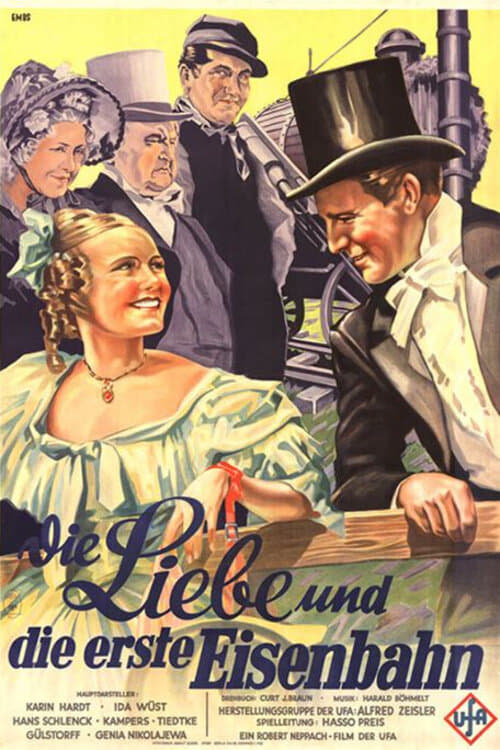
'Love and the First Railway' is what this movie's title would mean in English. This is one of those films that depicts fictional characters participating in an historic incident. The actual first railway was built in England, of course. But according to this movie, the first railway (in Germany, at least) was built from Berlin to Potsdam, in 1838. I haven't the faintest idea if that's correct, but the people who made this movie do seem to take a great deal of interest in historical accuracy, so I'll take their word for it. Anyway, a title at the beginning establishes that this movie is set in 1838.
a movie by Heinz Paul
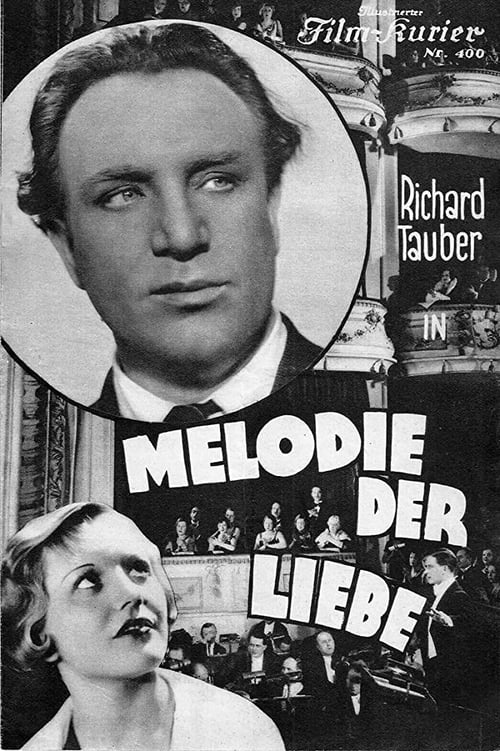
Herr Hoffmann is a famous widowed singer with a young daughter to raise, aided by his faithful manager. They meet a girl and Hoffmann falls for her, reluctant to believe that in fact she is in love with a musician.
Séraphine and her mother arrive in Paris to visit the 1867 World Exhibition. In an overcrowded city they must be accommodated in separate hotels. During the night the mother, who wasn't feeling very well, gets suddenly worse. When next morning Séraphine goes to meet her every trace of her presence has disappeared and everybody denies having ever met her. The bewildered young woman must find someone who believes her. Previous version of So Long at the Fair (1950).
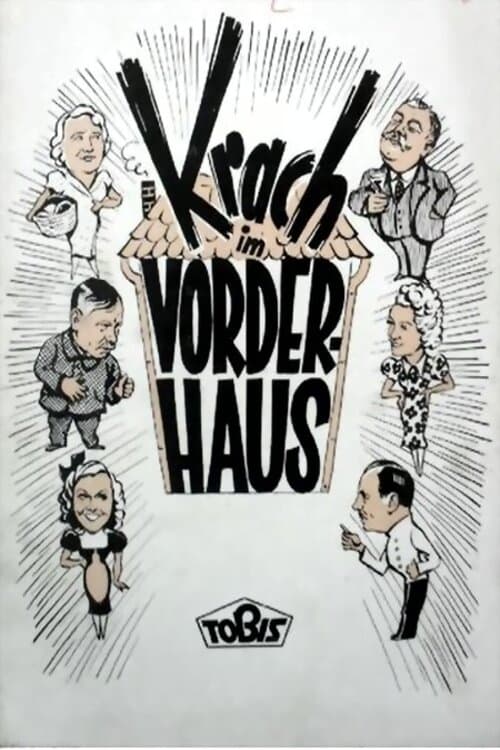
It can hardly be said that things are peaceful in the Berlin apartment building where the film's story takes place. There are constant clashes between the residents – and sometimes that's quite literal: for example, when the widow Bock hid some explosives among the bricks, which detonated when the building's thieving doorman lit them in his stove.
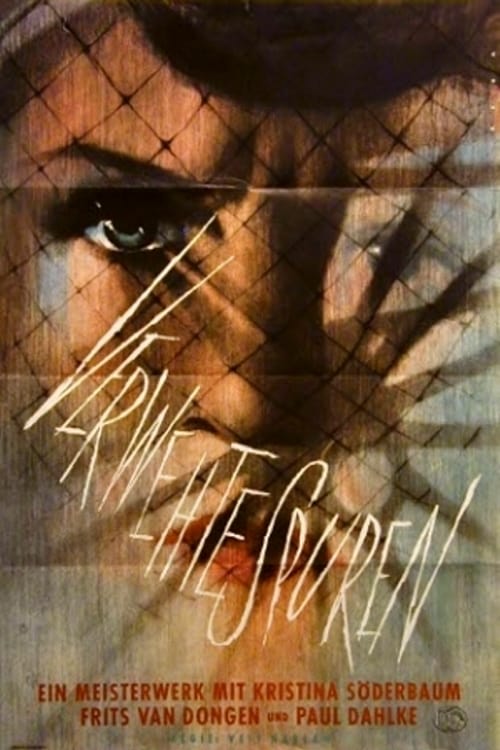
Four school chums who meet yearly are missing their friend, who was working in a Stockholm bank and supposedly killed himself. But was it murder, instead?
A retired rail official and his wife Amalie purchase a disused railroad wagon to convert it into a villa in the countryside. One day, Amalie discovers 25,000 Marks hidden behind a picture in the rail car. The money was put there by a Dutch couple, who tried to smuggle the money across the border during the train’s last journey. Sorely tempted to keep the money, Amalie turns it over to the authorities. The smugglers, who finally find the rail car after a long search, will be turned over to the cops, too.
The underage Rosemarie is still too young to run her inherited farm by herself; but she's more than aware that her foster father and the farm's administrator, the farmer Schlieker, is constantly skimming from the farm's finances to line his own pocket. To put an end to Schlieker's scheme, Rosemarie asks her godfather, Professor Kittgus, for help. But when Kittgus confronts Schlieker, the farmer not only proves to be unreasonable but also violent...