Acting
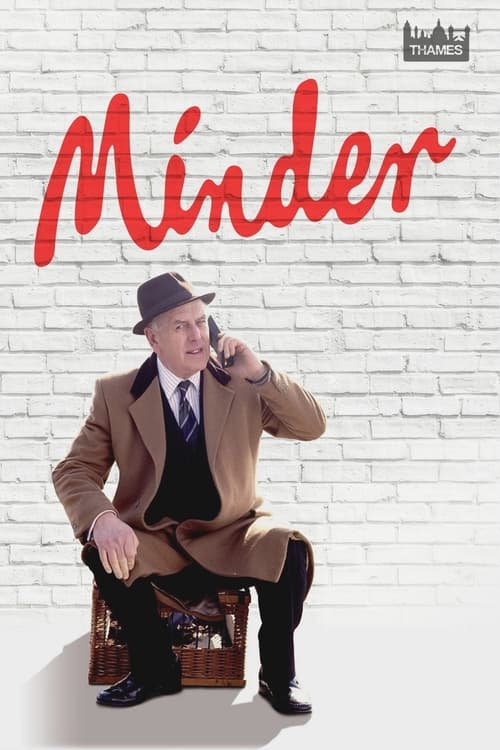
Roguish comedy drama following the misadventures of small-time crook Arthur Daley.
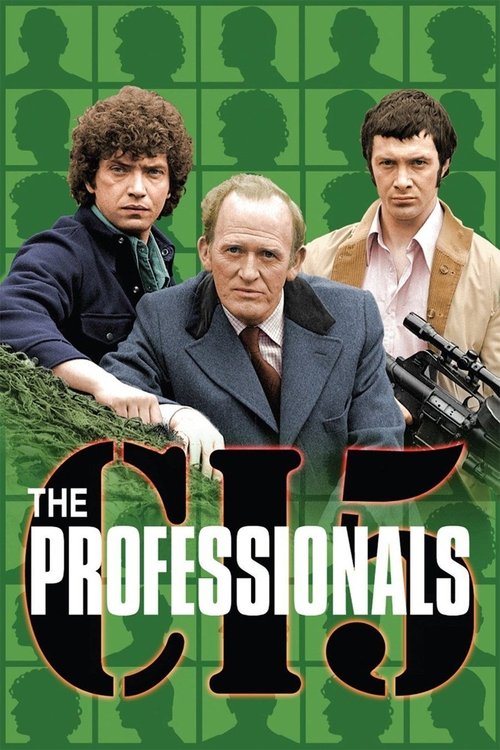
The lives of Bodie and Doyle, top agents for Britain's CI5 (Criminal Intelligence 5), and their controller, George Cowley. The mandate of CI5 was to fight terrorism and similar high-profile crimes. Cowley, a hard ex-MI5 operative, hand-picked each of his men. Bodie is a cynical ex-SAS paratrooper and mercenary whose nature ran to controlled violence, while his partner, Doyle, comes to CI5 from the regular police force, and is more of an open minded liberal. Their relationship is often contentious, but they are the top men in their field, and the ones to whom Cowley always assigned to the toughest cases.
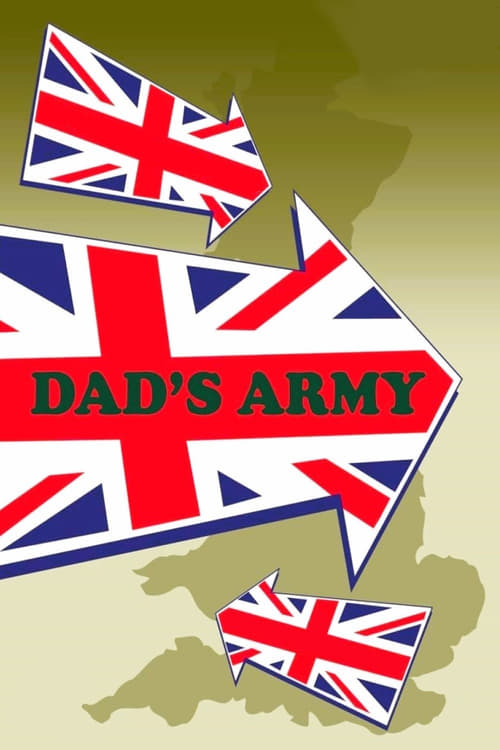
Introducing the Walmington-On-Sea home guard. During WW2, in a fictional British seaside town, a ragtag group of Home Guard local defense volunteers prepare for an imminent German invasion.
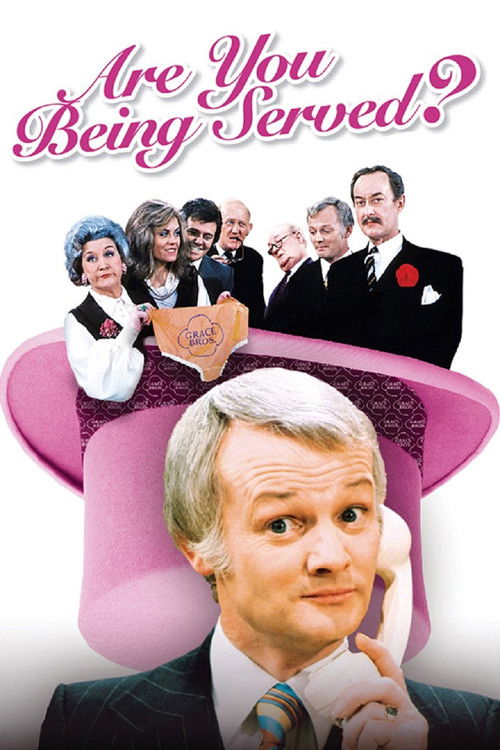
This comedy series, which follows the exploits of employees at London's fictional "Grace Brothers" department store, is full of sexual innuendo, slapstick, visual gags, and double entendres. Much of the show's humor parodies Britain's class system, and many of the show's characters are based on stereotypes of the period, including the effeminate Mr. Humphries and the rich, but stingy, store owner.
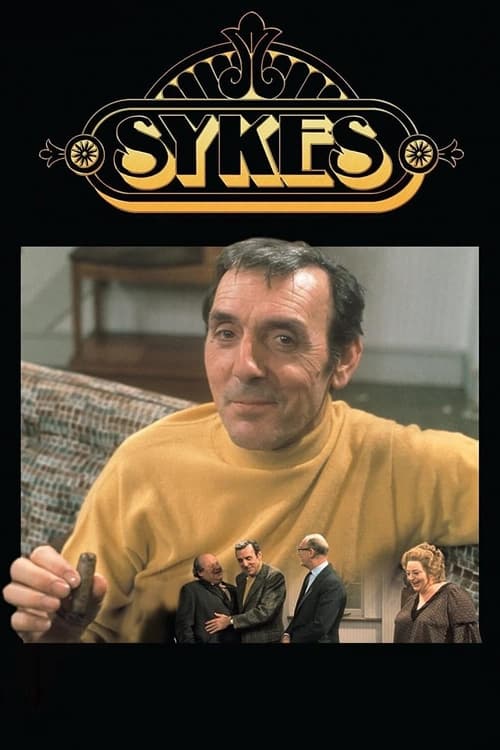
Classic sitcom starring Eric Sykes and Hattie Jacques as brother and sister twins who have to tackle the trials and tribulations of suburban life.
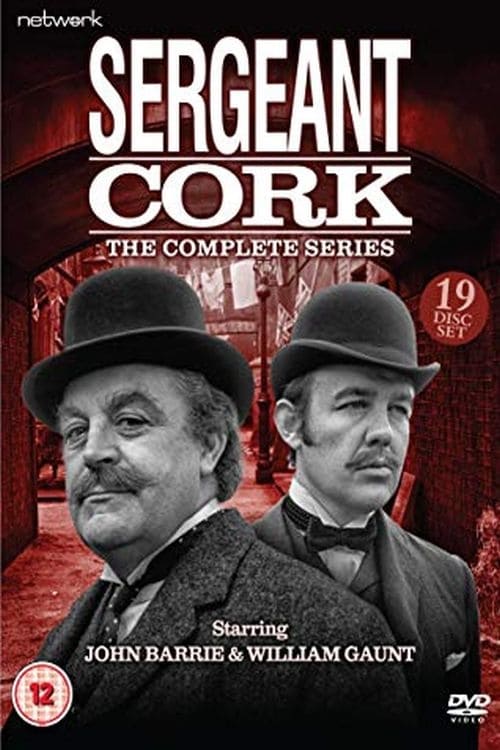
Sergeant Cork is a British detective television series which first aired between 1963 and 1968 on ITV. It was a police procedural show that followed the efforts of two police officers and their battle against crime in Victorian London. In all 66 hour-long episodes were aired during the five-year run, although the last episode was not broadcast until January 1968, 16 months after the others. Journalist Tom Sutcliffe has credited it as a first example of the use of the Victorian-era policeman in a television crime series. A 1969 review in The Age opined that rather than suspense, the strengths of the series were its "excellent period settings and wonderfully thick pea-soupers" which "add up to splendid evocative stuff", as well as the performance of star John Barrie. At no time during the whole series is Sergeant Cork's first name given.
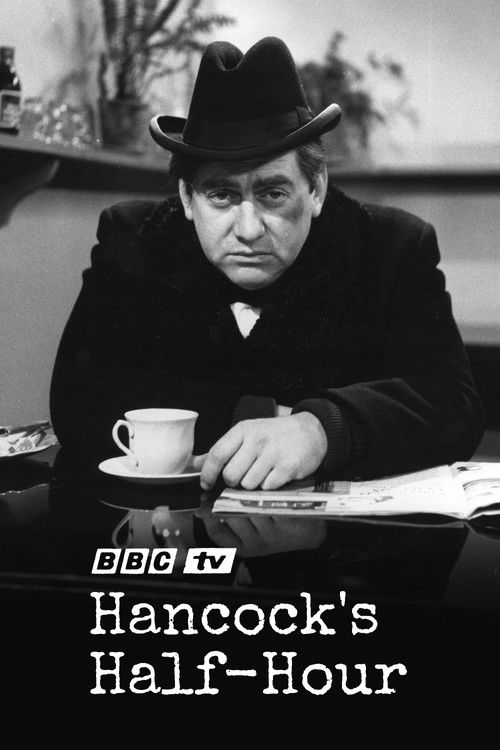
Hancock's Half Hour is a BBC television comedy series of the 1950s and 60s written by Ray Galton and Alan Simpson. The series starred Tony Hancock with Sid James. The final series, renamed simply Hancock, starred Hancock alone. Comedian Tony Hancock starred in the show, playing an exaggerated and much poorer version of his own character and lifestyle, Anthony Aloysius St John Hancock, a down-at-heel comedian living at the dilapidated 23 Railway Cuttings in East Cheam. The series was influential in the development of the situation comedy, with its move away from radio variety towards a focus on character development.
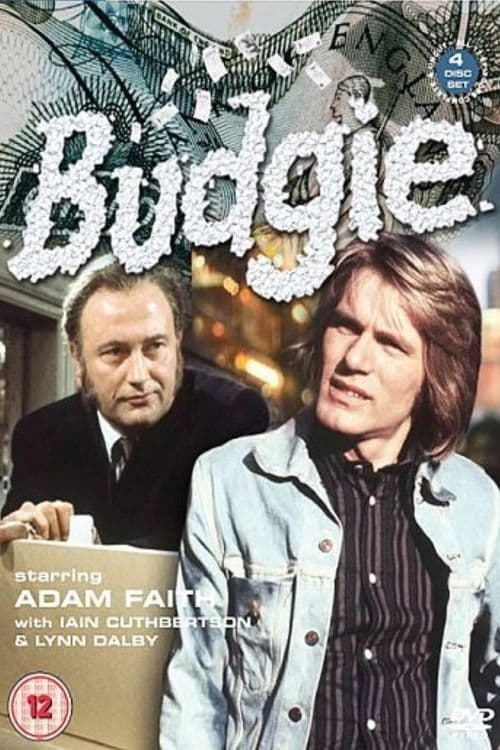
Budgie is a popular British television series starring former popstar Adam Faith which was produced by ITV company London Weekend Television and broadcast on the ITV network between 1971 and 1972. The series was created by Keith Waterhouse and Willis Hall . The show was produced by Verity Lambert, Rex Firkin was the Executive producer.
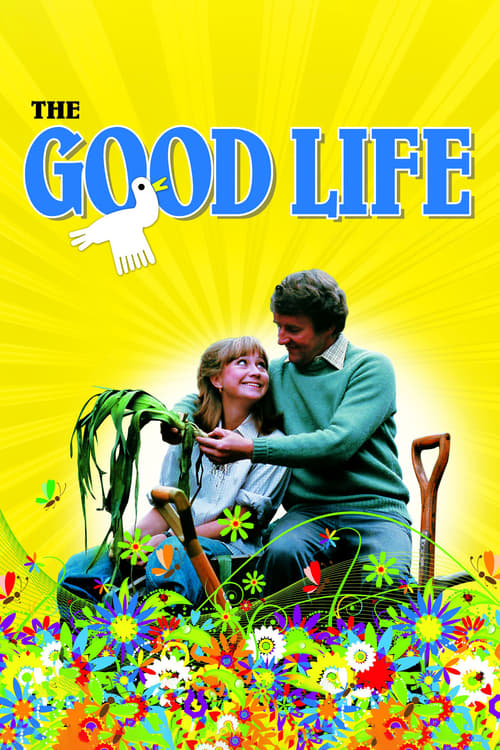
Tom and Barbara Good escape the rat race and pursue a self-sufficient lifestyle in Surbiton, much to the concern, frustration and sometimes envy of their neighbours Margo and Jerry Leadbetter. Entitled ‘Good Neighbors’ when shown in the USA.
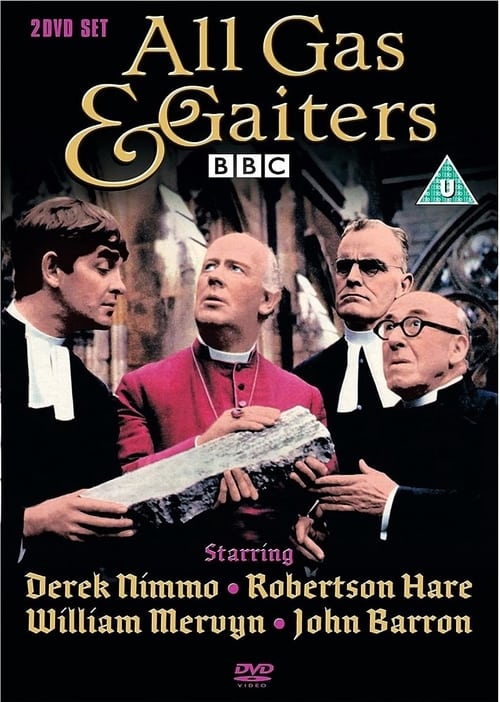
All Gas and Gaiters is a British television ecclesiastical sitcom which aired on BBC1 from 1966 to 1971. It was written by Pauline Devaney and Edwin Apps, a husband-and-wife team who used the pseudonym of "John Wraith" when writing the pilot. At St Oggs Cathedral is a carefree bishop, an old tippling archdeacon, and an accident-prone chaplain, who all wish to live a quiet bachelor life, but this is continually threatened by the dean, who tries to bring by-the-book rule to the cathedral.
Ruth Patchett has it all: a large, warty body, a standard suburban home, a couple of unruly children, a dog, a cat and a guinea pig. She also has Bobbo, her unfaithful accountant husband who resents her very existence. Bobbo wants, and is wanted by, romance novelist Mary Fisher, who lives in a lighthouse by the sea. When Bobo leaves Ruth for Mary, Ruth decides that Mary doesn't know the first thing about love, and she's gonna teach her.
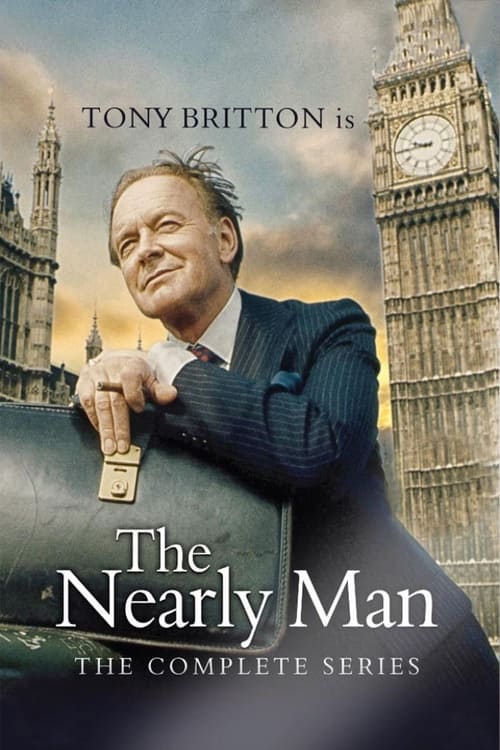
The Nearly Man was a UK TV series from the mid-1970s created by Arthur Hopcraft about a middle-class Labour MP. Originally screened on ITV on 4 August 1974, the series won the Broadcasting Press Guild award for the best single play on British television in 1974. The series was filmed in London by Granada Television, in black and white. Some episodes were directed by British director John Irvin. The main cast included Tony Britton as the lead character, Anne Firbank, John Leyton, and Ian McCulloch.
Comedy series set in Liverpool about an half-protestant/half-catholic family.
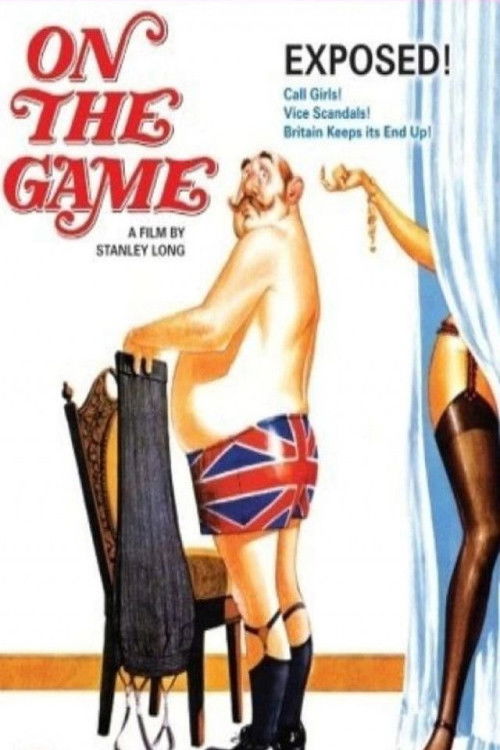
Comic look at the history of prostitution.
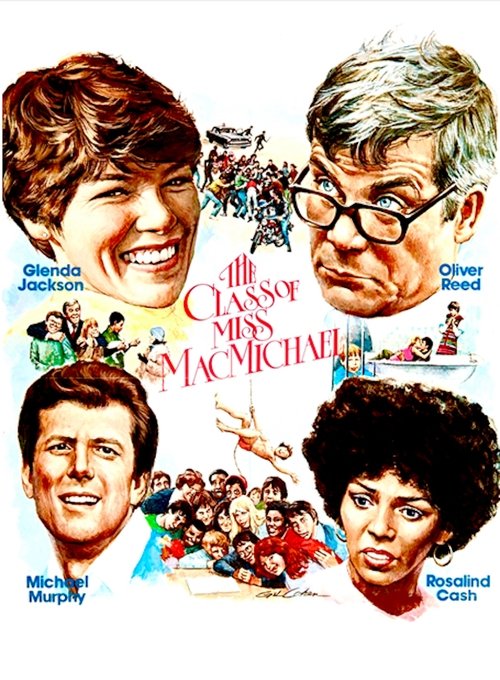
A dedicated teacher tries to reach out to juvenile delinquent students at a London alternative school.
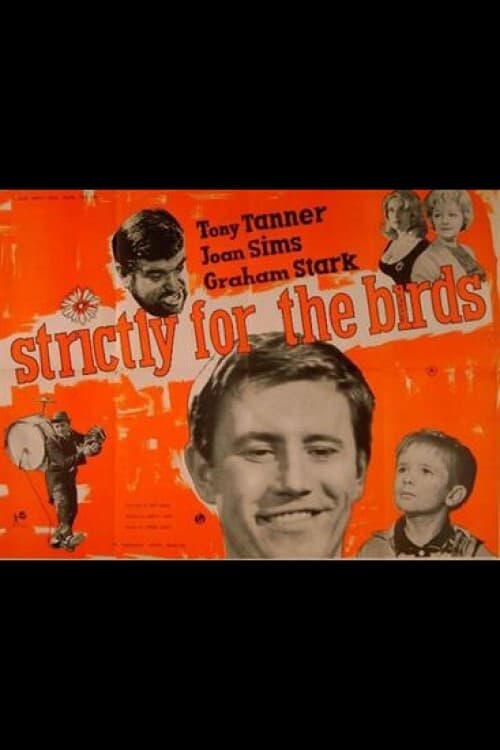
A gambler tries to strike it rich at the racetrack but gets taken by a gorgeous blonde who also happens to be a crook.
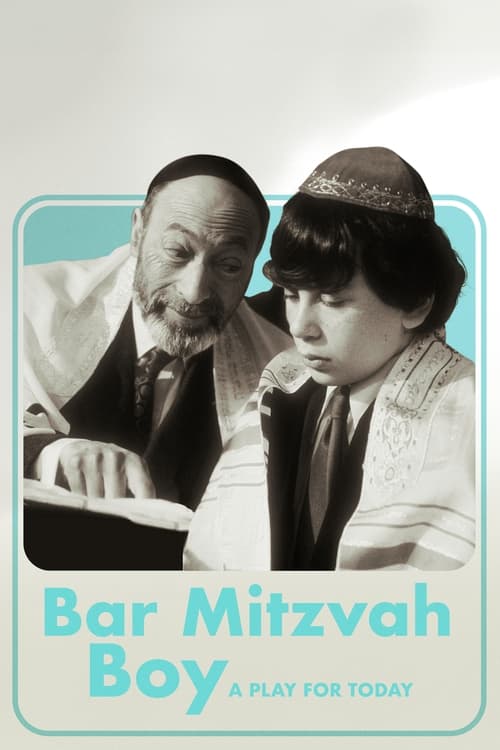
On the eve of his Bar Mitzvah, young Elliot finds that all the grown men in his life are somewhat wanting.