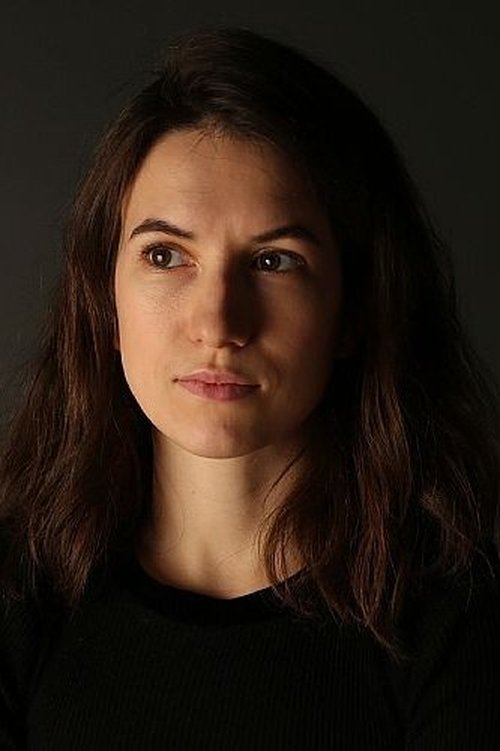
Irati Gorostidi Agirretxe
Directing
Biography
Irati Gorostidi Agirretxe (Eguesibar, 1988) is a Basque artist and filmmaker. She holds a degree in Fine Arts and a master's in Contemporary Film and Audiovisual Studies.
Known For

In the aftermath of the death of the filmmaker Chantal Akerman on October 5th, 2015 ten directors remember, rethink and reoccupy in their own way the imagination of the Belgian director. A small collective tribute from Barcelona and Iruña, made with love.
Chantal Akerman, un recuerdo
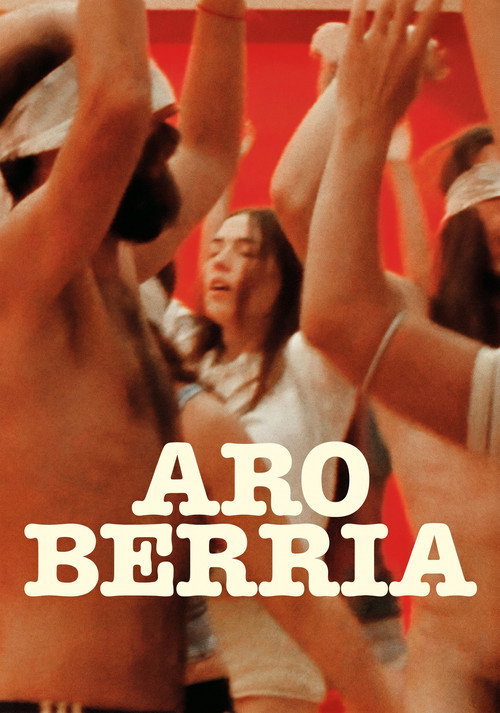
San Sebastian, 1978. The workers at the water meter factory hold an assembly to discuss a strike, which ultimately fails. Disappointed, the most non-conformist workers turn their aspirations for radical transformation towards more intimate spheres. Some leave the factory to join an isolated community in the mountains, where dozens of young people embarked on an intense journey of shared cathartic experiences.
Aro berria
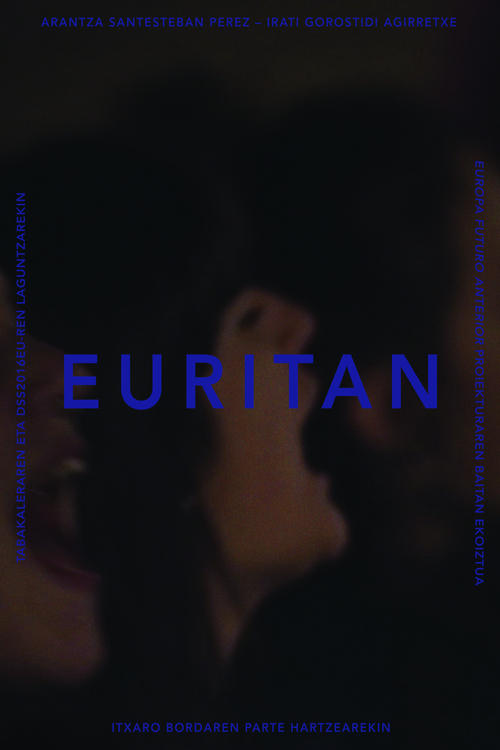
Euritan is a review of the narrative 'Klara eta biok', written by Itxaro Borda in 1985. Putting the author against the words of her past, it updates her view on the peripheral relationship around the Basque character.
In the Rain
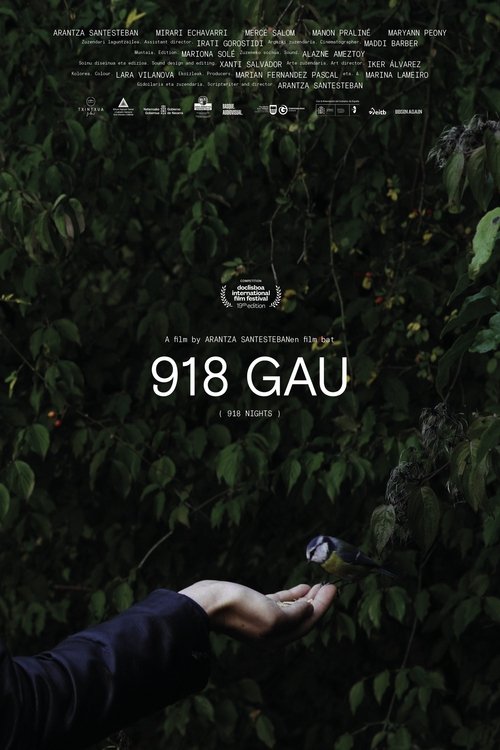
On October 4th, 2007 Arantza, the director of the film, was detained and taken to prison. She remembers a few things about those days: endlessly walking around the prison exercise yard, swimming competitions, Rasha's prison journey... After 918 nights locked up, Arantza is set free. From then onwards, she recorded her memories and doubts, which are heard throughout the documentary as a kind of fragmented memoir.
918 Nights

In her escape, M. takes refuge in an abandoned house. Amidst the echoing sounds resulting from her efforts to make herself comfortable, she hears some footsteps outside and decides to open the door. A fortuitous visitor, who will become her companion-in-shelter, steps into the house.
Unicorn

Almost two decades ago, the Itoiz dam flooded seven villages and three natural reserves on the Pyrenean hillside in Navarra. The ecologist group Solidari@s con Itoiz registered the fight against its construction. Today, those who were there dream of the land lying beneath the water on video. Their voices and gestures come together to tell the tale of an individual and collective mourning still suffered today.
Land Underwater
Created by 24 fabulous filmmakers and two talented sound artists in conjunction with the 2018 edition of Punto De Vista International Documentary Film Festival in Pamplona, Spain.
The Sound We See: A Pamplona City Symphony
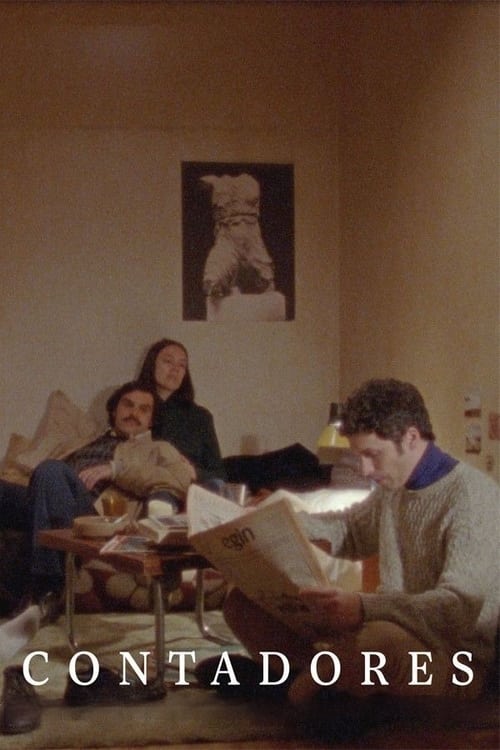
1978. While talks are going on for a new agreement in the metal industry, a group of libertarian militants encourage their fellow factory workers to defend their radical position. Meanwhile, they watch in dismay as the workers’ movement becomes fragmented.
Counters
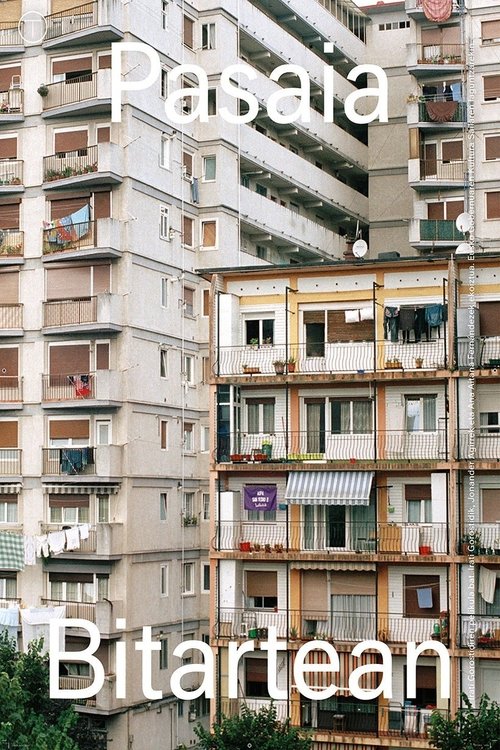
Pasaia is the bay where the main commercial port of Gipuzkoa is placed. The urban and industrial fabric grew and was structured around the productive activity of that harbor, which, ever since the industrial crisis keeps declining. Pasaia Bitartean has its starting point in the architectural project with the same name that Jonander Agirre Mikelez made during the year 2013. The idea of articulating this project as a film came up as a consequence of the search of other methodologies to think the city and its common spaces.
Pasaia Bitartean
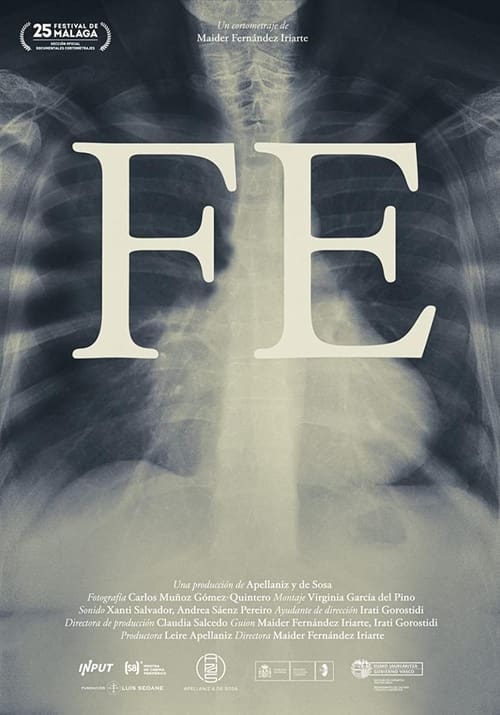
The Virgin appeared to Sofía. Then she travelled to Lourdes and was cured of something incurable. In another time and another place, a group of doctors meet to discuss her case. What happens when science and religion meet?
Faith

During the 1980s, a convent in Lizaso (Navarra) was home to the eccentric Arco Iris community. The building's nondescript walls were adorned with enormous floral motifs, and its rooms hosted large gatherings where people experimented with cathartic New Age practices. Today, the building is inhabited by cloistered monks, and traces of that episode are almost imperceptible. The authors of San Simón 62 visit the place, drawn by the testimonies of their mothers who, trying to shake off the aftermath of Franco's regime and face the personal and political challenges of this new era, passed through the Arco Iris community.
San Simón 62

The wolf no longer inhabits the land that once formed part of its territory, and only through its outlines can we get closer to it; remnants of wolf traps, predator urine imported from the US, a dung-hill used to feed scavenger birds and archers that shoot at replicas of animals. Reserve constructs a story about the fragile balance of a territory after the disappearance of the predator, where the complex co-existence between humans and non-humans presents a distinctly marked anthropogenic ecosystem.