Agustín Mendilaharzu
Acting
Known For
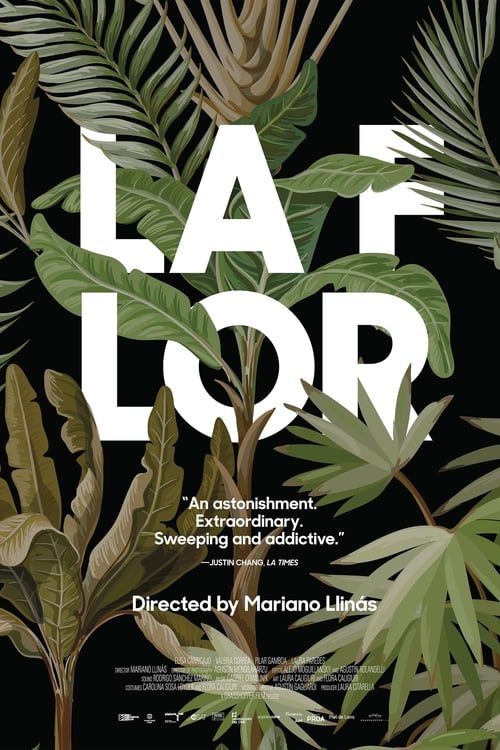
An enormous effort of narrative complexity made up of six independent, successive stories, connected by the same four actresses living very different experiences in very different universes…
La Flor

X arrives in a small town and witnesses a violent act; Z takes the job of a dead manager and discovers that he had a notebook written in code and a map; H is hired to go down a river and investigate a series of mysterious monoliths built on the shore.
Extraordinary Stories
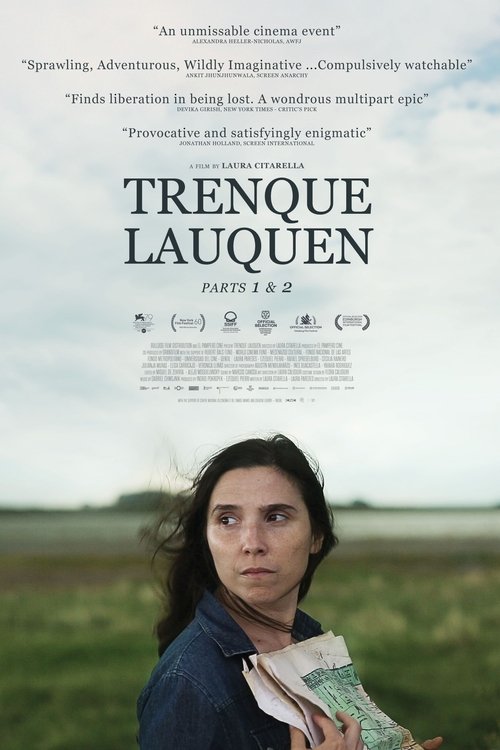
With the strange disappearance of Laura, two colleagues, her older boyfriend, Rafael, and Ezequiel, learn of their recent discoveries, which may help them locate her. However, the story is bigger and stranger than they could imagine.
Trenque Lauquen
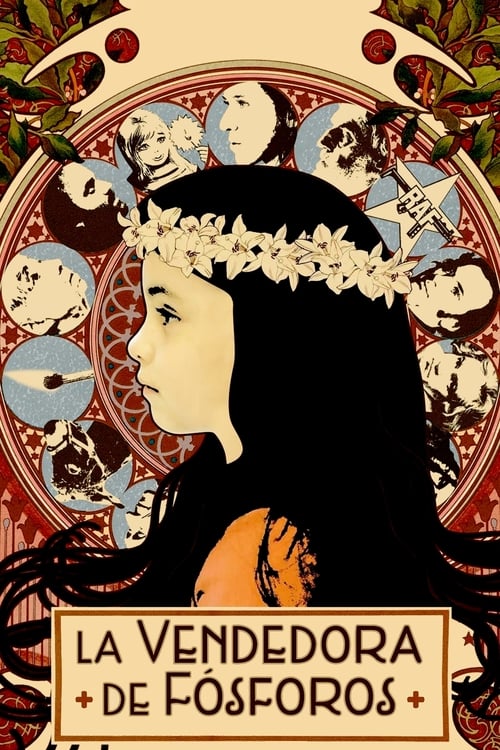
The sad story of Andersen's little match girl; the fate of Balthazar, Bresson's donkey; the impossible love affair between a militant of the Red Army Faction and an Argentinean pianist; the adventures in Buenos Aires of Helmut Lachenmann, who is trying to stage an insane opera; the problems of Marie, Walter and their daughter, who are trying to survive on very little money…
The Little Match Girl
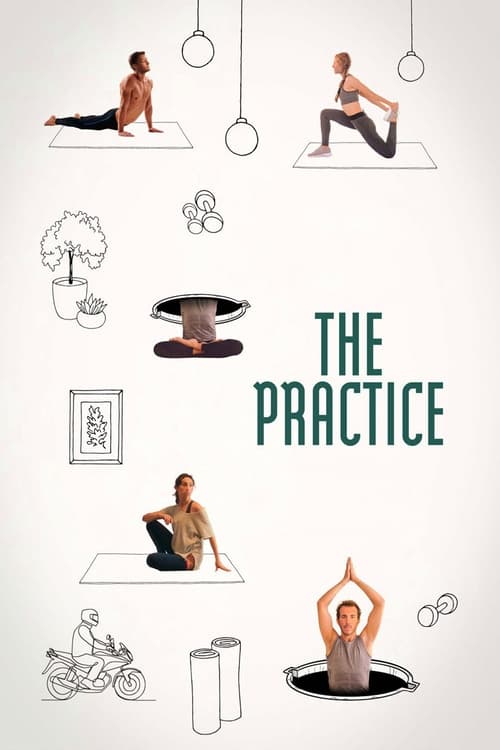
Dealing with a series of increasingly absurd situations and relationships, recently separated yoga instructors Gustavo and Vanesa are finding it difficult to live apart. Their challenges include meddling mothers, amnesiac students, and burgeoning romances. Step by step, they find their way back to the practice.
The Practice
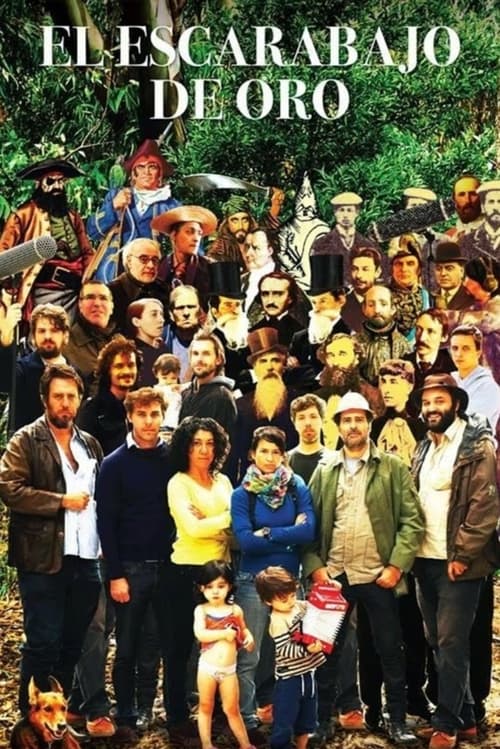
Feminism, Victoria Benedictsson, Leandro N. Alem, the Radical Party in Argentina, suicide, stunts, Edgar Allan Poe, the complicated relationship between low-budget films with a political aim and the film industry, Robert Louis Stevenson, fiction, facts, greed, gold treasures left by the Jesuits in Argentina, the 19th Century vs. the contemporary and the search for truth and wisdom are the background for this portrait of a clash between a Swedish artist and an Argentine film director.
The Gold Bug
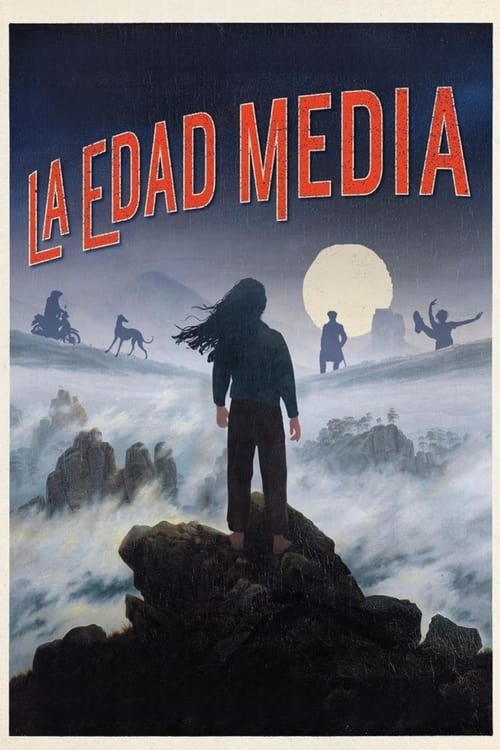
A comedy during confinement? Probably so. A portrait of a little girl and her family during confinement? Apparently so. An absurd, Beckettian musical shot during confinement? Exactly, yes.
The Middle Ages
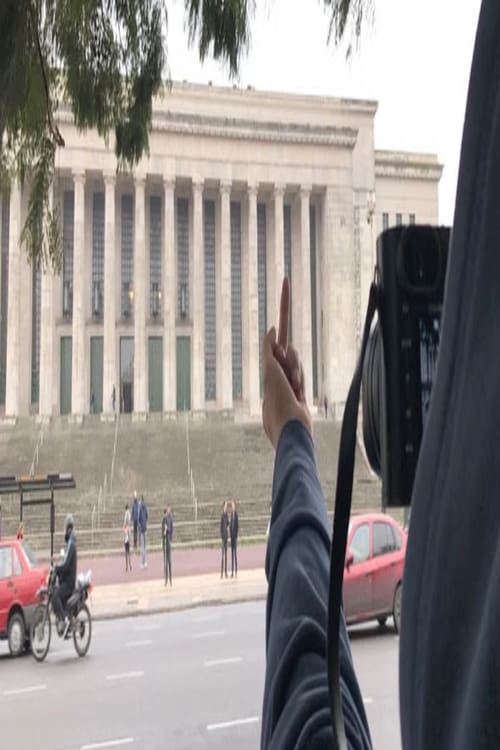
The documentary registers with detail this first visit to Argentina. It's a meditation on the artistic and conceptual processes that Ai Weiwei needs to think of his art. The images dialogue between the director and his instagram, revealing an intimate side, close to the people.
Ai Weiwei en Buenos Aires

Waiting alone for her boyfriend at a hotel, a woman starts paying attention to the mysterious behavior of some guests.
Ostende

Mariano, 16, inexplicably and without warning, shoots himself twice and improbably survives. Then, life goes on. His brother pursues a romance with a girl working at a fast-food joint, his mother takes off on a trip with a stranger, and Mariano recruits a woman to join his medieval wind ensemble.
Two Shots Fired

The story of a young couple, from beginning to end, from the euphoria of falling in love until the final days blurred and dark, is realized with an analytical eye and investigative zeal. How and why two people fall in love? What now? How quickly will they get into a relationship? When a relationship ends, and when should it end? Peter and Sofia, with its simple story of love, they become reflections of all those who, at twenty-five years have been in love.
Love (Part One)
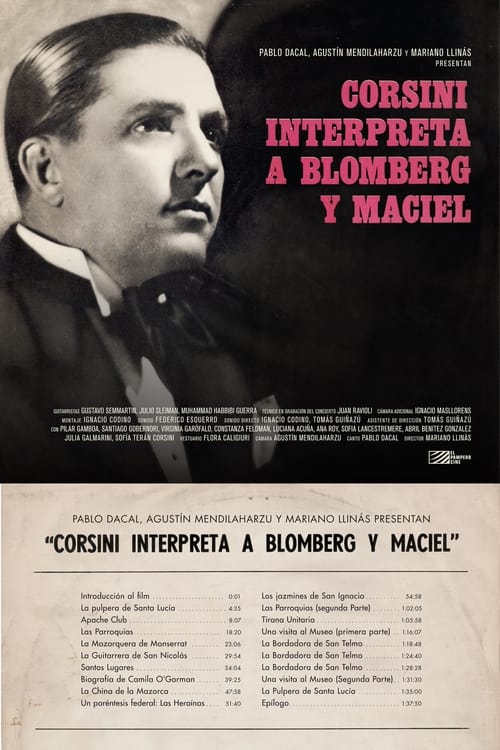
On 9 July – Argentina’s Independence Day – Llinás sets off in Buenos Aires with his regular cameraman Agustín Mendilaharzu to re-record ‘Corsini interpreta a Blomberg y Maciel’, an album made in 1929 by lyricist Hector Pedro Blomberg and composer Enrique Maciel, as an ode to Juan Manuel de Rosas, leader of the Argentine Confederation.
Corsini Sings Blomberg & Maciel
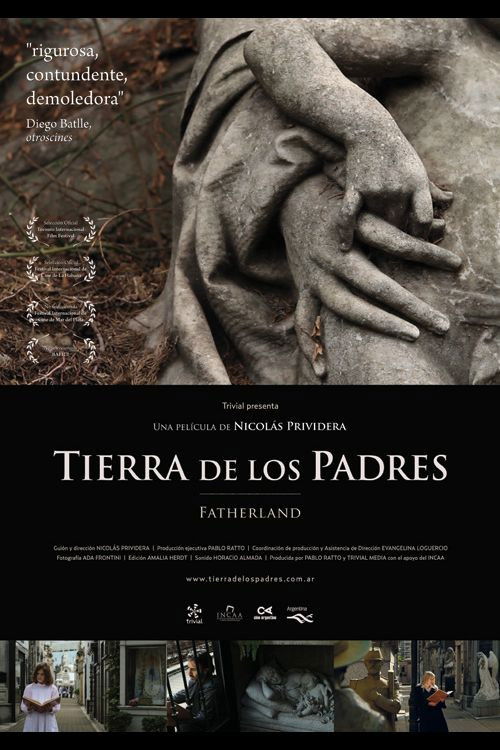
Fatherland brings a rigorous structural approach to a site of monuments that is also a place of movement, criss-crossed daily by tourists and locals. The grounds are laid out like city blocks, with wide avenues branching onto laneways filled with elaborate mausoleums. The film does not attempt to tour the cemetery as one would on foot, however, but rather moves chronologically through the history enshrined there. A series of individuals are framed in static compositions as they read aloud excerpts from the writings of noteworthy Argentines interred within. (Some license has been taken, as the final resting places of certain figures represented - such as journalist Rodolfo Walsh, who was among the "disappeared" - remain unknown. The result is both poetic and political.) Beginning in the early 1800s, this history comprises civil war, battles with the country's native population, the conflict between the city and the provinces, and years of military dictatorship.
Fatherland
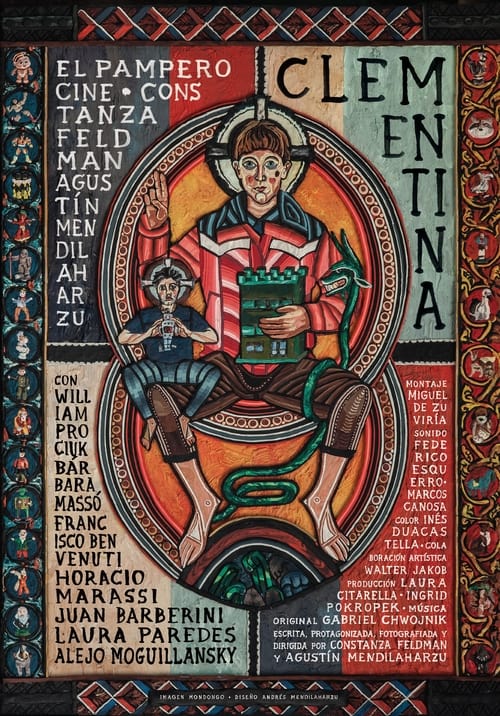
Everyone is locked up, but Clementina and the man she's quarantined with won't stop working. We know little about him, and even less about her: we just see over and over again her mysterious face, which seems to defy everything.
Clementina
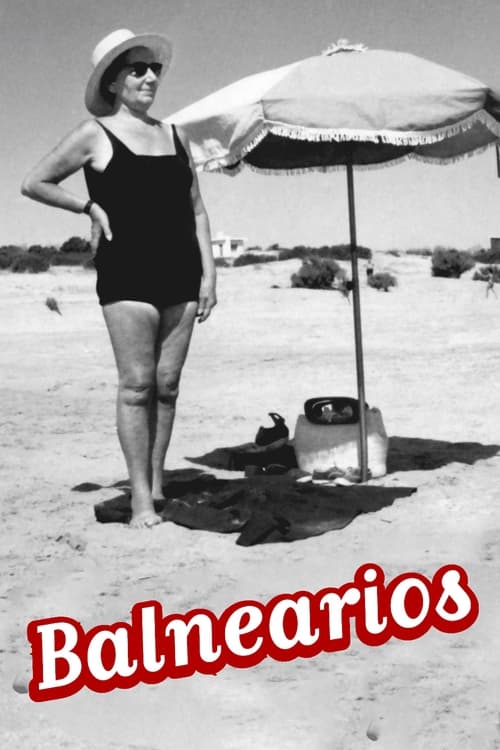
An album of odd and humorous stories on small places exclusively dedicated to idleness, which are empty in winter and crowded in summer: the spa towns. Cities under water, luxury hotels, mermaids, sea animals, sand castles, people who worship water, praying for health.
Balnearios

Nothing went as planned: what seemed to be an original idea (taking an international fashion event to a small town in the Argentine Pampas) ended up as a mysterious affair, with a mannequin who seems to have vanished, and who insists on leaving small clues scattered across the immense plains. But nothing seems to be too strange for Commissioner Sirota and her particular method which, this time, includes a clairvoyant, a legendary detective arriving from Santa Rosa and some picturesque “peritas” who choose to work at night, swinging to the rhythm of Ska. In the middle, a disturbing question: Is it a police case they are dealing with, or is someone taking them (the police, the whole town, the Italians – all of us, perhaps) for a fool?
The Miu Miu Affaire

In 1969 Argentine filmmaker Hugo Santiago directed Invasión, his opera prima, written by Jorge Luis Borges and Adolfo Bioy Casares, and later settled in France. This film documents his return to Buenos Aires in 2013 to shoot his latest film, Le ciel du centaure.
Santiago's Theorem
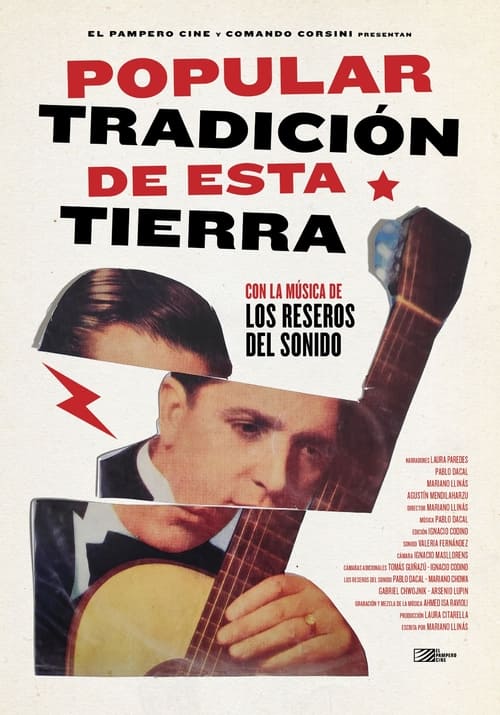
The second installment of the adventures of the Corsini Commando takes us this time to the Pampas plain, where Corsini grew up and forged a vision of the world that would accompany him throughout his life. The result of this excursion is an erratic wandering through the landscapes of the Homeland, its paradoxes and its ghosts: A land dreamed of by a newly arrived foreigner who imagined for himself a gaucho destiny that would never become completely real. Now then: is that not, in the end, the destiny of all things?
Popular tradición de esta tierra
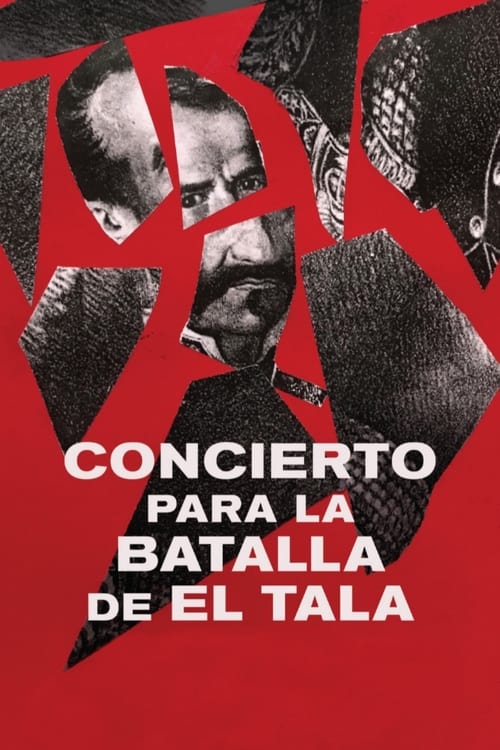
This is a film with music. Or about the music and texts that accompany, in a poetic way, a decisive battle between Unitarian and Federalists. The vicissitudes of the birth of a nation based on the play written by Mariano Llinás and Gabriel Chwojnik, whose images achieve some hypnotic strength.
Concert for the Battle of El Tala
The theatre as a courtroom, the courtroom as a theatre. Alejo Moguillansky’s film draws loosely on Raúl Quirós Molina’s El pan y la sal (The Bread and the Salt), a 2015 verbatim theatre piece compiled from the testimonies provided during the 2012 trial of Judge Baltasar Garzon, for investigating the forced disappearances of the Spanish Civil War and the Franco regime. Juxtaposing the testimonies of the relatives of those who lost loved ones with references to Argentina’s and Chile’s recent dictatorships, this film explores issues around international law and forced disappearance - tracing a line between Francisco Franco, Augusto Pinochet and Jorge Videla’s Military Junta: Garzón has investigated Argentine torturers and criminal perpetrators and had Pinochet arrested in London in 1998 for crimes against humanity.