Acting
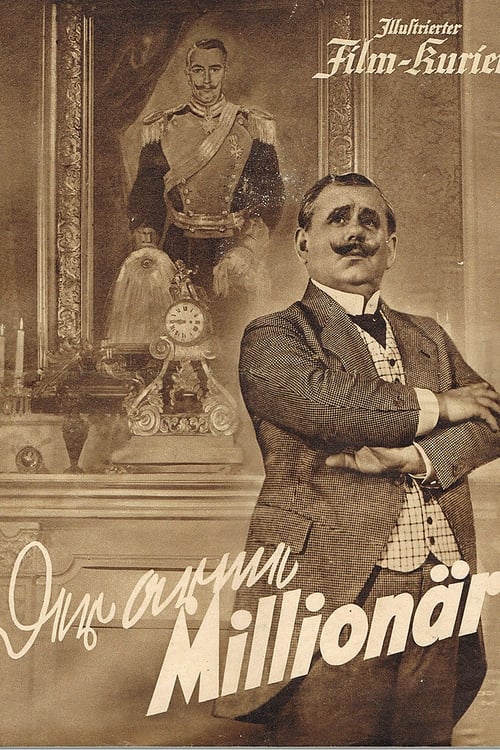
A shoemaker has delusions of grandeur when he inherits from a baron whose life he saved.He prevents his daughter from seeing a mere carpenter, abandons humble old friends, and shows poor judgment by falling for a couple of poseurs.
No description available.
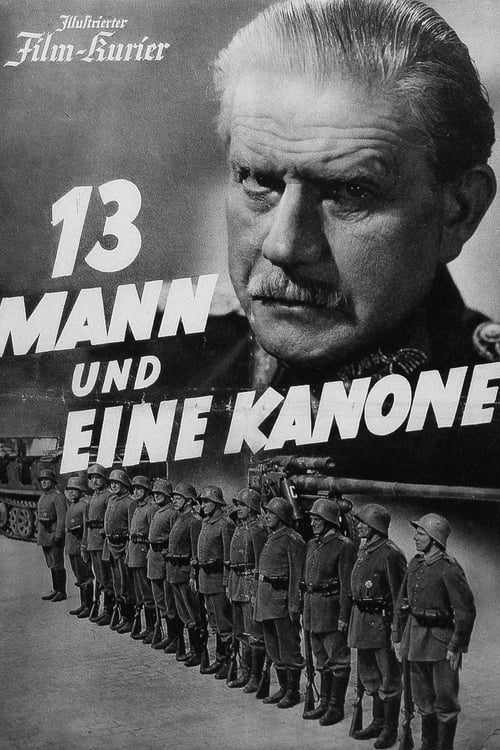
World War I, Eastern Front. A special battery consisting of thirteen soldiers and one cannon successfully holds back the enemy. But then the position of the gun is betrayed to the Russians and the cannon is destroyed. Each of the thirteen men is now suspected of being the traitor.
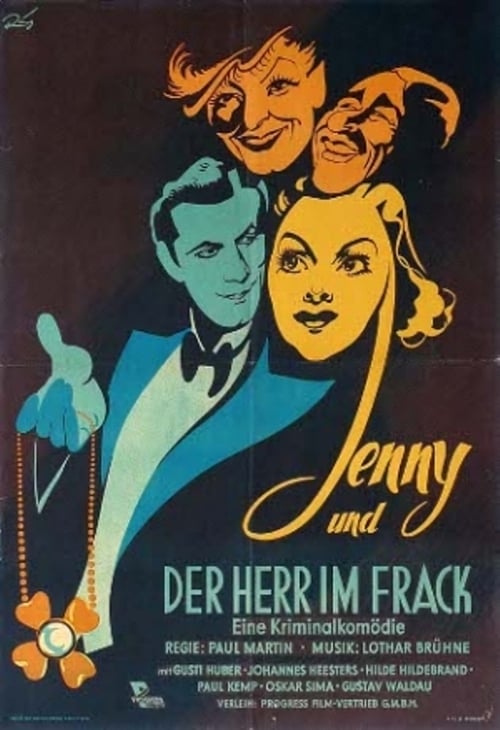
In this intricately plotted crime comedy, Johannes Heesters plays the worldly insurance detective Peter Holm, who is determined to apprehend jewel thief Robert Makaroff. To this end, Holm travels to Copenhagen, where the Hungarian actress Lilly Hegedüsch is staying at a luxury hotel with her rare jewelry. While Holm is searching for Makaroff, Jenny, the sleuthing daughter of Holm's boss, arrives in Copenhagen. Since Jenny doesn't know her secret admirer Holm, numerous mix-ups and suspicions ensue before the rival detectives become lovers.
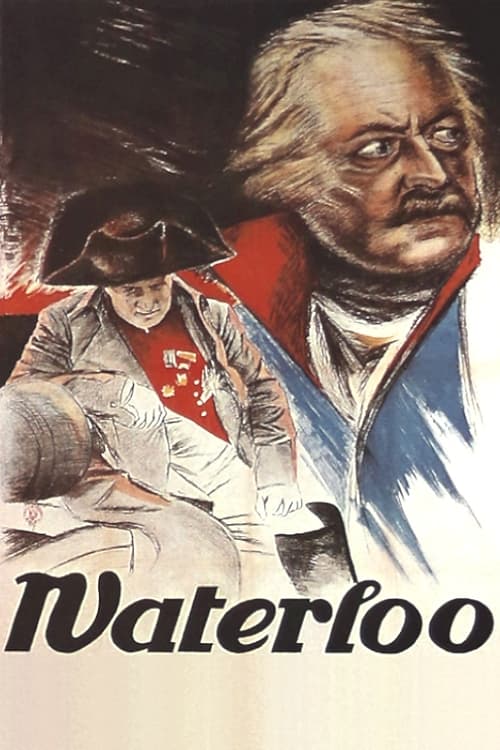
This presentation of 'Waterloo', a film by Karl Grune about the last hurrah of Napoleon, is a fascinating companion to the Abel Gance epic 'Napoleon'. 'Waterloo' presents a tale of several people involved in the final battle. Napoleon and Wellington, of course, but also the Austrian general Blutcher (who is seen as a ladies' man - his scene with a flirty Countess about halfway through the film is priceless; as are his touching scenes with his plain wife (who he imagines to be a young and nubile girl when they get romantic) and some people within his regiment. Not simply a film of war, 'Waterloo' is a story of people, of lovers, of lost opportunities.
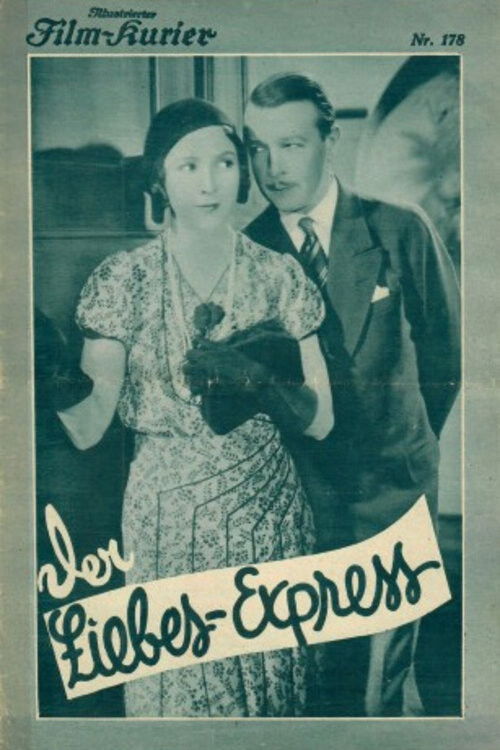
Musical about a girl typist who leaves Berlin for Venice after winning a contest. A rich bachelor pretending to be poor takes a job with her and competes for her affections with a count and a tenor. No print of the film is known to survive, and it is therefore a lost film. It is based on the operetta Es lebe die Liebe by Alexander Engel and Wilhelm Sterk. It was one of a cycle of operetta films made during the early sound era. A French-language version, Venetian Nights (Nuits de Venise), also directed by Wiene, was released the same year. From Wikipedia.