Art Tatum
Acting
Biography
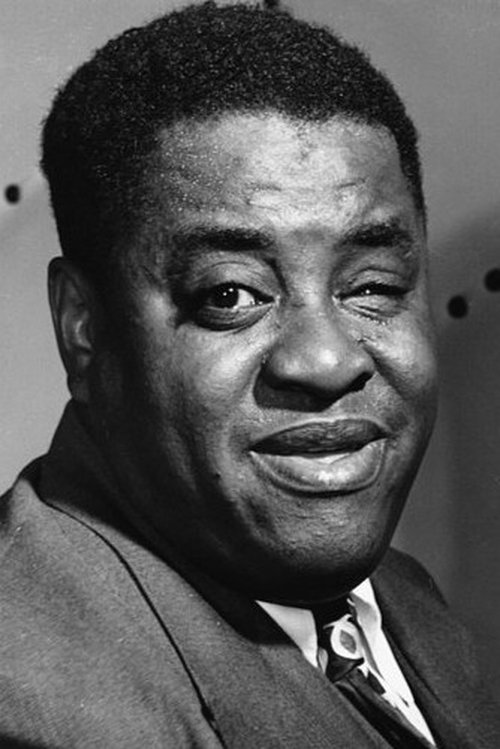
Arthur Tatum Jr. (/ˈteɪtəm/, October 13, 1909 – November 5, 1956) was an American jazz pianist who is widely regarded as one of the greatest ever. From early in his career, fellow musicians acclaimed Tatum's technical ability as extraordinary. Tatum also extended jazz piano's vocabulary and boundaries far beyond his initial stride influences, and established new ground through innovative use of reharmonization, voicing, and bitonality. Tatum grew up in Toledo, Ohio, where he began playing piano professionally and had his own radio program, rebroadcast nationwide, while still in his teens. He left Toledo in 1932 and had residencies as a solo pianist at clubs in major urban centers including New York, Chicago, and Los Angeles. In that decade, he settled into a pattern he followed for most of his career – paid performances followed by long after-hours playing, all accompanied by prodigious alcohol consumption. He was said to be more spontaneous and creative in such venues, and although the drinking did not hinder his playing, it did damage his health. In the 1940s, Tatum led a commercially successful trio for a short time and began playing in more formal jazz concert settings, including at Norman Granz–produced Jazz at the Philharmonic events. His popularity diminished towards the end of the decade, as he continued to play in his own style, ignoring the rise of bebop. Granz recorded Tatum extensively in solo and small group formats in the mid-1950s, with the last session only two months before Tatum's death from uremia at the age of 47. Description above from the Wikipedia article Art Tatum, licensed under CC-BY-SA, full list of contributors on Wikipedia.