Zsuzsanna Kiràly
Production
Known For

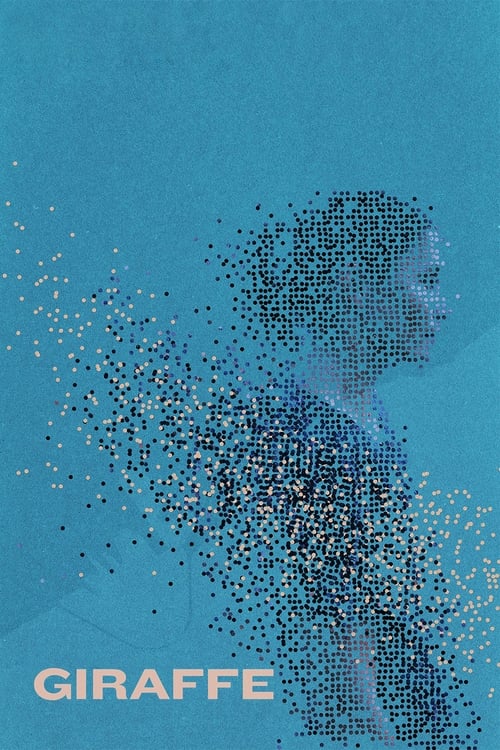
A Danish summer: long days turn into blue nights. A tunnel is being built to connect Denmark and Germany. Three people meet and part ways again.
Giraffe

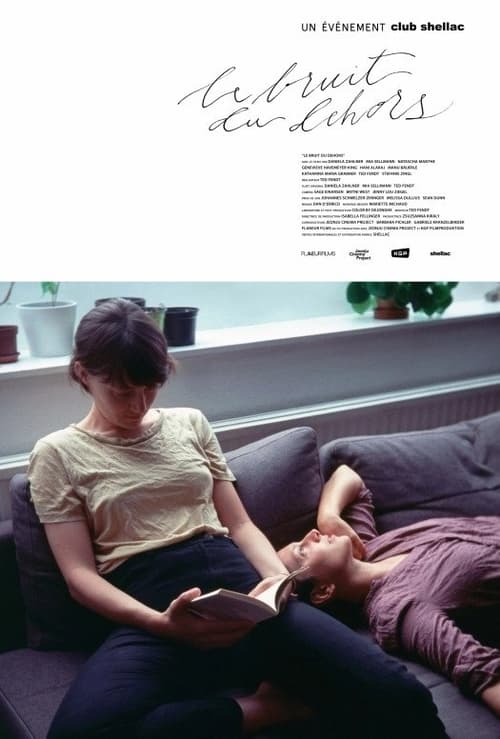
Daniela is unsure about what to do next and where to live. Mia is finishing a master’s degree that she spontaneously started. Along with Natascha, another friend thinking of moving to Vienna, they wander around and talk.
Outside Noise

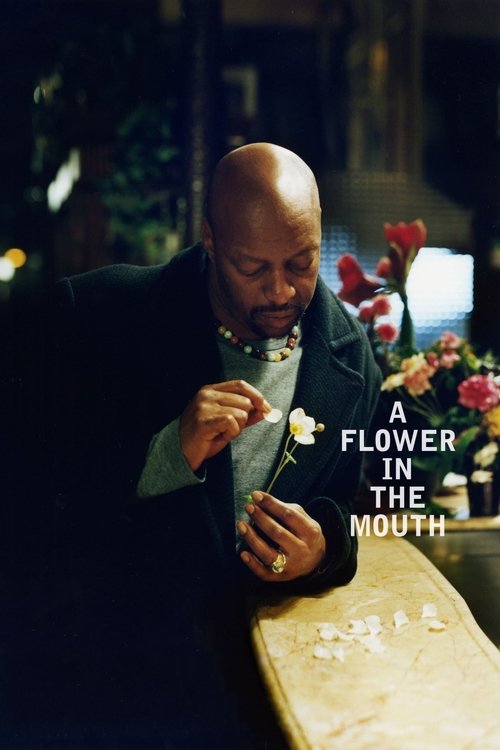
A Flower in the Mouth is a film diptych about time running out and how to live through the days that remain. The first act, filmed as an observational documentary in the world’s largest flower market, follows millions of bouquets transiting through a cavernous refrigerated hangar to be sold at auction, an industrial process at once both beautiful and terrifying. The film transitions to fiction in a second act freely adapted from a Pirandello play. A man with a flower-shaped tumour on his lip accosts a traveller in an all-night café. Their seemingly mundane conversation becomes a metaphysical monologue as the man, feeling death approach, clings to life by scrupulously observing its activity, watching reality in every detail, as if to fill the gap between himself and the rest of the world.
A Flower in the Mouth

Vienna, 2019 – the end of an era. The smoking ban in public places means that a part of Kaffeehaus culture has disappeared. Of all moments, this is the one that Angeliki chooses to buy an apartment with help from her interior designer friend, Carmen. Angeliki seems to have something against all of them: either the parquet floors creak, the tiles are the wrong colour or she is bothered by the proximity to a restaurant. How will she ever find a new home in this environment? Carmen feels like she’s talking to a brick wall. Moreover, she simply cannot understand why Angeliki is refusing to part with her money. A Journey from Vienna to Malaga, via salt flats overcast by mysterious shadows. A homage to the Austrian capital and the bygone splendour in ordinary things.
A Little Love Package

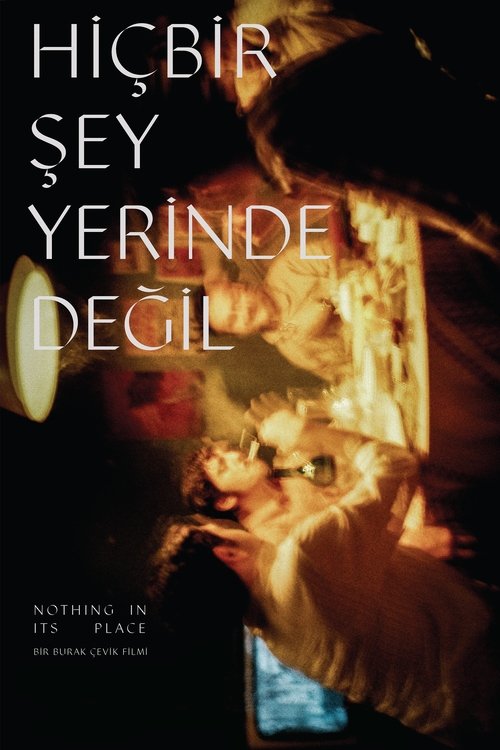
In 1978, five leftist youths who believed that the leftist revolution could be realized through politics, not violence, gathered in a house and started to talk about the magazine they had published. The unexpected events that take place later that night reveal the political chaos in Turkey before the 1980 coup d'état.
Nothing in Its Place

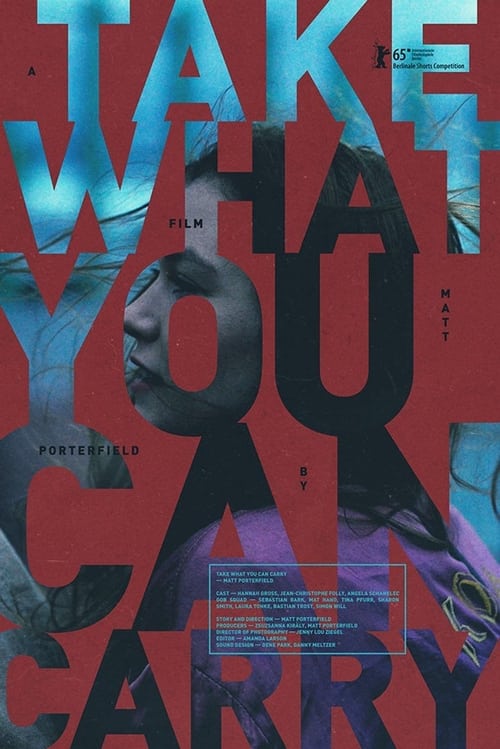
A character study as well as a meditation on communication, creativity, and physical space, Take What You Can Carry is a picture of a young woman seen through the interiors she occupies and the company she keeps. A North American living abroad, Lilly aspires to shape an intimate and private place of her own while connecting to the world around her. When she receives a letter from home, it provides the conduit she needs to fuse her transient self with the person she's always known herself to be.
Take What You Can Carry

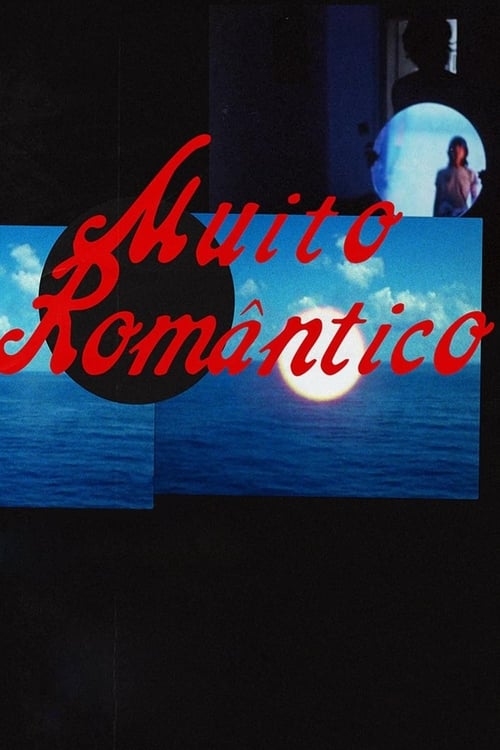
The adventure of Melissa and Gustavo starts aboard a red cargo ship crossing the Atlantic Ocean. It takes them from Brazil to Berlin, a city of perpetual movement, where the old constantly has to give space to the new. The couple finds a home and transforms it into the center of their own universe. As time passes and seasons change, life and cinema become interchangeable and their apartment evolves into an ever-changing stage, where friends are invited to play their own roles and reality and fiction merge. Until one day a cosmic portal appears in their home, opening connections between the past, the present and the future.
Muito Romântico

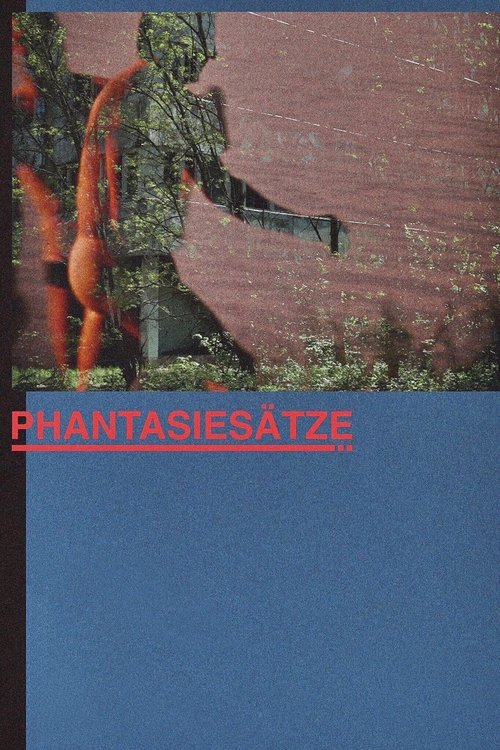
Borrowing its title from an experimental text by Walter Benjamin. Many years ago, the cities by the river were gripped by a contagion. Things started to change and everything slowly became something else. It was not clear if transformation was a symptom of the disease or a way to escape it. The contagion touched everything and everyone: animals and plants, stones and soil, men, women and children, their thoughts, their dreams, their memories. An old woman once told me how all memories turn into trees, I could hardly make out what she was saying. She said she could hear the trees singing: To be a body, to be any body. After the years of contagion ended, the cities appeared untouched. One had to look hard to see the traces of the previous time. If one could listen to the trees, what would they say? A way out, a way out?
Fantasy Sentences

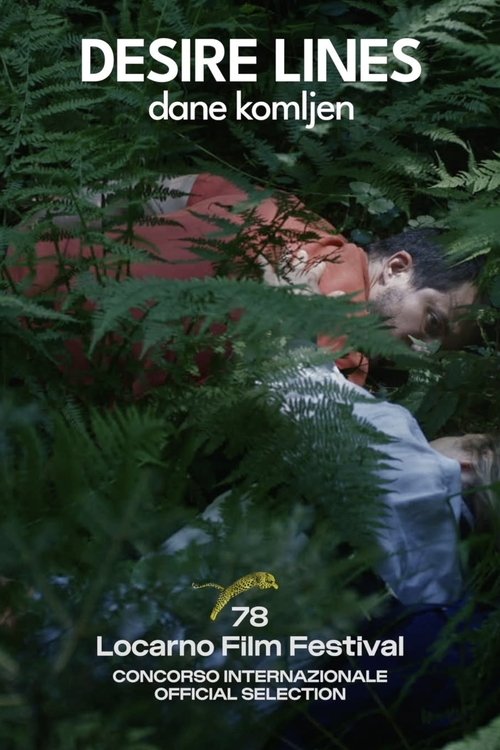
Branko dwells on the fringes of Belgrade society. Isolated and unable to sleep, he speaks to no-one. His only obsession seems to be his younger brother, whose muddy shoes, bloodstained sheets, and murky whereabouts unsettle him. As paranoia sets in, Branko realises his brother isn't the strange one. He is.
Desire Lines

Bogancloch is where Jake Williams lives, nestled in a vast highland forest of Scotland. The film portrays his life throughout the seasons, with other people occasionally crossing into his otherwise solitary life. At the heart a song, an argument between life and death, each stating their case to rule over the world. The film is without exposition, it aims at something less recognisable, a different existence of reality observed in discrete moments. A sequel to Two Years at Sea (2011), charting a subtly changing life in a radically changing world.
Bogancloch

On January 21, 1975, in a village in the north of Portugal, a child writes to his parents who are in Angola to tell them how sad Portugal is. On July 13, 2011, in Milan, an old man remembers his first love. On May 6, 2012, in Paris, a man tells his baby daughter that he will never be a real father. During a wedding ceremony on September 3, 1977 in Leipzig, the bride battles against a Wagner opera that she can’t get out of her head. But where and when have these four poor devils begun searching for redemption?
Redemption

Jone is ready to fly. She finds herself at the beginning of something new, but before she moves on, there needs to be a closure. Jone is one of Mollies, the queer-feminist collective that had been living for a decade at a trailer park next to Ostkreuz, Berlin.