Directing
No description available.
A fictionalized account about the lurid lives of a group of eccentric cabaret artists who have come from America to Berlin looking for social acceptance and a place to give full reign to their creative nature.
Documentation about the so-called “social training”, a new model in the penal system.
The 12 year old Ina struggle to become a great pianist. Success depends on the music competition "Ein Herz für Mozart". Ina is sent by her mother's command to piano lessons. The piano teacher Holger produces in his free time experimental music from sound collages, but can not prevail with his works in the professional music business. Ina takes a liking to the sound collages of Holger and flees from her domineering mother to him.
Documentary about a white whale swimming in the river Rhine.
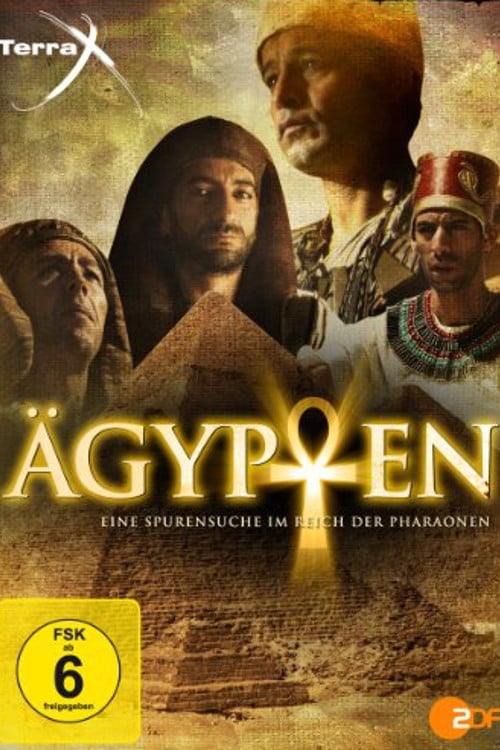
Around 3,000 BC, the first territorial state in history was created with the unification of Upper and Lower Egypt. The empire on the Nile was to exist for 3,000 years. The current section focuses on religion, temple economy and the cult of the dead and examines the reigns of Akhenaten and Ramses II. The culture of Ancient Egypt is characterized by religion, temple economy and the cult of the dead. Two pharaohs play an important role in this context: Akhenaten and Ramses II. When Akhenaten ascended the throne around 1,350 BC, religious customs in Egypt had hardly changed for almost 2,000 years. The influential priesthood was organized hierarchically and the rituals were set out in fixed rituals. The temples are not only the spiritual but also the economic centers of the country.