Writing
The reality queen Gina-Lisa Lohfink finally wants to get married. But whom?
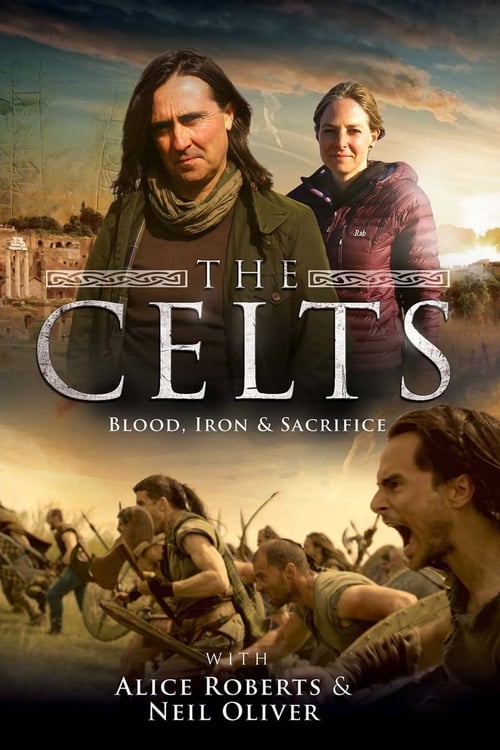
Three-part documentary series in which anthropologist professor Alice Roberts and archaeologist Neil Oliver go in search of the Celts - one of the world's most mysterious ancient civilisations.
This German format is not a series properly speaking, as it has no permanent cast or script continuity, but presents each time a 45 minutes documentary, usually in part presented as a docudrama (not faction, as close to scientific knowledge as possible, but visually attractive), elaborating a specific historical theme, widely varied, often exotic in the sense of a far time (as far back as prehistoric times) and/or place (around the globe), although some episodes fit together well, chronologically or thematically, but always fit to be watched separately. Usually authentic locations are used, as well as scenes from and/or interviews about the scientific research it is based upon.
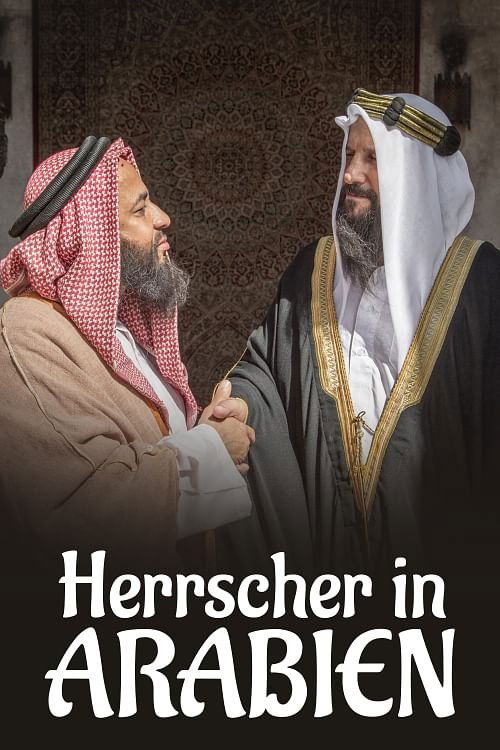
The heart of Islam beats on the Arabian Peninsula. For there lies Mecca, the holy city of the Muslims. Almost 100 years ago, one of the peninsula's many clans founded a kingdom there: Saudi Arabia. The rule of the Al Saud is based on a pact that combined, and still combines, strict religious zeal with political calculation.
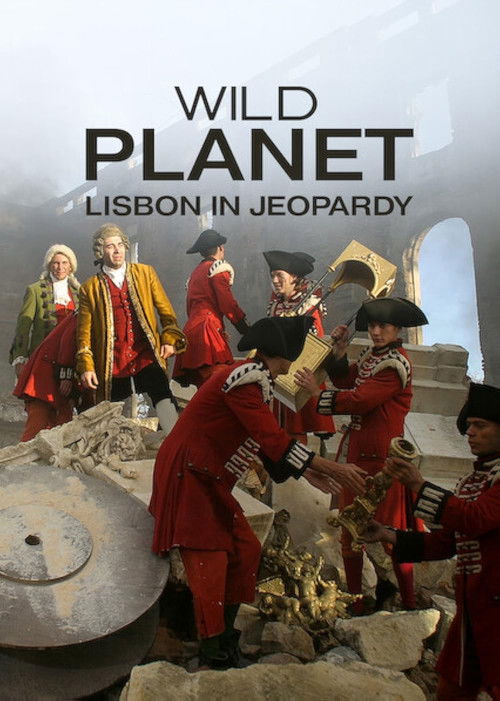
Modern science still researches how exactly tsunamis originate and cause additional havoc in cities they affect. A fascinating case for reconstruction purposes is the ruin of the Portuguese capital Lisbon, on 1 November 1755. The Tsunami killed a fifth of the population. Fear-paralyzed king Joseph's able prime minister, marquess Pombal, took charge of rescue and reconstruction. Minor seismic activity and religious fanatics kept complicating life. This made Pombal the real, absolutist ruler, who finally modernized Portugal.
No description available.
Many cultures have myths about “wolf children”, taken from their families and who grew up in the wild, either alone or with wolves, bears or other animals. How close are these stories to reality? This program looks at the "monkey boy " John Ssebunya of Uganda, and Kipling's fictional boy, Mowgli.
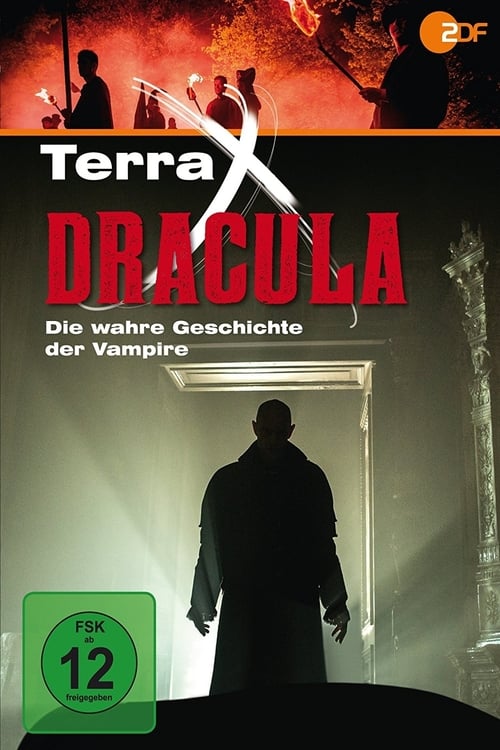
"Dracula - The true story of the vampire" - Reveals how the vampire myth came into being, when the first "vampire epidemic" broke out, and why Count Dracula has since conquered the world.