Directing
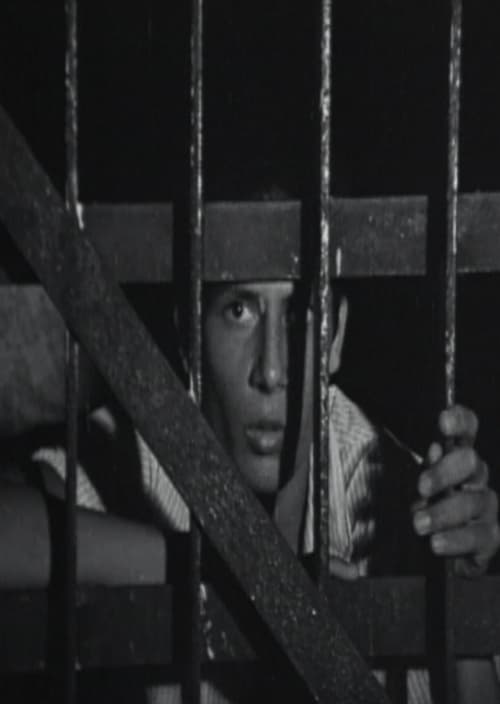
The film offers us the other side of the prison problem and questions the often simplistic prejudices with which we normally approach this problem.
One hundred years of the cinematic memory of a small country told through motion graphics. A brief tour of previously unseen images and forgotten fragments of Costa Rican cinema, which, amid state efforts and industrial ambitions, prevailed throughout the 20th century.
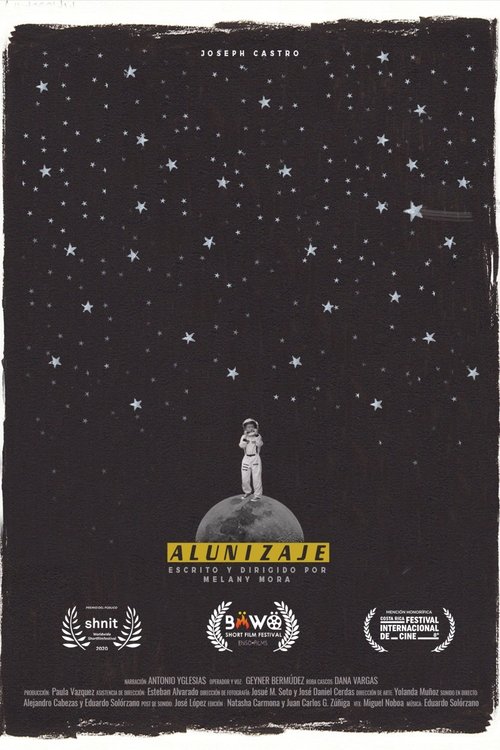
Nel is a 10-year-old astronaut-to-be who has lots of moles and wants to go to the moon. He undertakes an odyssey in a fair to reach the closest point to the stars, but this is not an easy task for a being that moves at a quarter of the speed of the others.
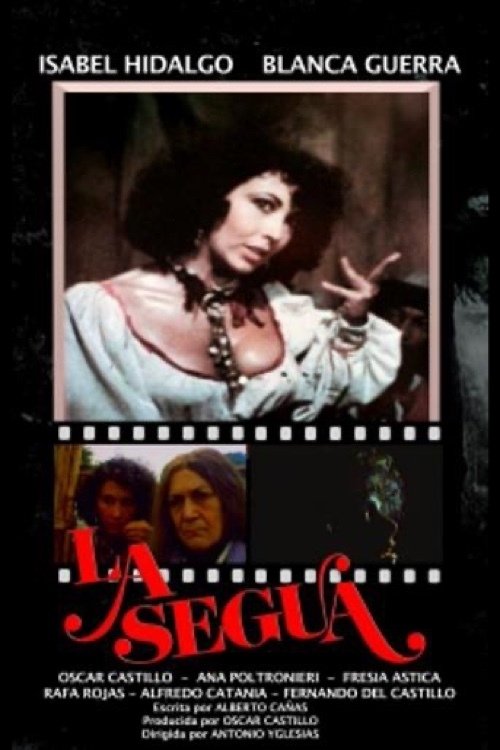
Encarnacion is a beautiful villager and Petronila is her jealous, evil nemesis. When Petronila's love interest, a fetching young Spanish lieutenant, starts to fall for Encarnacion, Petronila gets even by simply destroying his sanity with a vile potion. Petronila begins to delude Encarnacion with suggestions that she is actually a "segua" or a female spirit that attacks men.
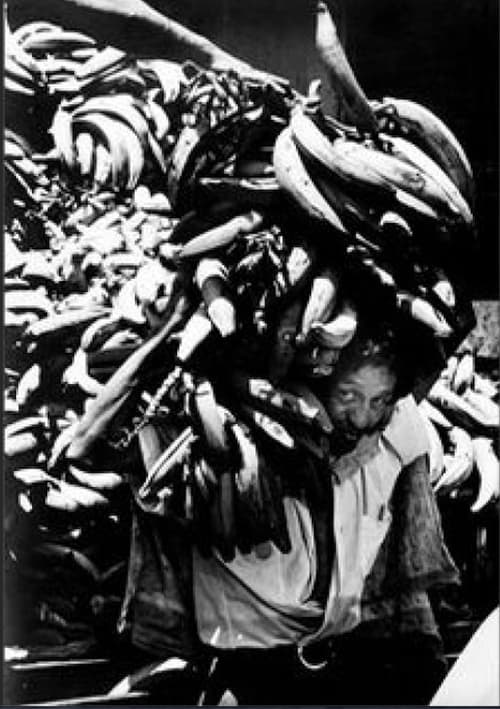
This film was originally made for the International Conference on Human Settlements (HABITAT) which was held in Vancouver, Canada. Taking as an example the production and marketing of bananas and the prevailing conditions in the world market - dominated by the virtual monopoly of three multinational companies -, it is shown how as a result of this monopolistic domination, the Costa Rican State has stopped receiving equitable taxes for what that, in the end, the housing and public services offered by the country are characterized as those of an underdeveloped society. The attempt made since 1974 by a group of banana-producing countries, aimed at improving sales prices to multinationals and raising taxes; The resulting “banana war” are examples of the enormous efforts that small banana countries have to make to achieve greater justice in the prevailing market conditions.
This documentary, filmed at Christmas 1973, "searches" for the causes of malnutrition in the slums, in the unemployed population, in the living conditions that someone defined as "extreme misery." This approach, novel for the time, produced controversies since the trend then was to define child malnutrition solely as a medical and health problem. However, the inquisitorial camera discovered the malnourished child under the bridge, in the poor neighborhoods... in the arms of the marginalized woman. And the documentary tells us something else: as long as these living conditions persist... the cry of the malnourished child will persist.
This film presents three possible techniques or methods that make it possible to meet the growing demand for wood without the country becoming a desert: spontaneous reforestation, carried out by the country's youth, technical and commercial plantation, and the comprehensive use of forests. . Scientists and farmers, peasants and young people express their opinions on these techniques and on the critical situation that the country is going through. The "lone witness", a tree abandoned to its fate in the middle of infertile pastures in the Puriscal area, leaves graphic testimony about the felling of trees taken to the absurd.
This film shows the general aspects of the school garden program carried out by the Ministry of Public Education in the country's schools. In its development, the film shows how schoolchildren prepare the land, plant vegetables and legumes, take care of their crops and collect the harvest to, finally, consume these products in the school cafeteria. As a result of all this, the school garden becomes the “classroom” where the student learns the basic techniques of cultivating the land and the importance of good and healthy nutrition. At the same time, interest, affection and respect for farm work is awakened in the student.
Documentary about malnutrition in Costa Rica
No description available.
It is based on real testimonies of six women from different social strata that reflect the misery, anger, repressed and silent suffering, as well as the illusion, the dream and the ideal.
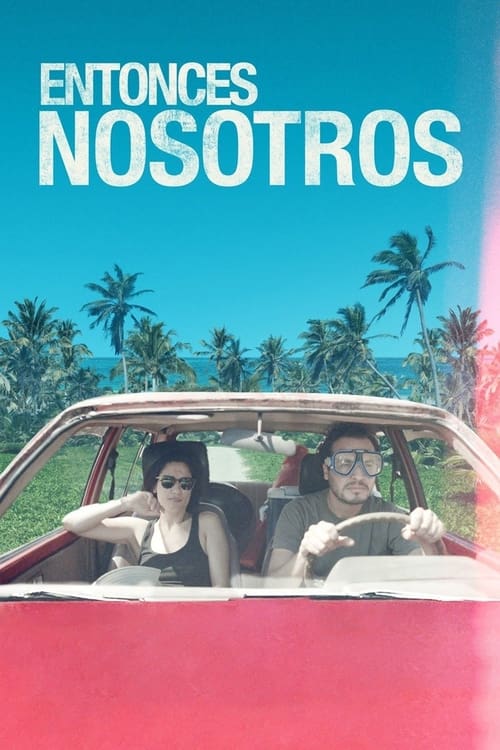
Diego, a hopeless romantic desperately trying to salvage his relationship with long time girlfriend Sofía, plans a beach getaway to propose and clear the air. A casual encounter with Sofía's old friend Malena will cast doubts on his relationship and skewed understanding of love, quickly turning a perfect weekend in paradise into Diego's worst nightmare.
The film is a call of conscience about the disappearance of forests in the country. Great industrial needs have created a greater demand for wood, the necessary expansion of livestock and agriculture is causing the destruction of forests in regions where only forests can provide an acceptable economic return. In view of the irrational progress of tree felling and in view of the slowness with which state institutions intervene in this problem - determining for the future of the country - it was decided to make this film.
“Man will reach the moon first, before the highway reaches here, to Limón,” said the governor of the province of Limón, in 1928.
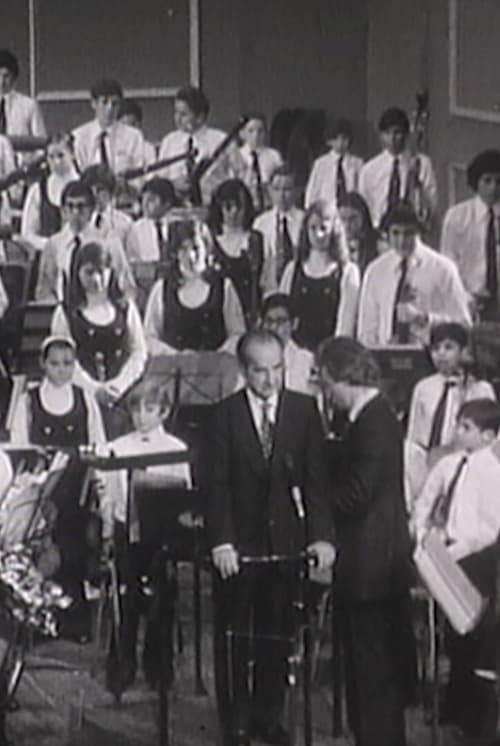
The film gives us an idea of how the Youth Symphony Orchestra operates, which was created taking into account a young member and a future violinist named Iván, who alternates soccer with violin exercises.
The silent majority is the Costa Rican peasantry, which has been the object of traditional contempt and which has manifested itself in various forms: unfair salary compensation, bad prices for their agricultural products, financing difficulties, land grabs, precarious housing and educational conditions. health. Precariousness, peasant migrations and the depletion of the agricultural frontier are also analyzed in the film.
A documentary on the F.S.L.N. and its struggle against the Somoza dictatorship.
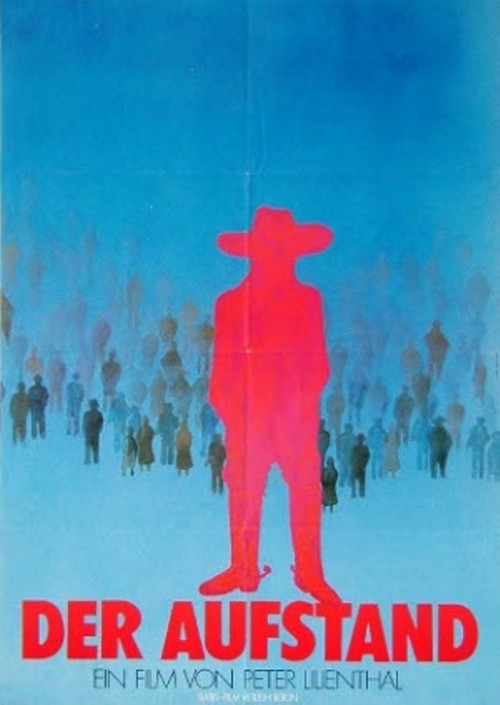
In Nicaragua, 1977, corruption and abuse of power are everyday occurrences under the Somoza family’s dictatorship. Eruptions of violence lead to a civil war, which the Sandinista revolutionaries win – at least for the time being. Against this backdrop, the conflict between a young soldier of the Somoza regime and his family, who sympathize with the insurgents, is illustrated.