Maurice Krafft
Acting
Biography
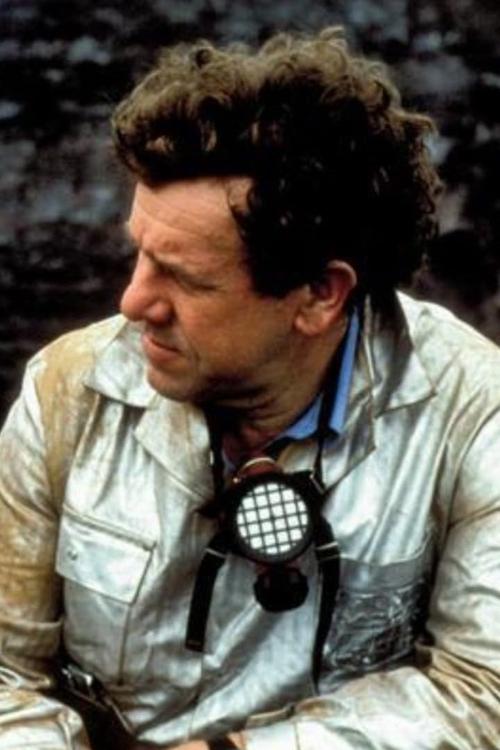
Maurice Krafft was born on March 26, 1946 in the city of Mulhouse, located in the Alsace region. Maurice Krafft discovered his interest in volcanoes at the age of 7, during a family trip to Naples and the island of Stromboli. He joined the Geological Society of France at the age of 15. He then studied geology at the University of Franche-Comté and then at the University of Strasbourg. During a study trip to Etna in 1966, he met Haroun Tazieff who integrated him into his team, but the two men with strong characters separated. In 1968 he created the Vulcain Team with Roland Haas, then the Cernay Volcanology Center. In 1966, he met Katia at the University of Besançon and they married in 1970. With little money, the Kraffts saved up to pay for a trip to Stromboli and photographed its almost continuous volcanic eruptions. Realizing that people were interested in this documentation of eruptions, they quickly made a career out of filming volcanic eruptions, which allowed them to travel all over the world. For 25 years, they traveled the world together, he favoring the camera, she the camera; Katia and Maurice Krafft were nicknamed the volcano devils by American scientists, thus reflecting a feeling of admiration and recognition for the enthusiasm and passion for the profession expressed by the couple of French volcanologists6. Katia and Maurice Krafft set up numerous expeditions around the world: Italy, Iceland, Indonesia, Africa, America, Reunion, Hawaii, New Zealand, collecting numerous documents on volcanoes in eruption or that could wake up, at most eight per year, 175 during their entire career, except those of the USSR for political reasons. They are more than photographers and filmmakers. He, as a geologist, and she, as a chemist and physicist, are real scientists whose images, samples and detailed descriptions of eruptive phenomena provide essential elements for understanding them. In twenty-five years of activity, Katia and Maurice Krafft have built up a truly exceptional iconographic heritage: more than 300,000 photos, 300 hours of film, 20,000 books dealing with geology, some 6,000 lithographs and old paintings. On June 3, 1991, at approximately 4:00 p.m. local time, Mount Unzen erupted, sending pyroclastic flows hurtling down its slopes, killing 37 people, including the Kraffts and fellow volcanologist Harry Glicken. On June 5, local authorities and Shimabara police reported that military search teams had recovered the bodies of Glicken, Katia, and Maurice Krafft. The Kraffts were found near their car, lying side by side under a thin layer of ash. Katia and Maurice Krafft's remains were cremated in Japan in a Catholic funeral service, and their ashes were placed in Katia Krafft's family grave in Alsace.
Known For
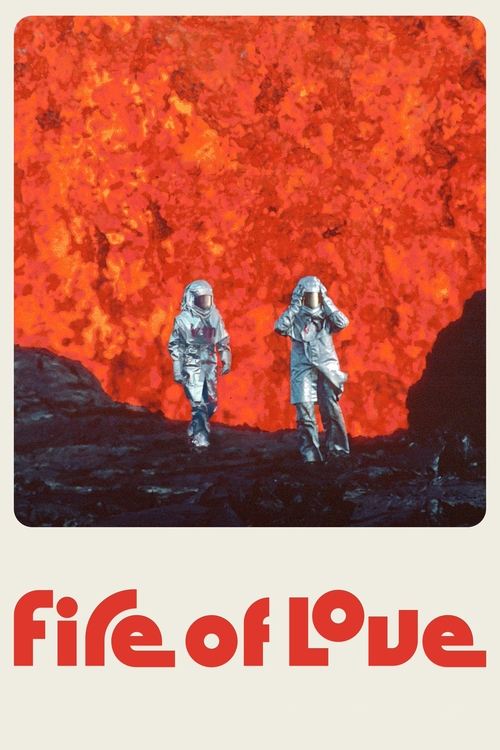
A doomed love triangle between intrepid French scientists Katia and Maurice Krafft, and their beloved volcanoes.
Fire of Love
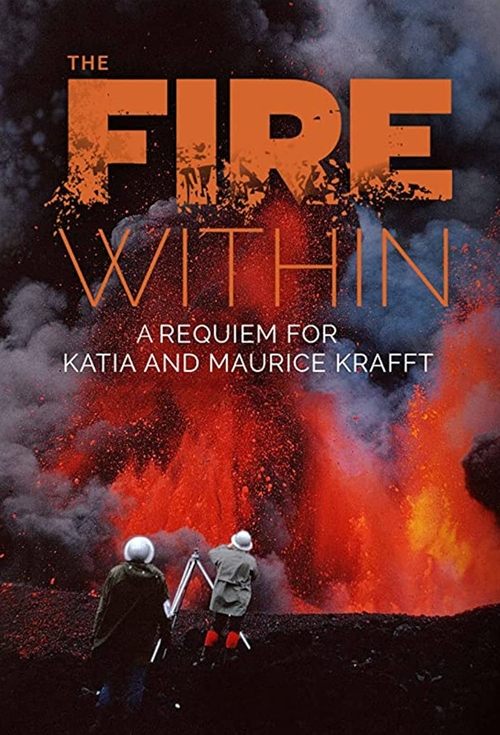
Filmmaker Werner Herzog combs through the film archives of volcanologists Katia and Maurice Krafft to create a film that celebrates their legacy.
The Fire Within: A Requiem for Katia and Maurice Krafft
David Attenborough presents the history and natural history of the Mediterranean lands.
The First Eden
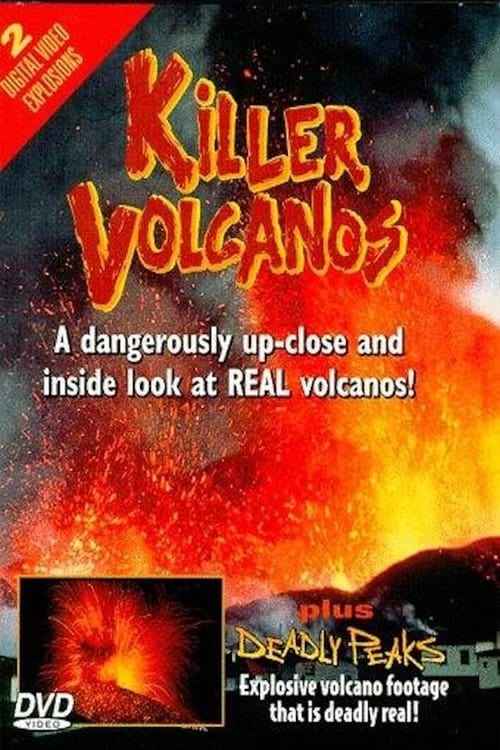
Documentaries by Katia and Maurice Krafft feature some of the amazing footage shot by the renowned volcanologists, who perished in 1991 while filming a volcano in Japan. The duo documented more active and erupting volcanos than any other scientists in the world, and their dedication shows in Deadly Peaks and Killer Volcanos, two educational films that capture the scientists on the edge of a hot ash blast and floating on a lake of sulfuric acid. The films visit Mount Kilimanjaro and examine some of the less-known dangers such as carbon monoxide gas that builds under crater-formed lakes. They also take an in-depth look at the eruption of Mount St. Helens and the lengths to which people will go to save their communities. Venturing to places where most people would never dare, the Kraffts gave their lives to promote the study of volcanos and left behind a legacy of courage in the name of science. --Shannon Gee
Killer Volcanoes
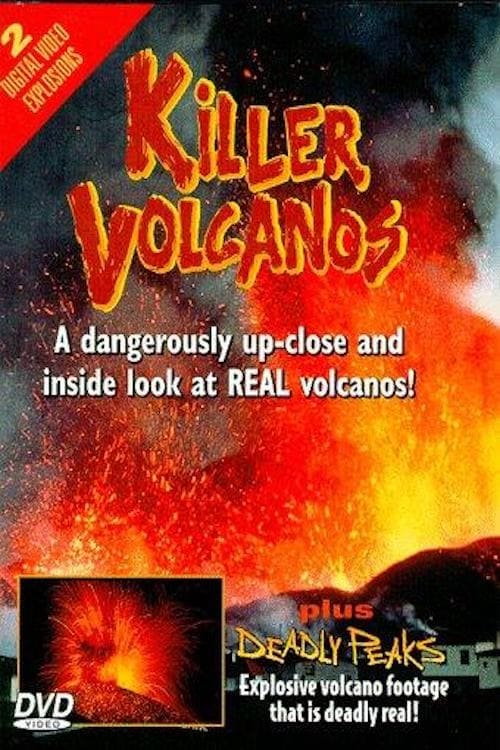
Documentaries by Katia and Maurice Krafft feature some of the amazing footage shot by the renowned volcanologists, who perished in 1991 while filming a volcano in Japan. The duo documented more active and erupting volcanos than any other scientists in the world, and their dedication shows in Deadly Peaks and Killer Volcanos, two educational films that capture the scientists on the edge of a hot ash blast and floating on a lake of sulfuric acid. The films visit Mount Kilimanjaro and examine some of the less-known dangers such as carbon monoxide gas that builds under crater-formed lakes. They also take an in-depth look at the eruption of Mount St. Helens and the lengths to which people will go to save their communities. Venturing to places where most people would never dare, the Kraffts gave their lives to promote the study of volcanos and left behind a legacy of courage in the name of science. --Shannon Gee
Deadly Peaks
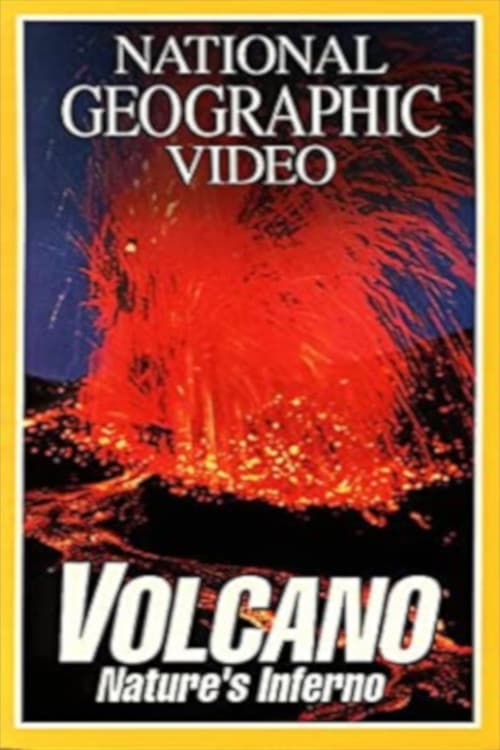
Travel around the world for a firsthand look at volcanoes - perhaps the most dazzling but destructive natural force on earth. Massive volcanic eruption can turn day into night, releasing the power of an atomic blast, spewing toxic avalanches of lava, gas, and ash. National Geographic Video transports you to some of the world's most notorious volcanoes, including Mount Pinatubo in the Philippines and Japan's Mount Unzen. Join volcanologists in their dangerous quest to forecast eruptions and save lives, putting you in the middle of the explosive excitement and human drama of Volcano: Nature's Inferno.
Volcano: Nature's Inferno

Maurice and Katia Krafft are a couple of scientists, filmmakers, researchers and photographers who have made vulcanology the reason for their existence. Together, they completed more than 800 hours of filming 128 volcanic eruptions and developed more than 450,000 films of great aesthetic and scientific value. A journey in stages around the world, the film pays tribute to the two protagonists, from the first ascent accomplished by Maurice, then aged 7, at Stromboli, to their tragic disappearance in 1991 on Mount Unzen in Japan.
Maurice and Katia Krafft: To the rhythm of the Earth

A short documentary produced and directed by famed volcanologist Maurice Krafft in order to educate audiences about how volcanoes are formed, erupt, and are studied.
Inside Hawaiian Volcanoes
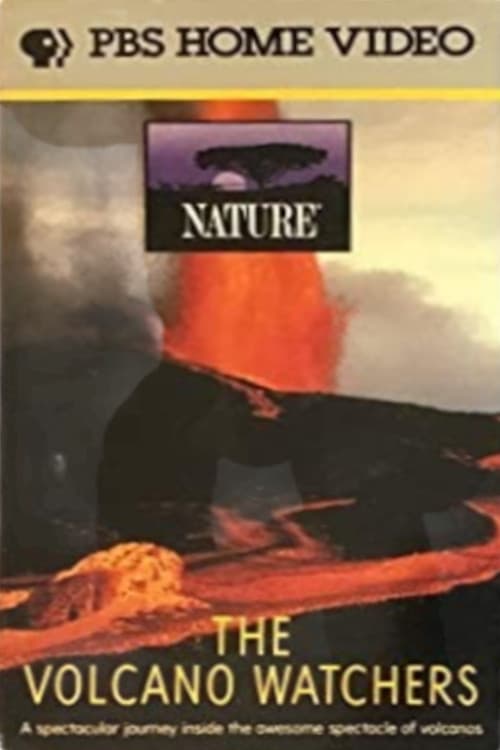
A 1987 program examining the work of Maurice and Katia Krafft, who studied and filmed volcanoes around the world before their deaths in a 1991 volcanic explosion. Scenes include a lake of molten lava in Central Africa; an eruption in Iceland; an evacuated school being devoured by Mount Etna.