Satish Babusenan
Directing
Biography
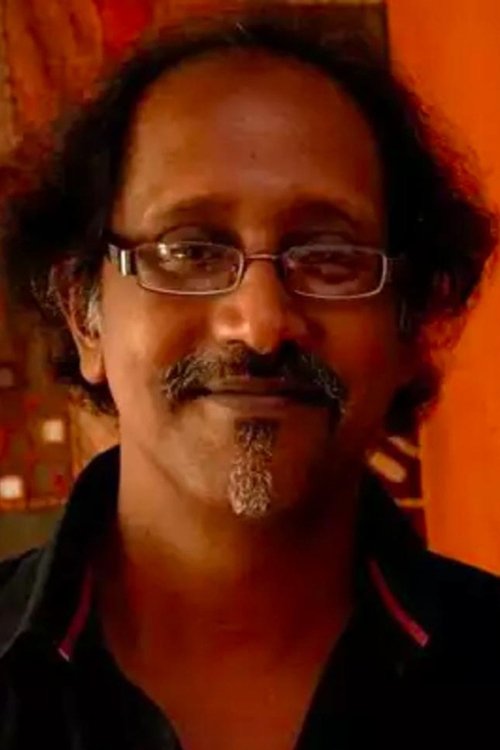
Satish Babusenan is an MDes in Visual Communication from the Indian Institute of Technology, Bombay. He published his first book 'Fool's Pool - A Composition for the Violin' in 1988. Since the early 90s he has been working as a cinematographer, director and writer. He is partner in Fifth Element, a production house in India. His 1997 short film 'Twilight Dream', co-directed with his brother Santosh Babusenan (aka The Babusenan Brothers) was selected to the Mumbai International Film Festival and the Split Film Festival, Croatia. Chaayam Poosiya Veedu is the first feature by the Babusenan Brothers. Here is what the brothers, who work on their films together, have to say about what inspires them to make movies: "Although film as art has changed drastically over the years, its fundamental concerns have remained rather unchanged. War, poverty, internal and external conflicts, love, disease, death. In our films we try to grapple with some of the existential and ethical issues that we think are central to human life. We like to focus on thoughts, attitudes, ideologies, etc, because we believe the world around us is really a reflection of our inner lives. It is one's ability to understand the murky happenings inside that can make life easier outside." Satish lives in the Keralan city of Trivandrum in the south of India with his wife Archana who is a newscaster and little daughter Niranjana, who he says, is living it out as a kid.
Known For

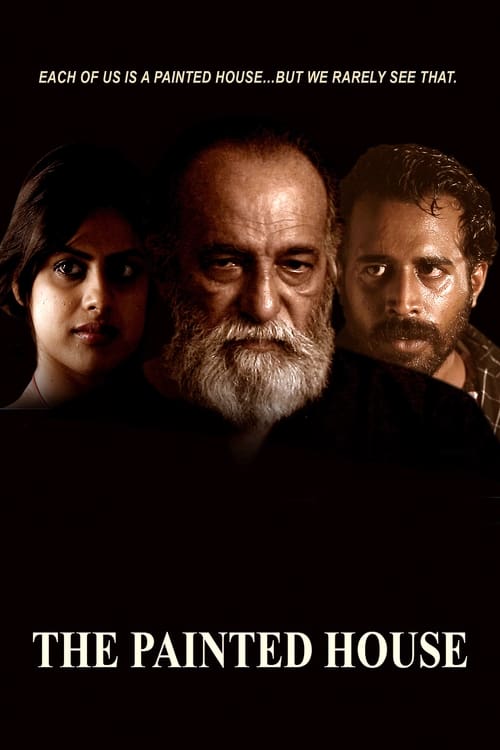
An old and lonely writer's life is turned around when a young woman comes into his life and one day a uninvited guest comes and makes things more complicated.
The Painted House

Anand Gautaman, a vlogger, gives dating and lifestyle advice. But the dark times of today force him to address Death.
Anand Monalisa Waits for Death

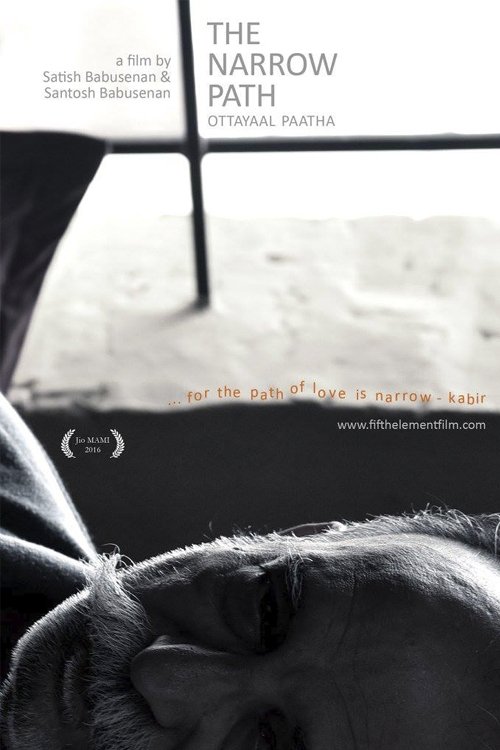
Young Akhil lives with his old and crippled father. The two share a difficult relationship. Akhil has decided to run away with his girlfriend Nina to another city and he is keeping this a secret from the old man. But his last day at home doesn’t turn out the way he had planned it.
The Narrow Path

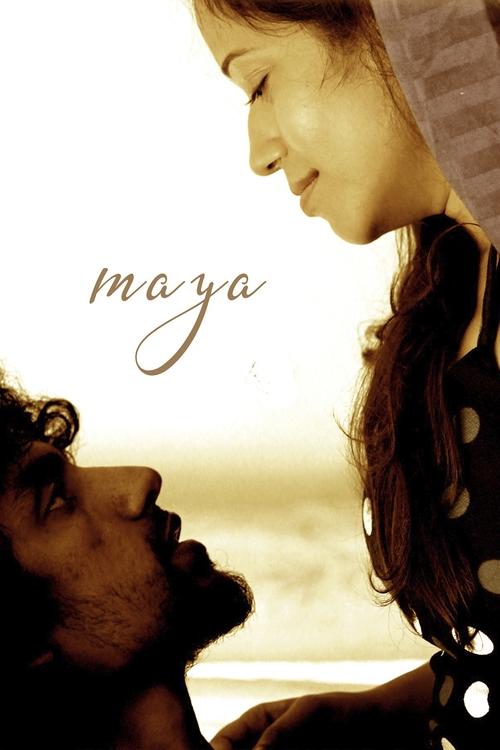
Siddharth (Sidhu) has invented the key to happiness: a machine which generates dreams of joy. But someone is out to steal his invention. He runs for his life with Maya, his girlfriend. On the road he is met by The Fool, an old tramp who shows him that it is all just a dream and that he only needs to wake up.
Maya

One morning, Rajendra Prasad, a retired cop, disappears from home. His daughter Anu, accompanied by her boyfriend Vinod, goes out in search of him. The story rolls along through luscious Keralan landscapes when she gets a call from her father.
Lost

Ramdas, a left-leaning retired university professor is interviewed by Nilima, a young research scholar, about his political activities.
Darkness

Sunetra is a migrant cook from far away Bengal working in Kerala. To celebrate her birthday Adi, the young poet she loves, steals a car and takes off with her to a beach. The two lovers do not realise that the car belongs to a thug who is following them - a thug who will not hesitate to kill. SUNETRA can be seen as a metaphor for life itself, where death is always hiding behind the trees. As always, the Babusenan Brothers are exploring their philosophical concerns here through the medium of the film story.
The Pretty Eyed Girl

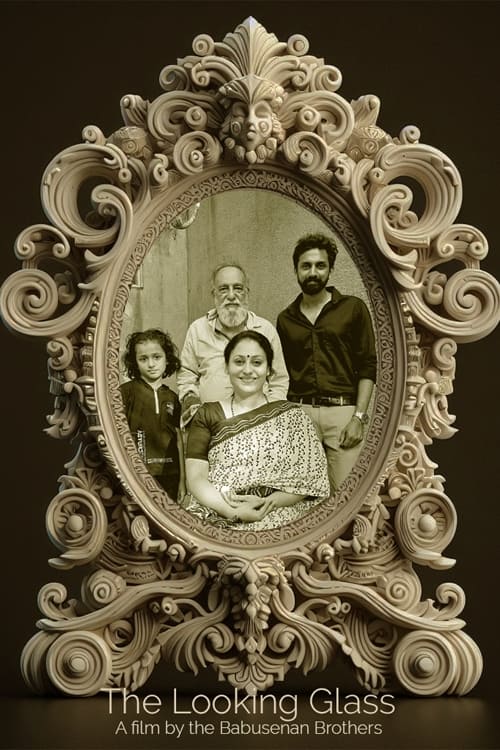
“The Looking Glass” is a reflective journey through the eyes of Kaladharan, an aging filmmaker confronting his past. As he grapples with the consequences of altering his characters’ fates, particularly Sreeram’s, the film questions the nature of art and love.
The Looking Glass

No description available.
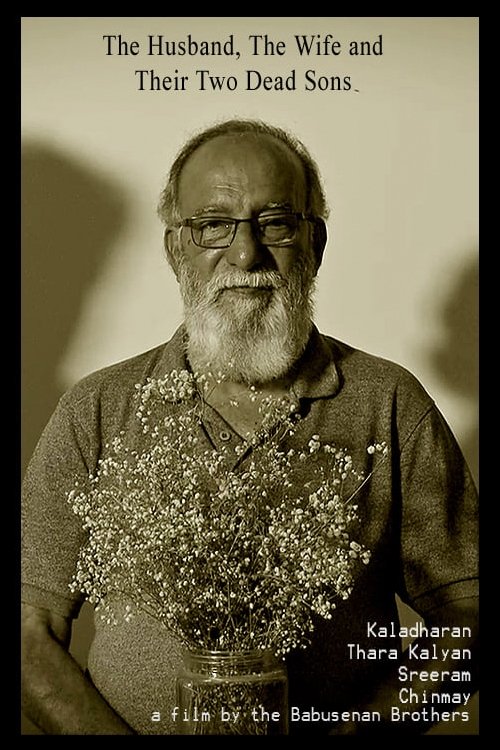
The Husband, The Wife and Their Two Dead Sons

Arun, a transgender man in his twenties, is trapped in an abusive relationship with his boyfriend, Madhu. Estranged from his family, Arun struggles to navigate a society that refuses to accept him. Fear and isolation keep him from living openly, but his friendship with Padma, a lesbian colleague at the textile shop, becomes a quiet source of strength. As their bond deepens, Padma’s unwavering support helps Arun find the courage to embrace his truth and reclaim his place in the world.