Acting
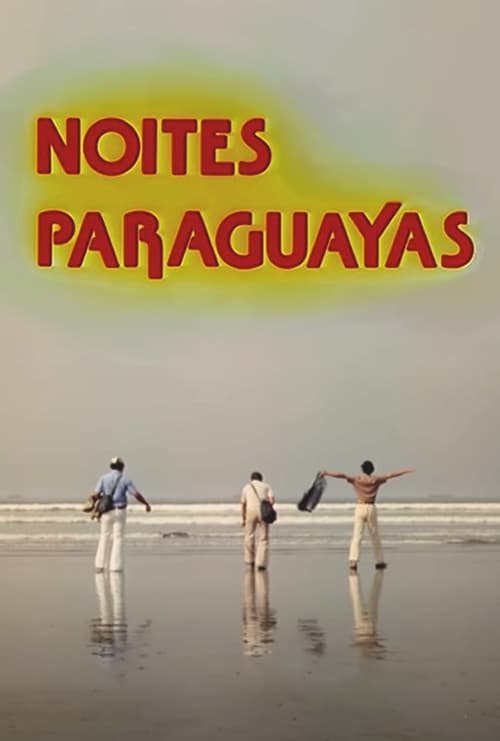
The path of Paraguayan immigrants who drive to Asuncion and then arrive in São Paulo. They are rural workers, musicians, vendors and underemployed people. Two parallel worlds: the Guarani culture and the Brazilian adventure in São Paulo juxtaposed with Paraguayan songs and the Guarani language, spoken by the main characters.
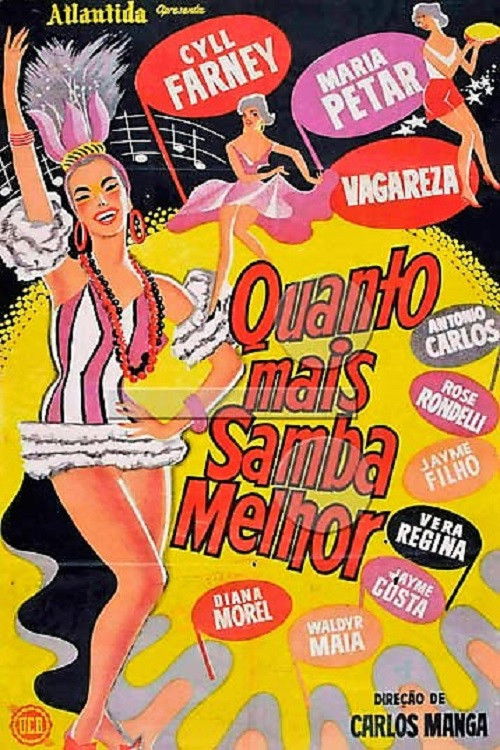
A nationalist musician, Hélio, plans to stage a samba show at a luxury hotel nightclub. The owner, Ademar, influenced by his daughter Marisa, is only interested in big jazz acts. Hélio, aided by Bebeto and Dorothéia, presents a fake Dorothy Bridge and a Sunday Júnior, parodies of Eartha Kitty and Sammy Davis Junior. While being covered by these fake artists, Hélio searches for a singer for a repertoire based on Carmen Miranda.
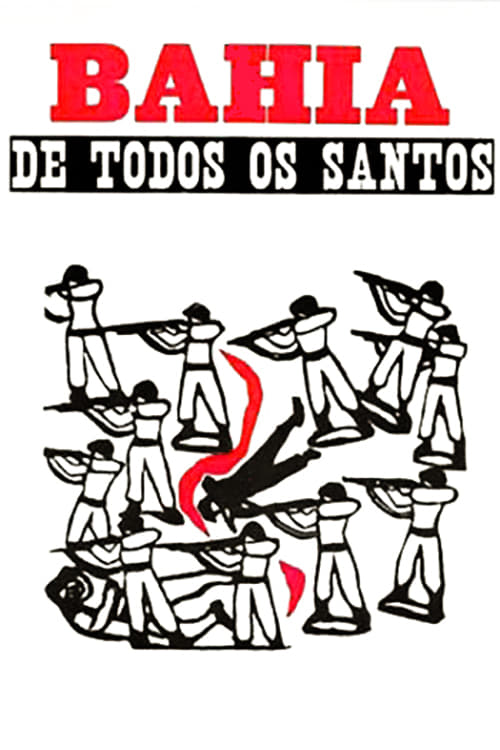
Salvador, Bahia, Brazil, during the dictatorship of Getúlio Vargas. Outlaw Tonio is involved in a conflict between strikers and the police. His mistress tries to keep him from his companions, but he steals her belongings to help the persecuted. Dissatisfied, she denounces him, compromising him politically.
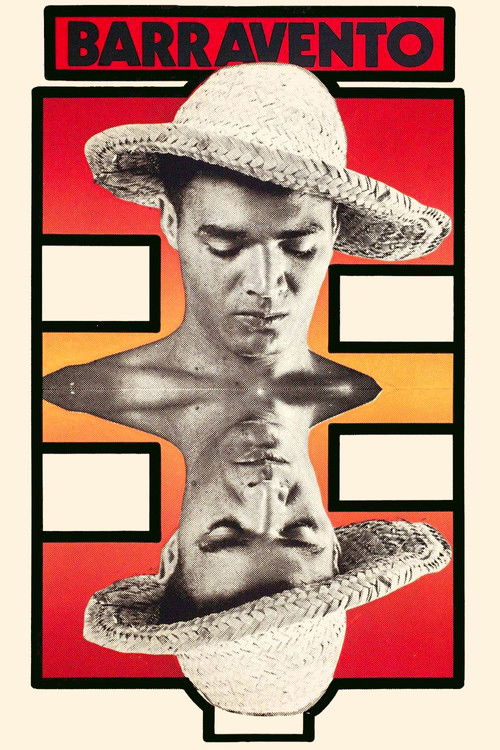
In Bahia, an educated black man returns to his home fishing village to try and free people from mysticism, in particular the Candomblé religion, which he considers a factor of political and social oppression, with tragic outcome.