Isabelle Ingold
Editing
Known For
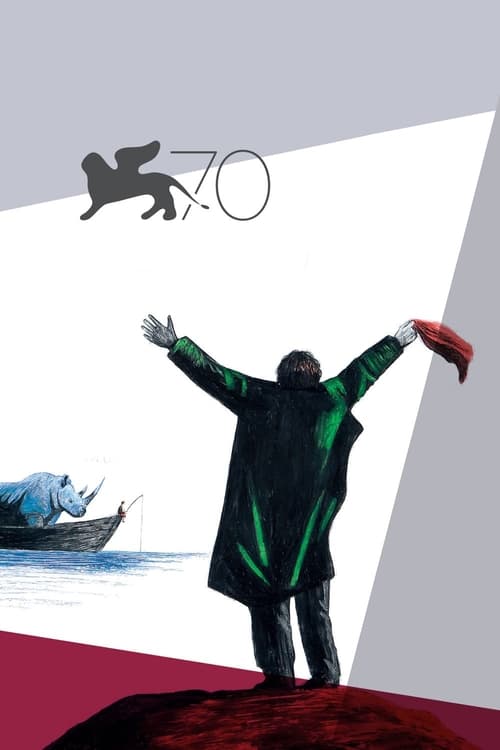
Made for the Venice Film Festival's 70th anniversary, seventy filmmakers made a short film between 60 and 90 seconds long on their interpretation of the future of cinema.
Venice 70: Future Reloaded
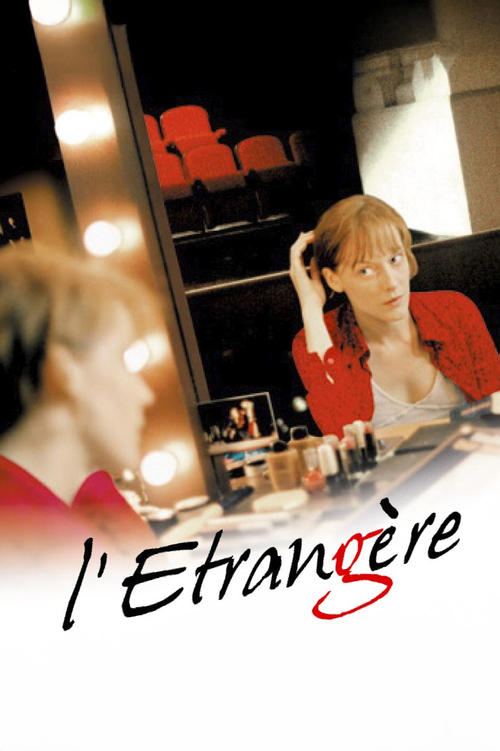
Sophie left her homeland, the United States, after a secret tragedy. In Paris, she divides her time between an opera house, where she is the dresser for a great Swedish singer, and amateur theater. David, her director, pushes her to her limits: she cannot refuse, so stubbornly, to live and love again. Little by little, Sophie lets herself be disturbed by her speech, and moved by the amorous games and the sensual atmosphere of the opera on which she is working, "Le Chevalier a la rose" by Richard Strauss. After each performance, Sophie sees a silent young man, Valentin. She is convinced that he is coming for the beautiful singer. But one day, he speaks to her, and Sophie finally becomes an actress of her own story.
L'étrangère
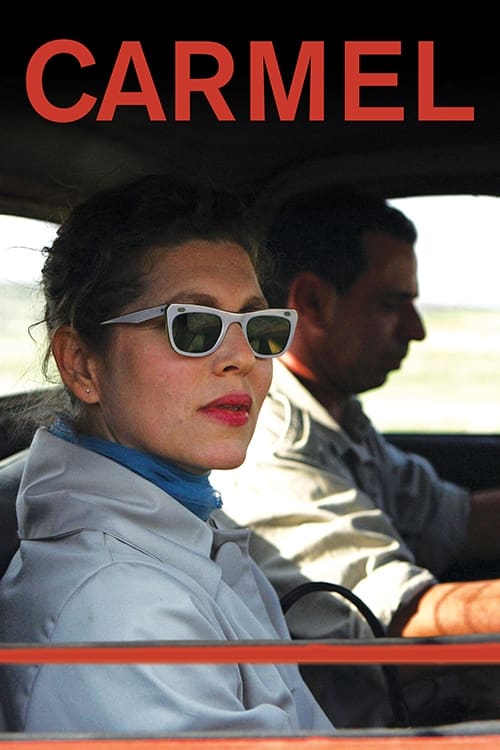
Israeli filmmaker Amos Gitaï offers a look impressionist long history of armed conflict in their nation.
Carmel
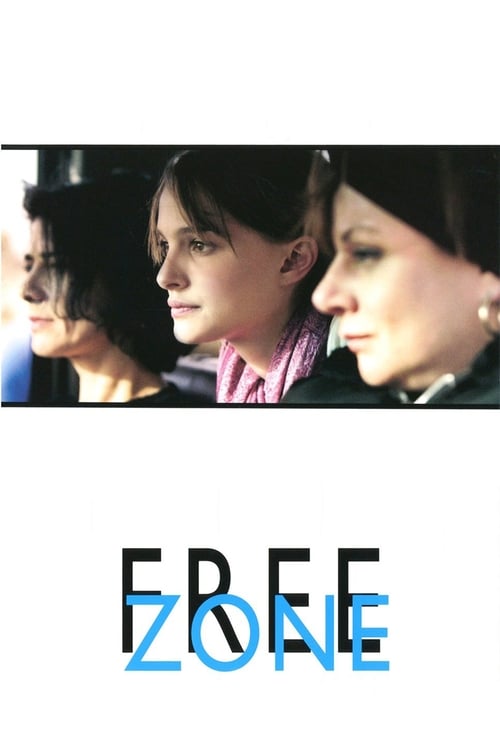
Rebecca, an American who has been living in Jerusalem for a few months now, has just broken off her engagement. She gets into a cab driven by Hanna, an Israeli. But Hanna is on her way to Jordan, to the Free Zone, to pick up a large sum of money.
Free Zone
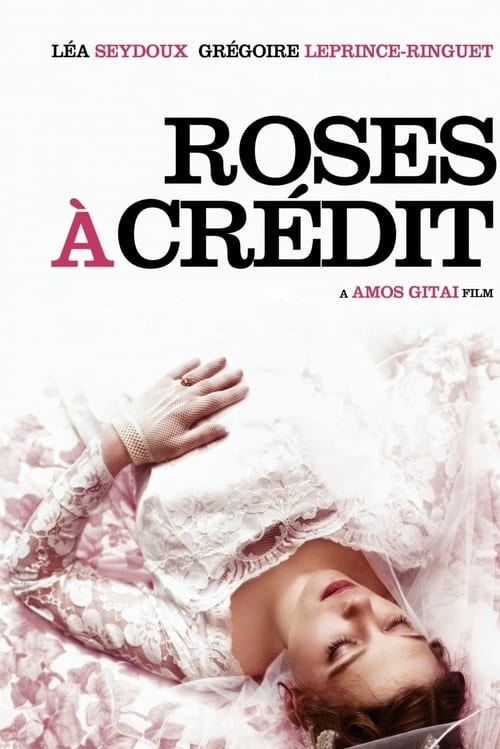
A young couple marry in France in the 1940s and the film follows the arc of their marriage over the next decade. As France recovers from the trauma of the war, the wife finds herself increasingly caught up in acquiring material possessions while the husband prefers a more traditional lifestyle.
Roses on Credit
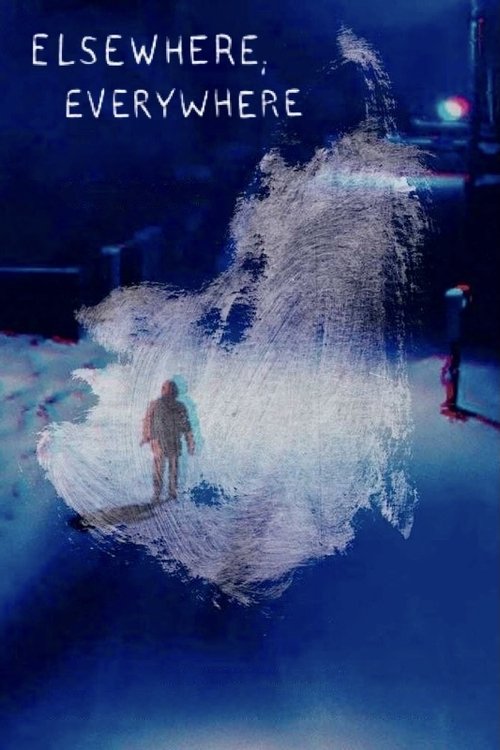
A computer screen, images from the four corners of the world. We cross borders in one-click while another trip’s story reach us in bits, through text messages, chats, phone conversations, and an immigration office’s questionnaire. It’s the journey of Shahin, a 20-year-old Iranian boy who, fleeing his country alone, lands in Greece, then winds his way to England where he claims asylum.
Elsewhere, Everywhere
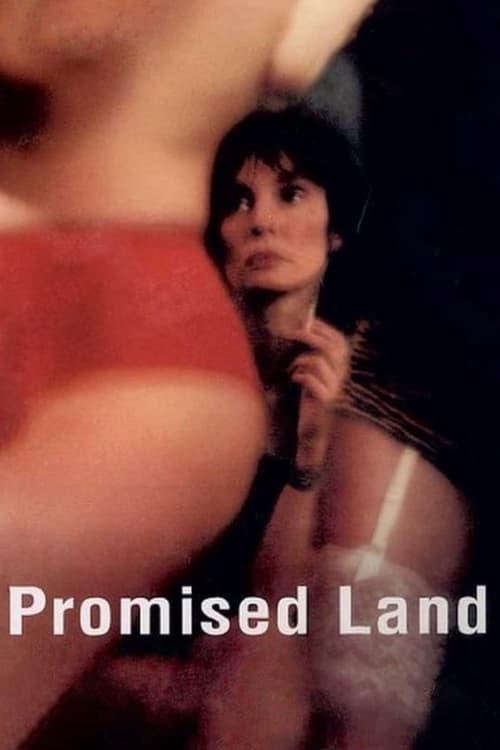
"Promised Land" tells the story of a group of young unwitting Estonian girls smuggled through Egypt to be auctioned off as prostitutes in Israel, and of their initiation into this trade of flesh, and finally of the accidental freeing of one girl who most fight for her freedom.
Promised Land
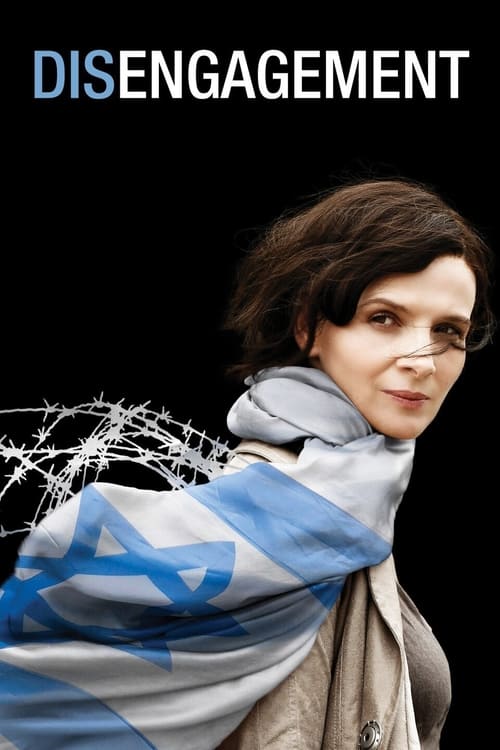
A political drama centered around Israel's pullout from the occupied Gaza strip, in which a French woman of Israeli origin comes to the Gaza Strip to find her long ago abandoned daughter.
Disengagement
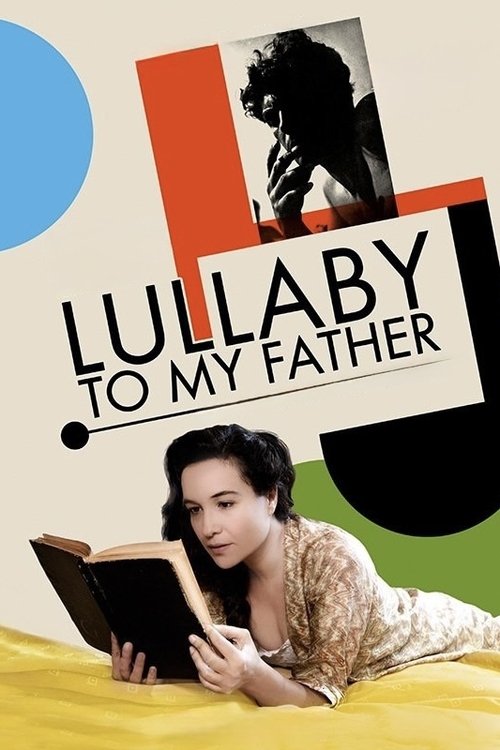
The film intertwines historical events and intimate memories. I observe how architecture represents the transformations of society and those who give form to this architecture. We follow the journey of Munio, my father, born in 1909 in Silesia, Poland, the son of a tenant farmer of a Prussian junker. At the age of 18, Munio goes to Berlin and Dessau to meet Walter Gropius, Kandinsky and Paul Klee at the Bauhaus. In 1933, the Bauhaus was closed by the Nazis, who accused Munio of treason against the German people. Munio was imprisoned, then deported to Basel. He left for Palestine. Upon his arrival in Haifa, he began a career as an architect and adapted European modernist principles to the Middle East.
Lullaby to my Father
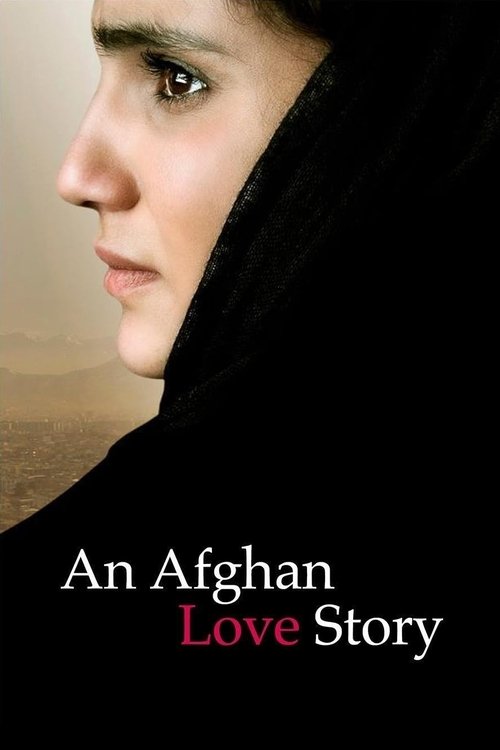
It’s snowing in Kabul, and gregarious waiter Mustafa charms a pretty student named Wajma. The pair begin a clandestine relationship—they’re playful and passionate but ever mindful of the societal rules they are breaking. After Wajma discovers she is pregnant, her certainty that Mustafa will marry her falters, and word of their dalliance gets out. Her father must decide between his culturally held right to uphold family honor and his devotion to his daughter.
An Afghan Love Story
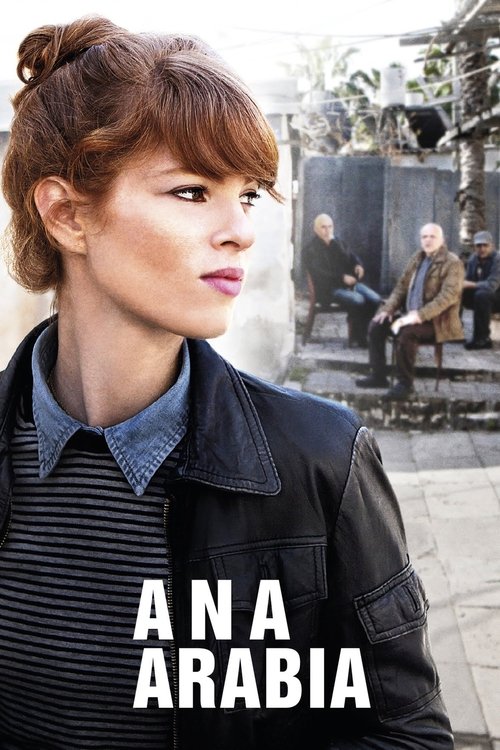
Filmed in one sequence-shot of 1 hour and 25 minutes, Ana Arabia is a moment in the life of a small community of outcasts, Jews and Arabs, who live together in a forgotten enclave at the “border” between Jaffa and Bat Yam, in Israel. One day, Yael, a young journalist, visits them. In these dilapidated shacks, in the orchard filled with lemon trees and surrounded by mass public houses, she discovers a range of characters far removed from the usual clichés offered by the region. Yael has the feeling of having discovered a human goldmine. She no longer thinks of her job. Faces and words of Youssef and Miriam, Sarah and Walid, of their neighbors, their friends tell her about life, its dreams and its hopes, its love affairs, desires and disillusions. Their relation to time is different than that of the city around them. In this tinkered and fragile place, there is a possibility of coexistence. A universal metaphor.
Ana Arabia
No description available.
avant après
No description available.
Description d'un combat
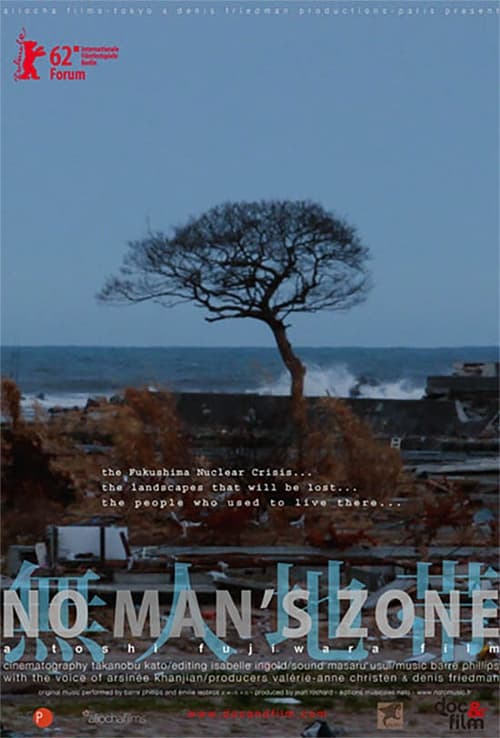
On March 11, 2011, a tsunami struck the coast of Fukushima causing the meltdown of a nearby power plant. Within 24 hours the population within a 20-km radius was ordered to evacuate. Shortly thereafter Toshi Fujiwara entered the so-called "No Man's Zone," interviewing those who either could not or did not want to leave. Haunted by imperceptible traces of radiation, Fukushima has been transformed into an atmosphere of silence and disintegration, a land of cherry blossoms and ghosts in white protective clothing.
No Man's Zone

Al Moon lives a solitary life on the territory of the Yurok nation in California. Surrounded by violence and ecological threats affecting his people, buried anxieties from his time in Vietnam now begin to resurface. Driven by an urge to confront his past, Al Moon embarks on a cross-country journey, moving closer to uncovering a truth that has haunted him for decades.
New Beginnings
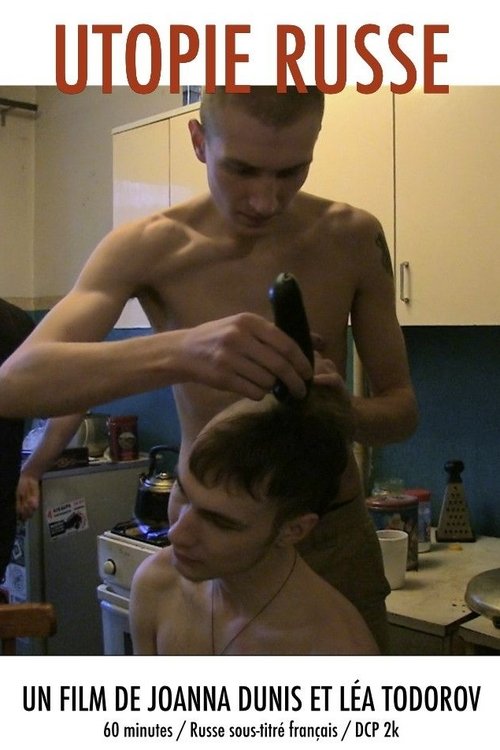
Russia 2012, year of Putin’s re-election. For the first time in 15 years, the population is rising up for political change, starting with the 20-somethings who make up the National Bolshevik Party. Their guru: Eduard Limonov –punk poet turned radical leader. Zhenia, Marat, Anya, Shuka and Tvorog come from the provinces of a country destroyed by authoritarianism and brutal capitalism. With no true political platform, beliefs that flirt with extremism and revolution as their sole religion, they look up to Stalin and Robespierre, Gandhi and the Che. Galvanised by the stories of their patriotic idols, they have chosen to live like revolutionary heroes.
Russian Utopia
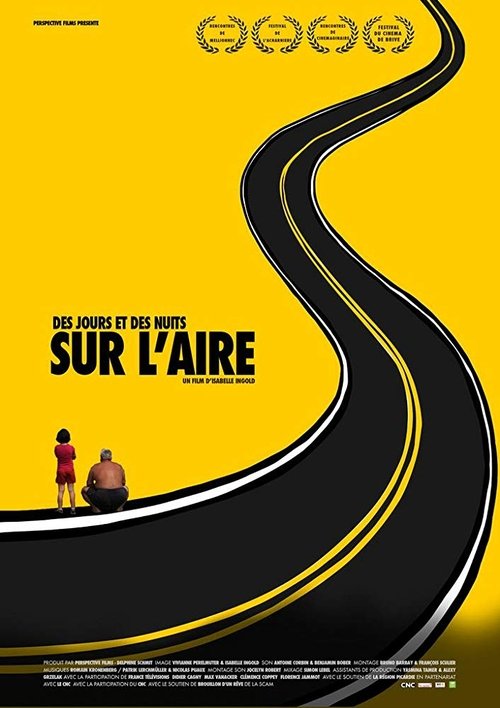
This film is a portrait of a highway rest stop in the middle of the Picardy countryside. A place like in a dream, rustling with the thoughts and lives of those who pass through it and who work there, but also a real place, a genuine observation post of today's Europe and where the violence of single market competitiveness is bluntly visible, along with contemporary rootlessness and solitude.
Highway Rest Stop
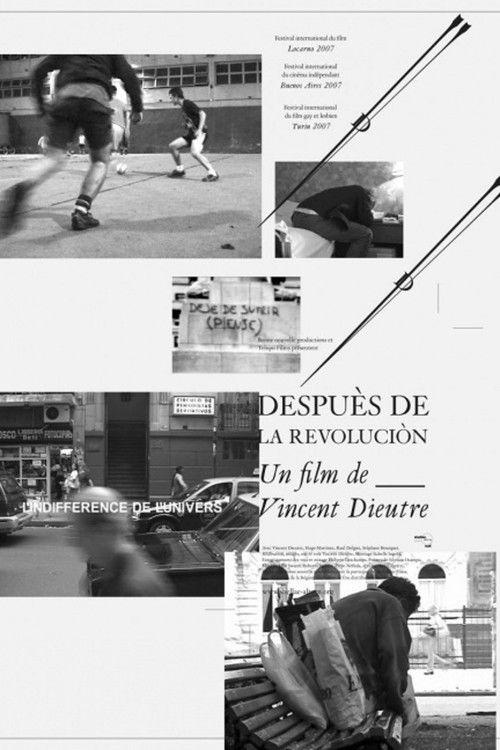
Staying in the Argentinian capital, Vincent Dieutre compares his memories of a Buenos Aires magnified by the Argentinians in exile at the end of the 1970s, and with whom he associated, with what the city offers him today. His film rings out like an adieu to the fantasies of the past, while fulfilling a promise: the unfailing welcome reserved for the poetic powers of the present.
After the Revolution
The autopsy report of a leg found floating on the Seine, the voice mail of a missing girl and the appearance of a ghost in her home.