Laura Huertas Millán
Directing
Biography
Laura Huertas Millan is a French-Colombian filmmaker and visual artist, whose practise stands at the intersection between cinema, contemporary art and research. Selected in cinema festivals such as the Berlinale, Toronto International Film Festival (TIFF), Rotterdam International Film Festival, New York Film Festival and Cinéma du Réel, her films have earn prizes at the Locarno Film Festival, FIDMarseille, Doclisboa and Videobrasil, among others. More than twenty retrospectives and focus of her work have been organised around the globe, in cinematheques such as Toronto ́s TIFF Lightbox, Harvard ́s Film Archive or Bogota ́s cinematheque, and leading film festivals as Mar del Plata and Rencontres du Documentaire de Montreal. In the art field, her latest solo exhibitions were held at the MASP Sao Paulo, Maison des Arts de Malakoff and Medellin ́s Modern Art Museum. Her films have also been exhibited and screened in art institutions (Centre Pompidou Paris, Jeu de Paume, Guggenheim Museum NY, Times Art Berlin) and biennials (Liverpool, FRONT Triennial, Videobrasil, Videonnale). They are part of private and public collections (Kadist, CNAP, Banco de la República de Colombia, CIFO, FRAC Lorraine, and others). Huertas Millan holds a practise-based PhD on “Ethnographic Fictions” developed between PSL University (SACRe program) and the Sensory Ethnography Lab (Harvard University). She works as an educator in academic and alternative spaces. Since 2019, Huertas Millan is part of a research-based duo with curator and writer Rachael Rakes on critical anthropology and the aesthetics and politics of the encounter.
Known For

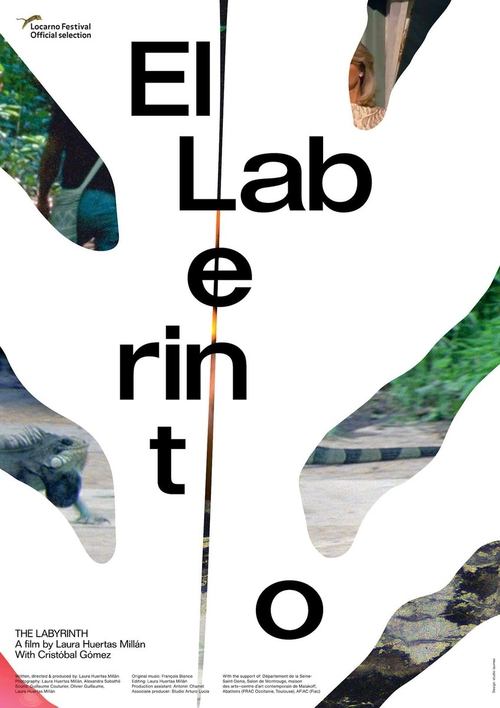
A voyage into the labyrinthic memories of a Uitoto man, who worked for the drug Lords in the Colombian Amazon back in the 80s. Following his path between the forest and the ruin of a Narco´s mansion imitating the Carrington mansion in the soap opera Dynasty, the film unfolds the hallucinatory account of a near-death experience.
The Labyrinth

Antonia is a lyrical singer whose beauty is uncommon, lush and somber. Recovering from a suicide attempt in a rehabilitation institution, all her family ties are irreparably broken. But her sister remains deeply affected by what happened.
Black Sun

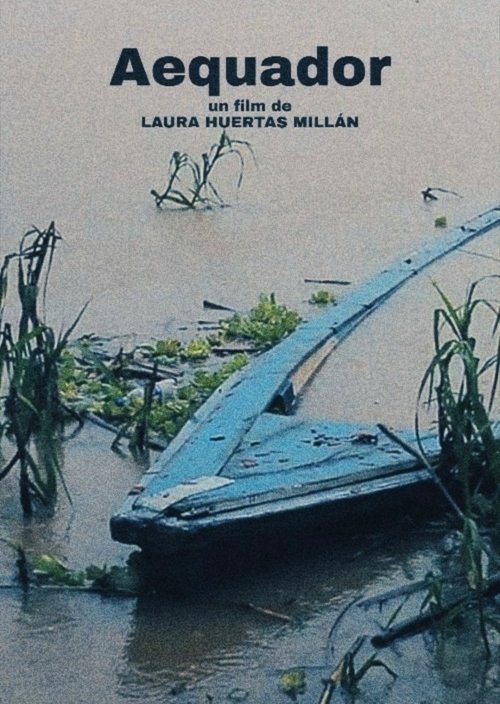
A journey upstream the Amazon river where Modernist constructions have been abandoned like the memories of an engulfed civilisation of the future. A science-fiction documentary evoking the colonization of nature, former utopias in the Latin America forests and their cohabitation with the present.
Aequador

Produced out of Harvard's Sensory Ethnography Lab, Laura Huertas Millán's quietly masterful La Libertad follows a group of matriarchal weavers in Mexico, formally mimicking the examination of an object through subtle shifts in scale and space.
La Libertad
The coca plant is one of the world’s most controversial plants. In the West, it is primarily associated with the recreational drug cocaine, which was first produced in Europe in the nineteenth century and has given rise to a violent system of drug trade and abuse. The plant’s healing and stimulating properties have endowed it with cultural and spiritual significance for the indigenous population of the Andes region, yet this fact has gone rarely mentioned in history books, pointing to the Western hegemony of knowledge among other factors. Since 2018, Colombian filmmaker Laura Huertas Millán has examined the coca plant in her work.
Para la Coca

In a film, meeting a strange tribe often starts with the plunging view from a building necessary to the journey. The architecture of Jean-Pierre Secq dubbed the noise of the waves washes over us in this way. However, to open it, the construction was massive and still, unfolding the three concrete wings of this equatorial greenhouse in Lille. This essay on the conquest of America assumes its own contradiction, underlined by a montage of texts by colonisers: Bernal Diaz del Castillo, Hans Staden, Jean de Léry, Charles de la Condamine and the use of costumes and masks inspired by Brazilian modernism. The discovery of a new world conducted in slow motion listening to the minutes of an unlikely trial of the invaders. The most restrained of movements, surplus, to make the most of rediscovering the New World. Gilles Grand, FID Marseille catalogue, 2012.
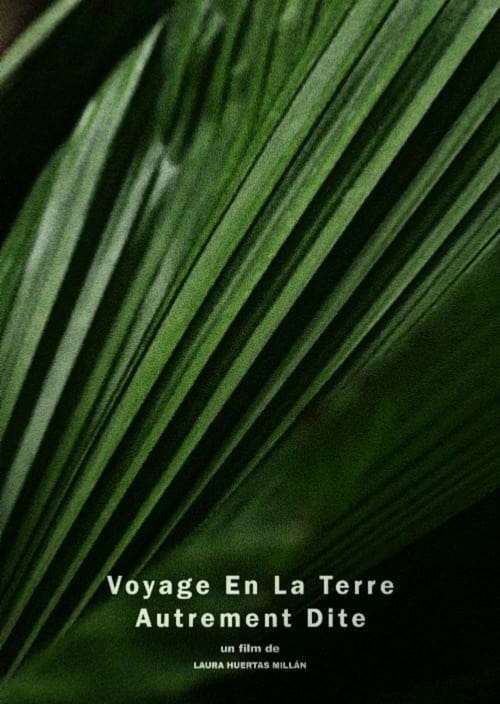
Journey to a Land Otherwise Known

The 𝘳𝘶𝘴𝘩𝘦𝘴 evidence the presence of the person filming, revealing their movement and their center; they are the record of a hesitation seeking balance, testimony to the measurement of time. In that sustained gaze that pursues the precision of a gesture, meanings and bewilderment suddenly unfold. Filming, then, is the construction of a logic permeated by speculation, which in turn fertilizes it.
Material Bruto Silente

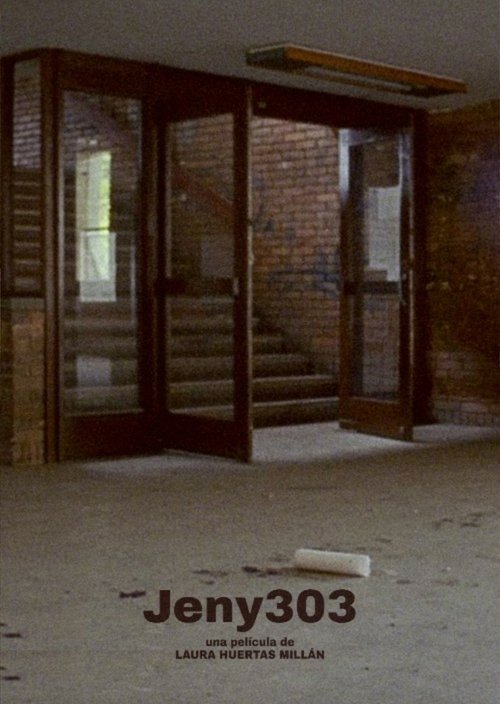
A site of activism and bloodshed, Building 303 was an icon of Bogotà. Now demolished, the university—and its political graffiti—haunts this spectral short, intruding on a portrait of a recovering addict. Laura Huertas Millán’s film is one of ruin and survival, inspired by its “living works of art.”
Jeny303

For time immemorial, the indigenous peoples of Latin America have used and venerated the coca plant, affording it the same respect as a person. Jiíbie is the Uitoto word for the powder made from the plant, which is produced here in the domestic setting of a Muiná-Muruí family (in the Colombian Amazon). A spiritual guide, a healer, a teacher and a communicator: these are just some of the roles assigned to this “plant of power”.
Jiíbie

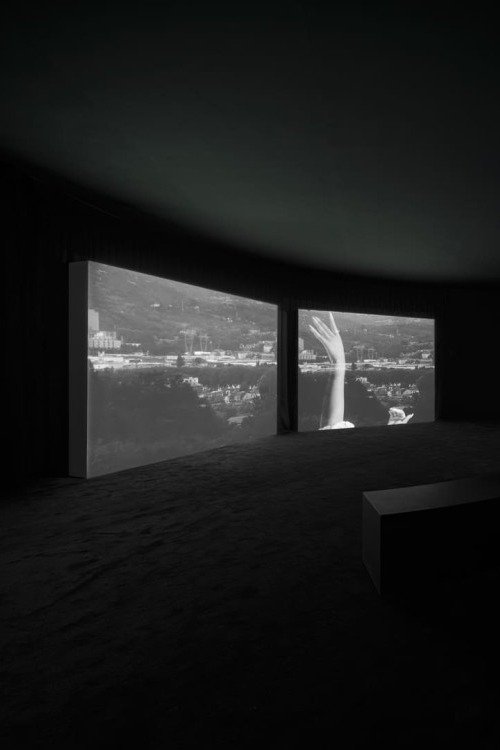
In this multi‑channel installation, Laura Huertas Millán develops a speculative narrative inspired by 17th‑century Inquisition archives from Peru and Colombia. These documents mention women condemned for distributing coca leaves after the plant was prohibited under Spanish colonial rule. Blurring history and fiction, the work imagines a collective of femmes who move through subterranean landscapes, offering coca to enslaved Indigenous mine workers for survival. In doing so, Huertas Millán highlights the coca plant’s role in both colonial exploitation and resistance, while drawing a material connection between silver mines—and the silver content of analog film itself.