FEEL IT.STREAM
Ali Kazimi

Ali Kazimi

Directing

Biography

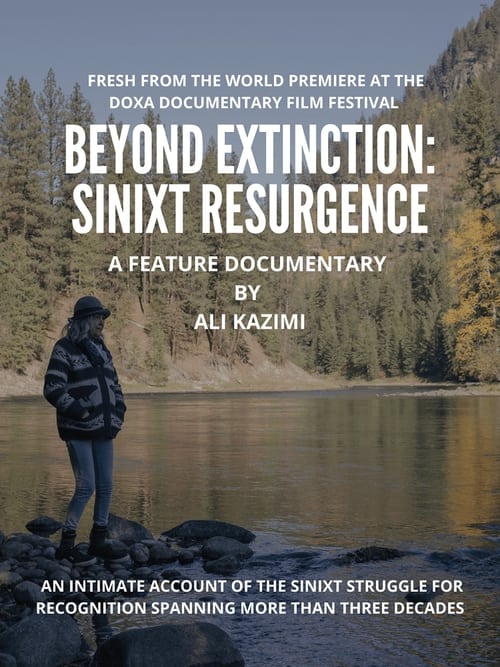
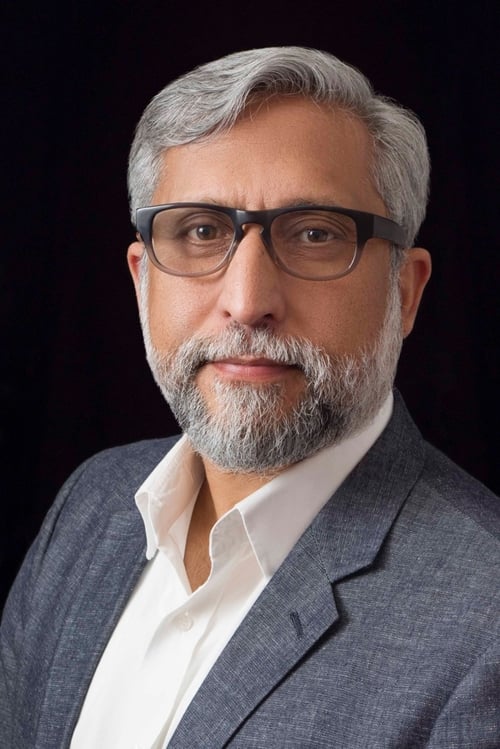
Ali Kazimi's body of work, which tackles complex issues of race, social justice, migration, history and memory, spans a broad spectrum of genres and media. He founded the Stereoscopic 3D Lab at York University and has received the Donald Brittain Award and the Gemini Award for Best Social/Political Documentary. Born and raised in India, he came to Canada in 1983 and now lives in Toronto, Ontario.
Known For

High Risk Offender
4.5

Director Barry Greenwald takes his camera into a place we never thought we'd see so intimately: a high-risk parole office and the people whose lives it touches--prisoners guilty of everything from murder to white-collar crime; officers desperate to keep their clients out of prison and their failures off the files. What you see on-screen is the real thing: raw, revealing and utterly fascinating. Over a 10-month period, we follow six high-risk offenders and the parole officers and therapists whose job is to make sure they stay clean, stay out of trouble and stay out of jail. The offenders put up with urine tests for drugs, random curfew checks and therapy sessions. Most work at it, some feel hopeless, others just go through the motions. Their stories are at turns bizarre, tragic, disturbing and endearing. Frightening and funny, sad and troubling, High Risk Offender is a stunning documentary.

High Risk Offender

1998Movie
No image
8.0

Spanning over a decade, from 1984 to 1996, Shooting Indians: A Journey with Jeffrey Thomas is an ironic documentary journey full of quiet insights and surprising twists. Starting the film as a foreign student in 1984, Kazimi begins to unravel the hidden history of the land that he has chosen as his home. At one level, Shooting Indians is a portrait of Jeffrey Thomas, an Iroquois photographer. The film explores the influences on his life which led him to his career. It was the work of an American photographer from the turn of the century, Edward Curtis, which forced Thomas to closely examine how Indigenous peoples had been photographed in the past. Thomas views Curtis’ monumental work as a “mountain which must be crossed.” On another level is the irony of an Indian from India making a film on a North American Indian and this is woven throughout the fabric of the film.

Shooting Indians: A Journey with Jeffrey Thomas

1997Movie
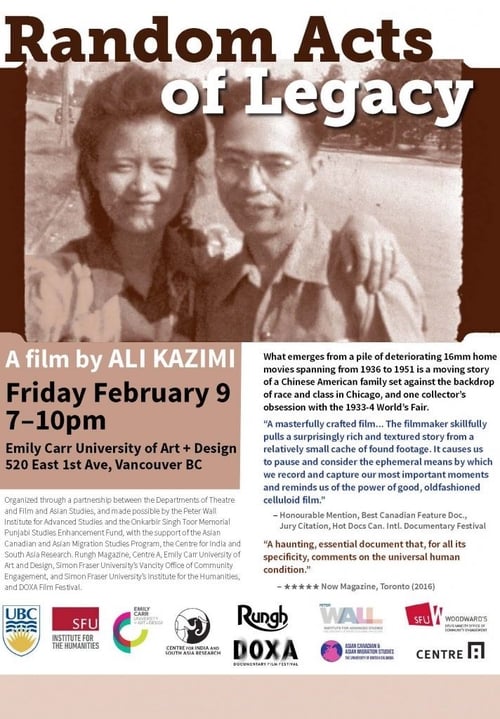
Random Acts of Legacy

Silas Fung, a Chinese-American, was a sign designer and painter for Sears in Chicago in the 1930’s. Born into a creative family, he was also an avid painter, musician, church-goer, documentarian and father. After he was married (to Edythe) and had children, he decided to continue his passion for filming by documenting their lives. Over the next two or three decades, he amassed his family’s whole life as they became part of the middle class of America. Meanwhile, in the early 21st century, Ali Kazimi was bidding on an online auction for some 16mm nitrate film cans with Silas’ name on them. After winning them and starting the process of cleaning them up, he was contacted by a lady who was bidding on another lot of Silas’ films and wanted to know who had won the second lot. From there, Kazimi began to interview Silas’ daughter, Irena Lam, and other Chinese-American people who grew up at the same time as Irena as well as experts in Sino-American culture.

Random Acts of Legacy

2016Movie
Fig Trees
5.0

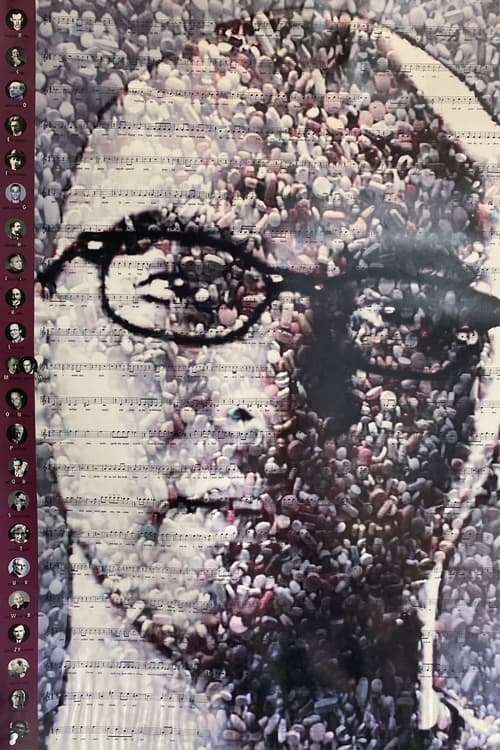
FIG TREES is a documentary opera about AIDS activists Tim McCaskell of Toronto and Zackie Achmat of Capetown as they fight for access to treatment drugs. Documentary interviews, speeches, press conferences and demonstrations are sampled, taken apart, and set to music, replayed this time as operatic scenes. A surreal fictional narrative is intercut with the stories of their struggles against government and the pharmaceutical industry. In this fictional world, Gertrude Stein decides to write a tragic opera about Tim and Zackie and their saint-like heroism. She kidnaps them, transports them to Niagara Falls, and forces them to sing a series of complicated avant-garde vocal compositions. However, when Zackie ends his treatment strike and starts taking his pills, Gertrude realizes that there will be no more tragedy, and thus, no more opera.

Fig Trees

2009Movie