Production
The BBC Television Shakespeare is a series of British television adaptations of the plays of William Shakespeare, created by Cedric Messina and produced by BBC Television. It was transmitted in the UK from 3 December 1978 to 27 April 1985 and spanned seven series. Development of the series began in 1975 when Messina saw that Glamis Castle would make a perfect location for an adaptation of Shakespeare's play As You Like It. On returning to London, he envisioned an entire series devoted exclusively to the dramatic works of Shakespeare. After encountering numerous problems trying to produce the series, Messina eventually pitched the idea to the BBC’s departmental heads and the series was greenlighted. The series as a whole received generally negative reviews from critics.
A BBC television anthology series featuring productions of classic and contemporary stage plays usually broadcast on BBC1. Each production featured a different work, often using prominent British stage actors in the leading roles. The series was transmitted from October 1965 to September 1983.
A one-hour anthology television series of one-off contemporary and classic dramas produced by the BBC.
Theatre 625 is a British television drama anthology series, produced by the BBC and transmitted on BBC2 from 1964 to 1968. It was one of the first regular programmes in the line-up of the channel, and the title referred to its production and transmission being in the higher-definition 625-line format, which only BBC2 used at the time.
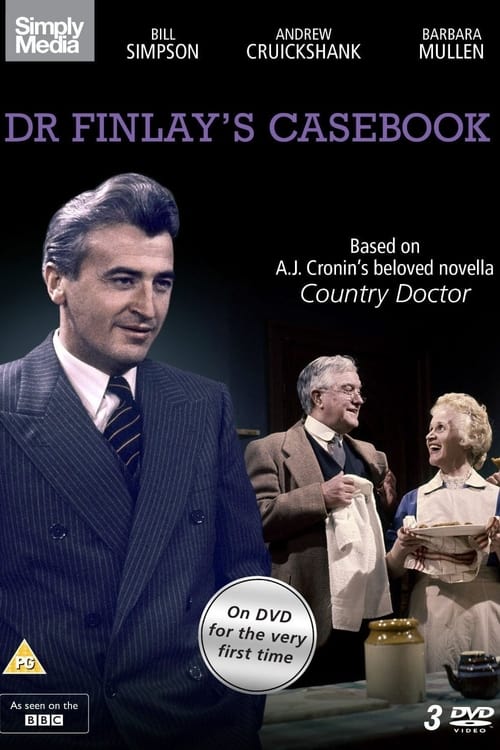
Dr Finlay's Casebook is a BBC television series that was broadcast from 1962 until 1971. Based on A. J. Cronin's novella Country Doctor, the storylines centred on a general medical practice in the fictional Scottish town of Tannochbrae during the late 1920s.
An anthology of plays and novels adapted into feature length TV movies, broadcast on BBC2 from September 1977 to April 1979.
Thursday Theatre is a British television anthology programme produced by and aired on the BBC from 1964–1965. The productions ranged in duration from 75 to 95 minutes. Out of the 23 episodes, 13 are believed lost, and one is incomplete.
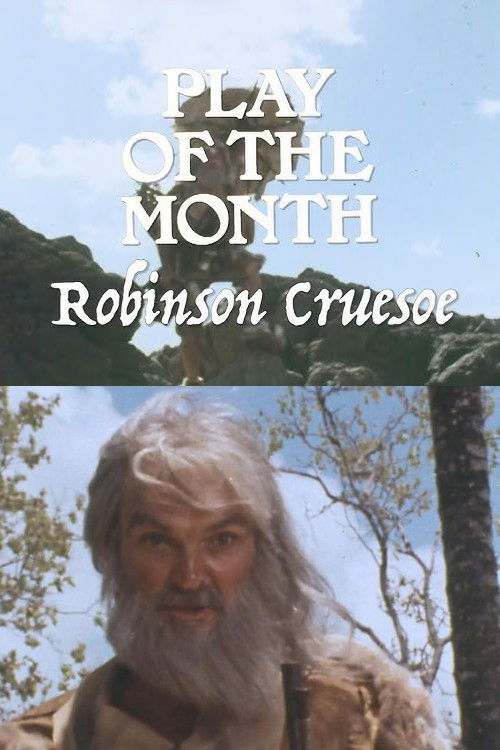
A man struggles to survive after being shipwrecked on a deserted island.
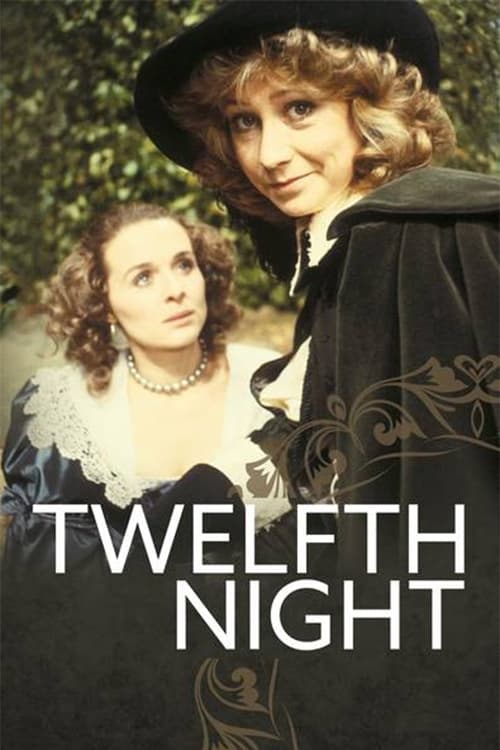
Viola and Sebastian are lookalike twins, separated by a shipwreck. Viola lands in Illyria, where she disguises herself like her brother and goes into the service of the Duke Orsino. Orsino sends her to help him woo the Lady Olivia, who doesn't want the Duke, but finds that she likes the new messenger the Duke's sending. Then, of course, Viola's brother shows up, and merry hell breaks loose. Meanwhile, Olivia's uncle and his cohorts are trying to find some way to get back at Olivia's officious majordomo, Malvolio.
The 1972 BBC adaptation of Ibsen’s epic dramatic fantasy about a man in search of his soul.
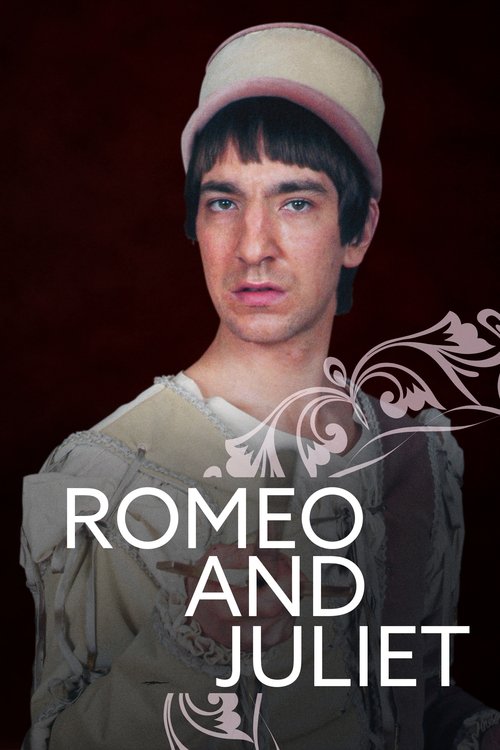
Two households, both alike in dignity, in fair Verona where we lay our scene, from ancient grudge break to new mutiny where civil blood makes civil hands unclean. From forth the fatal loins of these two foes a pair of star-cross'd lovers take their life whose misadventur'd piteous overthrows doth with their death bury their parents' strife.
In 1940 Kenya as their country prepares for war, the local aristocratic social set lives a decadent, self-indulgent lifestyle, that leads to murder. The same events were also dramatised in the feature film White Mischief, which was released seven months after the first transmission of The Happy Valley.
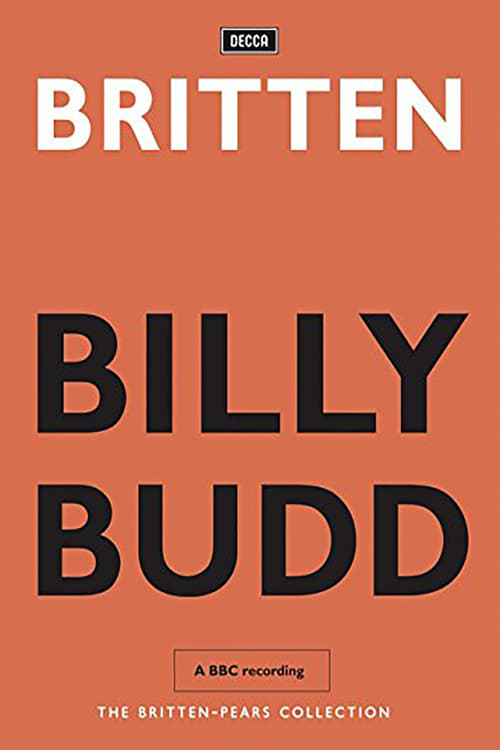
A version of Benjamin Britten's opera based on the Melville story. Will the virtuous young sailor Billy Budd be hanged for murder?
During a weekend at a country house in the 1920s, a Jewish outsider accuses a former officer of theft, setting off a tragic chain of events.
A play by Terence Rattigan about the stories of several people staying at a seaside hotel in Bournemouth which features dining at "Separate Tables."
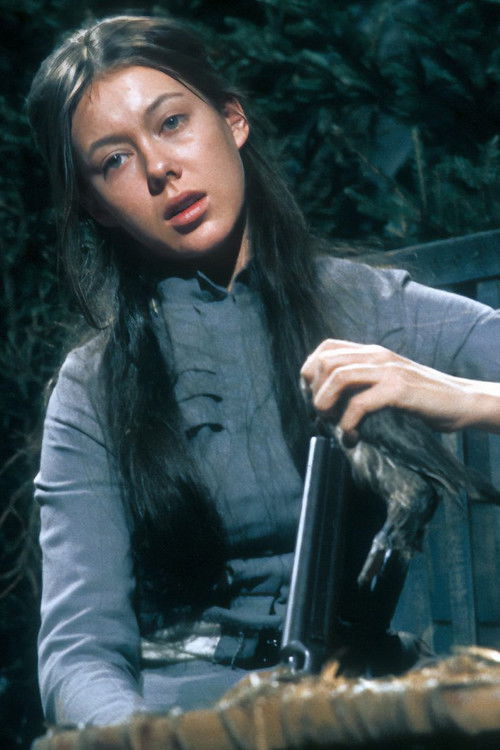
A devestating, yet bracing look at a family whose proximity to each other belies the decay of their relationships, The Wild Duck is just as modern today as it was when first staged. When Gregors Werle comes to stay with the Ekdals, his idealist nature refuses to tolerate the dreamworld of lies the family is living. However, in his bid to force the Ekdals to see the truth, the skeletons he unearths destroy the family that he wanted to redeem.
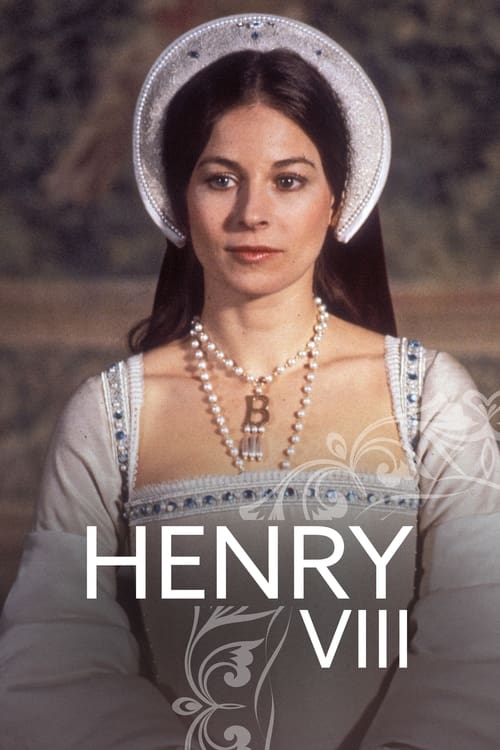
Henry is a proud monarch who flies in the face of the church in seeking to divorce Queen Katherine and marry Anne Bullen. As cardinal Wolsey, the powerful Lord Chancellor of England, attempts to bend Rome to the King's wishes, the court reverbates with political intrigue and accusations of treachery.
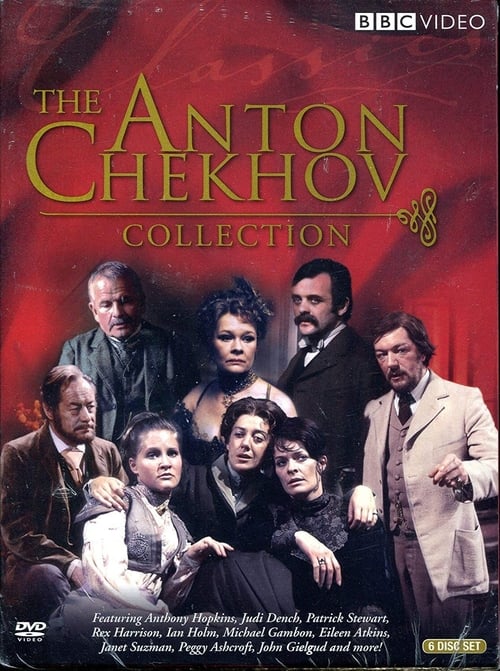
In a small Russian town at the turn of the century, three sisters (Olga, Irina, and Masha) and their brother Andrei live but dream daily of their return to their former home in Moscow, where life is charming and stimulating meaningful. But for now they exist in a malaise of dissatisfaction. Soldiers from the local military post provide them some companionship and society, but nothing can suffice to replace Moscow in their hopes. Andrei marries a provincial girl, Natasha, and begins to settle into a life of much less meaning than he had hoped. Natasha begins to run the family her way. Masha, though married, yearns for the sophisticated life and begins a dalliance with Vershinin, an army officer with a sick and suicidal wife. Even Irina, the freshest, most optimistic of the sisters, begins to waver in her dreams until, finally, tragedy strikes.
Clarissa, the wife of a Foreign Office diplomat, is given to daydreaming. 'Supposing I were to come down one morning and find a dead body in the library, what should I do?' she muses. Clarissa has her chance to find out when she discovers a body in the drawing-room of her house in Kent.
Shaw's comedy of ideologies looks forty years to the future at the impossibility of government as the British cabinet and monarchy face a day of "crisis" for the country. King Magnus is happy to engage a prime minister seeking to transform the nation into a constitutional monarchy, but who truly rules in this democracy: the king, the government or the businessmen? And do any of them care about the people?