Writing
L.A. Law is an American television legal drama series that ran for eight seasons on NBC from September 15, 1986, to May 19, 1994. Created by Steven Bochco and Terry Louise Fisher, it contained many of Bochco's trademark features including a large number of parallel storylines, social drama and off-the-wall humor. It reflected the social and cultural ideologies of the 1980s and early 1990s, and many of the cases featured on the show dealt with hot-topic issues such as abortion, racism, gay rights, homophobia, sexual harassment, AIDS, and domestic violence. The series often also reflected social tensions between the wealthy senior lawyer protagonists and their less well-paid junior staff. The show was popular with audiences and critics, and won 15 Emmy Awards throughout its run, four of which were for Outstanding Drama Series.
Miss Giehse, an elderly teacher in a boarding school, tries with a lot of good will for her student Robert. The boy seems strangely withdrawn and depressed to her. Robert, whose behavior can be traced back to his parental home, which lacks orderly family relationships, disrupts the lessons with his defiant and rebellious behavior. All her attempts to investigate the causes of this behavior, however, only lead to increasingly serious misunderstandings. In almost hysterical exaggeration, provoked by Robert's tormenting behavior, she finally believes that he is trying to poison her and knocks the boy down during a break. The principal of the boarding school inadvertently witnesses this incident and dismisses Miss Giehse after a heated controversy. The teacher does not overcome the shame of the dismissal and the pain of her own actions and dies on the day she has to leave the boarding school on a trip with the school bus.
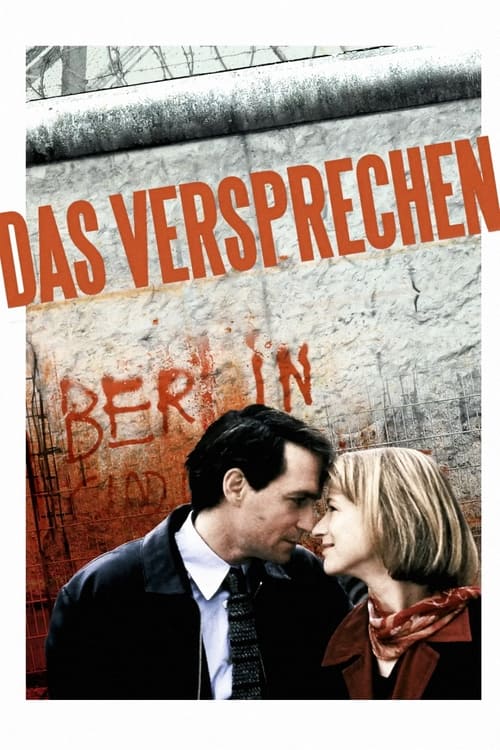
East-Berlin, 1961, shortly after the erection of the Wall. Konrad, Sophie and three of their friends plan a daring escape to Western Germany. The attempt is successful, except for Konrad, who remains behind. From then on, and for the next 28 years, Konrad and Sophie will attempt to meet again, in spite of the Iron Curtain. Konrad, who has become a reputed Astrophysicist, tries to take advantage of scientific congresses outside Eastern Germany to arrange encounters with Sophie. But in a country where the political police, the Stasi, monitors the moves of all suspicious people (such as Konrad's sister Barbara and her husband Harald), preserving one's privacy, ideals and self-respect becomes an exhausting fight, even as the Eastern block begins its long process of disintegration.
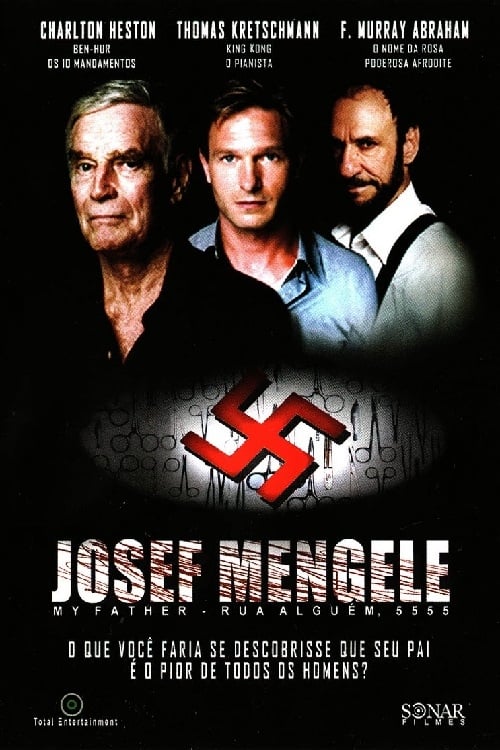
A man who grew up an orphan finally gets to meet his father: The psychopath Dr. Josef Mengele, the Auschwitz surgeon who performed genetic experiments on concentration camp refugees during WWII.
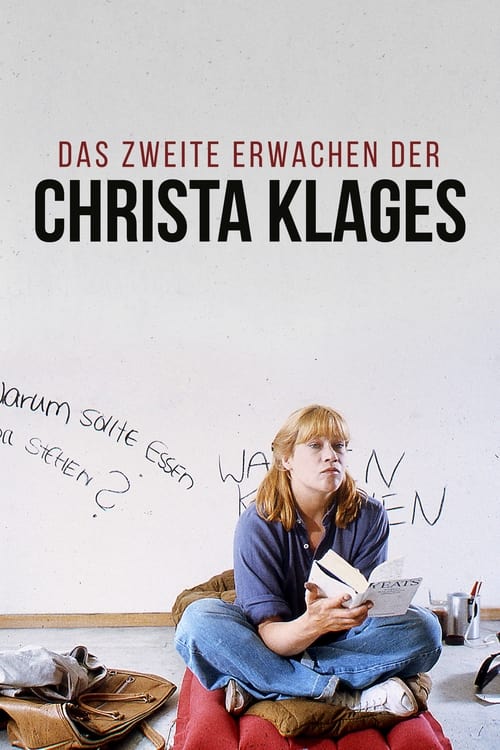
Three people rob a bank to help a day care center that's in debt. Wolf is captured, Werner identified, police suspect Christa is the third. She and Werner ask Hans, a clergyman, to launder the money and give it to the kindergarten. He refuses. They try Ingrid, Christa's friend, who tries to help, but the school rejects the money. When tragedy strikes Werner, Hans helps Christa bolt to a collective in Portugal. Ingrid visits her; their relationship makes the collective nervous, so she returns to Germany and ceases living in hiding. The police are still looking for her and so is a witness to the robbery, Lena, a bank clerk. Lena's interest brings Christa's second awakening.
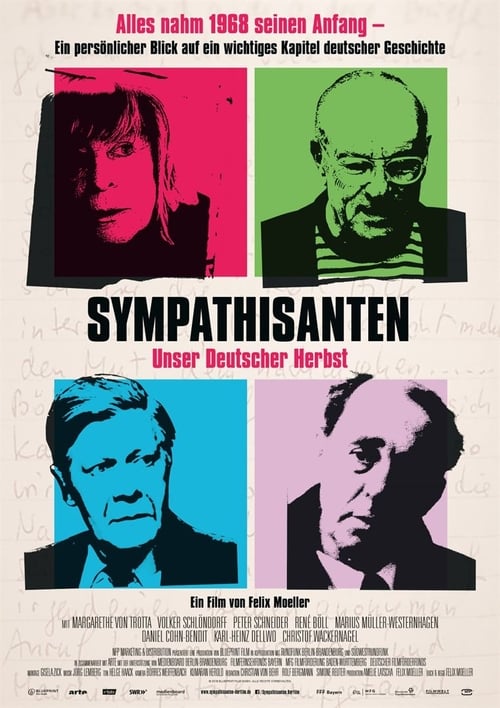
West Germany in the 1970s. Many artists, journalists and intellectuals were branded as sympathizers of Baader-Meinhof's left-wing terrorism. The parents of the director, too: Margarethe von Trotta and his stepfather, Volker Schlöndorff. With extensive archive materials and film clips as well as Margarethe von Trotta's private diaries the film portrays one German family and the society of the time.
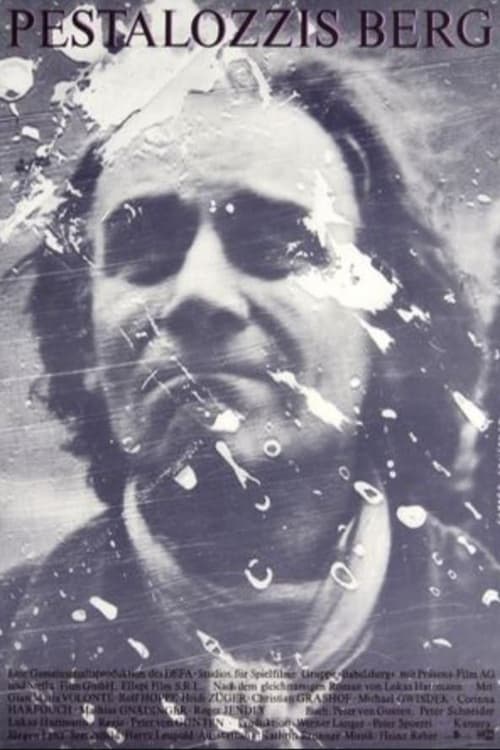
In the 1770s, Swiss farmer Johann Heinrich Pestalozzi established a school for poor orphaned children in the Aargau. Up to total exhaustion he sacrificed himself for his pedagogical theories. Five years later, the project of the idealistic educator failed after bloody attacks of the French. In retrospect, the disappointed Pestalozzi experiences the last few months with "his" children.
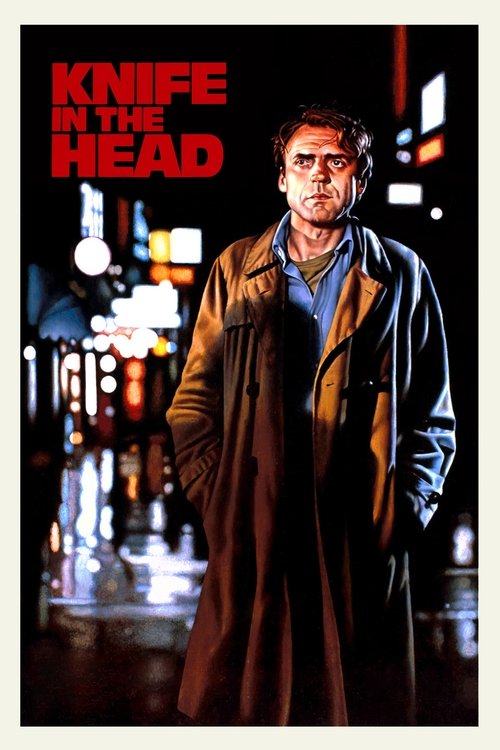
One night when seeking his estranged wife, Hoffmann goes to the youth center where she works. The police are there rounding up radicals who frequent the center - Hoffmann runs into the building and ends up being shot in the head. He awakens with brain trauma, partially paralyzed and unable to speak. The police accuse him of stabbing an officer; the radicals herald him as an innocent victim of police brutality. During his slow recovery at the hospital, Hoffmann must piece together his life and struggle to remember the events of that night.
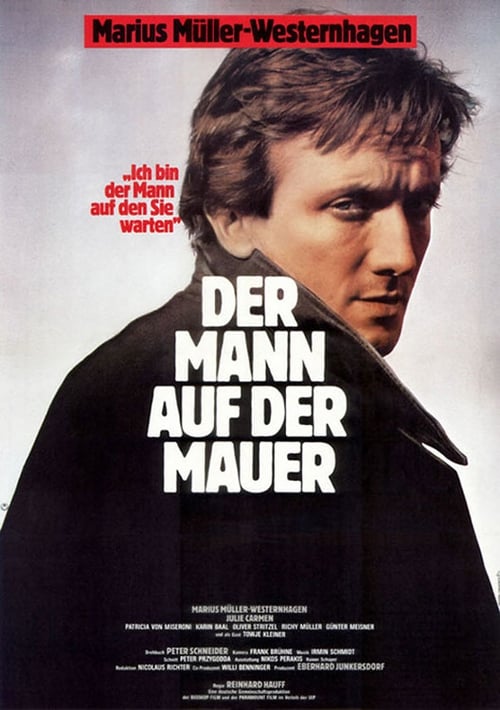
An East German man finds a way to cross the border between East and West Berlin. But when he succeeds in bringing his wife out as well, things are not quite as expected.
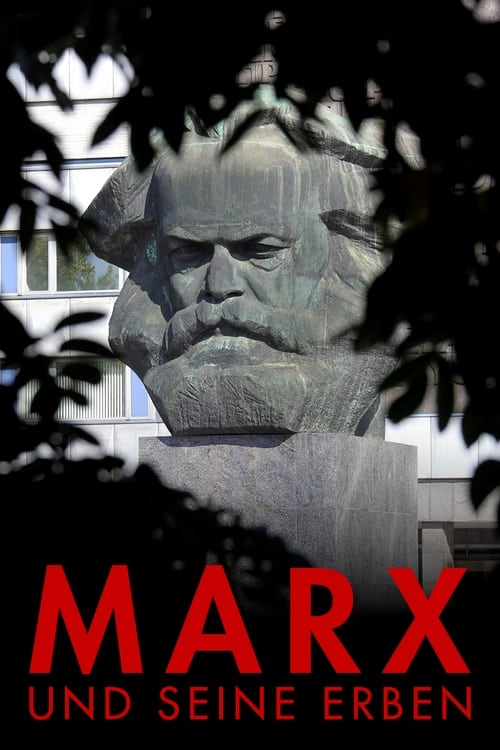
Over the past hundred years, dramatic social upheavals have taken place in the name of Karl Marx's theories. In Western Europe, the student movement of 1968 and the Eurocommunists were inspired. And in recent times, the thinker has experienced a renaissance.