Dörte Haak
Writing
Known For
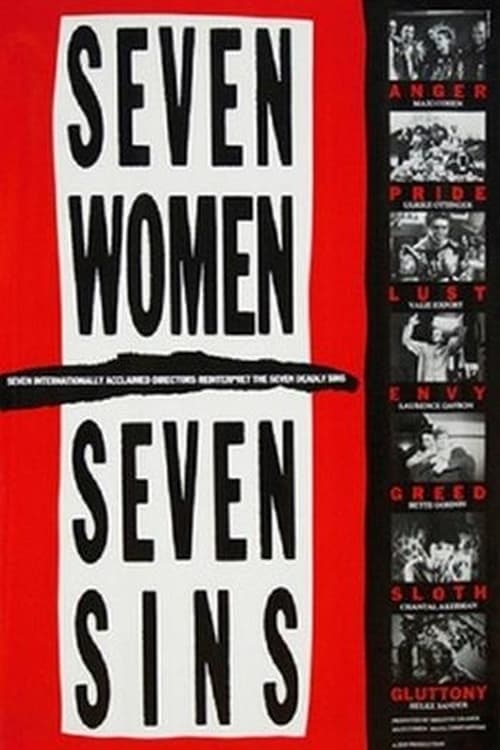
Seven Women, Seven Sins (1986) represents a quintessential moment in film history. The women filmmakers invited to direct for the seven sins were amongst the world's most renown: Helke Sander (Gluttony), Bette Gordon (Greed), Maxi Cohen (Anger), Chantal Akerman (Sloth), Valie Export (Lust), Laurence Gavron (Envy), and Ulrike Ottinger (Pride). Each filmmaker had the liberty of choosing a sin to interpret as they wished. The final film reflected this diversity, including traditional narrative fiction, experimental video, a musical, a radical documentary, and was delivered in multiple formats from 16, super 16, video and 35mm.
Seven Women, Seven Sins
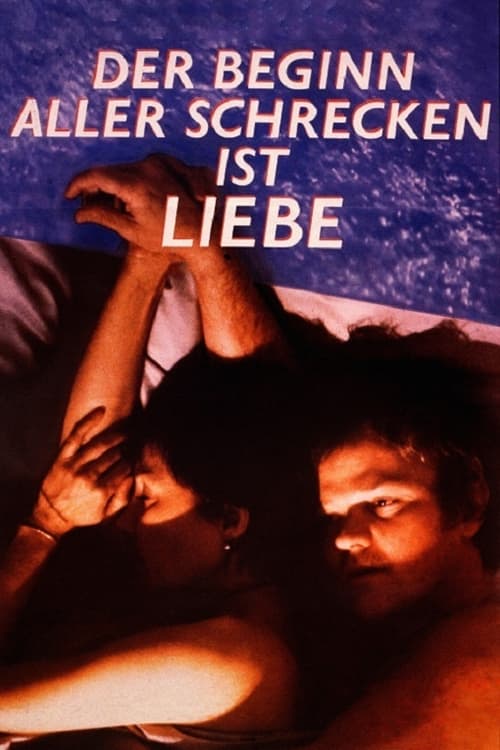
Story concerns two friends, Freya and Irmtraut and their relationships with the same man, Traugott, who finds it impossible to choose between the two women.
Love Is the Beginning of All Terror
In a critique to the Berliner films that depicted labour problems always through masculine lens, Sander changes the point of view. Irene, single mother, works in a washing machine factory and has to deal with discrimination, sexual harassment and lack of solidarity.