Nancy Wan-Seung Chan
Acting
Known For

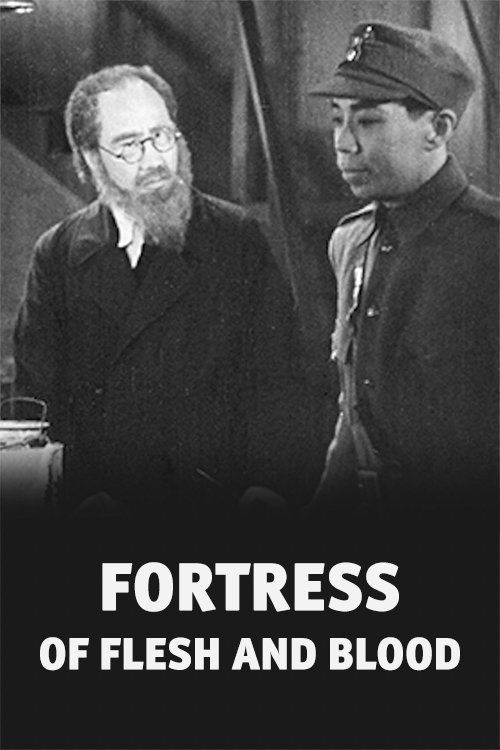
Professor Lo Yeung-guo (Hou Yao) and his students escape death from the Japanese army, and call on villagers in the countryside to form a guerrillas group. His son Lo Yung (Lau Hark-suen), however, indulges in debauchery. Entrapped by the Japanese, chicken-hearted Yung leaks information about the guerrilla that leads to deaths and injuries in the group. Yeung-guo reprimands his son for being an invisible traitor, inflicting even more harm than an outright traitor. Placing righteousness before family, he decides to execute his own son. As a writer-director-actor in the film, Hou Yao proclaimed his unwavering stance on resistance on the screen, and delivered a scathing attack on the cowardly ‘invisible traitors‘ at that time. Not long after, Hou was sadly arrested and executed by the Japanese army in Singapore.
Fortress of Flesh and Blood

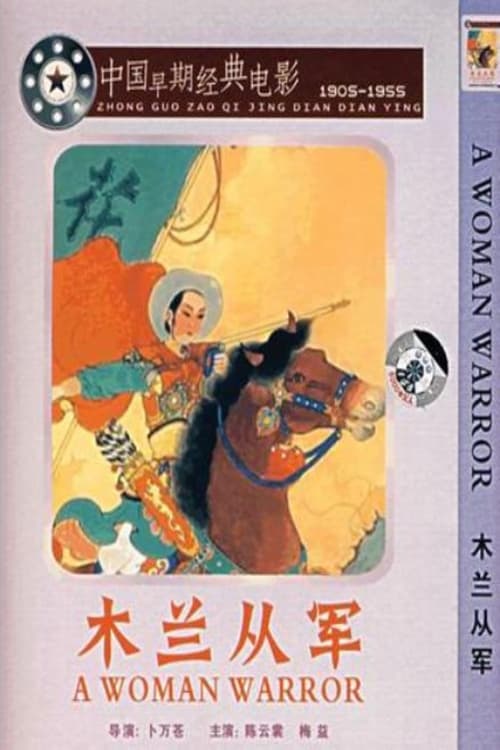
This movie is based on the famous Chinese folklore that is more than one and a half millennium old. The same folklore was what the Disney animation Mulan is based on, and similarly, it was what many Chinese movies/operas/plays based on.
Mulan Joins the Army

An early Musical by the Hsin Hwa Motion Picture Company.
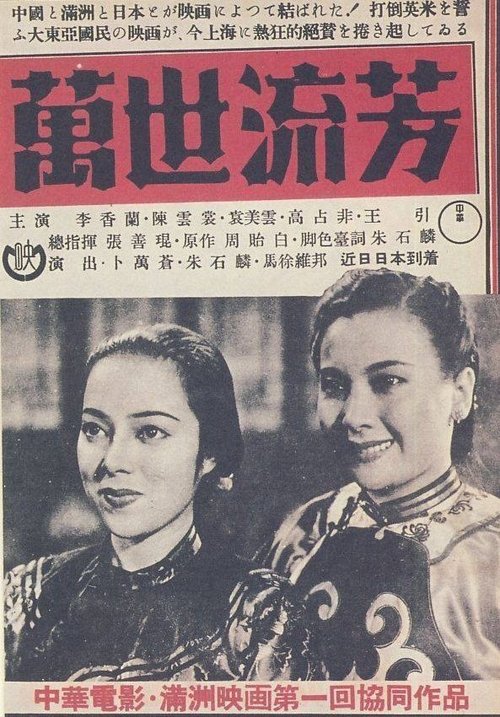
The Moon-Blanch'd Land

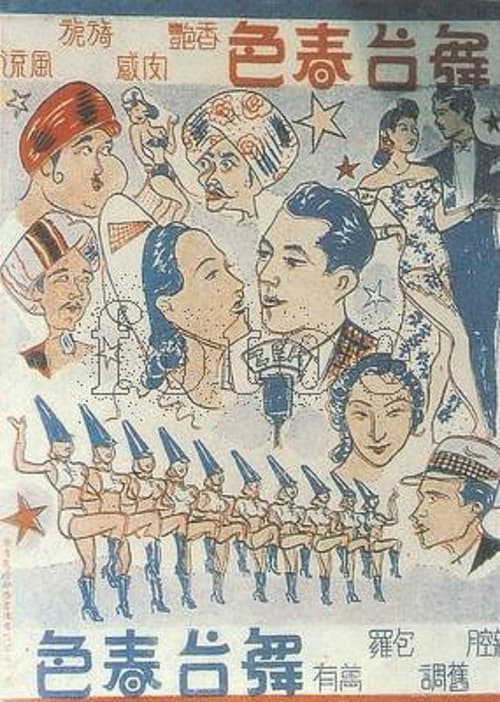
This is one of the rare gems in early Chinese musical films that still exists today. Nancy Chan plays a naïve young woman who can sing and dance. Under the arrangement of her stepfather, she becomes a star and indulges in the glitz and glamour of the entertainment world before getting married to a wealthy heir in Nanyang. Yet her husband is cruel and unfaithful, leading her to divorce and return to her parents in Shanghai. She is set for a comeback to the stage. Her young daughter suffers from a serious illness. A remake of the Bu Wanchang’s silent film The Light of Maternal Instinct (1933), this film takes cues from Hollywood musicals, resulting in an elegant and lively fusion of camera movement and musical numbers. The film also reflects the harsh reality of China in the 1930s and the pathos of popular literature by combining morals, entertainment and social commentary to show that changes in the idea of femininity is a symbol of progress.
The Angel

Hong Kong horror movie from 1952.
Her Secret Past

The life and story of Lin Zexu and the First Opium War.
Eternity

No description available.
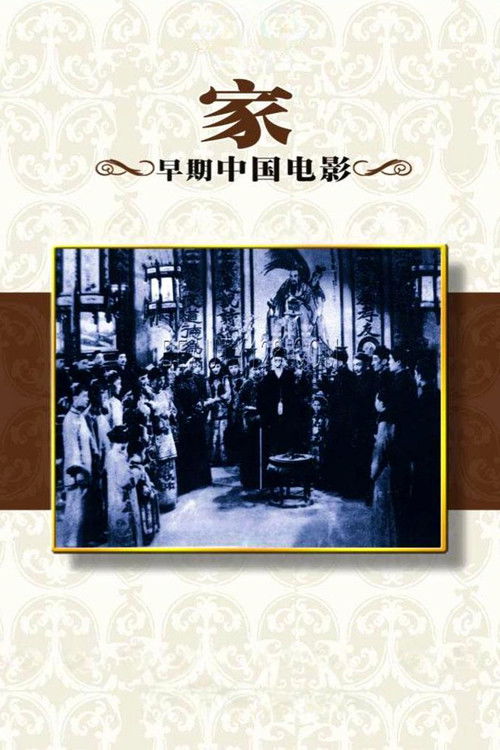
Home
A corpse that goes out late at night to pick flowers. When a woman meets him, she falls ill; when a young girl meets him, she lies down and dies. Luckily, the corpse is eventually eliminated.
The Walking Corpse
This is a 1952 Hong Kong drama film directed by Bu Wancang, Kuang-Chi Tu, Wang Yin and Shankun Zhang. It stars Chou Man-Hua and Li Li-Hua.
Sweet Memories

No description available.
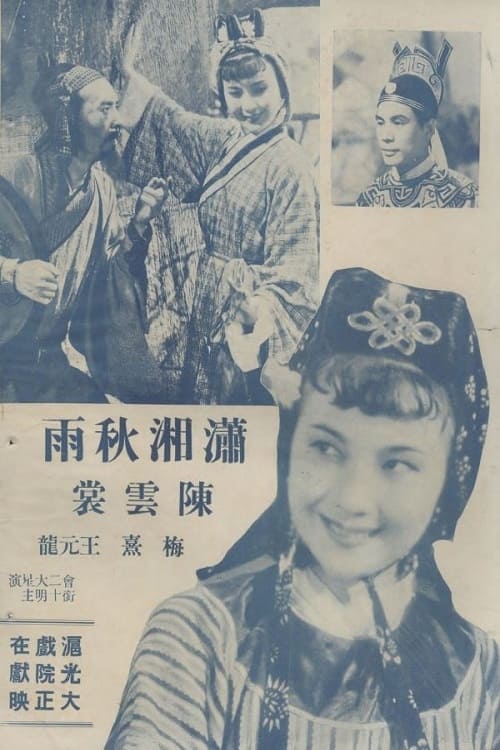
潇湘秋雨

Chinese Opera comedy from Hong Kong directed by Fung Chi-Kong.
Back Stage Lovers

No description available.
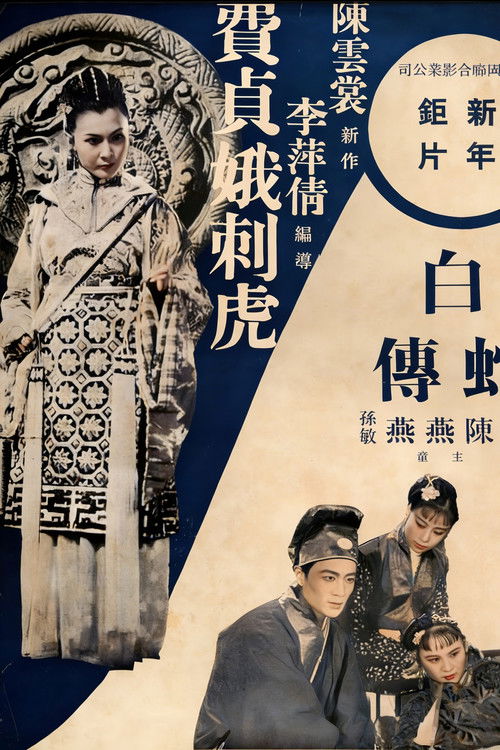
The Imperial Maid Fei Zhen'e

No description available.
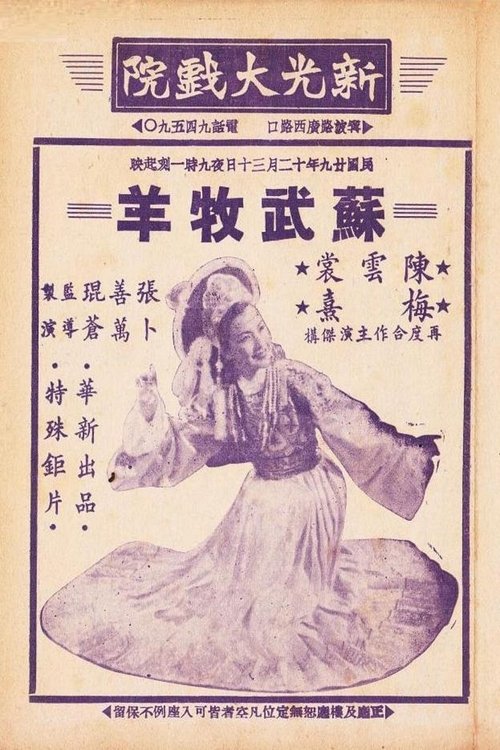
苏武牧羊
The film is divided into seven episodes, each episode directed by a different director. The film was selected as one of the top hundred Chinese films by film historian Du Yunzhi (HKFA).