Camera
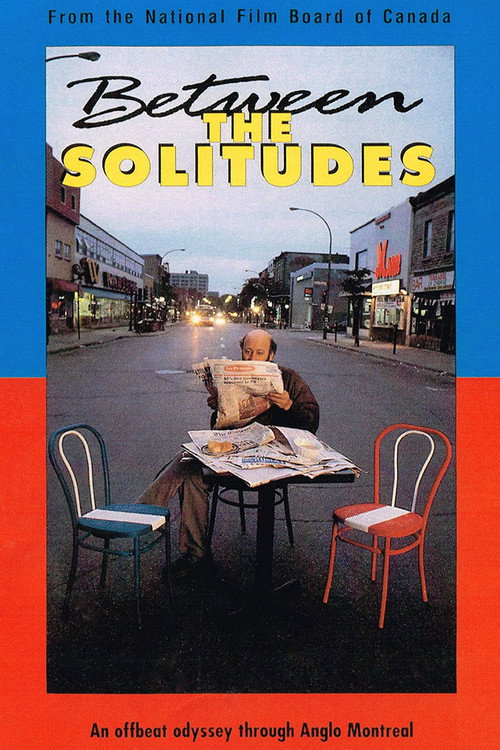
Journalist Josh Freed takes a personal journey through English-speaking Montréal -- its history, its haunts, its characters, and the difficulties and delights experienced in trying to straddle two solitudes. A sometimes angry, often funny, and always affectionate portrait of a city split along linguistic lines, as seen through the eyes of its English-speaking minority.
Ten women in Canada talk about being lesbian in the 1940s, 1950s, and 1960s: discovering the pulp fiction of the day about women in love, their own first affairs, the pain of breaking up, frequenting gay bars, facing police raids, men's responses, and the etiquette of butch and femme roles. Interspersed among the interviews and archival footage are four dramatized chapters from a pulp novel, "Forbidden Love".
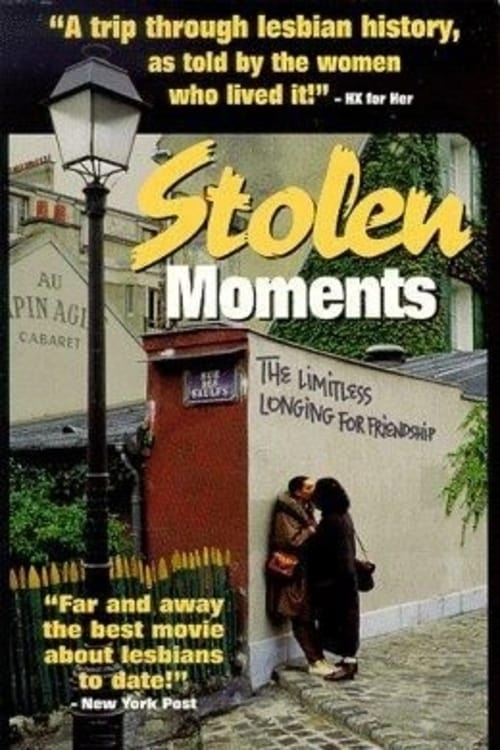
A documentary history of lesbianism in North American and Europe, with historic references, archival material, film clips, interviews with many women - famous and not-famous witnesses and players - who clearly remember a difficult, painful, and often downright dangerous past.
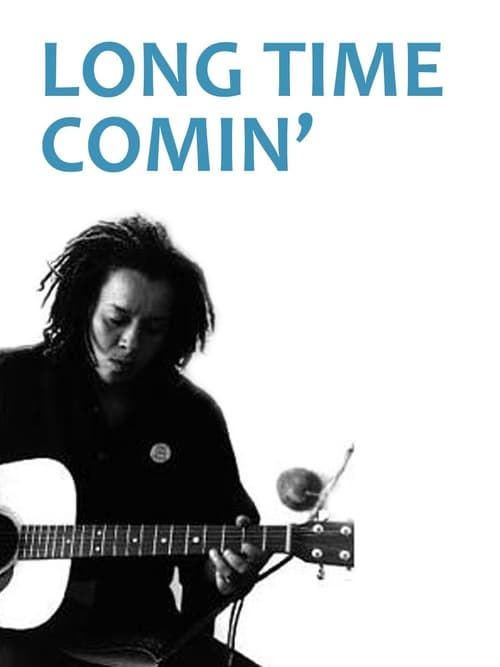
There is a cultural revolution going on in Canada and Faith Nolan and Grace Channer are on the leading edge. These two African-Canadian lesbian artists give back to art its most urgent meanings--commitment and passion. Grace Channer's large and sensuous canvasses and musician Faith Nolan's gritty and joyous blues propel this documentary into the spheres of poetry and dance. Long Time Comin' captures their work, their urgency, and their friendship in intimate conversations with both artists.
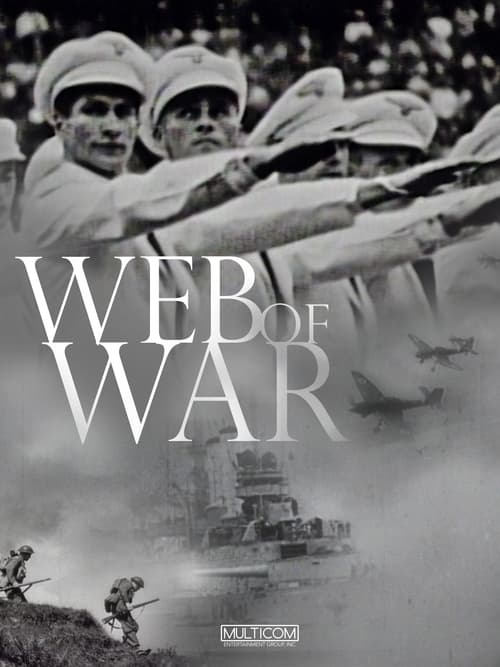
The stories of the battles that brought together a Polish cavalry officer, a Canadian captain, and a Polish underground member are told by the very same Canadians who survived them.
The dramatic story of two youths--one French and one Indigenous--who share a pivotal time in Canada's history: the first contact between European and First Nations peoples.
This short documentary presents 5 women from a variety of backgrounds who use strategy, humour and determination to seek to attain equality in the workplace.
Reveals the courageous lives of pioneer camerawomen from Hollywood to Bollywood, from war zones to children’s laughter, in a way that has never been seen before. Based on a book by Alexis Krasilovsky, the film tells the stories of camerawomen surviving the odds in Afghanistan, Australia, Canada, China, France, Germany, India, Iran, Mexico, the U.S. and other countries, as well as exploring their individual visions.
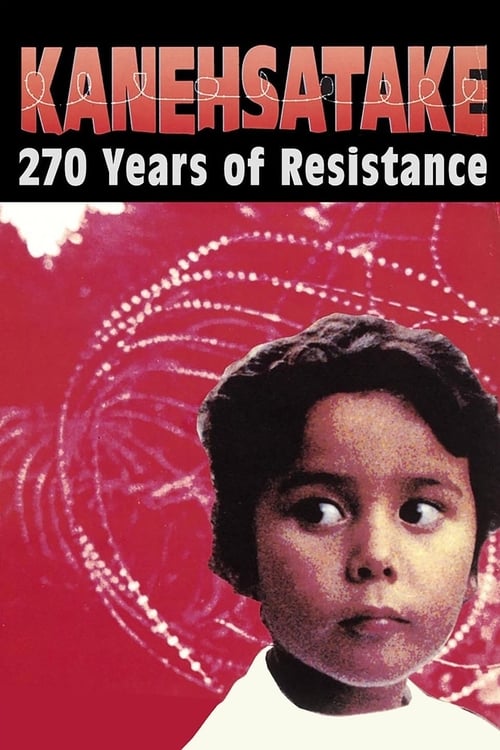
In July 1990, a dispute over a proposed golf course to be built on Kanien’kéhaka (Mohawk) lands in Oka, Quebec, sets the stage for a historic confrontation that would grab international headlines and sear itself into the Canadian consciousness.
Produced in 1988, this feature documentary presents a living history of Quebec's last 40 years as seen through the eyes of one couple. Pauline Julien and Gérald Godin, two Quebec artists, share their perspectives on the events that have marked Quebec's evolution. Julien, a singer, and Godin, a poet, express their love and passion for the province (and each other) while providing a unique take on the Quebec nationalist movement.
This feature-length documentary explores a wide range of lesbian, bisexual, and heterosexual women’s erotic fantasies and sexual practices. It reveals the conflicts and complexities of female sexuality as well as the joys and triumphs of self-discovery and personal empowerment.
A 17-year-old girl refuses medical treatment that will prolong her life due to religious convictions.
Internationally acclaimed author Margaret Atwood has achieved distinction as a poet and as a novelist. Yet she remains a most elusive literary figure. In a quiet encounter on Atwood's island retreat, the film's director seeks to discover what shapes this celebrated Canadian writer's fiction and what motivates her characters.
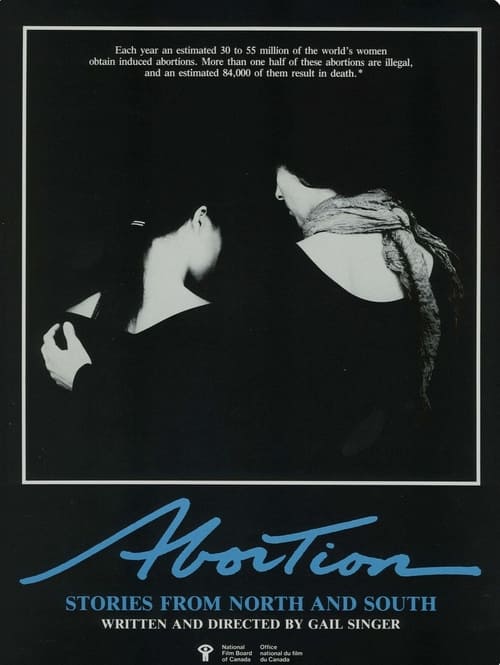
Women have always sought ways to terminate unwanted pregnancies, despite powerful patriarchal structures and systems working against them. This film provides a historical overview of how church, state and the medical establishment have determined policies concerning abortion. From this cross-cultural survey--filmed in Ireland, Japan, Thailand, Peru, Colombia, and Canada--emerges one reality: only a small percentage of the world's women has access to safe, legal operations.
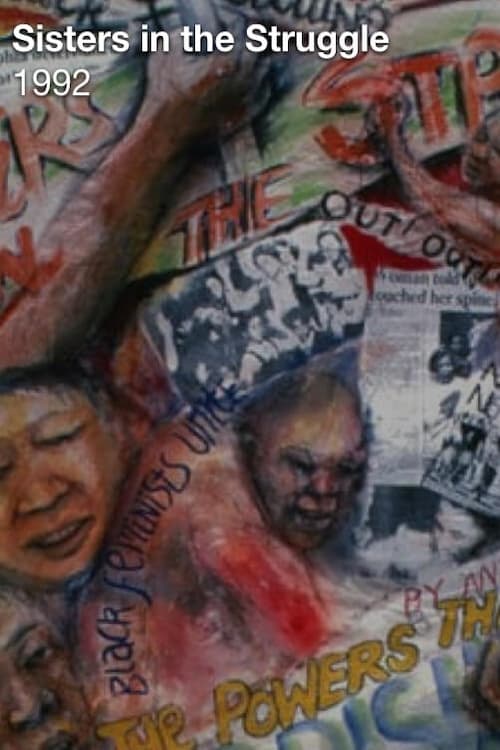
This documentary features Black women active in politics as well as community, labour and feminist organizing. They share their insights and personal testimonies on the double legacy of racism and sexism, linking their personal struggles with the ongoing battle to end systemic discrimination and violence against women and people of colour.
This short documentary looks at how the community of London, Ontario, has implemented a plan to address the issue of domestic violence. These efforts, spearheaded by police, lawyers, doctors, transition house staff, women's groups, and social services agencies have turned London into a rare model community. There, The London Battered Women's Advocacy Clinic and "Changing Ways," a therapy program for men who batter, contribute to the city's innovative attempt to break the cycle of violence. Moving On is part of the The Next Step, a 3-film series about the services needed by and available to battered women.
The short documentary looks at some innovative approaches to providing services and accommodation for battered women in rural, northern, and Native communities. Filmed in Thompson and Portage La Prairie, Manitoba, and West Bay Reserve, Ontario, the film introduces the women who operate and use various types of accommodation such as transition houses, transition apartments, and safe houses. The shelter on West Bay Reserve is singled out as a project that was built by women for women to stand as a reminder that the Reserve will not tolerate violence against women. A Safe Distance is part of the The Next Step, a 3-film series about the services needed by and available to battered women.
This short film recreates the experience of Sylvie, a battered woman who seeks shelter in a Montréal transition house. Faced with the threat of violence, loneliness, the lack of financial resources or information about services, the victim is often understandably reluctant to seek help. Emphasizing the importance for women of speaking out, the film also points out the role of the transition house in putting victims of abuse in touch with appropriate legal and social services.