Helena Wittmann
Directing
Biography
Helena Wittmann was born 1982 in Neuss, Germany. Originally studying Spanish and Media Studies in Erlangen and Hamburg, she went on to attend The University of Fine Arts of Hamburg (HFBK) between 2007 and 2014. In her films and within her artistic practice, rooms constitute much more than just bare venues of a storyline. She questions and contextualises the boundaries of these rooms, in them, with them, on them and along them. Since 2015 she is working as artistic research assistant at the HFBK. Her work was shown internationally in exhibitions and filmfestivals.
Known For

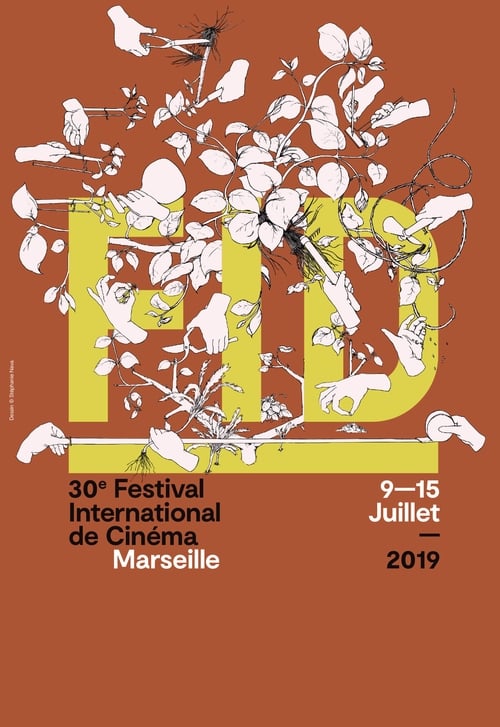
For the 30th anniversaire of FIDMarseille about thirty directors have done us the honor of offering us some very beautiful short films.
30th anniversaire of FIDMarseille

Ida lives on a sailing yacht with a crew of five men. While on shore leave in Marseilles, she becomes fascinated with the French Foreign Legion and decides to sail to Sidi Bel Abbès, the Legion's former headquarters in Algeria.
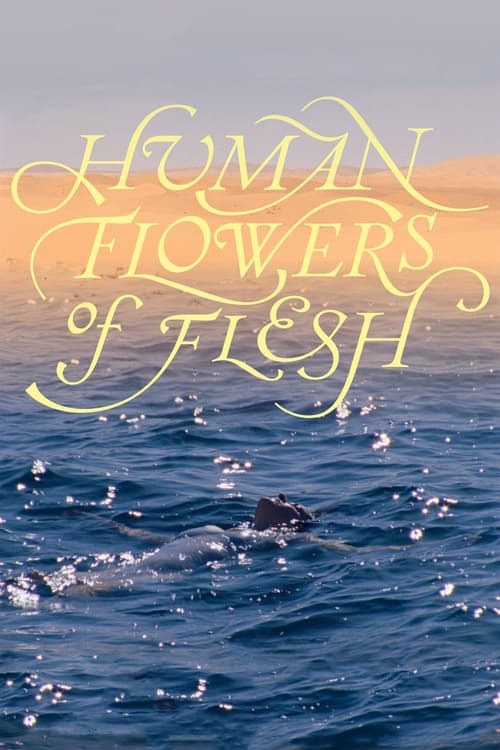
Human Flowers of Flesh

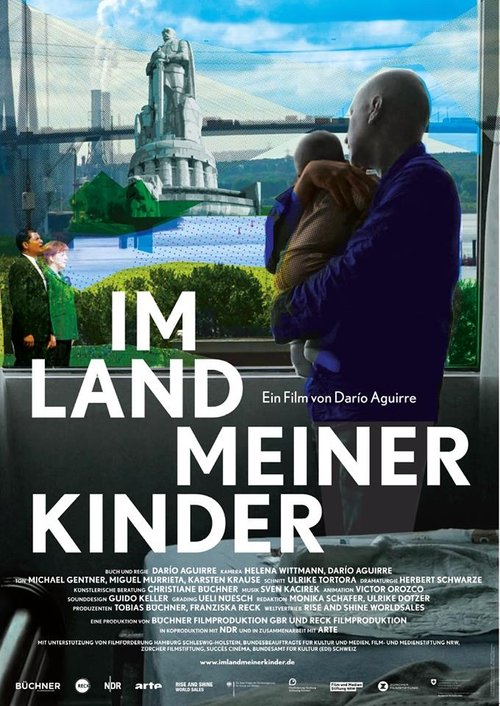
Darío Aguirre moved from Ecuador to Germany to be with Stephanie, but from the very first day there was a third party in their relationship:the government. They issued him ten visas in fifteen years. A long trail of papers, stamps, permits, and restrictions connected Darío to Germany while also keeping him at a distance. Then one fine day the mayor of Hamburg invites Darío to become a German citizen. A confession of love? Darío responds with a tender, ironic road movie that traces his intertwined journey from the country of his fathers to the country of his children.
Land of My Children

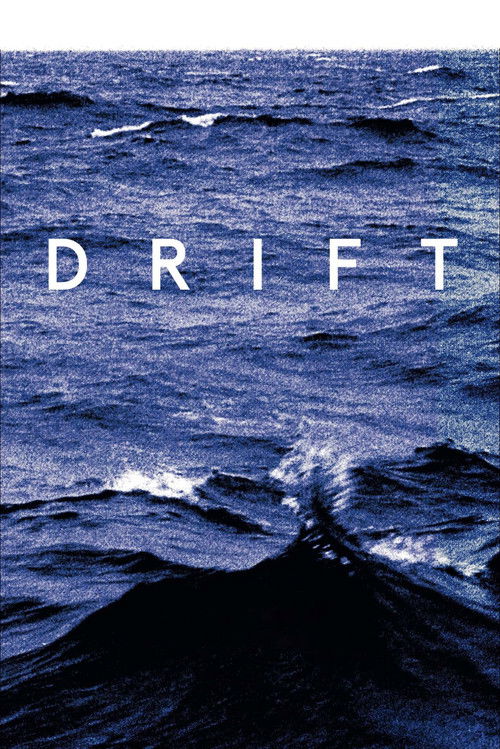
Two women spend a weekend in the North Sea. One of them will soon return to her family in Argentina, whereas the other one will try to come a step closer to the ocean. She will cross the Atlantic Ocean on a sailing vessel. Time leaves the beaten track and the swell lulls to deep sleep. The sea takes over the narration. When the other one reappears, the wind is still in her hair while the ground beneath her feet is solid. She returns and the other one could ask: “Have you changed?”
Drift

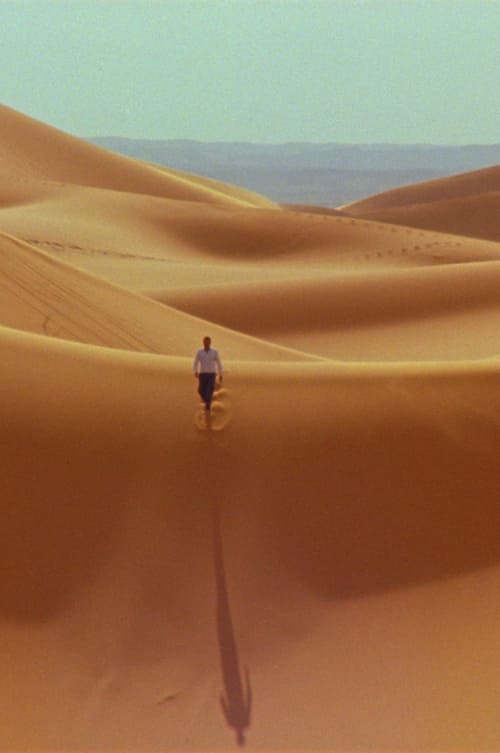
From the music of French composer Arnaud Rebotini, German filmmaker Helena Wittmann crafts a story of a solitary man walking across a desert. This short film is part of the 2x25 Project of Film Fest Gent and the World Soundtrack Awards. The project commissioned 25 composers to compose a short piece of music, after which 25 filmmakers made short films that are the ultimate symbioses of music and cinematography, fitting completely within the DNA of the festival. The result: 25 exceptional films where the music inspired the form, narrative and texture.
The Swell
Hartmann proposes a 76-minute film in which each minute stands for a year of his life. This obsessive rule is invoked in the last 4 “years” of his life (and of the film). A cable-car journey codes in its own duration the secret of a perdurable shot. A poetic emancipation by a young filmmaker: a life plan finding its right frame. Roger Koza
Time Goes by Like a Roaring Lion

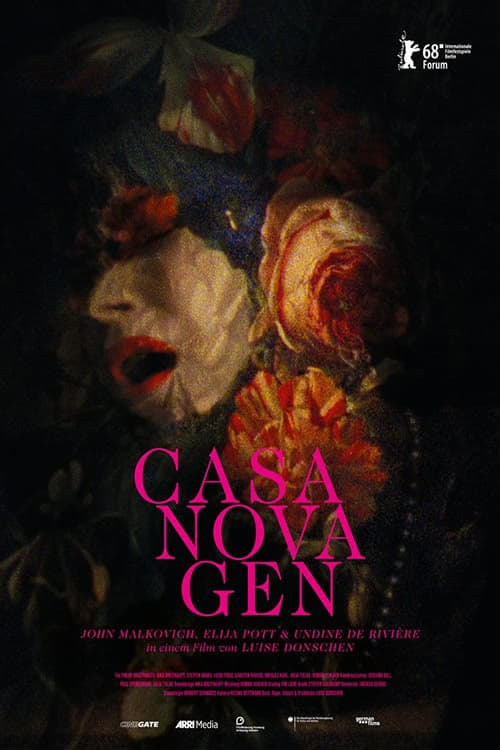
A person enters the frame dressed up as a bird. In a dressing room, John Malkovich sheds the costume of Casanova. A young woman's skirt is just as orange as the beak of a zebra finch singing in a cage. White lilies stand at the foot of a statue of the Virgin Mary, red roses in front of the window of an SM studio. There the quiet game of submission in exchange for money, in a museum an embrace, a poem whispered in the ear. Children playing in a forest in autumn. A forest in summer, framed by light. An orgasm and a dance.
Casanova Gene

Quixadá, Brazil. The sun goes down and the darkness reveals its fine layers of light on the last mountain to fall into darkness. The light continues inside it. Darkness is not only the absence of light in vision. It is clearly audible.
Later
In the turmoil of German reunification, Patty loses her job, loses her friend Jelena and disappears into the historic forest of the Kyffhäuser mountains. When she reappears in the nearby town thirty years later, barely aged, Jelena follows her ghostly apparition into the historical landscape of an East German present.
Patty

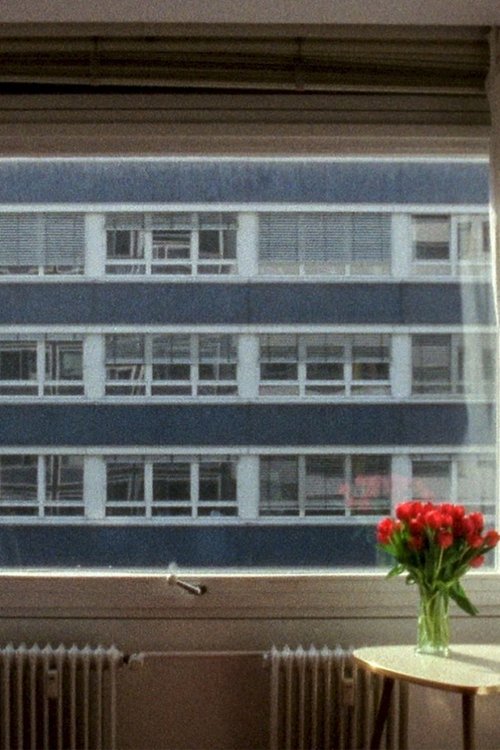
The image of a room, its appearance changing with the shades of light. A window front, seen through the window. Changing flower arrangements on a side table. Sounds, entering the room from outside the frame. A construction site hints at changes in the exterior. Rehearsals. Are the sound waves of the piano reaching us from downstairs or from next door? In 21.3 °C Helena Wittmann reduces the filmic elements to the essentials: light, shadow, sound, direction. Out of this minimum, stories emerge that linger, atmospheres that resonate. Little by little the viewer is thrown back upon herself/himself. Through the facing window front someone seems to look back at us. Only the temperature remains the same.
21.3 °C

Over and over again, structures of larger contexts can be retrieved in details. They mirror, they contradict, they caricature each other. And again, all human thinking seems to be an enormous utopia within the framework we can hardly adjust. Our physical space is limited, but therein, mental constructions come to improbable proportions. The film connects fragments of memories, thoughts and observations, finding recurrent themes in different graduation. Therefore these fragments become something different, they form their own.
Circling

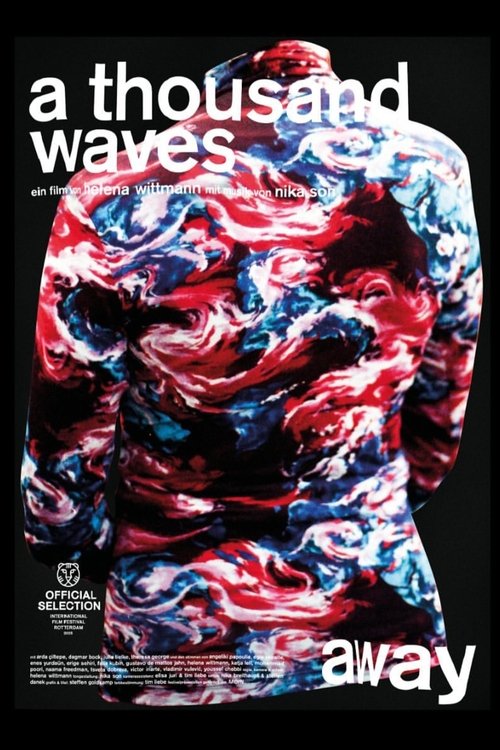
The people are in turmoil. The ground from which their enchanted garden grows, is trembling. Between bushes and trees, flowerbeds and fountains, everyone has lost their way on their own. Their eyes search for paths, their hands try to remember. Sometimes they spot something. Sometimes they listen. They catch a whisper, a faint promise. They follow the petals downstream. Further.
A Thousand Waves Away

In Skopje, capital of Macedonia, the government wants to fabricate national history - with a monumental building plan worth over 80 million Euros. In "Bigger Than Life", we ask: Does it sell? Do we believe the city to be the origin of Europe and its cradle of ancient high civilization as they try to stage it? Who has the power to construct history? A music film in four acts.
Bigger Than Life

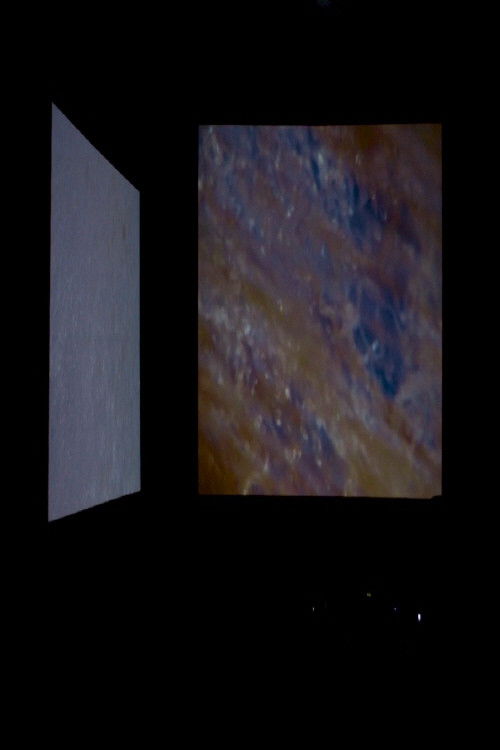
An audio-visual installation by Helena Wittmann and Nika Son, based on the interaction of the shape and the sound from waves. The delicate image-installation arouses an awe of audiovisual senses to the audience. The shape of waves, the pitch of sound, and the innumerably changing waves made by screens of two different sizes, create the message of formation, evolution and extinction in the audio-visual, synesthetic sense.
Wildness of Waves

This precisely calibrated domestic diorama alights upon the imagined futures of a group of anonymous young adults. In Helena Wittmann’s warmly rendered feat of formalist filmmaking, questions of time and the realities of space convene in languid interior pans, incremental shifts in light, and the private reflections of her subjects.
Ada Kaleh

In addition to demonstrating the unexpected complexities of individual life paths, THE WILD establishes the possibility of “cinematic space” becoming a type of “third space”. Two seemingly contrasting spaces merge to construct a new space. The first space is the living room of a retired couple. The second space is embodied in Super 8 recordings filmed by the old man during his numerous trips to Africa and Asia during the 60s, 70s, 80s and 90s. The pictures show exotic animals which are projected directly onto the walls and furniture of the house. The assembly of these differing spaces does not create a more succinct boundary between them, but rather assists in the mingling of the two spaces. In this fleeting moment of third space, as it is limited by time, a new cinematic reality is formed.
The Wild

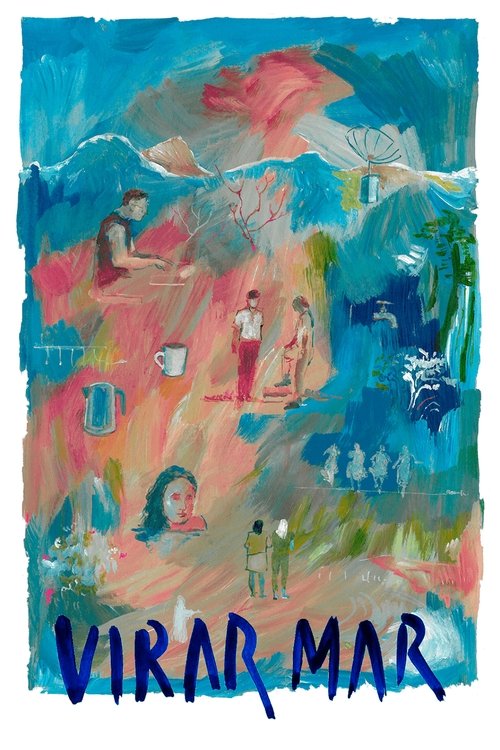
Water as a physical and metaphysical metaphor and background of human existence. A docu-fictional essay between the Brazilian Sertão-deserts and the Northern-German flood areas of Dithmarschen. Dramas and day-by-day-observations in times of climate change.
virar mar / meer werden / becoming sea

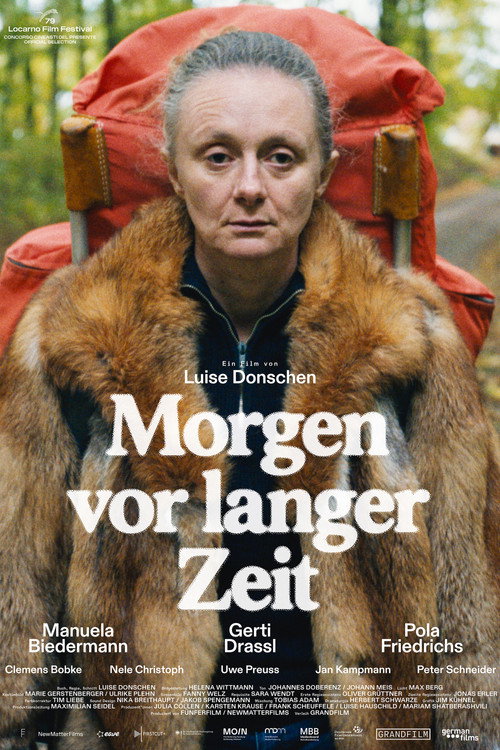
A young girl is cured of her epilepsy just as summer vacation is about to begin. During her last days with her classmates, she’ll come to experience life in a new way. Arranged as a series of elliptical tableaux, this haunting narrative from Luise Donschen (Casanova Gene) captures a simultaneous sense of discovery and disorientation as it proceeds from the confines of the classroom to a wider world of adolescent anxieties.
Entire Days Together

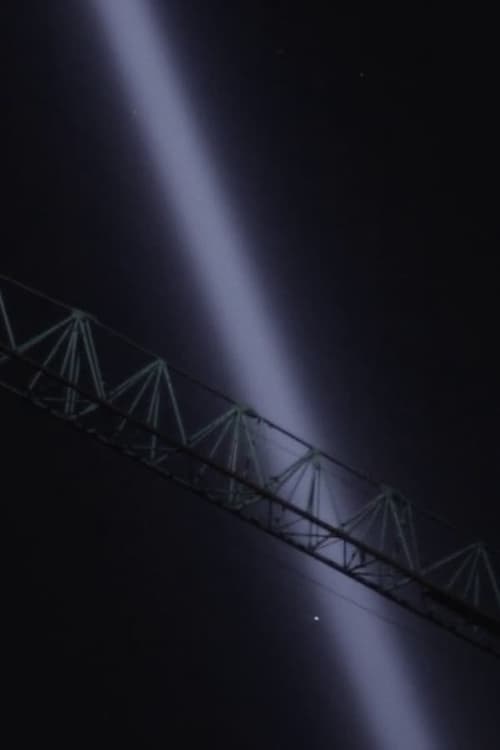
The film is a form-concious study of a city as well as of a site specific artwork by Anthony McCall. In it’s own way the film enables to re-experience this city again and again. On the other hand the film is a documentation of the artwork; of its conditions and its becoming.
Anthony McCall: Crossing The Elbe
Potatoes have to be peeled, withered orchid blossoms must be plucked. Then everything is in order.