FEEL IT.STREAM
Stephen Beck

Stephen Beck

Directing

Biography

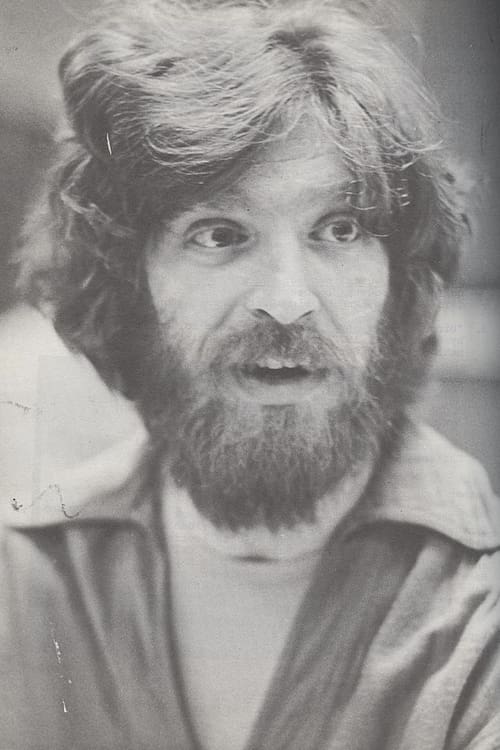
A pioneer in video technology and image processing, artist and engineer Stephen Beck developed one of the first video synthesizers — the Beck Direct Video Synthesizer. Designed in 1969, this device electronically fused moving color imagery with recorded visual material in real time. Beck used his synthesizer to merge music and image in performance collaborations with musicians such as Warner Jepson and Jordan Belson. In 1974, he designed the Video Weaver, a digital video computer with "warps" and "wefts" based on traditional textile looms. Fusing art and technology, Beck's pure abstractions of moving light and color form a link between the kinetic and Op art movements and the electronic medium of video. Beck was born in 1950. He studied music and electronic engineering at the University of Illinois, Urbana, and the University of California at Berkeley. His work has been exhibited at the Berkeley Art Museum/Pacific Film Archives, Smithsonian American Art Museum, LACMA, and at the Smithsonian Institution Hirshorn Museum and Sculpture Garden. His work has been broadcasted on PBS-TV networks and his two works UNION and CYCLES were acquired from the Smithsonian American Art Museum in 2016. Beck has received grants from Pix Italia, the CINE Gold Eagle, the National Endowment for the Arts, the Rockefeller Foundation and the American Film Institute. He was an artist-in-residence at the National Center for Experiments in Television (NCET), San Francisco, 1970-73. He was founding member of Chicago's Experiments in Art and Technology in 1968. He currently is president of Electron Video Creations, which is affiliated with Beck-Tech, an electronic design and consulting company he formed in 1978. He lives in Berkeley, California.
Known For

NOOR (Light)
N/A

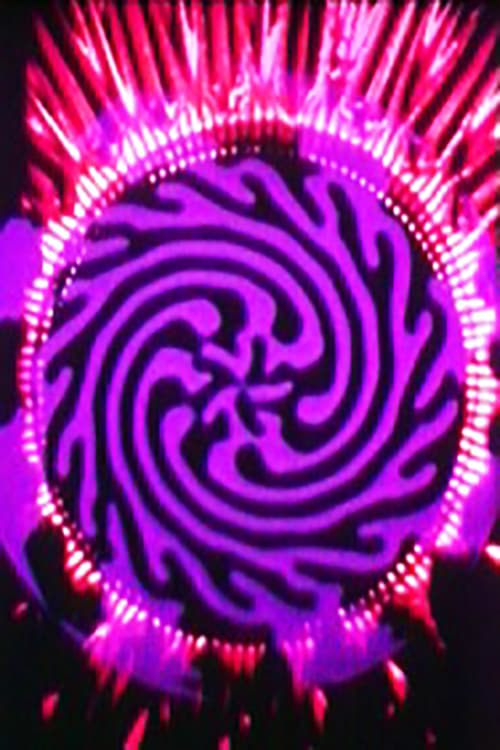
A tribute to the Masters of Middle Eastern Patterns. NOOR is 4D animation of classical design motifs and calligraphy from Arabic, Persian, Moroccan, and others. Inspired in part by British scholar Keith Critchlow's 1976 scholarly book "Islamic Patterns" and by my pilgrimage to The Alhambra in Granada, Spain.

NOOR (Light)

2011
Video: The New Wave
N/A

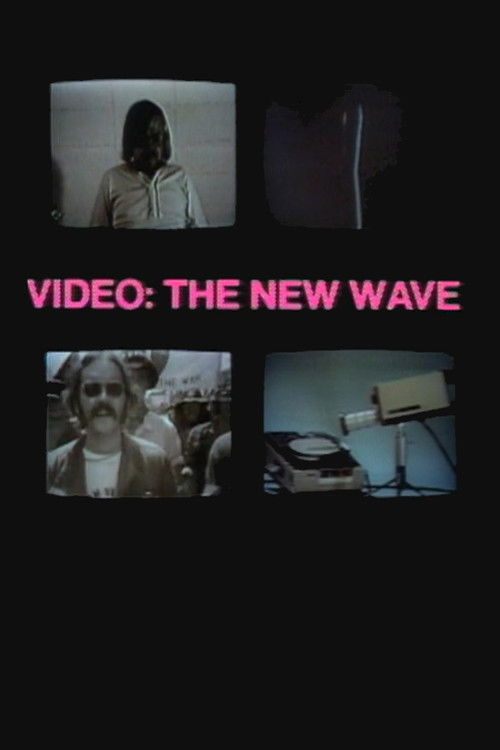
The New Wave is the seminal compendium of independent video work in the early 1970s. Written and narrated by Brian O'Doherty, this overview of the emerging video field includes examples of guerrilla television and "street" documentaries, early explorations with image-processing and synthesis, and performance video. This historical anthology includes excerpts of tapes by the following video pioneers: Stephen Beck and Warner Jepson, Peter Campus, Douglas Davis, Ed Emshwiller, Bill Etra, Frank Gillette, Don Hallock, Joan Jonas, Richard Serra, Paul Kos, Nam June Paik, Otto Piene, Willard Rosenquist, Dan Sandin, James Seawright, Steina Vasulka, TVTV, Stan Vanderbeek and William Wegman.

Video: The New Wave

1975
Lone Breaker
N/A

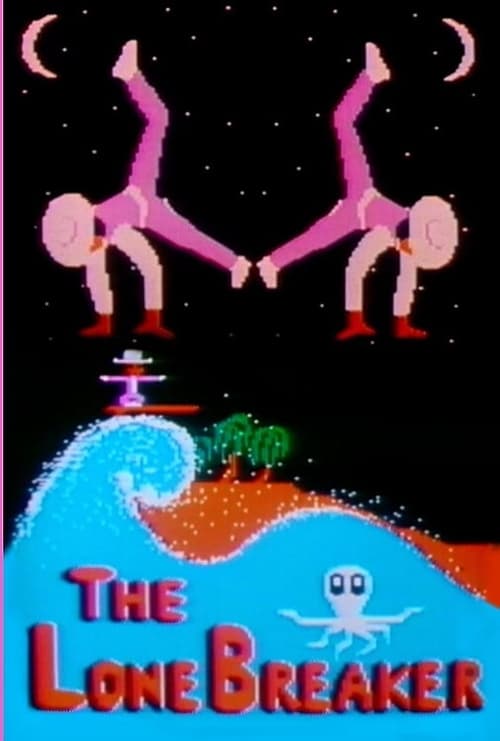
Follow Hot Feet as he break dances around the world and outer space, breaking his way into everyone's heart! Based on the video game BREAK DANCE created by Steve Beck and published in 1984 by Epyx. This Break Dance cartoon was made in 1985 with an Apple II computer and custom "moviemation" software developed by Steve Beck and his team at Beck-Tech in Berkeley

Lone Breaker

1985
Union
N/A

Union is one translation of the meaning of the word "yoga." The work is an allegorical journey of the self seeking reunion with itself.

Union

1975
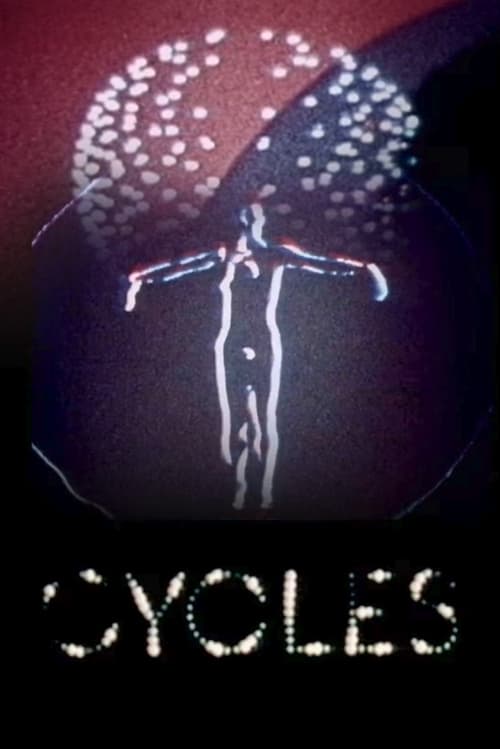
Cycles
6.5

Cycles brings together 16mm film with Stephen Beck’s Direct Video Synthesizer imagery via a proprietary process Beck referred to as “editation.” Beck also composed the soundtrack to the film, which is made of one sequence repeated 12 times, with both artists contributing variations on each pass.

Cycles

1974
No image
N/A

Conception is an abstract work that refers to origins and archetypes.

Conception

1972
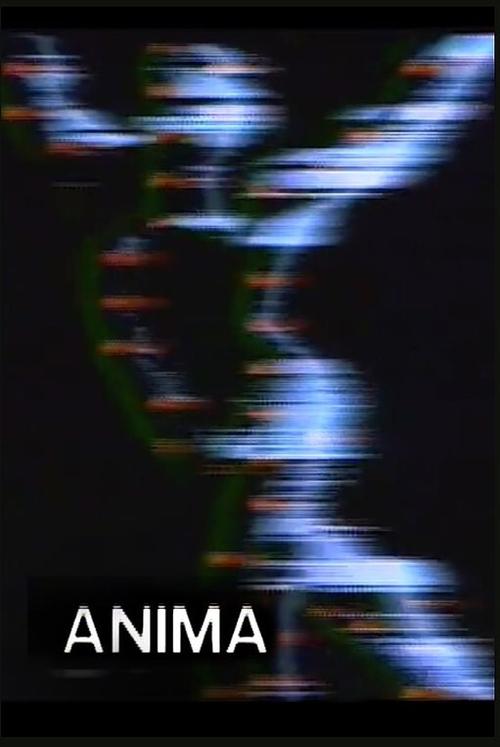
Anima
8.0

Abstract computer animation set to autoharp solo music composed and performed by Jordan Belson

Anima

1974
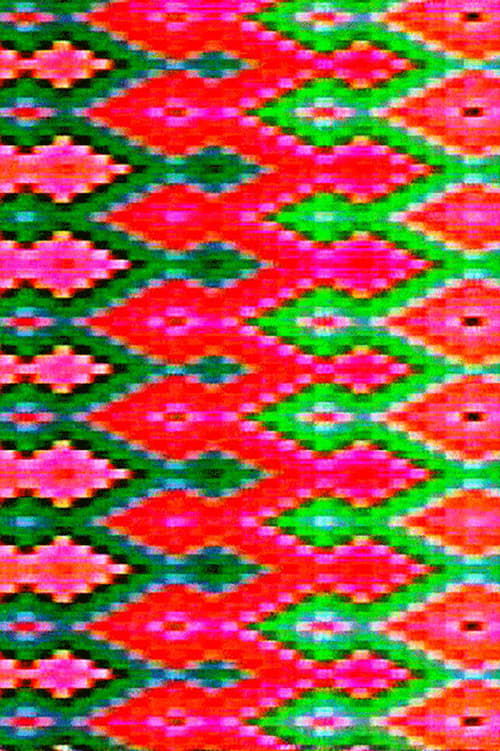
Video Weavings
9.0

Video Weavings is a link between the modern (video) and the ancient (weaving) technologies. Video Weavings are based on poetic mathematical rhymes, or algorithms, visualized in real time on the warp and weft of video's horizontal and vertical scanning electron beams, color phosphors, plasma cells, and LCD pixels.

Video Weavings

1974
No image
N/A

The spontaneity of improvisational jazz is captured in this series of video music performances created on the Beck Direct Synthesizer. Featuring "live" improvisations with musician Warner Jepson, Beck's "jazz video" evokes musical forms and their visual abstractions.

Illuminated Music III

1973
No image
N/A

The spontaneity of improvisational jazz is captured in this series of video music performances created on the Beck Direct Synthesizer. Featuring "live" improvisations with musician Warner Jepson, Beck's "jazz video" evokes musical forms and their visual abstractions.

Illuminated Music II

1972
No image
N/A

Methods is a step-by-step explanation of Beck's Synthesizer.

Methods

1971
No image
N/A

An animation.

Union

1975
No image
N/A

With Illuminated Music #1, Stephen Beck shows off the well-modulated movements possible with a synthesizer that needs no external image source.

Illuminated Music #1

1972