Boris Halmi
Art
Known For
No description available.
Třetí patro
No description available.
Jedno malé sídlisko
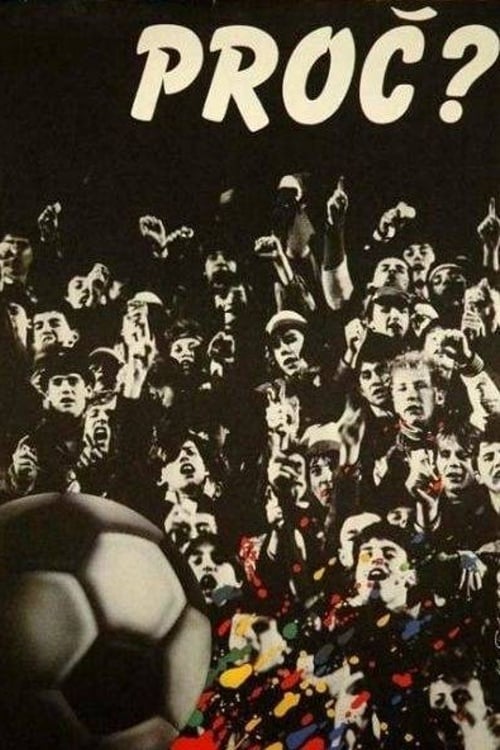
Why? (Czech: Proč?) is a 1987 Czechoslovak drama film directed by Karel Smyczek. It was screened in the Un Certain Regard section at the 1988 Cannes Film Festival. The film deals with the hooliganism in Czechoslovakia, particularly with the fans of football club Sparta from Prague, whose supporters were the pioneers of the football fan riots in Czechoslovakia, starting with hooligan actions already in the 1960s, like breaking the trains in which they travelled when they went on Sparta's away games. The film deals with one of such episodes
Why?
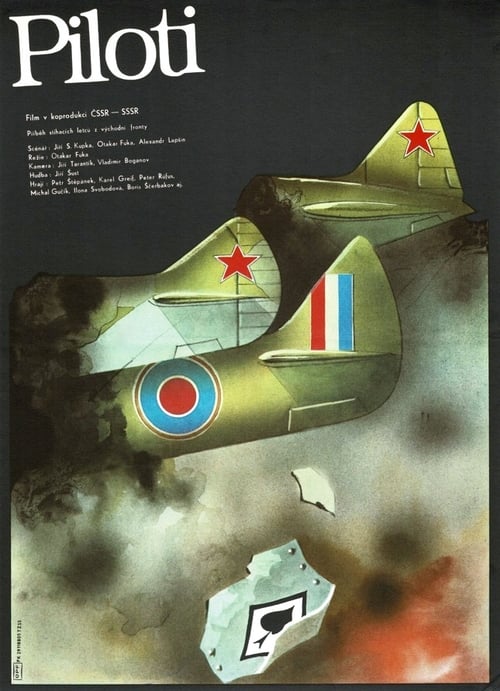
Further east of the Dark Blue Sky, where the Heavenly Horsemen fought, the story of a Czechoslovakian fighter squadron takes place, to which Second Lieutenant Jandak arrives as a rookie. He then experiences both his first love and a battle high above the clouds in the collective of combat pilots. Combat pilots on the Eastern Front thus experience similar stories to their Western colleagues, with the same goals and plans and the same slim prospects of survival in their daily life-and-death battles. Not surprisingly, they fought at a time when they had a common enemy, characterised by the Messerschmitt aircraft.
Piloti
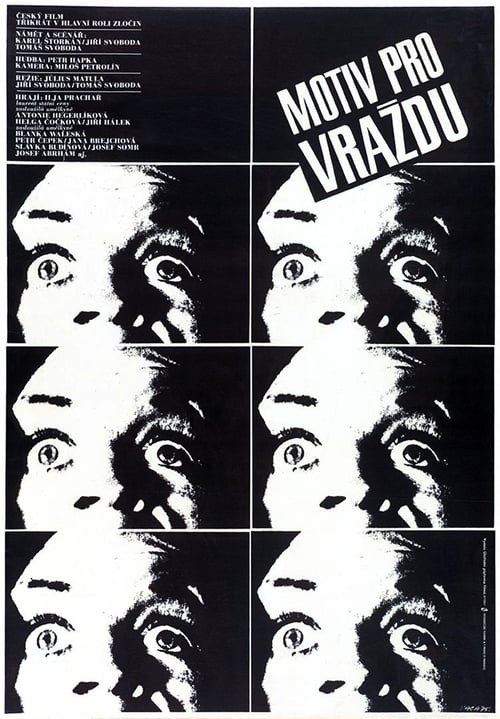
A short story film depicting the three different faces of crime. In the short story "The Weekend", Karas kills a woman he raped some time ago in order to silence her. However, he accidentally kills another woman. In "Hostages", a drug addict, Chaban, terrorizes the hospital's operating team, but the disciplined doctors handle the difficult situation. In "The Pickpocket", the thief Benda wants to return to his trade immediately after his release, but his attempt ends tragically.
The Motive for Murder
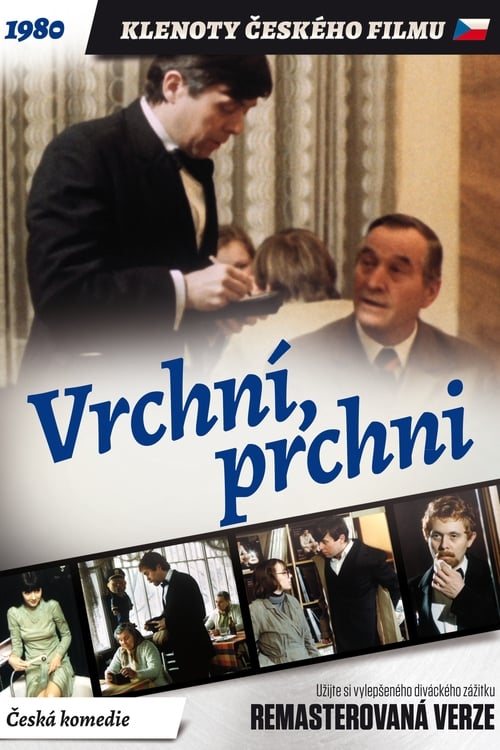
A comedy concerning a down on his luck bookshop owner with a penchant for women who decides to make some money by pretending to be a waiter and collecting cash from unsuspecting diners.
Run, Waiter, Run!
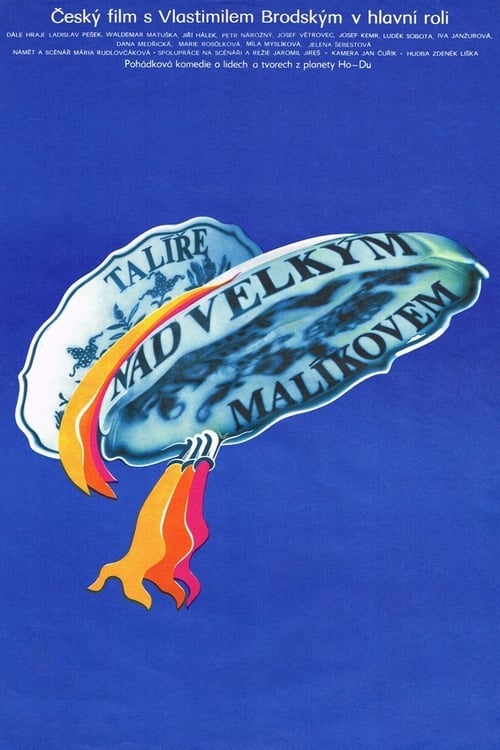
A model Communist village is visited by a flying saucer.
Flying Saucers Over Our Village
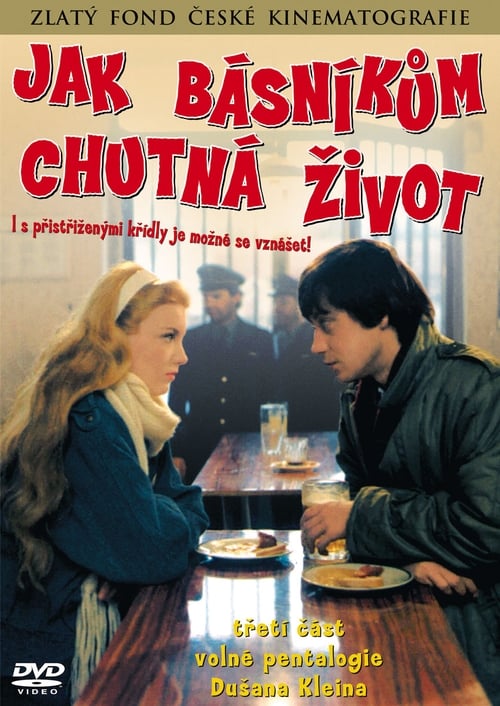
While Kendy returns to his hometown as an assistant director to film a thirteen-part series with a television crew, Štěpán Šafránek, equipped with his mother's advice after graduation, takes up his first position - as an intern at the local hospital. However, his inadaptability to local conditions and his sense of ethics in his chosen profession do not suit his other established colleagues. While they are amused by his zeal and responsibility, Štěpán has increasing problems with his superiors, until he is finally transferred to the position of rural district doctor, which everyone rejects. In Bezdíkov, however, he meets a new, perhaps permanent and reciprocated love, with whom he eventually decides to live and work in northern Bohemia.
How Poets Are Enjoying Their Lives
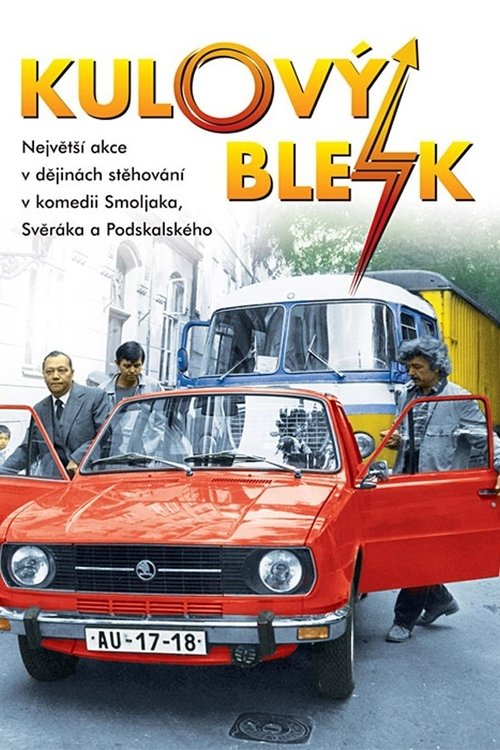
A comedy about exchange of 12 apartments , which, its organizer, lawyer Radosta, rightly called Action Ball Lightning. To prepare, organize and execute the exchange of twelve apartments is a work worthy champions. Radosta, who was excellently played by Rudolf Hrušínský, solved all sudden difficulties and complications on the fly and with grace. To be sure that the on the D-day everything goes well he prepares a little rehearsal, which reveals many minor issues caused for example by wedding ordered to inappropriate term or hesitation of some participants. Last but not least a night exercise announced by drunk psychologist Knotků, creates a lot of confusion that nearly sabotaged the whole operation.
Ball Lightning
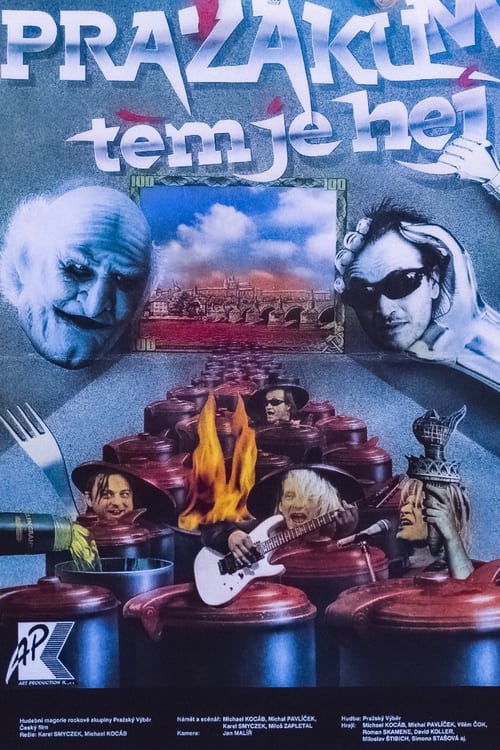
The story begins in 1984 in Prague, Czechoslovakia, few years before the end of Communist era. The band Pražský výběr (Prague's selection) has just received the news thier 5-year ban has expired and they are alowed to perform once again. This half fantasy half document about the band would draw the atmosphere of middle european late Communist era and the eufory of it's end.
Pražákům, těm je hej
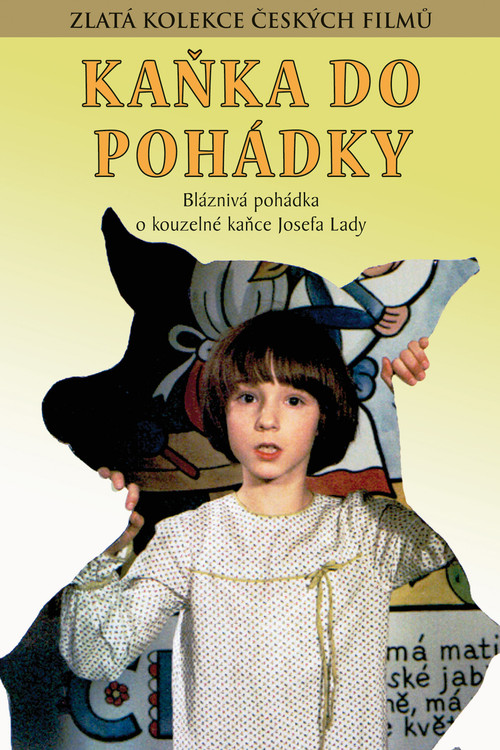
Little Vendulka receives a birthday gift of a seemingly innocuous children's book. Little she knows that the book is actually a portal into the surreal world of nursery rhymes and Josef Lada's paintings.
Blob to the Fairytale
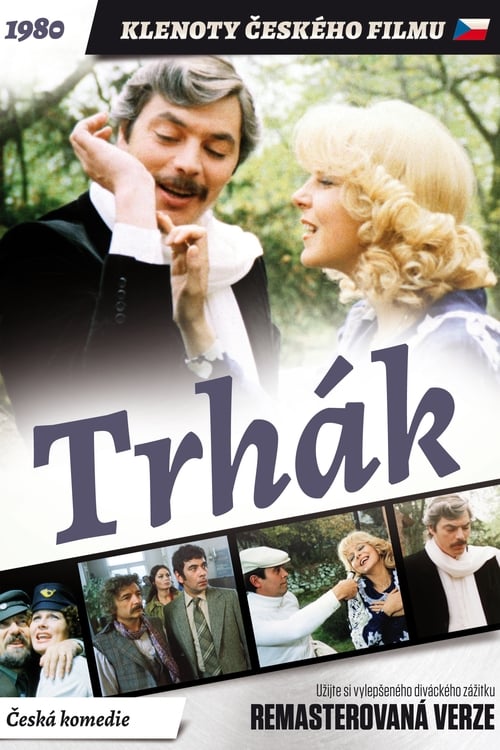
Mr Jiš managed to give his first script at Barrandov. Already in the preparatory phase, he discovers with horror that the filmmakers have completely bypassed his intention - instead of a probe into the life of a contemporary village, they are preparing a spectacular musical show, which they are convinced will be a hit with the audience. The very first shots speak volumes. An elegiac arrives in the village of Lipovec and is greeted with singing and dancing by all the local officials and ordinary citizens, as this coveted expert is to help them increase their hectare yields with his progressive methods. The filming continues in a similar vein, and the newly minted screenwriter can't help but wonder...
The Hit
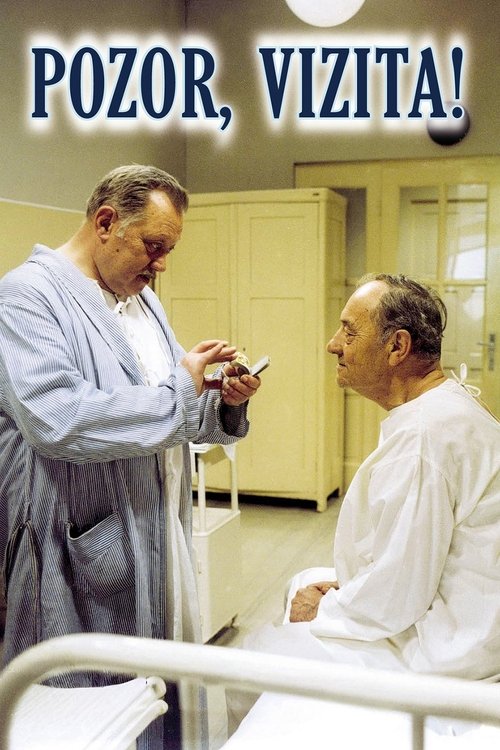
A story about an everyday life of an inflectional department of Prague hospital.
Attention, Rounds!
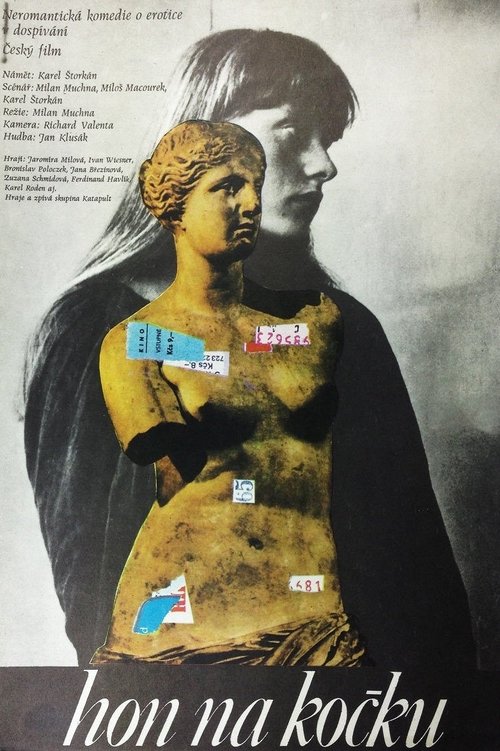
Bláža is a bland-looking student who is eager for her first love experience. Even though experienced men are interested in her, she doesn't yet know exactly what her chosen one should look like. The question is, however, whether a shy non-junkie who at most casts coy amorous glances has a chance of success...
Hon na kočku
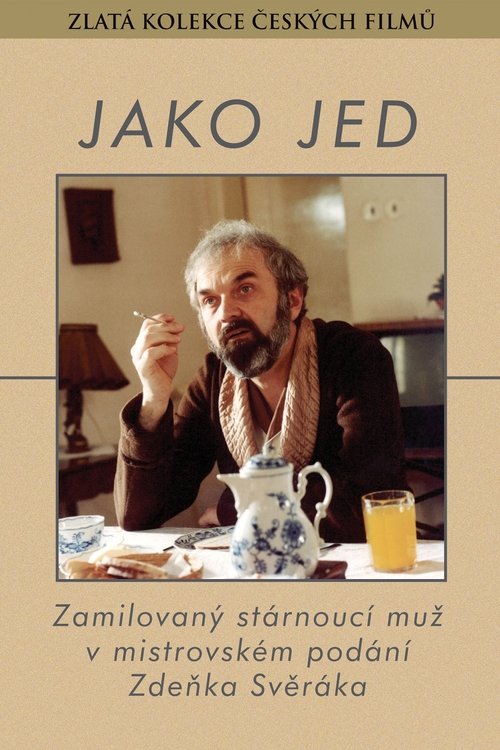
Engineer Pavel Hnyk is successful at work, but not very happy in his private life. He is approaching his fiftieth birthday and he can't shake the feeling that life is slipping away from him. The most effective medicine for such woes is amorous adventures, and Pavel indulges in them. His wife Alice is a lawyer by profession, so she knows about such cases, and because she is a wise woman, she passes them over in silence. One day, however, a new colleague appears at Pavel's workplace - the charming Slovakian Julie. A friendly relationship soon turns into a love affair, and over time it grows into a headless, destructive passion that cares for nothing and no one...
As Good as Poison
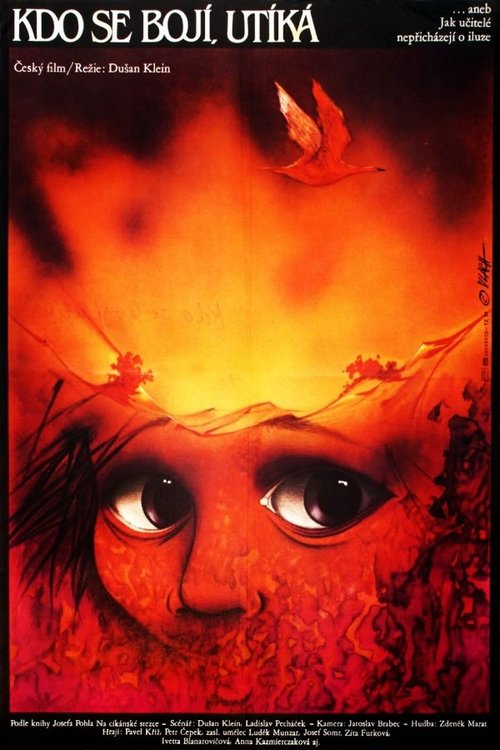
In a school somewhere in the border region, a young teacher is trying to integrate Romani children into the classroom. But their families remain suspicious of education. The filmmakers have chosen a largely romantic view that does not penetrate beneath the surface. They have included numerous folklore examples, acting as the most attractive element. The real problems can thus only be imagined.
Kdo se bojí, utíká
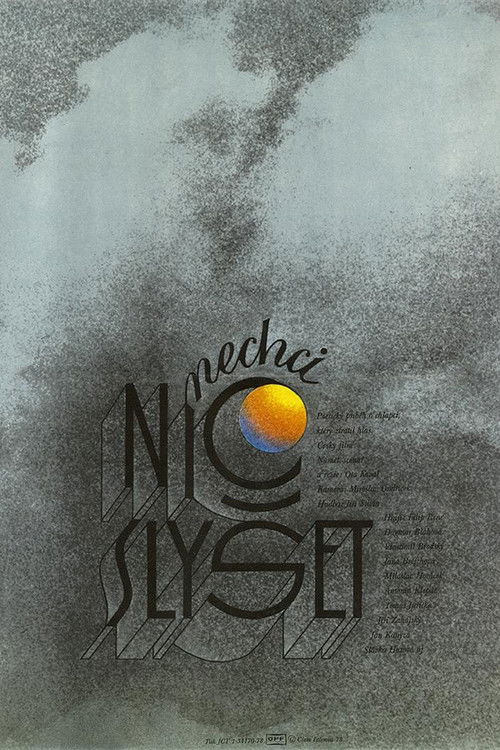
An 11-year-old boy is the only survivor of a tragic car accident in which both parents are killed. It's not until he meets a travelling student theatre company that he is able to shake off the long-term shock...
Nechci nic slyšet
A bitterly funny look at the beginning of a young teacher's career, based on Halina Pawlowska's first screenplay, which she wrote while still a student.
Evo, vdej se!
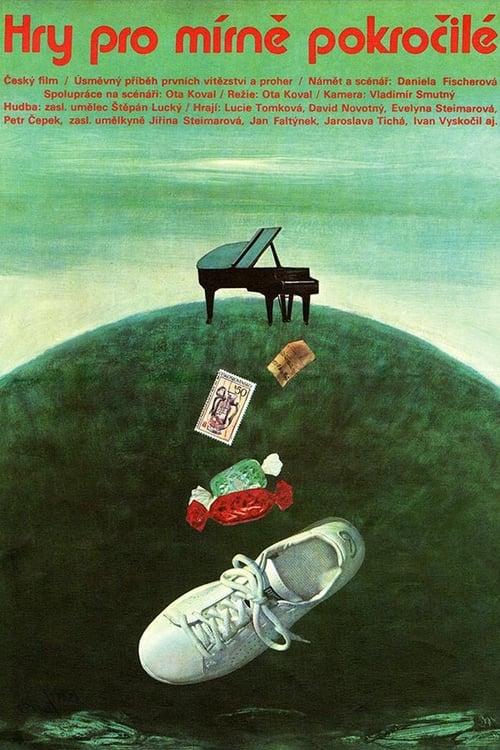
Films for children gradually fell into the grip of expressive and content sterility, succumbing to exhortative, educational tendencies. This is also the case in the story of a 14-year-old girl who has been accepted to the conservatory, but a sudden accident, a broken arm, makes her rethink her priorities - she learns that it is possible to engage in other activities than the tedious practice of piano etudes.
Etudes for Piano Students
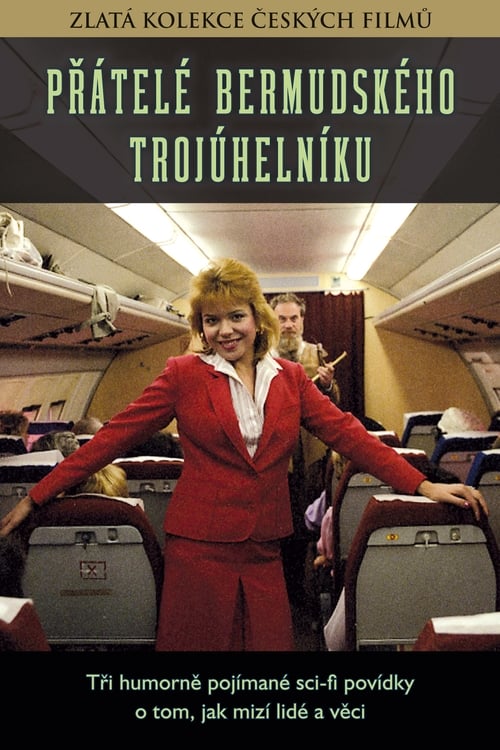
The idea of mystery unites the three debut stories - the original Bermuda Triangle with its mysterious phenomena has begun to shift and can be traced anywhere in the world, including Czech and Slovak territory. Here, too, unexplained shifts in space and time occur. This idea is supported by the aforementioned short stories, but the inventiveness of the subject matter and staging is very heavy-handed, and the film passed through the cinemas without much interest.