Acting
Gennaro, the son of Lucretia Borgia, lives unaware of the identity of his mother, who has married the Duke of Ferrara. After Lucretia's brother is killed by five conspirators, the fathers of Gennaro's dearest friends, Lucretia tortures the old men to death. Later, Gennaro and his companions journey to Lucretia's domain, and she sees her son for the first time. The Duke, who believes him to be her lover, poisons him, but Lucretia administers the antidote in time and saves his life. Then she schemes to poison her sons' five friends for their fathers' mistake.
Young Billy Burns is in love with Irene Brander, to whose father he is private secretary. Irene returns his affection, but is very much afraid that her father will force her to marry Bert Austin, a young society and club man of his choice. Billy, seeing that this is imminent, goes boldly to Irene's house and asks her father for her hand.
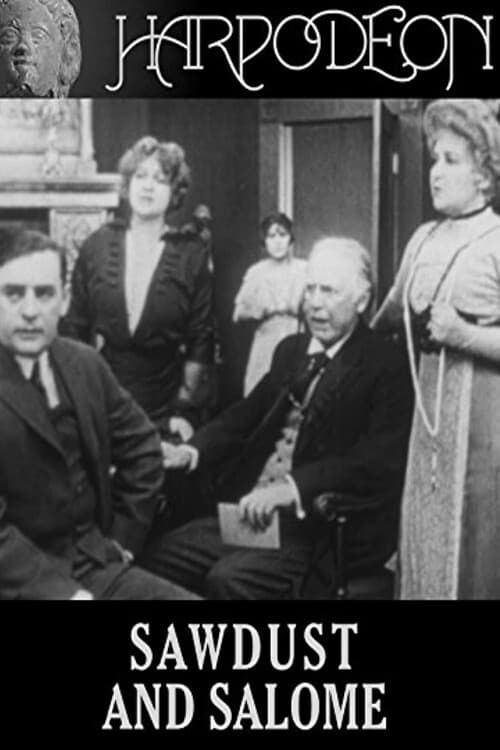
A rich swell travels out West to escape marrying a social climber. There, he meets and marries a bareback rider from traveling circus. Bringing her home, his family's pernicious double-standards are revealed.
No description available.
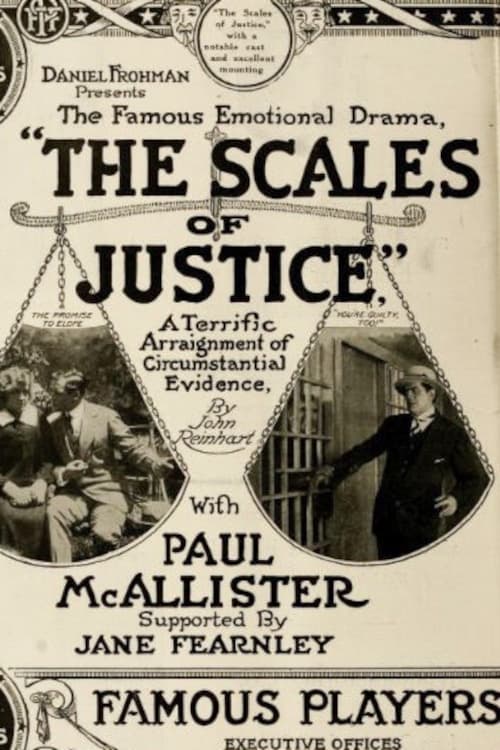
Robert Darrow, a district attorney is in love with young widow, Edith Russell Dexter. Her wealthy grandfather, Judge Philip Russell, wants her to marry his business manager, Walter Elliot, who actually has been embezzling from Russell's company. During a garden party, Edith and the judge fight over her attentions to Robert
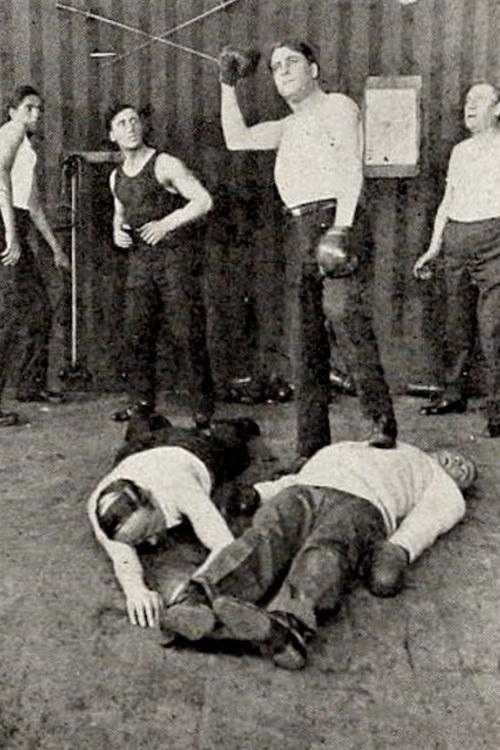
George, a somewhat "unathletic" young man, falls for Clarice, a healthy, athletically inclined young woman. Unfortunately for George, however, a strapping, musclebound stud is also after Clarice, and she seems to prefer him to George. After reading an article by a female writer saying that women prefer the "caveman" type of man, George decides that if that what it takes to get Clarice, then that is what he will be.
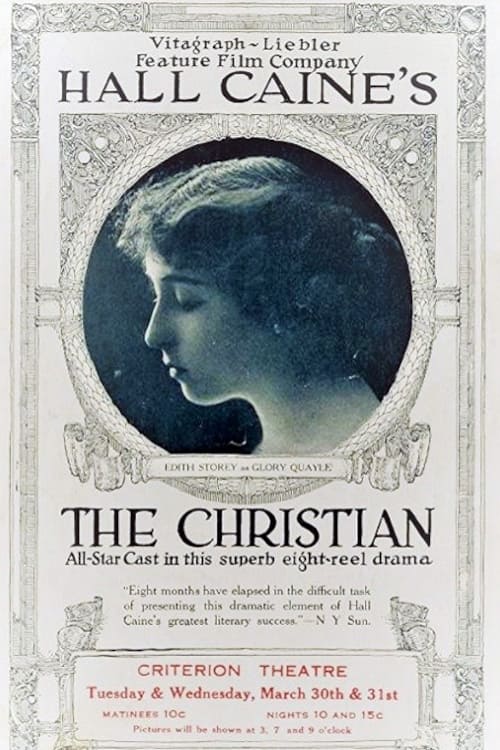
Glory Quayle, a natural-born mimic, leaves her country home, reaches London, goes on the stage, gains fame and affluence. John Storm, her country sweetheart, believing he has lost Glory forever, enters a monastery, tries to forget her, cannot kill his love, returns to the world, becomes a famous slum worker and friend of the poor.
A modern artist named Raphael dreams that he is the ancient Greek sculptor Phidias, who has been commissioned by the wealthy Georgias to carve a number of statues. When Phidias refuses to give up his work, Diogenes appears and suggests that the sculptor ask the statues themselves whom they would prefer as their owner. After coming to life, the statues abandon the sculptor for the rich man. Awakening, Raphael continues his pursuit of the beautiful Marco, a society woman who has posed for him. Marco ultimately spurns his love in favor of a wealthy viscount, however, leaving Raphael to seek happiness with the humble but loving Marie.
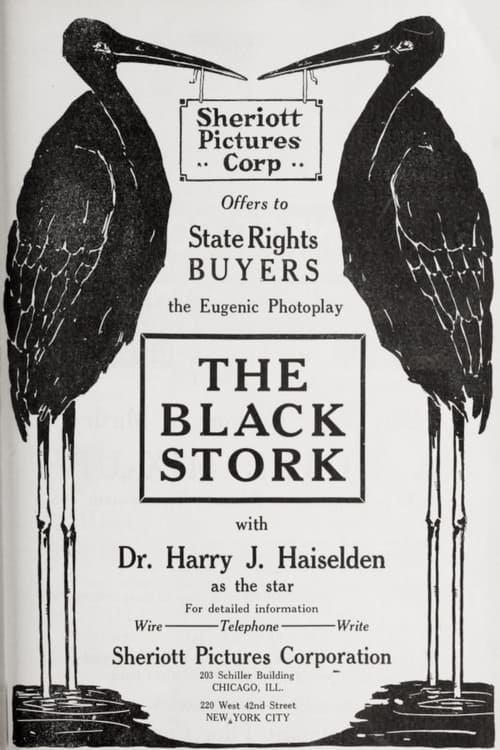
A young man and woman are considering marriage; eugenicist Harry J Haiselden warns that they are ill-matched and will produce defective offspring. He is right; their baby is born defective, dies quickly and floats into heaven.
Etta Lang, a chorus girl, is the principal support of an invalid mother and her sister and brother, not only working at the theater, but looking after their small boarding house. Among their lodgers is Brutus Bellamy, an old actor. He becomes interested in the girl, and offers to teach her acting. She learns rapidly. She arrives at the theater late and is abused by the stage manager, Joseph Burton. Cecil Wentworth, one of the backers of the theater, takes her part and becomes interested in her.