Maher Abi Samra
Directing
Known For

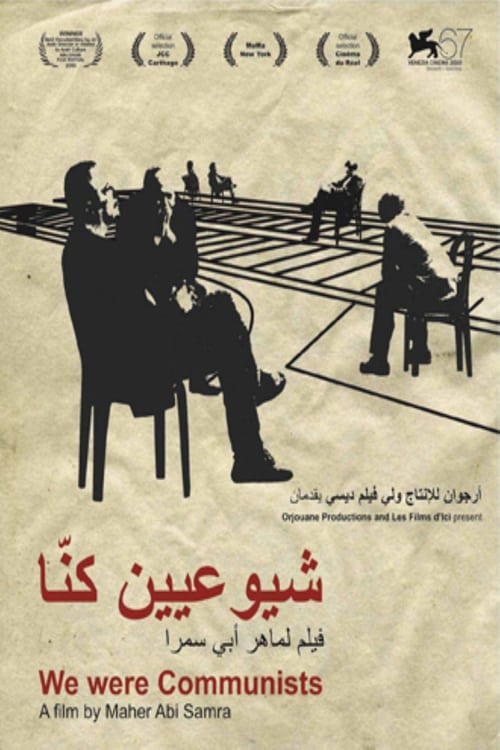
Uninhibited examination of the legacy of Lebanon’s civil war. A reflection on the destinies of comrades who were once bound by ideologies and remain tightly knit friends. The film travels the chimeric and daunting reality of Lebanon's fractured post-war landscape.
We Were Communists

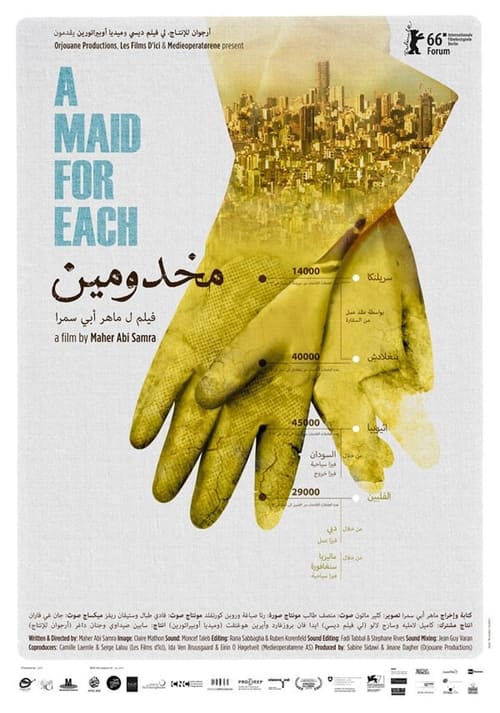
For an estimated population of 4 million, Lebanon boasts some 200,000 foreign domestic workers, contracted under a system of full custodianship that deprives them of basic rights. Implemented since the start of the civil war (1975), this system is borrowed from similar ones in the Gulf countries. It is predicated on a transaction whereby the worker is not providing a service, but is rather commodified as a product, with specialised agencies organising their import under conditions not unlike modern-day outposts of slavery. Director Maher Abi Samra places his camera inside the offices of the El Raed agency with the full complicity of its owner Zein. Diligently, unobtrusively, he observes and probes. The components of this state-sanctioned system come undone methodically
Makhdoumin
A drawing on a blackboard serves as an introduction to the complexity of Lebanon’s past; more and more arrows and directions fill the board, thus featuring the Chatila camp in the outskirts of Beirut, a site that welcomes the Palestinian refugees who are now the scapegoats of Lebanese society. With respect and accuracy, the filmmaker reveals the day-to-day life of this microcosm.
Shatila Roundabout
Filmmaker Maher Abi-Samra returns to the neighborhood of his youth, Ramel el Ali, in Beirut's southern suburb. Settled in the 1950's by the mostly Shiite community from the villages of southern Lebanon and the Beka Valley, this community grew on the rubble of the civil war. By the early 1980's it had become one of the strongholds of the Islamic Party of God, the Hezbollah. WOMEN OF HEZBOLLAH is a portrait of two women, Zeinab and Khadjie, activists in the Hezbollah, and an examination of the personal, social and political factors of their commitment.
The Women of Hezbollah

In four long takes, like a haiku in black and white, we enter the rubble of a country following the 2006 Israeli-Lebanese conflict. Without ever looking death in the face, the absence of life shows itself over the course of clues appearing in the no man’s land of a battered Beirut. In silent, frozen time, the film subtly refers to the spectator’s imagination in alluding to death.
Merely a Smell

Sylvana lives in Lebanon, Mohammed in New York, but when they are together, they like to go for walks. Sylvana is in a wheelchair and Mohammed is blind, so she guides the way as he pushes. They talk about the constant lack of autonomy they experience in daily life, and how the obstacles they face are not only physical but above all societal. When Sylvana was a child, other children were forbidden to play with her for fear that her disability was contagious. Although highly educated, Mohammed was unemployed for two years as a result of discrimination.