Wilhelm Hollender
Production
Known For

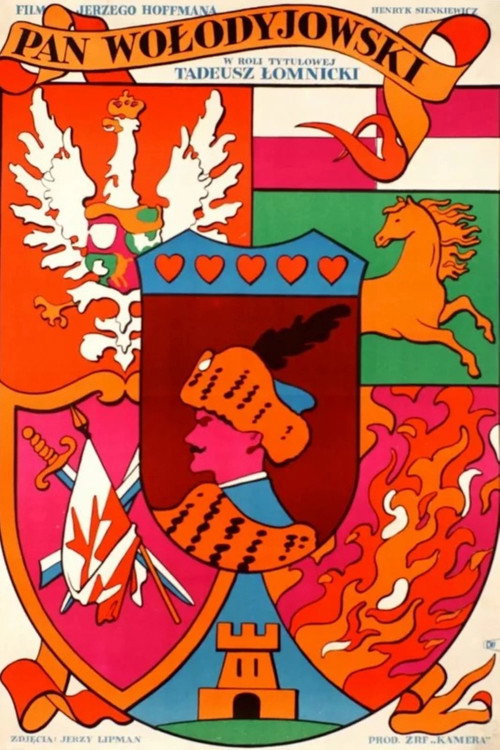
In 1668 Polish colonel Michał Wołodyjowski, who recently retired to a monastery, is recalled to active duty and takes charge of Poland's eastern frontier defenses against invading Tatar hordes and Ottoman armies.
Colonel Wolodyjowski

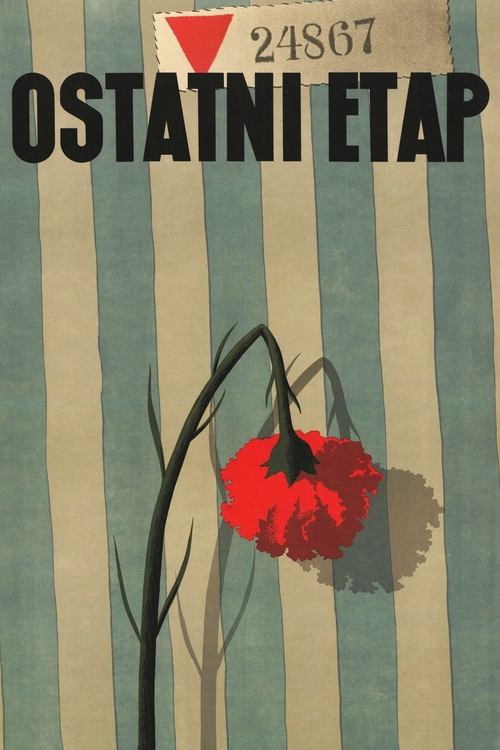
Poland, during World War II. Martha Weiss, a Jewish woman, arrives at the Auschwitz extermination camp with her family. She is assigned the role of interpreter, but her loved ones are much less fortunate.
The Last Stage

One night in 1950 a passenger train runs over a man, who turns out to be the veteran train engineer Władysław Orzechowski, knows for his old ways and stern demeanor. As the inquiry panel tries to deduce why would a man like Orzechowski jump in front of a moving train several of the people involved in the case are interrogated, each telling their own version of the story. Can the panel arrive at the truth in a world where workers unite, inferior coal is a badge of honor, and the old order is suspect?
Man on the Tracks

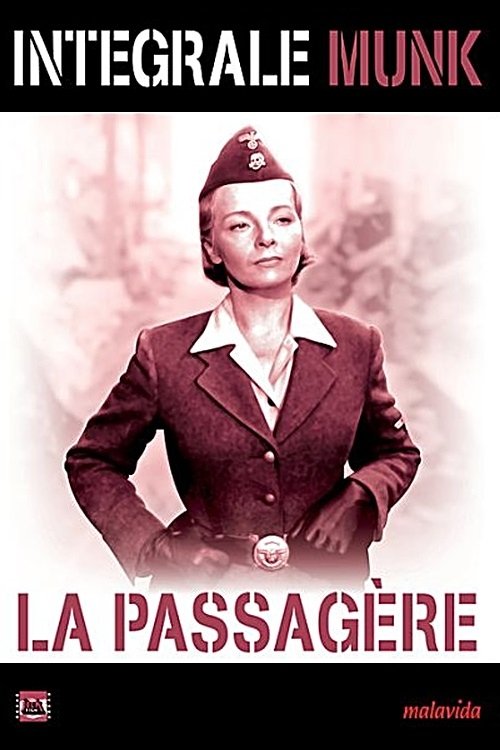
A German woman on a ship returning to Europe notices a face of another woman which brings recollections from the past. She tells her husband that she had been an overseer in Auschwitz during the war, but she has actually saved a woman's life.
Passenger

1944. Communist militiaman take a post in a little town in the east of Poland. He has to stand against his own men that are not happy with new authorities.
Rok pierwszy

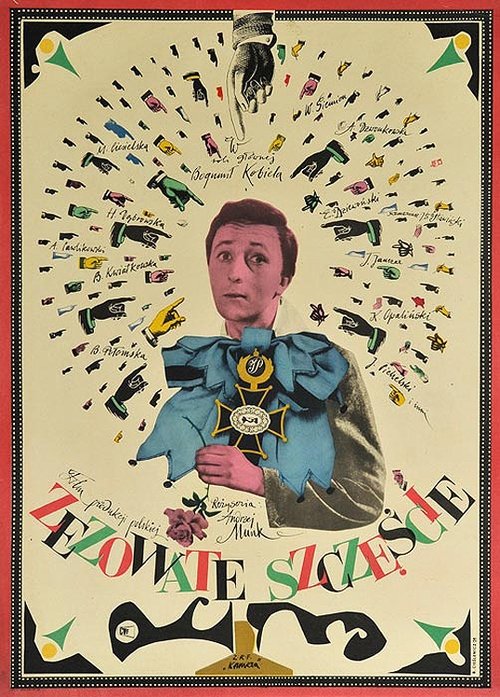
A simple governess and a wealthy aristocrat fall madly in love with each other. However, his family are prejudiced towards her and have other plans for him.
The Leper

The story takes place before World War II and centers on Pawel, a member of a conservative, middle-class family, and his love for Lidka, a taxi dancer. Social conventions and the lovers' inability to defy those forces Pawel and Lidka benefit. Times change, war breaks out, leading to Pawel sent to Auschwitz while Lidka marry his cousin. Their love has survived and conventions are no longer the issue.
Farewells

Set at the end of the war. A hot-headed colonel tries to force his men on to heroics although the war is almost over. A war-weary lieutenant tries to muffle his efforts but he keeps on with his men and is killed fighting in the front lines, all his men decide to get his body.
April

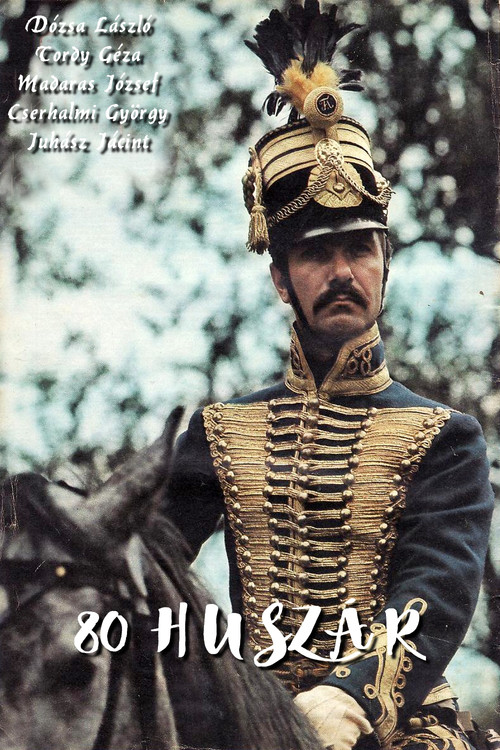
The film tells the story of a regiment of Hungarian hussars stationed in Poland. The hussars, mostly ordinary men, have heard news of the uprising and wish to return to the homeland to defend the newly independent country. The Empire, on the other hand, is firmly resolved that all Hungarian troops in the imperial army should be kept as far away from the trouble spot as possible, knowing that most soldiers would be loyal to Budapest rather than Vienna.
80 Hussars

At the end of World War Two, Polish people move to the western lands vacated by Germans. But some ruthless profiteers pose as government representatives and intend to make off with loot from a deserted town they took over. One honest man stands up against them because he believes these goods belong to the people.
The Law and the Fist

To convince the prison warden against releasing him, a middle-aged Polish man recounts his life, one he considers to have been characterized by exceptionally bad luck.
Bad Luck

Three stories about life problems, each rooted in contemporary reality through newspaper reports and a “Polityka” magazine survey, crafted by documentarians Jerzy Hoffman and Edward Skórzewski.
Trzy kroki po ziemi

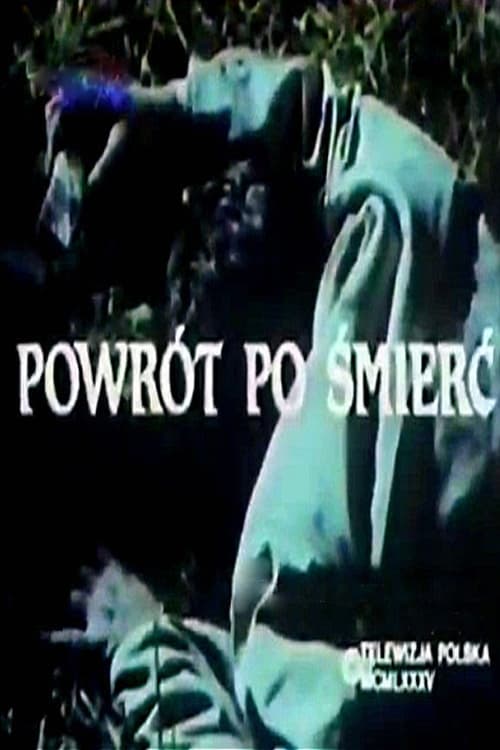
One June evening, a Krakow prostitute nicknamed Rączka is accosted by a bloody man who wants to spend the night with her. The girl agrees, but when the next day she learns that a gruesome crime has been committed near the place where the mysterious customer accosted her, she reports the night's meeting to the police.
Powrót po śmierć

A pleasant, open-faced young man comes to live in a boarding house with three peculiar women.
The Lodger

A small fishing village between the sea and the lake. One day, when all the men went out to catch, a viper bitten Grandpa Filip and little Madzia was severely injured by a misfire. Holidaymakers with a motorboat refuse to help. Filip decides to take the girl to the doctor himself.
Między brzegami

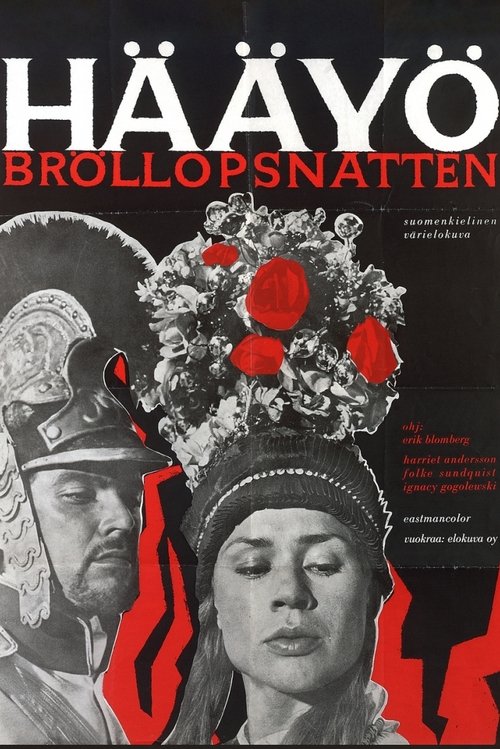
Tragedy befalls Hanka, as her husband and father die fighting Austrian forces invading the Duchy of Warsaw in 1809.
Wedding Night

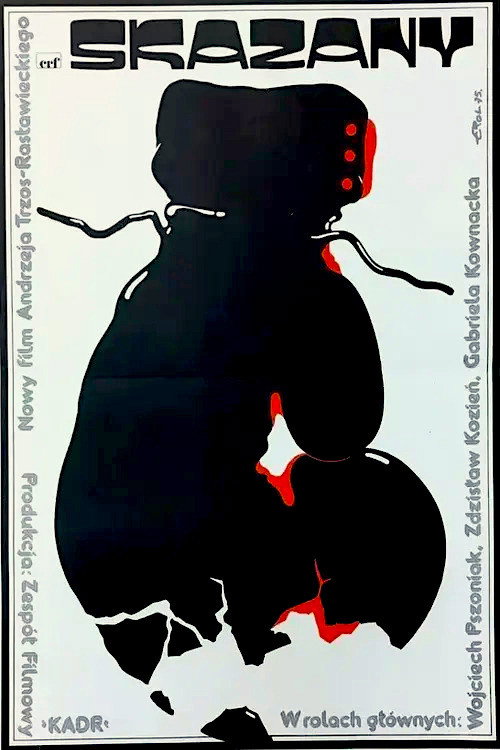
A man is tried in court for failing to help his brother to avoid suicide.
Convicted

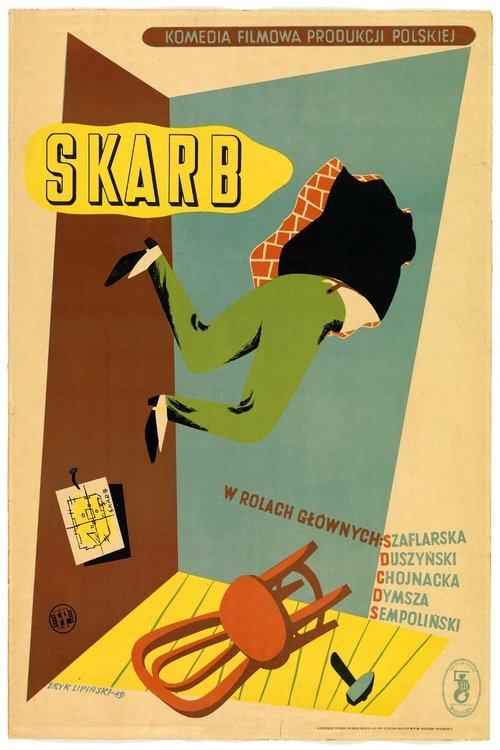
Witek and Krysia, a married couple, move to Warsaw and have nowhere to stay. They rent a room in a house with many other lodgers. Witek dreams of their own house and draws a sketch of their future home, marking the place where his wife will sleep with the word "treasure". The other lodgers find the draft and a frantic search for the treasure begins.
Treasure

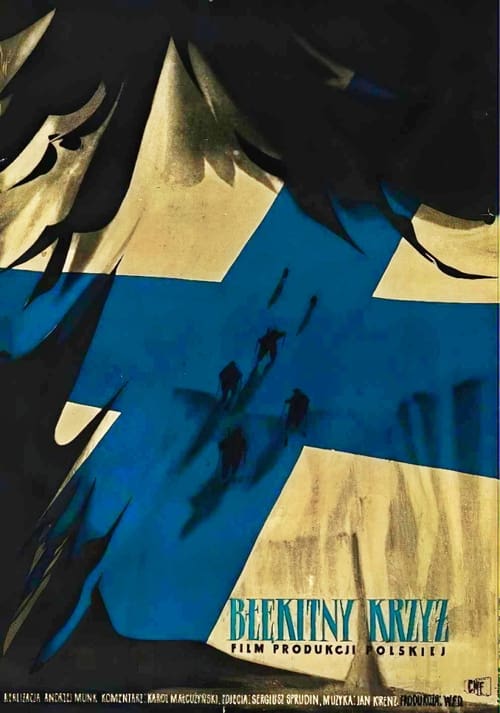
The final film produced by Warsaw’s Documentary Film Studio is an epic re-enactment of a treacherous mission by the Voluntary Tatra Mountain Rescue Service to aid colleagues stranded behind enemy lines at the close of World War II (several real participants feature in the film). Based on a short story about the rescue by Adam Liberak, Munk’s final “documentary” is also arguably his first major exercise in the craft of narrative filmmaking.
Men of the Blue Cross

A woman has difficulty choosing between her husband and her new lover, so she sets up a table tennis game between them.