Sound
Short film by Fernando Lopes, decisive figure of the Portuguese New Wave.
No description available.
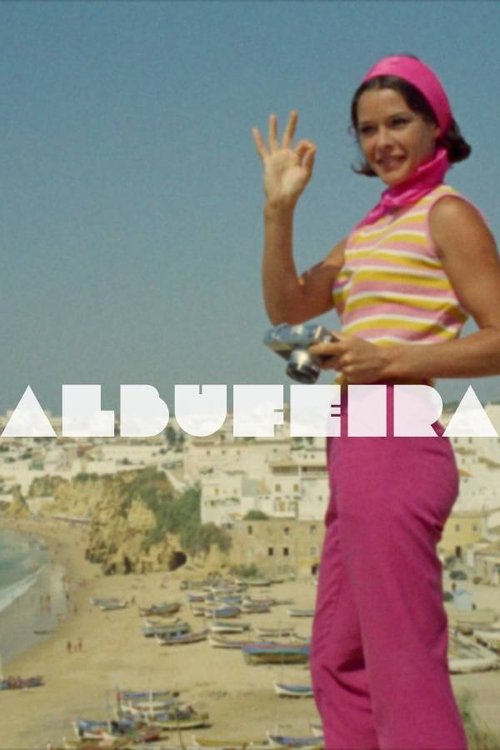
A short film from the 1960s, a production by Francisco de Castro, Albufeira is a film promoting tourism in the Algarve city (such as Lisbon, Jardim da Europa), showing, however, the authorial and experimental brand of António Macedo, a of the founders of the Portuguese Cinema Novo, always inclined to escape the canons of production.
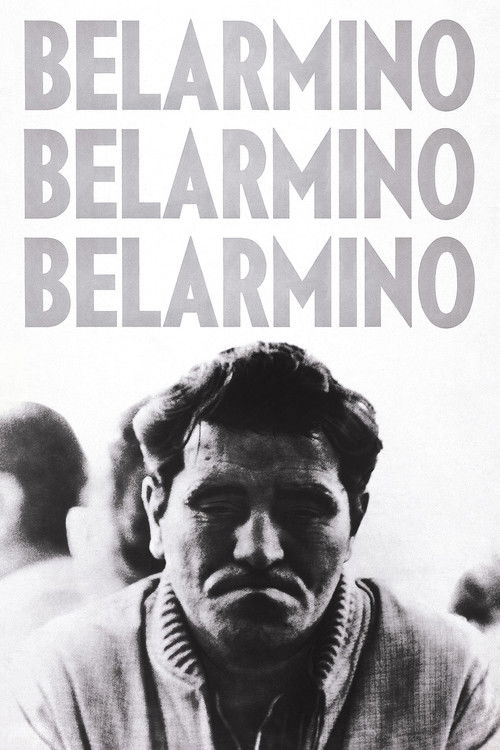
A portrait of Belarmino Fragoso, a veteran boxer in Lisbon nearing the end of his career. In a blend of reportage and re-enactment, the many vices of the once national featherweight champion are revealed against a background of the grim economics of boxing in 1960s Portugal.
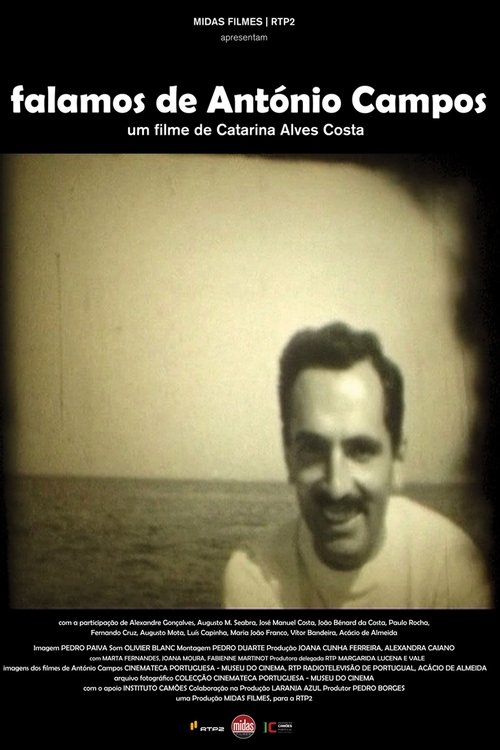
A portrait of António Campos, an extraordinary cineaste that was called an amateur, one of the most unique Portuguese directors due to the way he filmed the country on the 1960 and 1970’s. Considered as a director out of the mainstream, a loner, instinctive, Campos stands for the passion of filming.
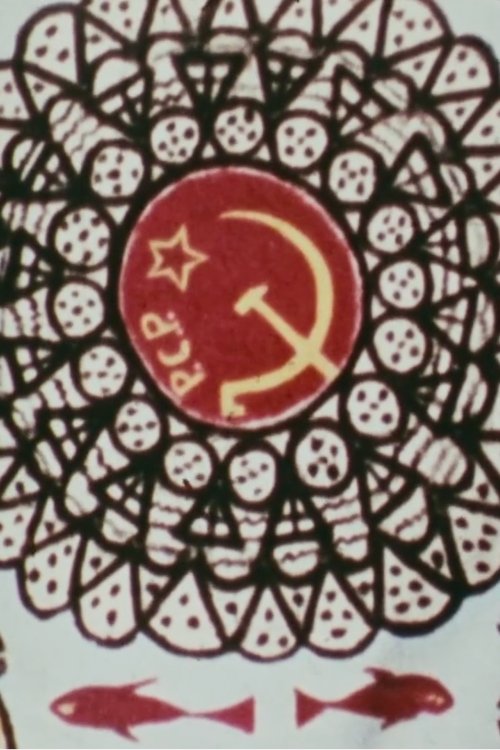
Filmed on the streets of Lisbon, after the 25th of April, with a Super 8 camera, it documents the political propaganda posters, graffiti and murals of revolutionary ideology inscribed on the city's walls.
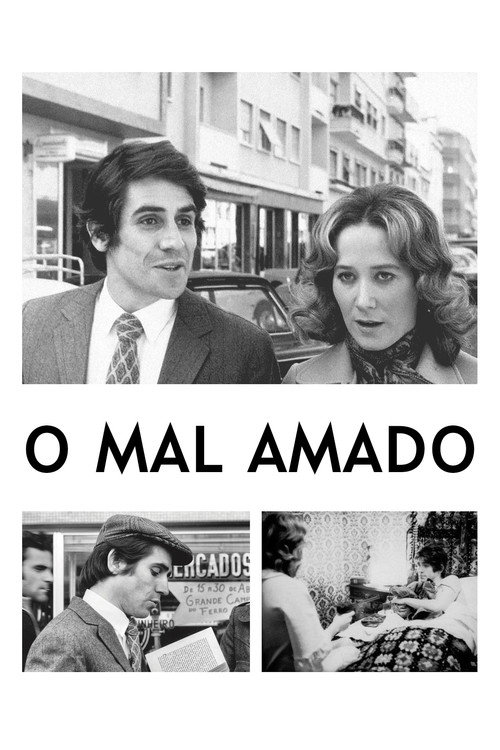
The Soares are a bourgeois couple, living in a good neighbourhood of Lisbon, but João, their son, is not integrating well in that pattern. He attends more political meetings than classes at the Faculty of Economy, and gets a job but that's short lived because his female boss makes him her lover. He longs for the coffee shops, and the companions of old, but he doesn't get true love from anyone.
The tribulations of two friends who, in despair, start begging from door-to-door, and are given a bundle including, literally, a pair of deadman's shoes.
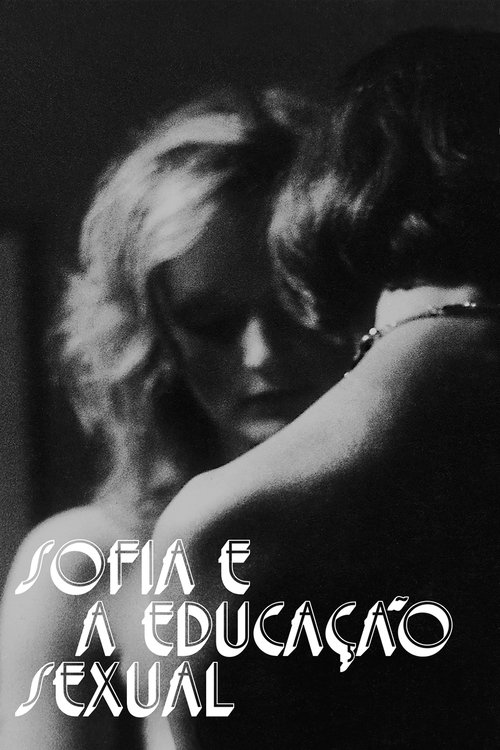
After her mother's death, Sofia returns from a Swiss college to her family's luxurious villa, in Cascais. Through the relashionship between her father, Henrique, and his lover Laura, she will discover the complexity, egothistic, discrete and hypocrite way of life - from which there is no escape.
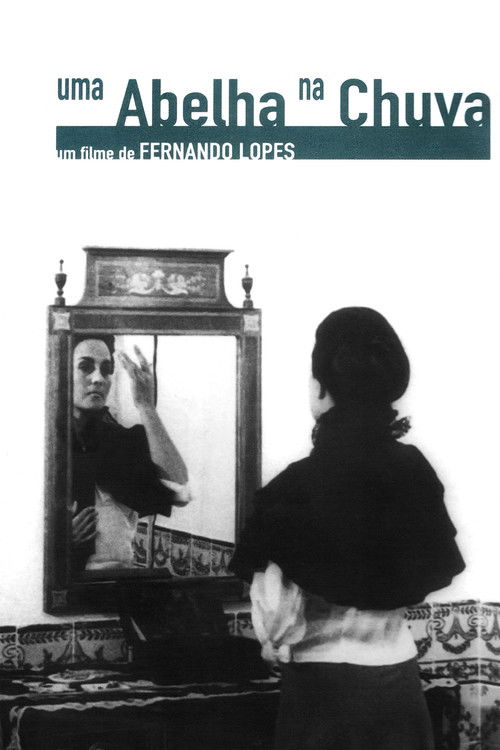
This Portuguese drama examines the daily life minutiae and intrigues of two scions of society in the rural village where they live. One is a wealthy landowner, the other a widowed aristocrat who lives in a world of her own.
Abel, 47 years old, two wars - in the colonies and France, emigration - several scars from many battles lost, returns in a jump to Portugal, to his lost village in the northern interior, near the border, from where one day he'd be gone, also from a jump. A letter, from his brother Peter, warned him that everything changed. Even Teresa. Abel catches sight of his childhood in the village hills, the old tribe. From a distance everything seams to be in the same placesa, the old dog is all that remains of the past. In the village the Act of Passion will be performed and Teresa is one of the participants. Abel takes the old gestures and prepares his plan: eliminate one by one Teresa's suitors, to consummate during the act of the Passion, her death ...
A borderland village of Trás-os-Montes, 27 km away from Bragança, Rio de Onor preserved - due to its isolated location - the old communitarian practices, of farmers and shepherds, that define it as an important and unmistakable center of this region.
Artur is in Lisbon for his holidays, wonders aimlessly, and is picked up by Rui, a young man who is into marketing and advertising. Joana is in Lisbon for holidays, but also trying to escape from a mysterious, dark passion. Artur and Joana come together, find common roots in their rural background.
Short film on the creation of an agricultural cooperative in the village of Sever do Vouga.
“I think my film represents above all the proof to those who want to understand and accept it, that poetry can’t be filmed, that it is useless to try” - João César Monteiro