Sound
Live performance from the Grand Théâtre de Genève, February 25 2016.
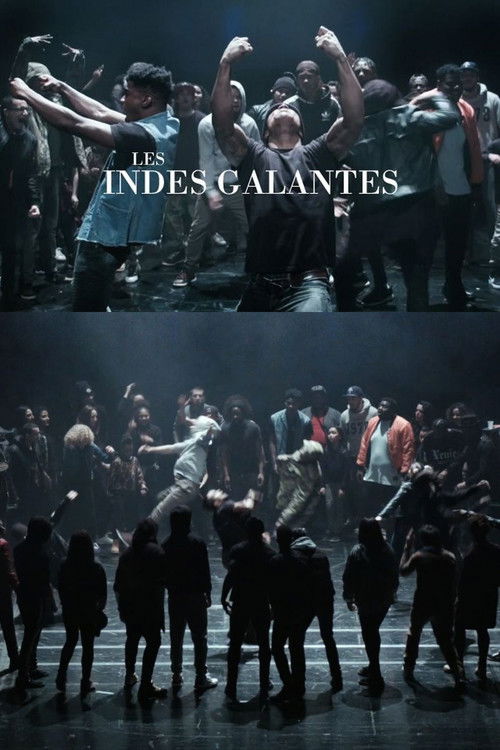
Les Indes Galantes (The amorous indies), is an opera-ballet created by Jean Philippe Rameau in 1735. He was inspired for one of the dance by tribal Indian dances of Louisiana performed by Metchigaema chiefs, in Paris in 1723. Clément Cogitore adapts a short part of the ballet by mobilizing a group of Krump dancers, an art form born in Los Angeles black ghetto in the 1990s. Its birth occurred in the aftermath of the beating up of Rodney King and the riots, as well as police repression it triggered. Amidst this coercive atmosphere, young dancers started to embody the violent tensions of the physical, social and political body. Both the tribal dance performed in Paris in 1723, and the rebelious Krump dancers of the 1990s shape a reenactment of Rameau’s original libretto, staging young people dancing on the verge of a volcano.
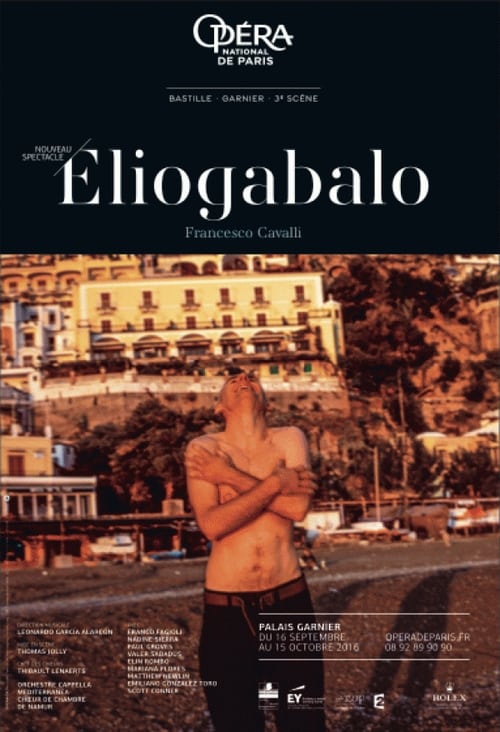
Systematically overturning accepted morals, Elagabalus dresses men as women, and names women to the Senate, favours sinning servants and humiliates generals. Baroque and carnivalesque, Eliogabalo is not, however, an opera that advocates a return to order. Leonardo García Alarcón, a finder of baroque gems, and Thomas Jolly are careful not to transform Eliogabalo into a sublime icon who would abase virtue. On the contrary, the conductor and young director, who are presenting their first production for the Paris Opera, accept the character’s contradictions and ambiguities
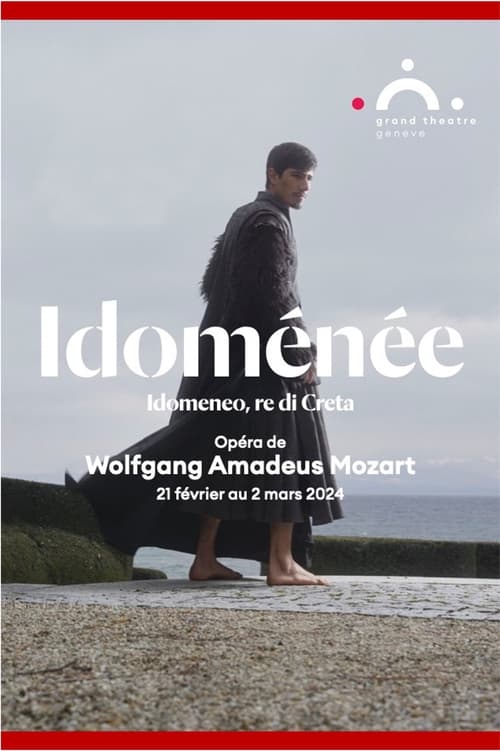
After the fall of Troy, King Idomeneo can finally think about returning to his homeland of Crete. During his long absence, his son Idamantes took care of the affairs of government and the Troyan prisoners of war, including Ilia, the daughter of King Priam. In order to get out alive from the storm that prevents him from landing in Crete, he promises to sacrifice the first living creature he encounters on his home soil to the sea god Poseidon. Unfortunately, this is his son who rushes to greet him. By sacrificing her life for Idamante's, whom she loves and who reciprocates her love, Ilia manages to appease Poseidon and release Idomeneo from his fateful oath. Production of the Grand Theatre de Geneve, 2024.
Francesco Cavalli's incandescent opera, where tragedy rubs shoulders with comedy, and burlesque alternates with deep emotion. Max Emanuel Cenčić directs a lively production, drawing on the codes of commedia dell'arte. This game of love and chance combines passion, betrayal, and power struggles. The countertenor takes on the title role, while Leonardo García Alarcón conducts the Cappella Mediterranea.
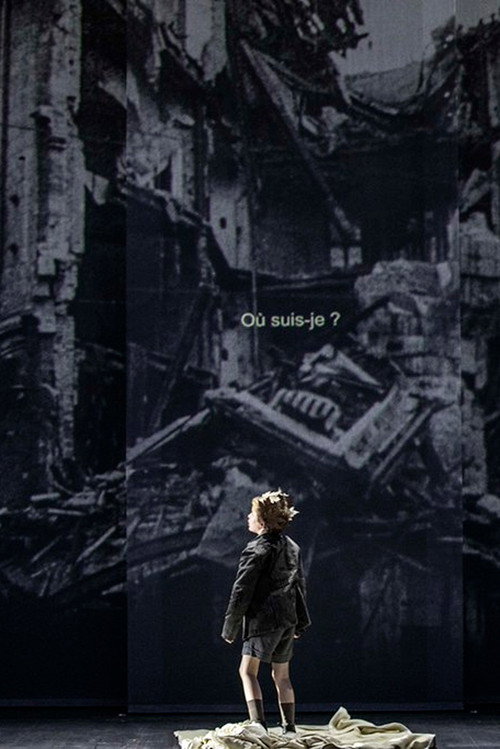
For years, *The Magic Flute* has been one of the most frequently performed operas at the Aix-en-Provence Festival. After an eight-year absence, Mozart’s work is now back on the programme. Clément Cogitore interprets the plot as a modern coming-of-age story: Tamino and Pamina leave the world of childhood behind and enter a reality in which beauty is fragile and truth is uncertain.
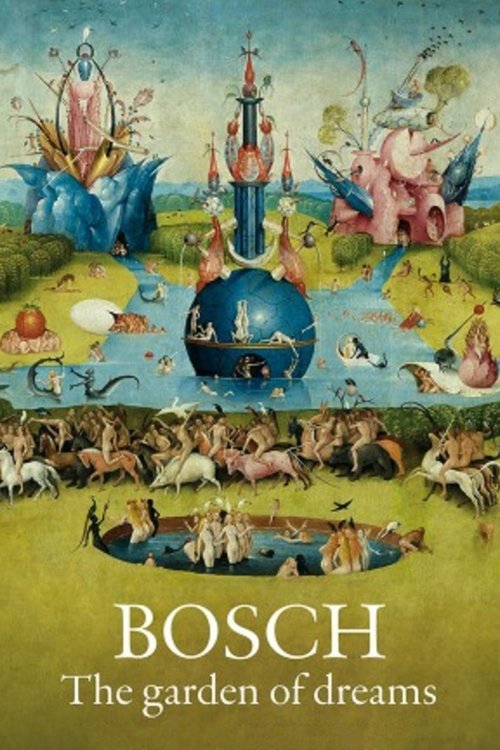
2016 marks the 500th anniversary of the death of Hieronymus Bosch. It is almost the only information about the artist of The Garden of Earthly Delights that we can put a precise date to. Bosch, the garden of dreams is a film about his most important painting and one of the most iconic paintings in the world: The Garden of Earthly Delights.
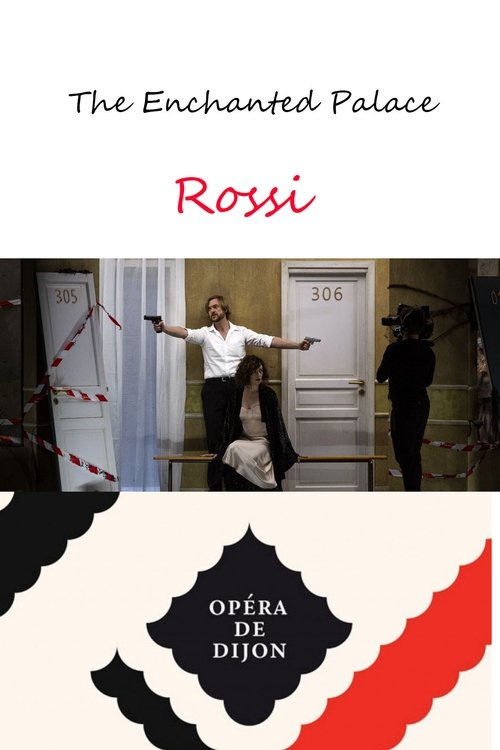
To save his protegé from a fatal destiny, a magician has imprisoned knights and ladies in an enchanted labyrinthine palace and mystifies them to the point of delirium. Luigi Rossi's first opera - boasting sixteen soloists, double and triple choirs for 6 and 12 voices, numerous ballets - marked the last surge of Roman opera before the Eternal City forsook it for a long time. For the Argentine conductor Leonardo García Alarcón, who rediscovered the opera in the Vatican Library neglected for 380 years, Il palazzo incantato is ‘the missing link in the history of opera and the metaphor of our lives'. ‘Leonardo Garcia Alarcon was known as a magician, now he has become a conjurer.’ (Le Monde)
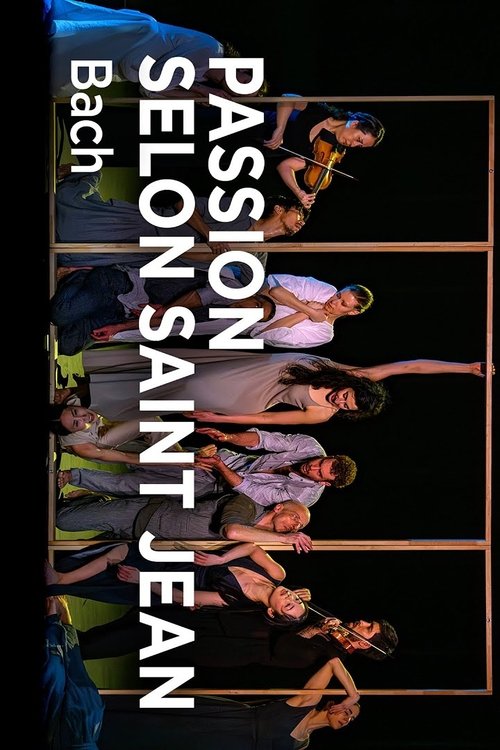
In March 2024, to mark the 300th anniversary of Johann Sebastian Bach's St John Passion, premiered in Leipzig in 1724, Berlin-born Sasha Waltz presented a movingly intense choreographed version on the stage of the Opéra de Dijon.
Countertenor Carlo Vistoli takes us on a musical journey through 17th-century Italy. The nascent opera genre was producing its first masterpieces at the time, with composers such as Monteverdi, Cesti, Cavalli and Stradella. These genius composers laid the foundations for opera and helped establish it as a major art form. The programme includes arias, love laments and scenes of madness.