Acting
No description available.
Jamaican-born Stuart Hall looks at the history of the Caribbean islands through interviews with modern inhabitants.
This uneven and uninspired documentary of Africa is a collection from various stock footage. Female dancers in mod clothes dance on the Eiffel Tower in comparison to the primitive dances of native Africans. A lone runner trains for a marathon, and a few animals are shown in their natural habitat. Commentary and modern jazz and pop music help to make this seem much longer than 66 minutes.
The film based on the poem by Aimé Césair was created for a series of one-minute-long films inspired by the poems of this French poet commemorating the 100th anniversary of his birth. The French original was narrated by Jacques Martial with music composed by François Causse and produced by MAUR film for the company La Maison Garage. The Czech version was translated by the French poet and translator Bertrand Schmitt and narrated for the cinema by actor Viktor Preiss. The film was animated with the demanding technique of oil painted on glass directly in front of the camera and the production in the Anima studio took almost three months during this spring. The same technique will be used for an animated co-production film directed by the French director Florence Miailhe with Lucie Sunková as the main animator.
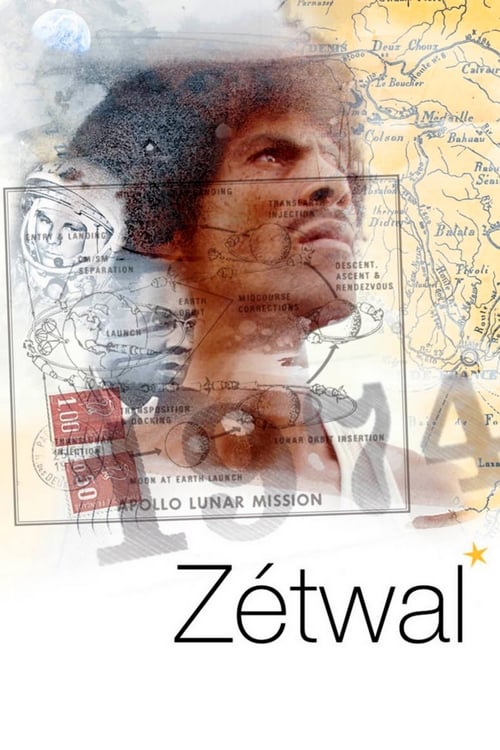
Martinique Island, 1974. Inspired by the writings of the Martiniquais poet and politician Aimé Césaire (1913-2008), the dreamer Robert Saint-Rose, known as Zétwall (Star in Creole), aspires to be the first Frenchman to step on the lunar surface.
"Ghost Body" is a personal meditation on the ambivalences of interracial male homosexuality.
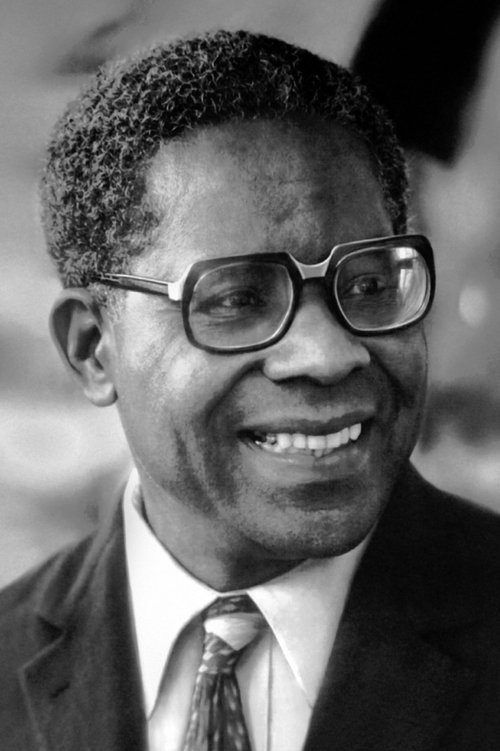
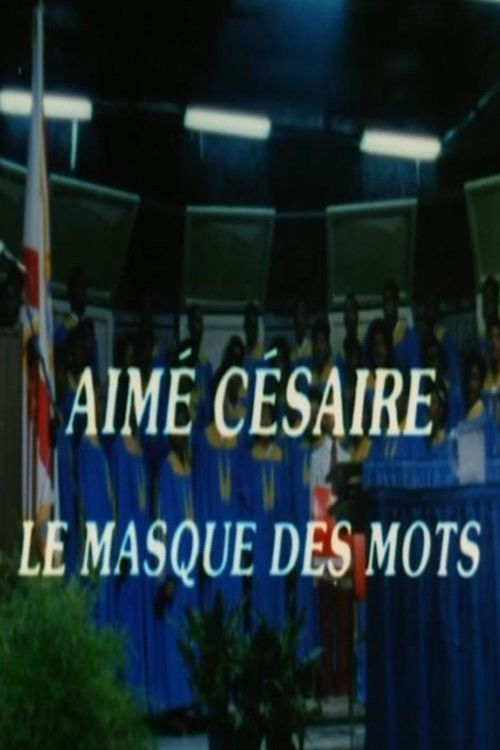
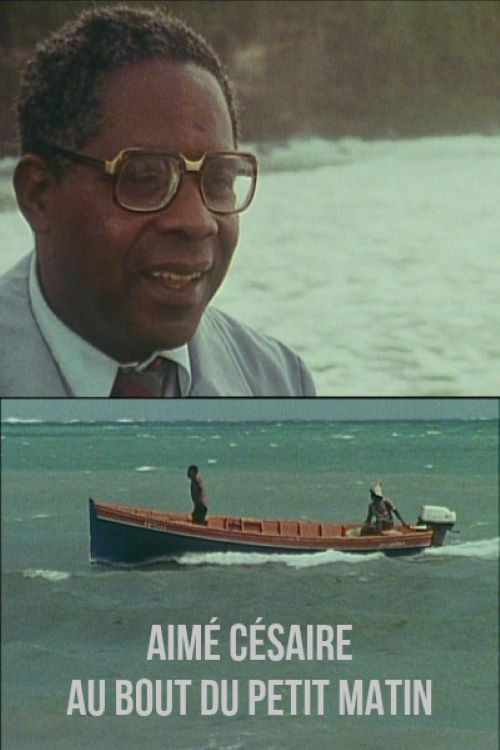
Aimé Césaire - Le Masque des mots is a portrait of the Martinican writer who calls himself a rebellious negro and for whom the poetic act represents an act of freedom.
A three-part study that introduces audiences to the celebrated Martinican author Aimé Césaire, who coined the term "négritude" and launched the movement called the "Great Black Cry".
In five parts, this documentary tells the story of the colonisation of the French Overseas Territories. Slave descendants, coloniser descendants, historians, admirals, rebellious writers and politicians recount a lasting past that keeps on igniting the economic and social relations of these territories even to this day.
The filmmaker Sarah Maldoror films the writer Édouard Glissant at the Fort de Joux (in the Jura), in the cell where the Haitian general Toussaint Louverture was held prisoner until his death in 1803. She then talks to Aimé Césaire at Le Diamant in Martinique, in front of Laurent Valère's "Cap 110" memorial. The documentary also includes short interviews with Roland Suvélor and Madeleine de Grandmaison, and the reading of texts performed by Greg Germain.
Shortly after his death in 2008, Maldoror made this film about her longtime friend and collaborator, the Négritude poet Aimé Césaire. In this film, she retraces the steps of Césaire’s travels across the globe — particularly back to his hometown in Martinique, where Maldoror interviews his relatives about his life — and her working relationship with Césaire, including fragments of her previous films about him, Un homme, une terre (1976) and Le masque des mots (1987).
Special broadcast of Aimé Césaire's text, directed by Hervé Denis for the Cooperation and Cultural Action Mission of the French Embassy in Haiti.
Documentary on the négritude movement through one of its founders, Aimé Césaire.
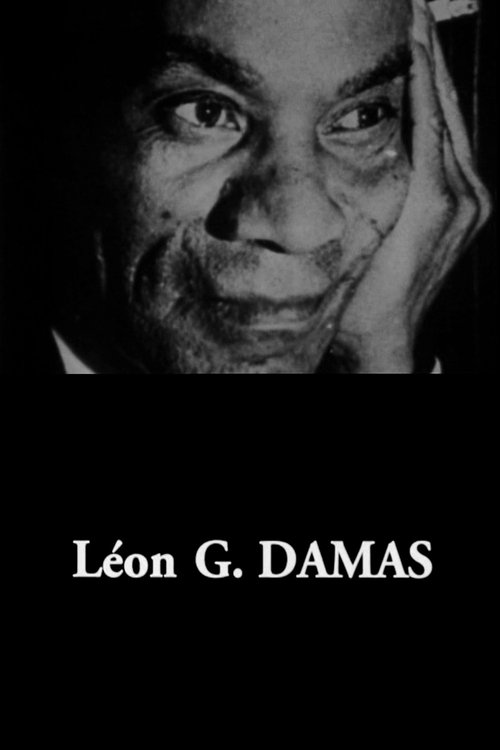
Léon G. Damas (1912–1978) was the first poet to “live Négritude”, according to the Senegalese poet, politician and cultural theorist Léopold Sédar Senghor. Cosmopolitan and always in transit, his writing is a chorus of melodies and imagery imbued with angst and melancholy and strongly influenced by jazz and blues. Punctuated by images of the landscapes of French Guiana and the voice of the artist, the film exemplifies the poetic documentary form to which Maldoror frequently returned.