Acting
No description available.
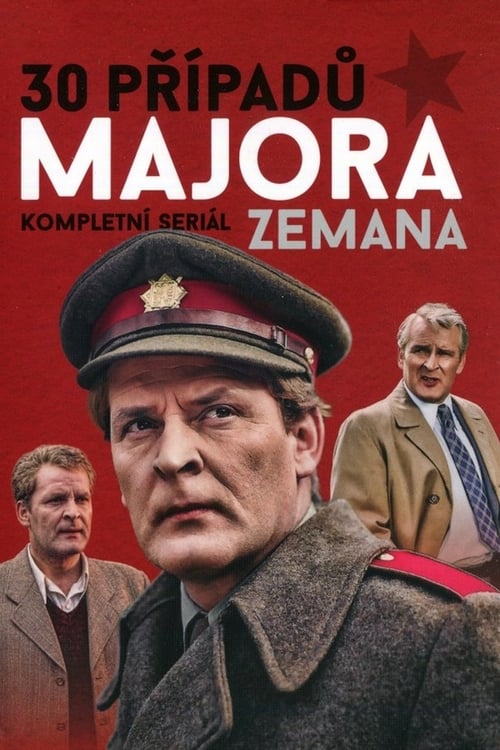
Thirty Cases of Major Zeman is a Czechoslovak action-drama television show intended as a political propaganda to support the official attitude of the communist party. The series were filmed in the 1970s. Each episode encompasses one year, and investigations are stylized to that year. Most are inspired by real cases. The series follows the life of police investigator Jan Zeman during his career from 1945 to 1975.
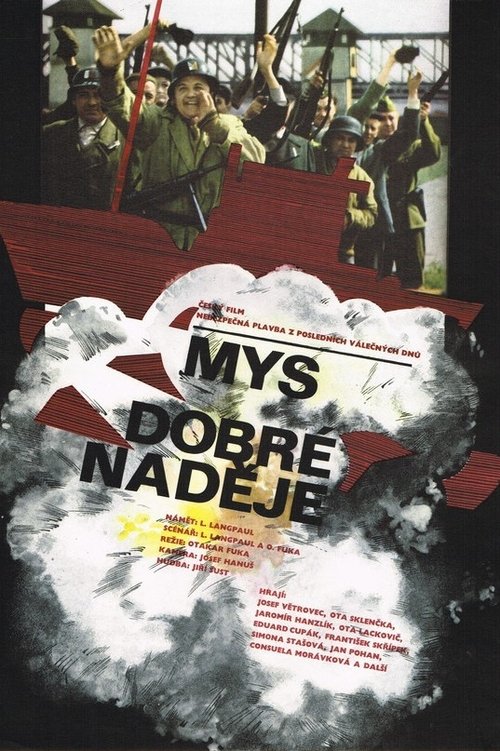
World War II is slowly coming to an end. On the German side of the border, panic slowly breaks out and the local commander orders the local port to be mined. The Czech boatmen take advantage of the sudden confusion and decide to carry out a crazy plan: steal a German ship full of explosives and sail towards Prague, which according to fascist plans is to become the last German stronghold...
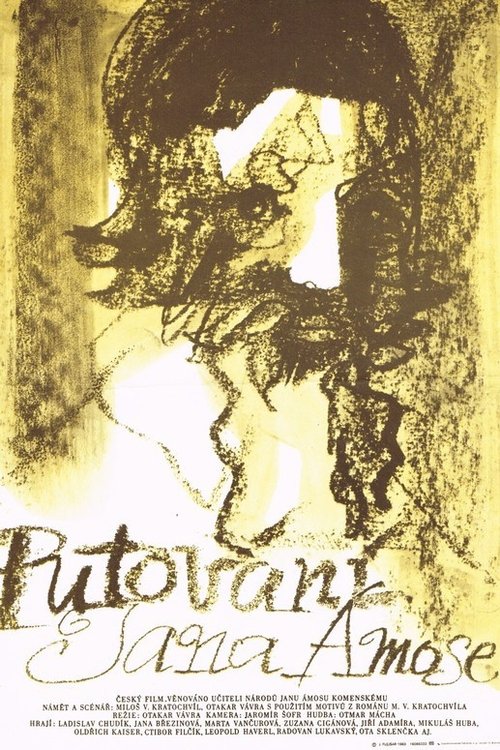
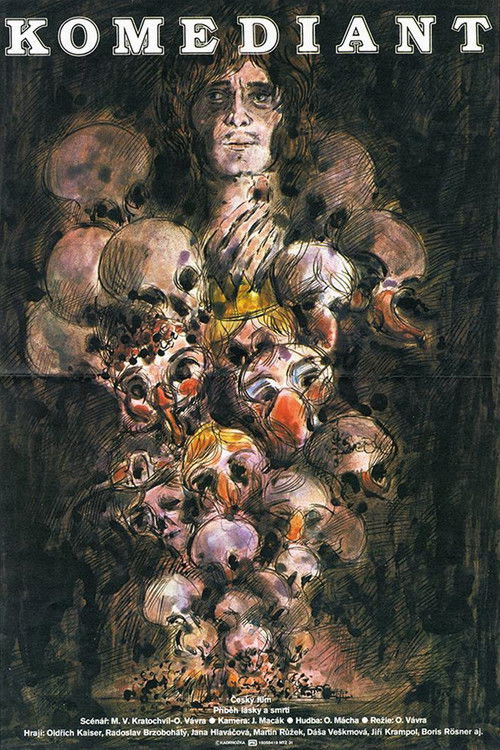
The distressing fate of the Czech great Jan Amos Komenský, forced to leave his homeland after the White Mountain disaster. It depicts his encounters with various European personalities of the 17th century - the Queen of Sweden, artists and scientists. It emphasises the hero's nobility, but also his inner resilience, which allowed him to overcome many personal and professional tragedies. The parable of The Labyrinth of the World and the Paradise of the Heart becomes part of the story. However, Comenius's concept is sculpturally lifeless and, in particular, the religious dimension is "erased" from it. The simplistic biography therefore does not avoid schoolboyish dryness.
It is 1883 and Josef Hibes, a social democrat, is organising a strike of textile workers. The main demand is a reduction in working hours...
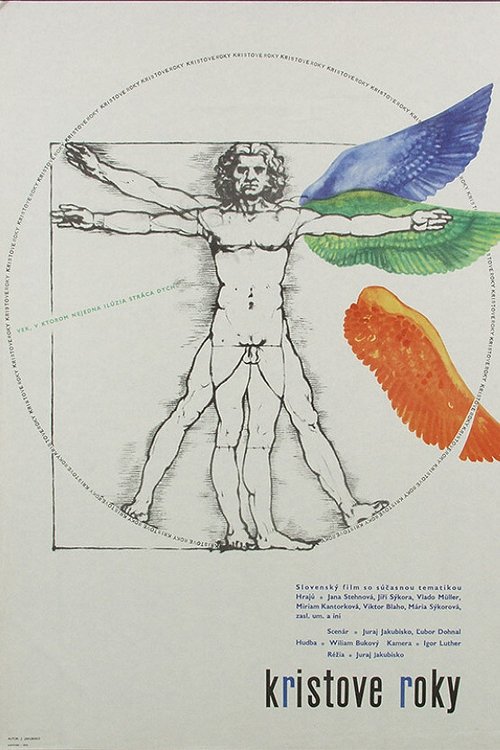
Juraj, a Slovak artist living in Prague, takes stock in his life, realizing that his days pass without purpose. He lives a carefree life. But now he has to choose between two women, between the city and the country, and between creative work and craftsmanship. He has a passion for art but he also has to make a living. Through his relationships with close people, he grows aware of his position and this knowledge helps him to live a more fulfilling and better life.
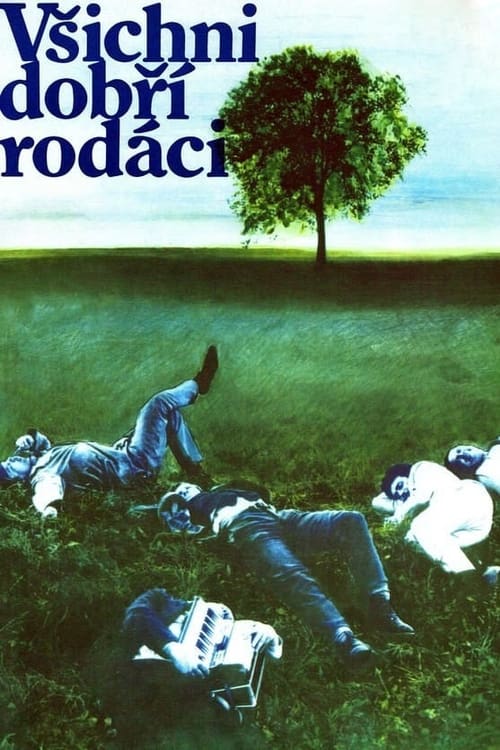
The lives of 7 friends in a small Czech town from 1945 to some time after 1958.
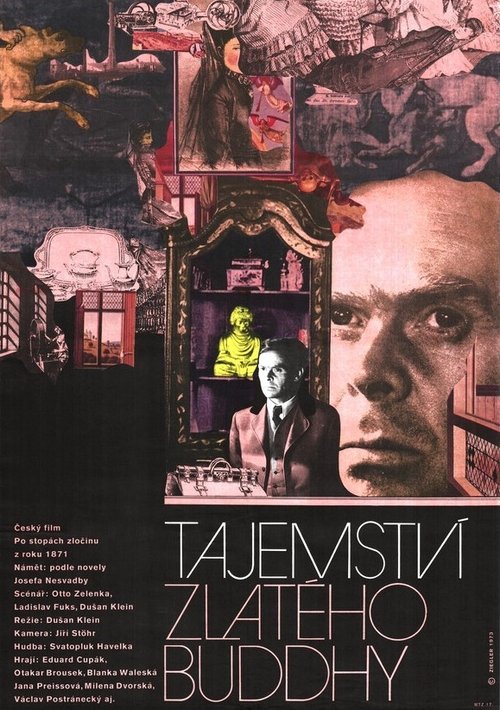
A crime story set in the second half of the 19th century. Krasl, a Prague schoolteacher, is searching for a statue of the Golden Buddha, which is supposed to contain compromising materials on the factory owner Riessig.
Life of Czechoslovak soldiers in a military unit for the so called "politically unreliable" - the Technical auxiliary battalions, aka "the black barons". Although it might seem like a political satire and it's mostly funny, it shows the reality and the absurdity of military service under the communist regime. Based on a novel by Miloslav Svandrlik.
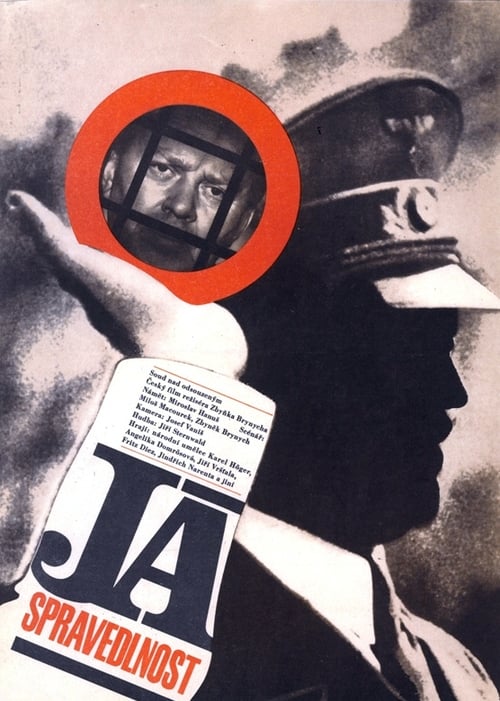
At the year 1946, the time of the Nuremberg Process. One of the main actors of the Second World War, who reportedly committed suicide, Adolf Hitler is, however, missing. The Czech doctor Herman (Karel Höger) is kidnapped from Prague and driven to the sanatorium of Professor Rolf Harting (Jirí Vrstála). The sanatorium is a disguised military stronghold, most probably occupied by a Nazi garrison, with prison cells and an execution chamber in the basement. At night, Herman is taken to a patient in whom he, to his horror, recognizes Hitler (Fritz Diez).
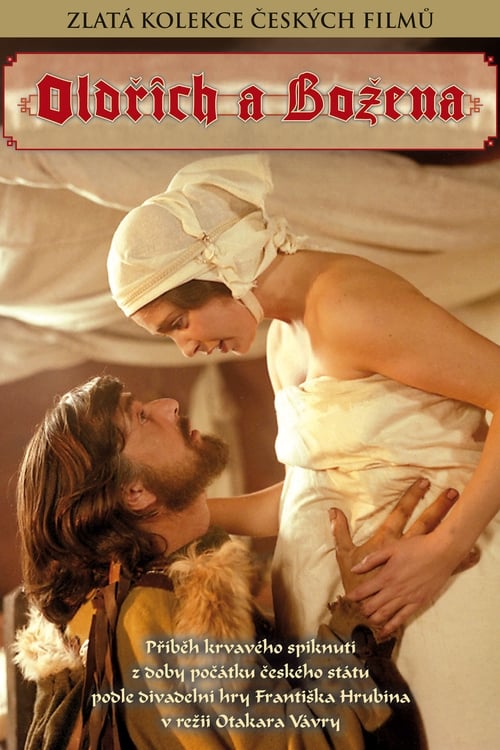
At the turn of the 10th and 11th centuries Boleslav's kingdom fell apart in the fratricidal war between the Přemyslovci and the other clans the main profiteer of this being the German emperor. At that time it seemed as if the Czech state and the lineage of its princes was awaiting its end..." It is with these words that the tale of this film begins, whose narrative is based upon the the play by František Hrubín of the same name.
Otakar Vávra dedicated his latest film to events accompanying the devastation of the first World War. It takes place in representative centers of power, in the courts of Vienna, Berlin and Moscow. In parallel, it develops the fate of the Czech archivist, who will take part in the Serbian anti-Austrian branch.
In 1955, a detained agent feigns loss of memory, speech and hearing. According to his written statements, his name is Karel Neumann and he was born in Radhost...
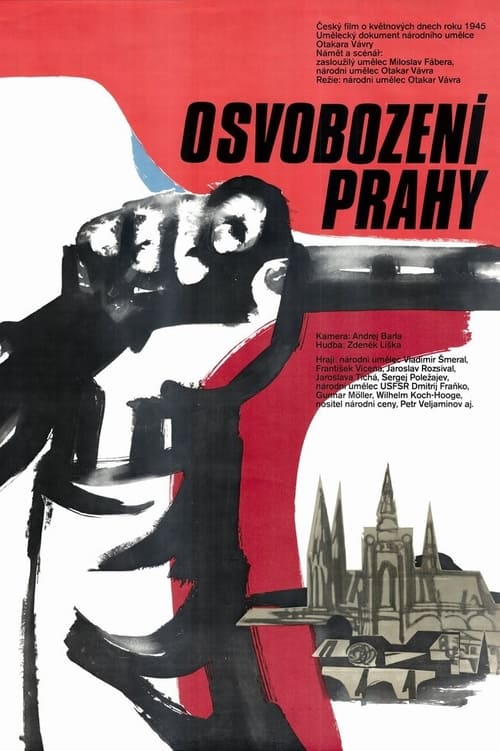
On 20th of April 1945 the Soviet army launches its attack on Berlin. The end has come for Nazi Germany and Hitler decides to commit suicide. In Prague K.H. Frank (Nazi Secretary of State and Chief of police in the Protectorate of Bohemia a Moravia) discusses with his commanders how to transform the city into an impregnable fortress, but the Praguers do not intend to wait any longer. From the early hours of 4th of May people start assembling in the streets and tearing down German signs. On the next day, the 5th of May, the uprising begins.
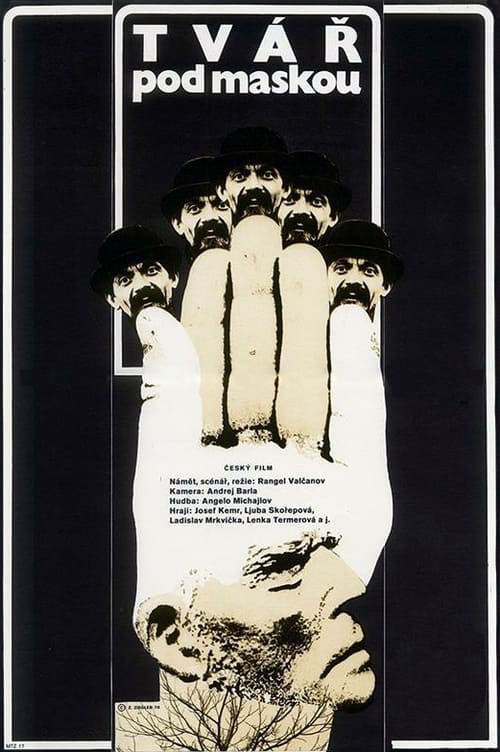
The photographer and his wife, a former beauty queen, make a living casting death masks. But their obsession goes so far that they decide to cast the face of a living person.
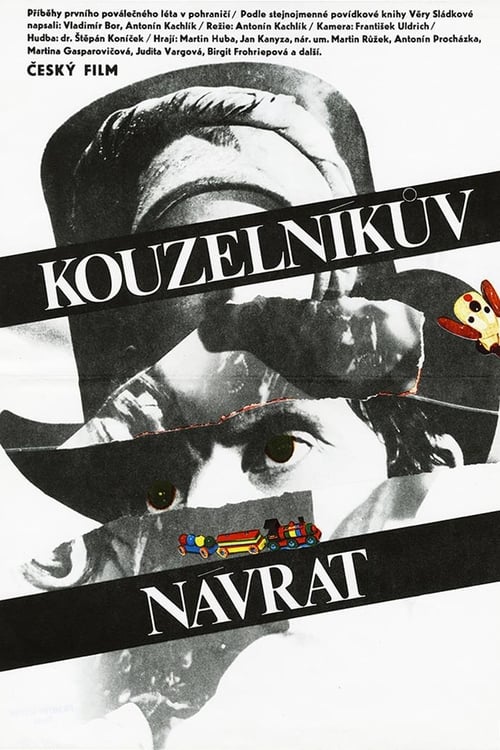
Although the title would suggest it, this film has nothing to do with fairy tales at all: it takes place in the North Moravian border region just after the end of the Second War. It presents a fragmented mosaic of the fates of many people, returnees and immigrants, who tried to start a new life and believed in a happier tomorrow. Although the director Antonín Kachlík tried to give the story a certain credibility, he submits to the ideological demands of the 1980s. North Moravian borderlands in the first post-war year: a disparate and fragmented sequence of episodes depicts the individual fates of returnees and new immigrants. Another title that perhaps did not even need to be created.
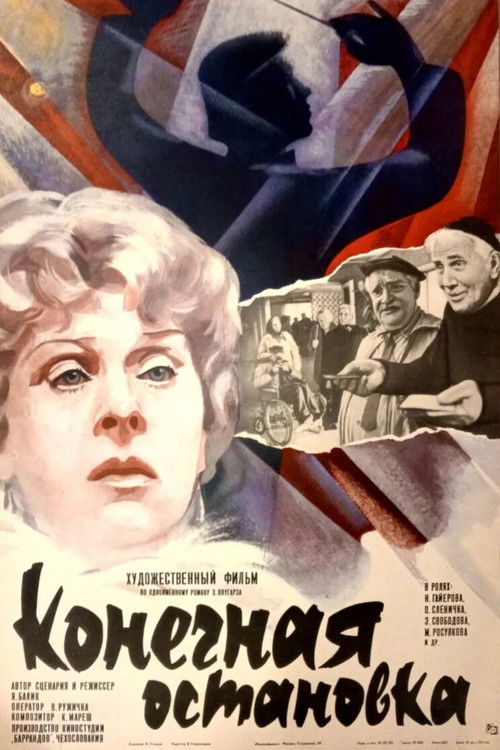
The story takes place in a retirement home and creates a mosaic of the lives of old people who are trying to find a relationship with themselves and with life in these specific conditions. Each of its residents has a distinctive approach to life and its basic values. The most interesting features of the title, which is marked by a visibly cold production approach, are the worthy performances of the actors of the older generation. Some of them appeared in front of the camera after many years and unfortunately for the last time.
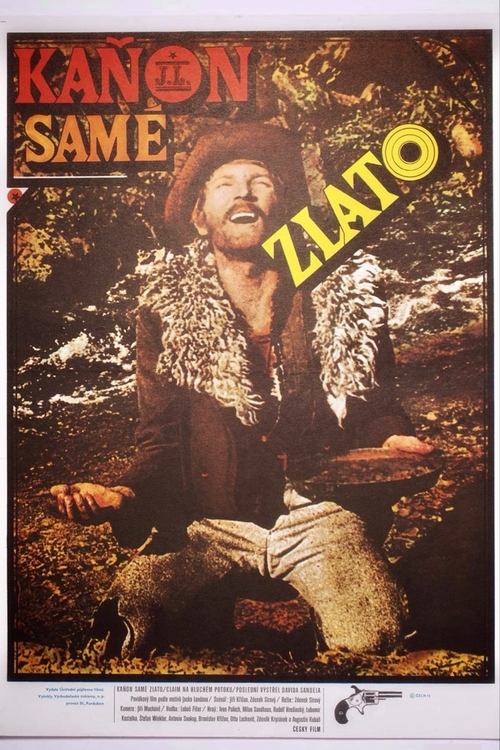
Based on a Jack London story, this is another attempt at a Western spectacle - after the short story triptych The Canyon of Gold - about a teenage boy who, after his father's death, lives in a gold-mining town. He even witnesses a cruel fight between two cowboys over a supposed treasure.
A story inspired by true events, the fate of a multiple juvenile murderer, takes place in an apprentice boarding school. "A series of sexual murders! A real case that could happen again at any time."