Leopold Horešovský
Acting
Known For
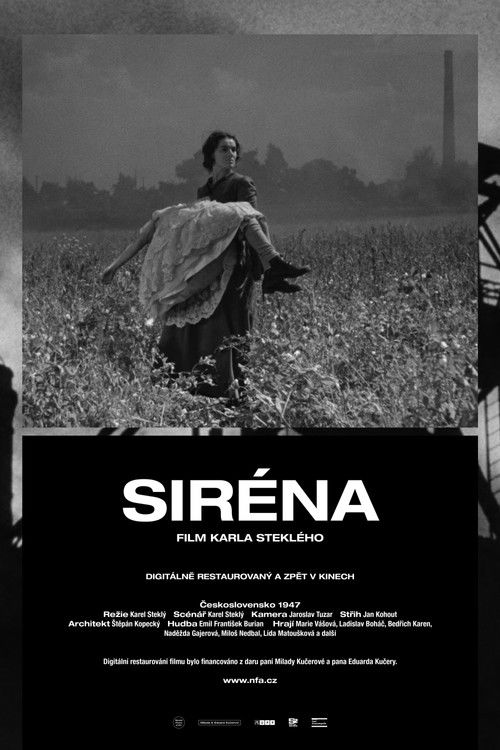
In late 19th century Czech-speaking Bohemia, oppressed workers at German-owned mines and foundries revolt against their harsh working conditions. Made shortly after World War II as Czechoslovakia was falling to communism, the film resonates in Czech resentment of the German occupation.
The Strike
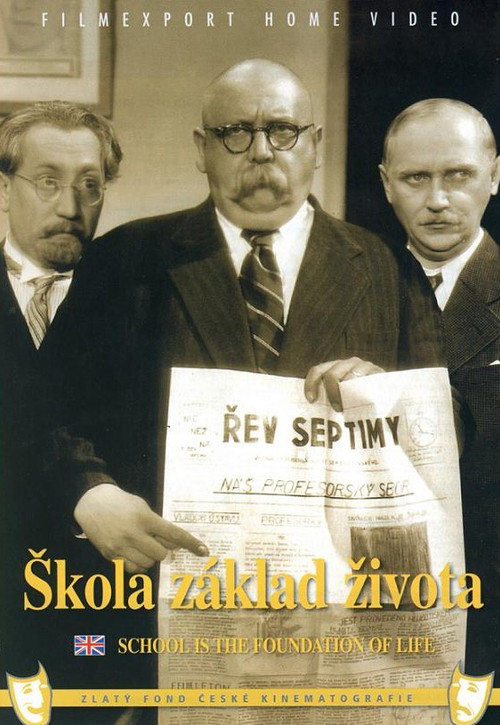
Seventh form pupils at a grammar school in Přívlaky are preparing for a secondary school sports competition. Class creep Krhounek gives the class teacher Lejsal a copy of the seventh form’s magazine Roar. Most of the teachers insist on severe punishing the culprit. The author does not own up and consequently the whole class is punished by being banned from taking part in the schools competition. The most gifted pupil, Benetka, rather sharply criticises the school in a homework essay on a subject of his choice. The strict Czech language teacher is convinced Benetka is the author of the school magazine. Benetka denies the charge but his expulsion from school is proposed anyway on account the views he expounded in his essay. Eventually, Boukal, the author of the school magazine comes forward and admits to writing it. The pupils are allowed to take part in the contest and thanks to Benetka they win. In the meantime however the teachers vote to expell him.
School Is the Foundation of Life
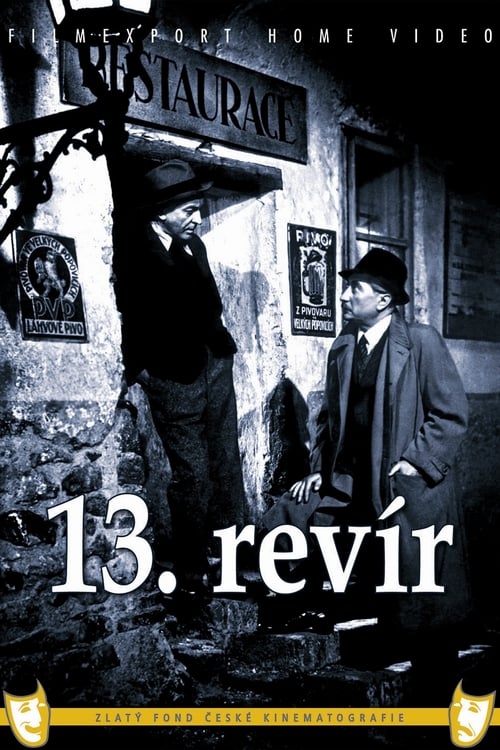
Inspector Cadek from the 13th police station should keep an eye on the released safe-cracker nicknamed The Cat. He rightly suspects that Cat will go and pick up his last loot which the police didn't manage to find and that he will want revenge on Karta who helped get him behind bars. At the hospital, Cat's ex-lover Fróny hopelessly falls for doctor Chrudimský and decides to start a new life. She still refuses to help the inspector in his search for The Cat and Karta.
13th district
When the handsome parish priest takes on a single mother with a child, he has no idea what kind of malicious gossip he will be exposed to. But he is determined to take care of his brother's girlfriend, who left for America for a long time, not knowing that he had become a father, despite all the difficulties...
In Temptation

You will meet the family of the miller Kaliba, who is proud not only of his mill, but also of the family tradition, according to which the milling profession has been passed down at the inn's mill for almost three hundred years. And since Mr. Kaliba has no son, it is certain that his only daughter Liduška must marry a miller. Perhaps this would have happened if the Kalibas had not gone to the anniversary exhibition. Here, Liduška meets the handsome engineer Karel Loukota, who is an overly zealous member of the cycling club "Don't Get Married!", but is not immune to love at all. Of course, he will face many hardships and obstacles, the biggest of which is, of course, the miller Kaliba with his fierce efforts to uphold the family tradition...
From the Bohemian Mills
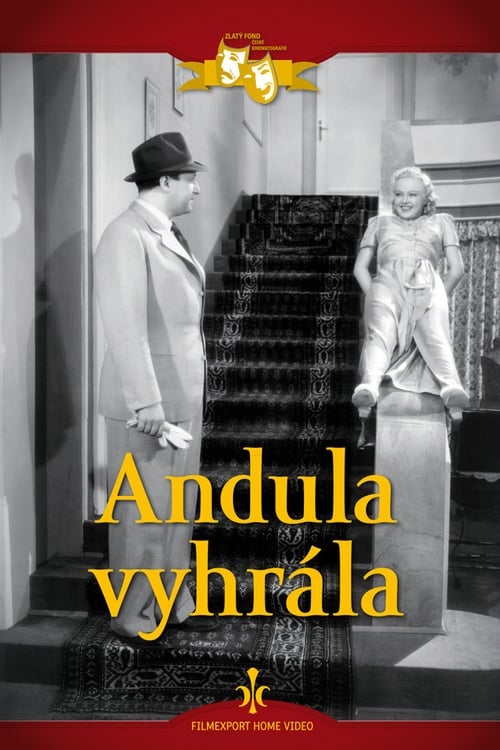
A rich bachelor, Pavel Haken, tries - with the help of his faithful servant - to escape the courtship of marriageable young ladies. They meet at a ladies' social club. In the cafeteria there, he is helped by the talkative Andula, the daughter of a poor taxi driver. Haken longs for peace and has a secluded weekend villa built for him. The brief silence that followed his mother's departure is interrupted by the inhabitants of a tent camp. The girls from the club have taken advantage of Mrs. Haken's offer and camped on their property, and Andula helps out in the camp kitchen...
Andula vyhrála
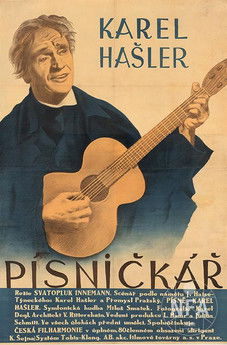
No description available.
Ballad-Singer
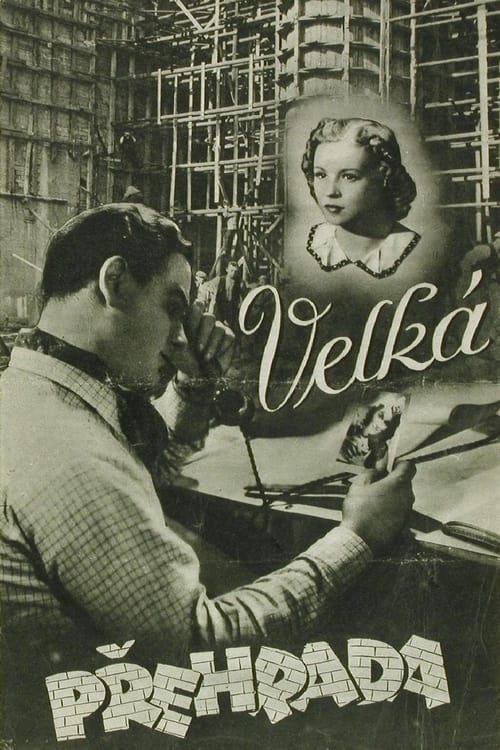
Young engineer Petr Pavelec works on a dam plan on the Loučnica River. He meets Irena, the daughter of an unscrupulous construction entrepreneur Berka, and falls in love with her. When Petr's project wins the tender, Berka and Irena take him on as a partner, and the company is awarded the contract to build the dam. Petr, in love, does not see how sloppy the construction is being carried out. He only sees it when a worker is killed on the construction site...
Velká přehrada
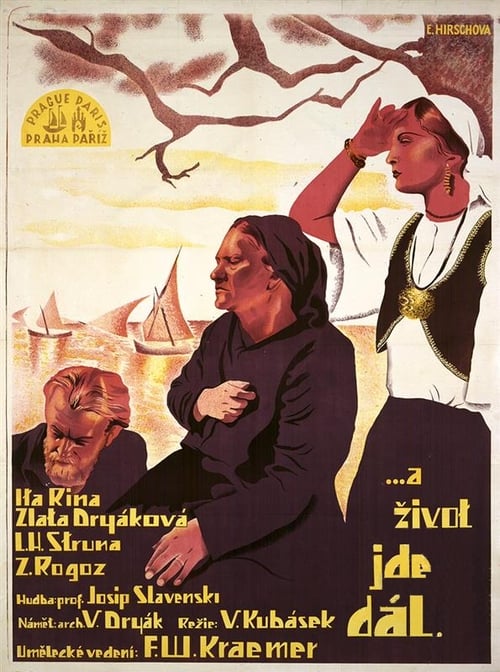
On the coast of Yugoslavia lives fisherman Ivo Kralj, his wife Marie, son Vuk, and Ivo's mother in one happy home. Marie, who loves her husband and always looks forward to his return from sea, attracts Nikola, with whom Ivo, out of jealousy, has a scuffle at a dance. After the outbreak of World War I Ivo is mobilized. He ends up in a P.O.W. camp where he is subjected to hard labour. His family then receives news of his death. The years pass and the lonely widow Marie is occasionally visited by her friend Nikola. Ivo's mother would like her to remarry. Soon after the wedding Marie becomes pregnant. Ivo, who has been thought dead, succeeds in escaping the P.O.W. camp where he has spent several years. Upon his arrival home he finds his name on a memorial erected to the victims of the war...
...and Life Goes On
No description available.
Klub tří
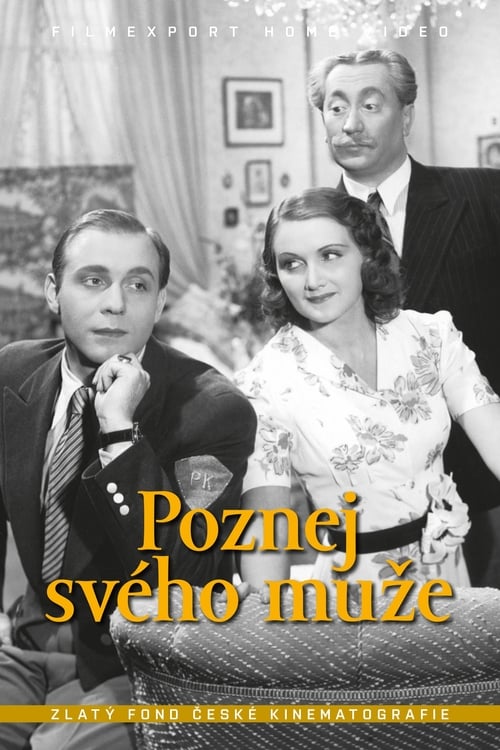
You can see for yourself that finding the right one is not easy in this Czech comedy film. The gullible daughter of a bankrupt landowner would never have imagined that she had married not the rich man who was supposed to save her family, but a marriage fraudster who was impersonating him. The cheerful story full of mistakes and misunderstandings still captivates with its plot and quick dialogues.
Poznej svého muže
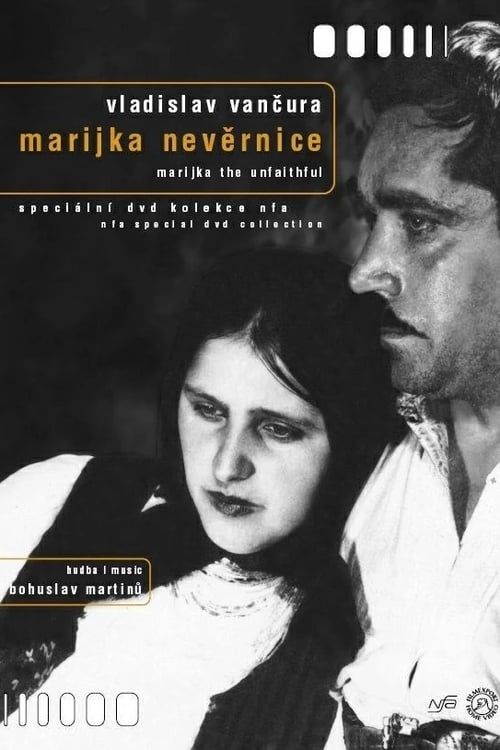
“The Carpathians are medieval!” one character bellows, and this tale of the tree-chopper Petro, his faithless wife Marijka, and various scheming businessmen and foremen does little to disprove the assertion. Interestingly filmed with a nonprofessional cast recruited from the region, Faithless Marijka may have a neorealist conceit, but its direction is utterly futuristic, filled with the lightning-fast montage techniques and low-angle camera of the Soviet avant-garde (along with its invigorating agitprop).