Acting
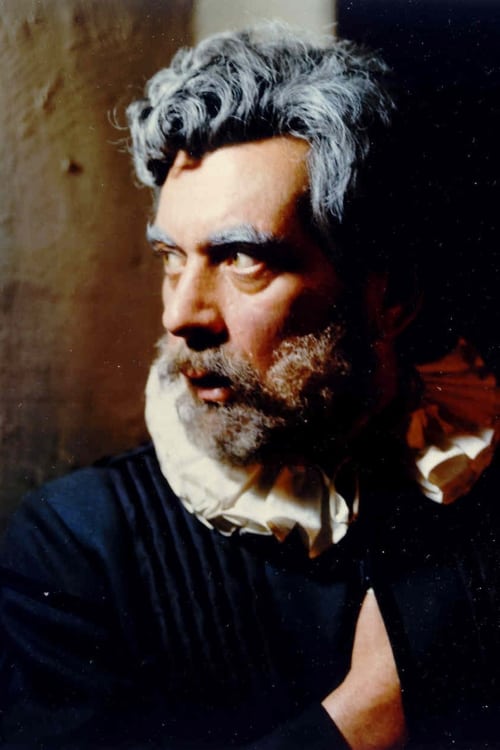
Series about the life of Renaissance anatomist, scholar and politic Johannes Jessenius. Already legendary series today, was produced by Czechoslovak Television Bratislava, directed by Slovak director Miroslav Luther in the first half of 80's in Barrandov Studios in Prague. The story and screenplay of the series wrote Czech writer Vladimír Körner. Five-episodes epic historical narration is a biographical story of distinguished Renaissance scholar, anatomist and politic of Slovak origin, Johannes Jessenius (Ján Jesenský, 1566–1621). It displays his life from the first studies and successes. In 1594 he became professor of surgery and anatomy on Wittenberg University, which he had attended years before. From that moment, his life went through social and personal wins and losses, to the sad end on the Prague Old Town Square gallows, among 27 noblemen, knights and burgenses, after lose Bohemian Revolt in 1621. His destiny was coupled with key events of Czech history in the break of 16th and 17th century, when Renaissance and European humanism slowly fade out.
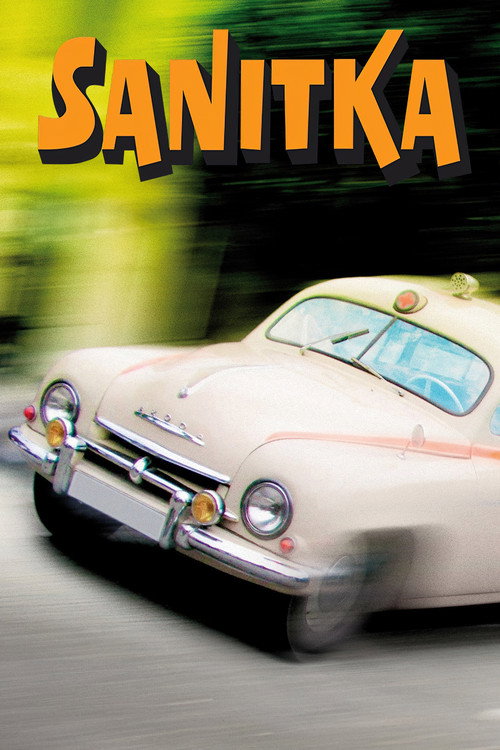
Sanitka was a Czech television, drama series, first broadcast in 1984 and eleven episodes were made. It starred Jaromír Hanzlík, Tomáš Juricka and Zlata Adamovská among others.
No description available.
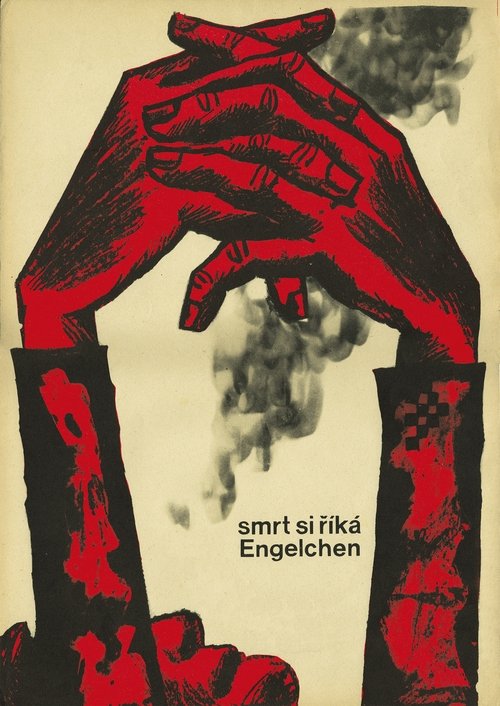
Pavel is a Czech partisan fighter in the waning days of the war. Just as peace is declared, Pavel is shot in the spine and sent to the hospital emergency ward. As he fades in and out of consciousness, he recalls the events that led to his participation in the underground. Holding German occupation commander Engelchen responsible for all the horrors and deprivations heaped upon his comrades, Pavel is kept alive by the possibility of recovering and exacting vengeance upon the Nazi officer - no matter how long it takes.
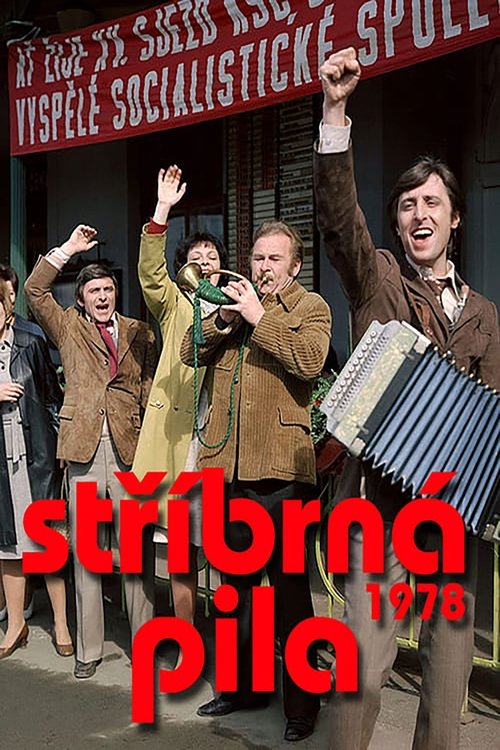
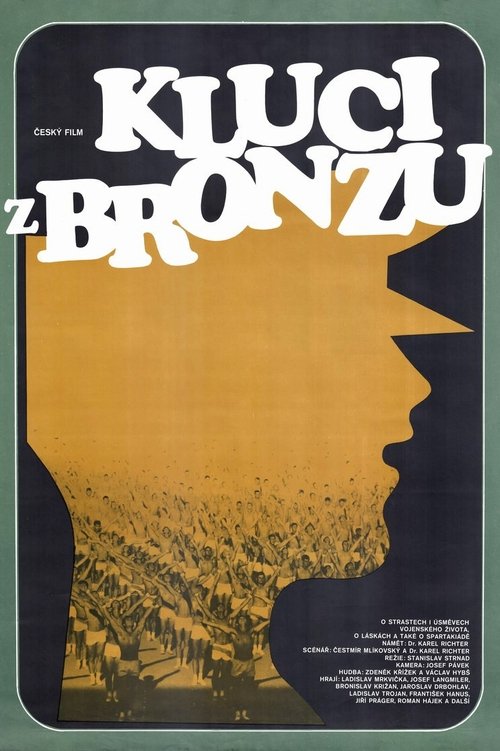
From time to time, we have produced an admirable film about the virtues of the domestic army, which raised the right men in ideal conditions - in this case, we meet the enthusiastic drill sergeants in green, who selflessly rehearse a demanding Spartakiad composition... So, two aspects important to the regime have merged into one. But even this did not change the incredulous, spasmodically optimistic yawn that perhaps even those who had set all this up could not believe. The film uses documentary footage of the soldiers' Spartakiada performance in 1980.
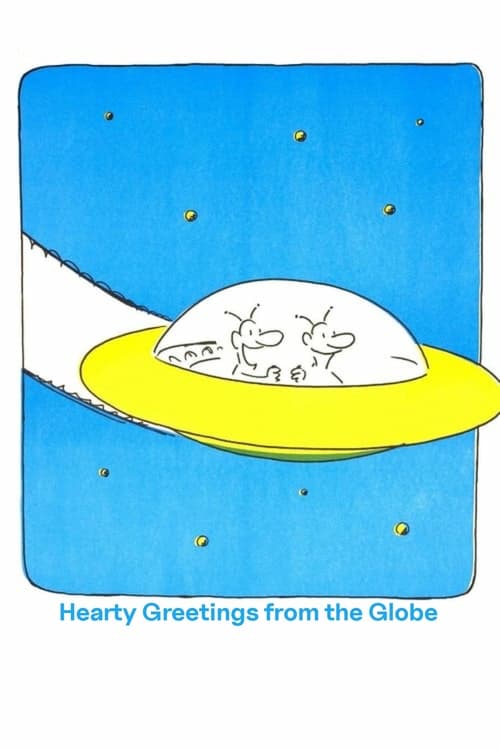
Two aliens stir up trouble on Earth in order to study humans. Misunderstandings ensue.
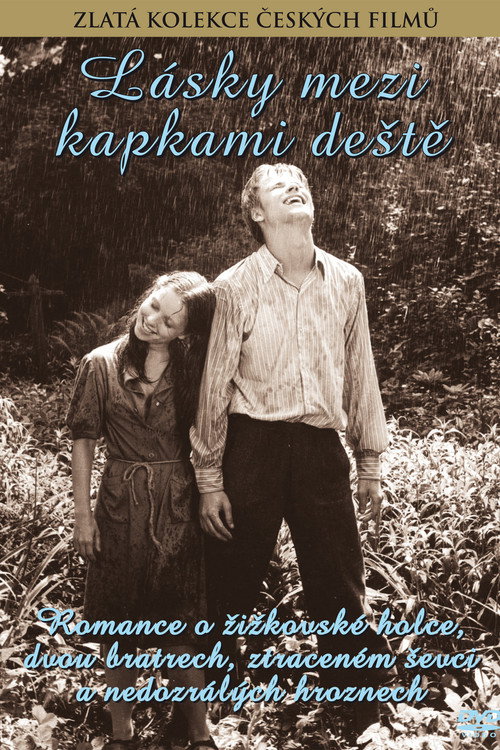
Set in Prague during the years leading up to World War II, this family saga tells the story of a cobbler named Vincenc Bursik (Vladimir Mensik), who uproots his clan from the country to the city, only to suffer the loss of his wife and the failure of his shoe business within months. When his daughter moves away to go live with a wealthy businessman as his mistress, Vincenc is left to take care of his two sons, who spend their days in a secret garden vying for the affections of a teenage girl.
In this fairy-tale comedy, a clumsy second-rate wizard, Rumburak, gets stuck in the world of humans. He has forgotten the spell that allows him to return to his home fairyland. His only joy is watching the figure skater Helen, whom he would like to woo. His hopes of returning to fairyland dawn when he discovers a computer in a research institute that could generate the lost spell.
At the beginning was the Slovak television series Lekár umierajúceho czasu (Doctor of Dying Time), dedicated to the Rudolphine-era scientist Jan Jesenius. He ended up on the scaffold along with other gentlemen after losing the anti-Habsburg uprising. When director Miloslav Luther conceived the idea of making an abridged version of the footage for cinema, he had to not only rebuild the storyline but also dub it into Czech. However, the result was only an illustrative puzzle, describing the various stages of the hero's turbulent life.
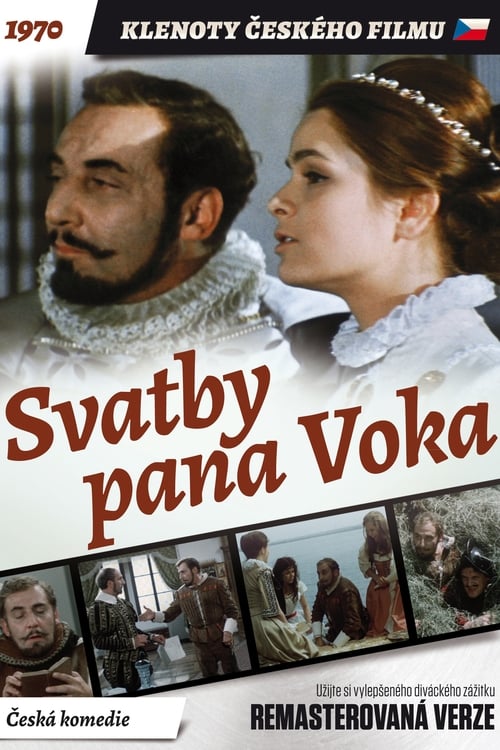
Czech nobleman Petr Vok of Rozmberk (Milos Kopecký) is no longer so young, but his amatory adventures continue to arouse the envy of men and the indignation of respectable ladies. In his "female retinue" at the chateau in Bechyne he has twelve comely girls, but he still manages to seduce the miller's wife and the maid. Lord Vok is in great financial difficulties. His elder brother Vilém advises him to marry a rich woman. Petr surprises him by announcing his intention to marry the very young Katerina of Ludanice.
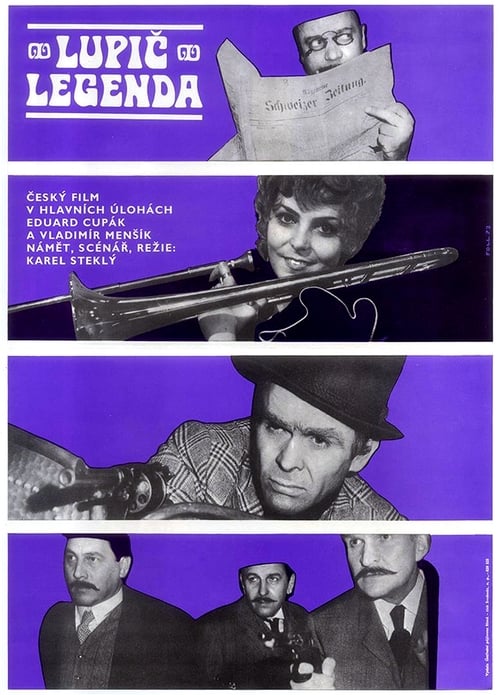
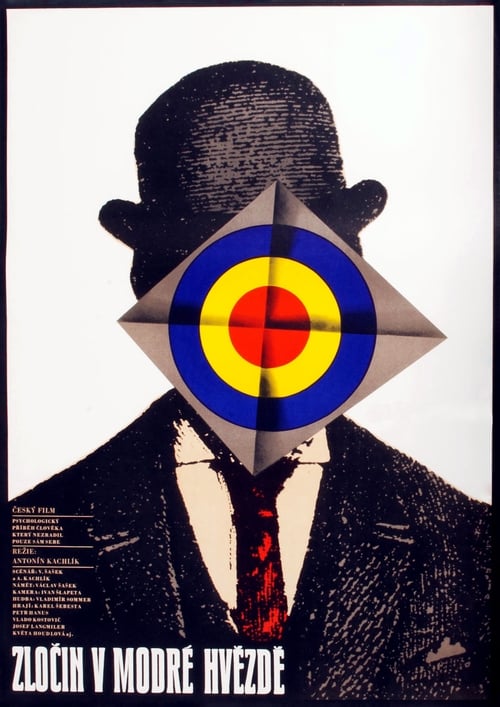
It is 1905. The police director gets Jindrich Legenda (Eduard Cupák) shadowed as, yet Legenda had served his sentence for a burglary, the jewels have not been found. Russian revolution encouraged also Czech workers to fight for their rights. Radical anarchists are followed by Legenda's friend Karel Wohryzek (Vladimír Mensík) who was forced to collaborate with the police as he was convicted of pornography distribution.
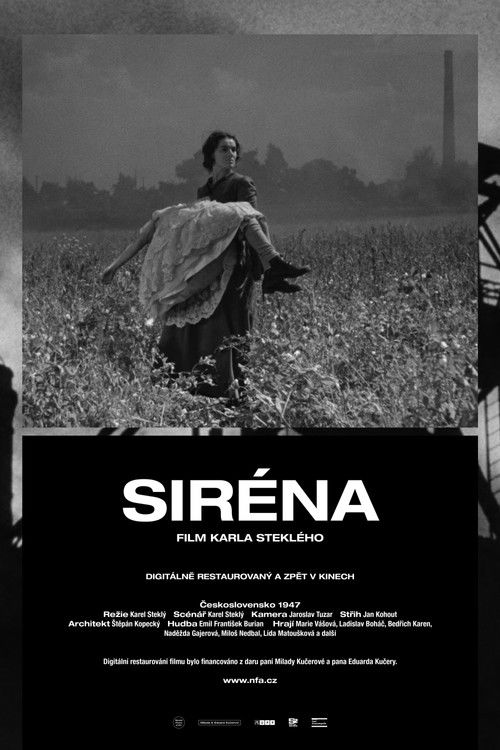
In late 19th century Czech-speaking Bohemia, oppressed workers at German-owned mines and foundries revolt against their harsh working conditions. Made shortly after World War II as Czechoslovakia was falling to communism, the film resonates in Czech resentment of the German occupation.
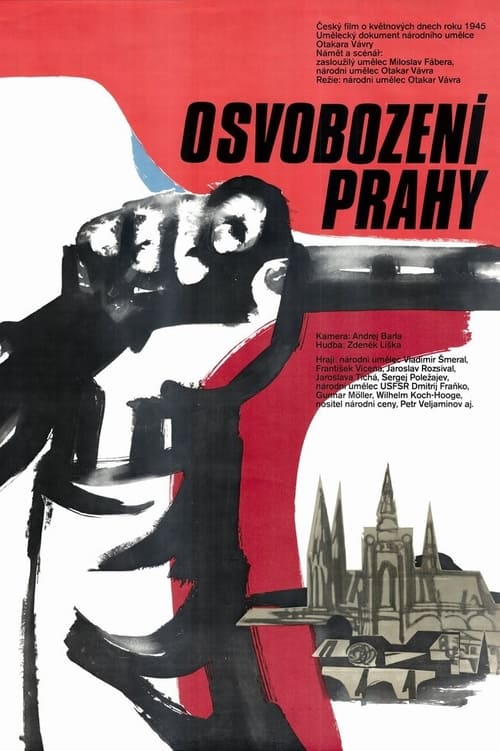
On 20th of April 1945 the Soviet army launches its attack on Berlin. The end has come for Nazi Germany and Hitler decides to commit suicide. In Prague K.H. Frank (Nazi Secretary of State and Chief of police in the Protectorate of Bohemia a Moravia) discusses with his commanders how to transform the city into an impregnable fortress, but the Praguers do not intend to wait any longer. From the early hours of 4th of May people start assembling in the streets and tearing down German signs. On the next day, the 5th of May, the uprising begins.
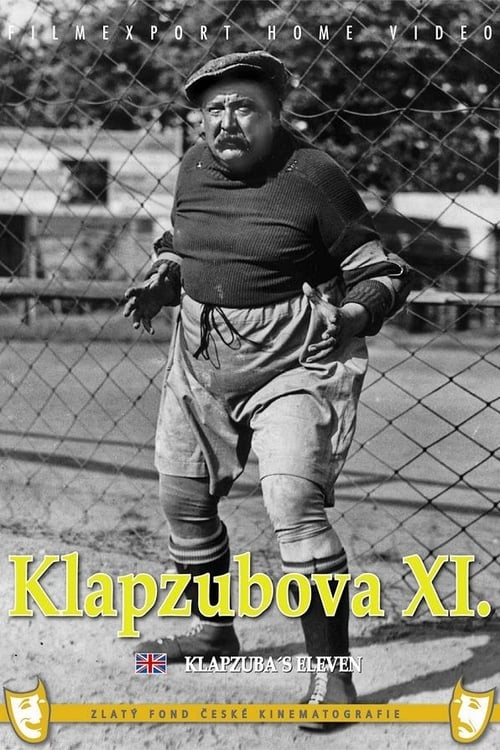
The football team consists of eleven players. And the owner of the car repair shop, Kryštof Klapzuba, has exactly that many athletically gifted sons. It is no wonder that one day the former international Hájek persuades him to form a football team out of his sons. The enthusiastic sons train diligently and after a few minor hiccups, the first results in the form of won matches begin to appear. In addition to the sporting results, however, love also appears...
A young man steals a doctor’s car and has to pretend to be a doctor himself.
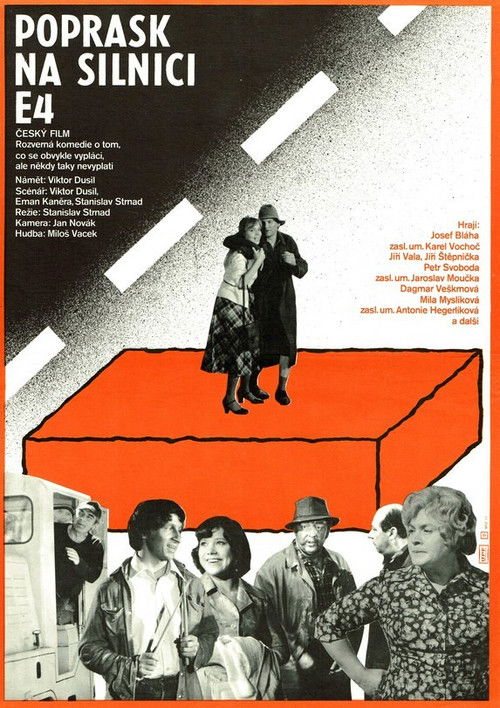
Car transport of the locomotive is difficult, as the cargo is bulky. The three-man crew of the tractor therefore experiences many difficulties on the long journey across Bohemia...
It is 1920, political unrest is growing in Prague and the Social Democrats are about to betray their historic mission by prioritising their own selfish interests instead of those of the working class. An extortionist scandal falls on the Social Democratic deputy Jandák, forcing him to renounce his convictions. Under these circumstances, the seriously ill Hungarian revolutionary Kerekes, who had to flee his homeland, is hiding in Prague...
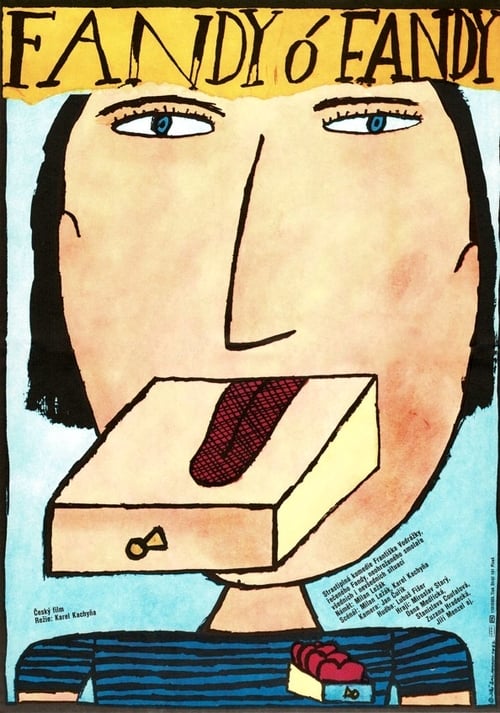
Little kids, little worries, big kids, big worries, sighs many a parent often. This is no different for the mother of eighteen-year-old Frantisek, who has just graduated from high school without much glory and is about to start his first job. Fandy is still full of boyish dreams, yearns for a career as a rowing representative, competes with a friend for the favor of an admiring girl and is generally stubbornly opposed to taking life seriously.