Sound
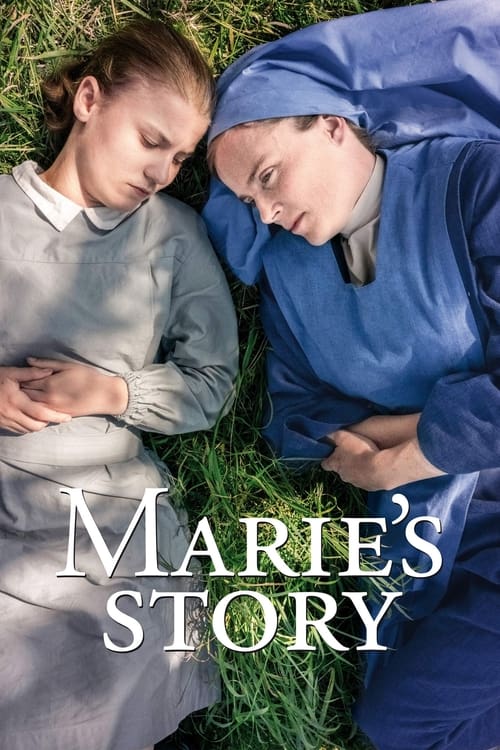
Marie Heurtin is born both blind and deaf. Sister Marguerette wins her trust and teaches her how to express herself.
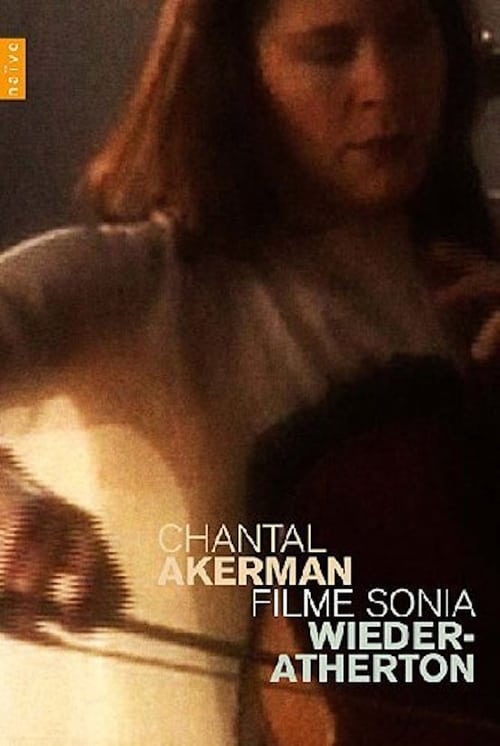
"Going through my mini DVs shot over the past decade, I rediscovered a forgotten night sequence of Chantal Akerman and Sonia Wieder-Atherton leaving a brasserie where we had dined together in Montparnasse. The excerpt stayed with me for a while. This prompted me to focus on Chantal’s sound work in her films and her very close collaboration with cellist, Sonia Wieder-Atherton with whom she made more than 20 films. And, since New York, Paris and Moscow were places the three of us had in common, I intertwined some of my images with hers."
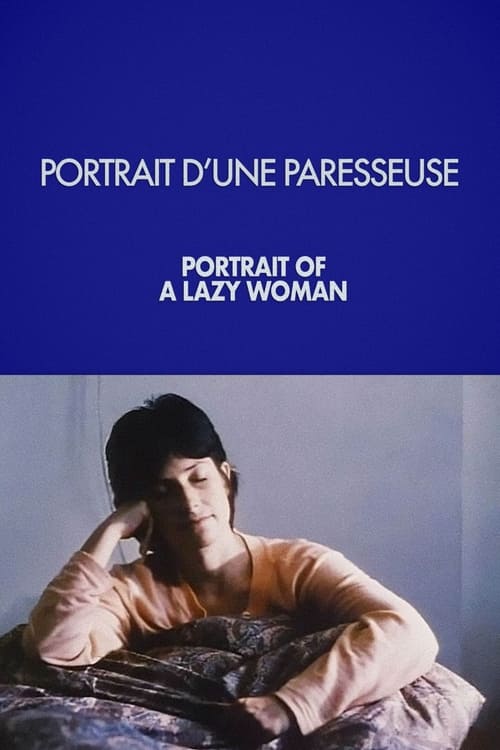
Belgian director Chantal Akerman struggles to overcome her laziness in the name of making a film about the subject.
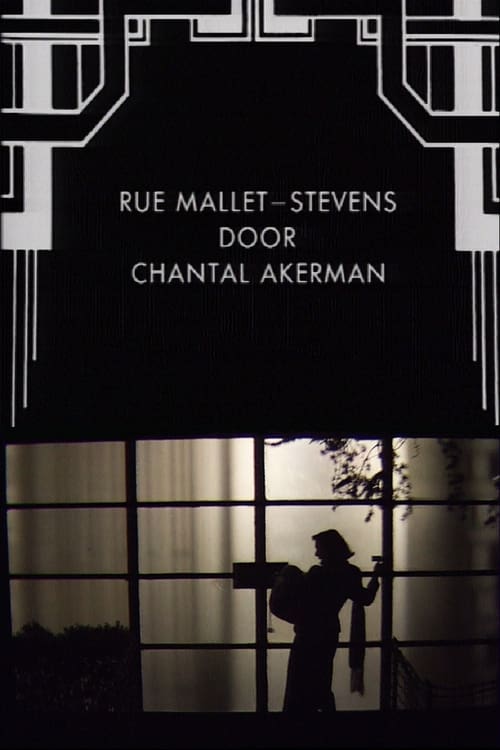
Commissioned for the centenary of the famous French architect and designer Robert Mallet-Stevens and shot on the street that bears his name in Paris' 16th arrondissement, Rue Mallet-Stevens depicts a mysterious, nocturnal scene of romance (featuring Akerman and her partner, the cellist Sonia Wieder-Atherton) unfolding before and inside one of the street's modernist constructions.
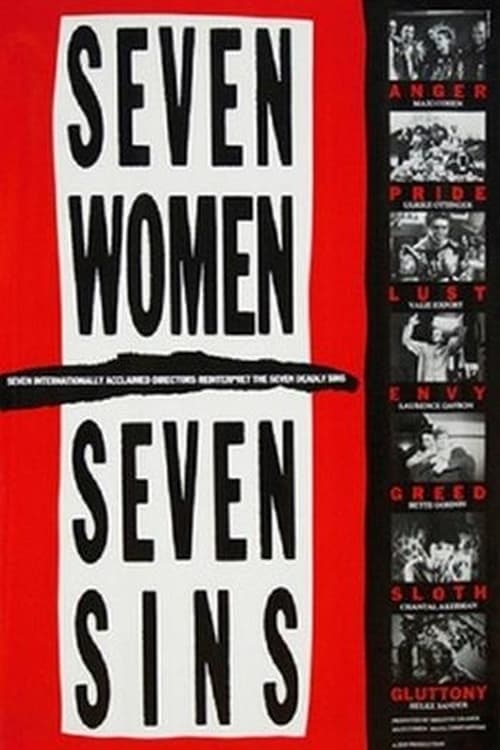
Seven Women, Seven Sins (1986) represents a quintessential moment in film history. The women filmmakers invited to direct for the seven sins were amongst the world's most renown: Helke Sander (Gluttony), Bette Gordon (Greed), Maxi Cohen (Anger), Chantal Akerman (Sloth), Valie Export (Lust), Laurence Gavron (Envy), and Ulrike Ottinger (Pride). Each filmmaker had the liberty of choosing a sin to interpret as they wished. The final film reflected this diversity, including traditional narrative fiction, experimental video, a musical, a radical documentary, and was delivered in multiple formats from 16, super 16, video and 35mm.
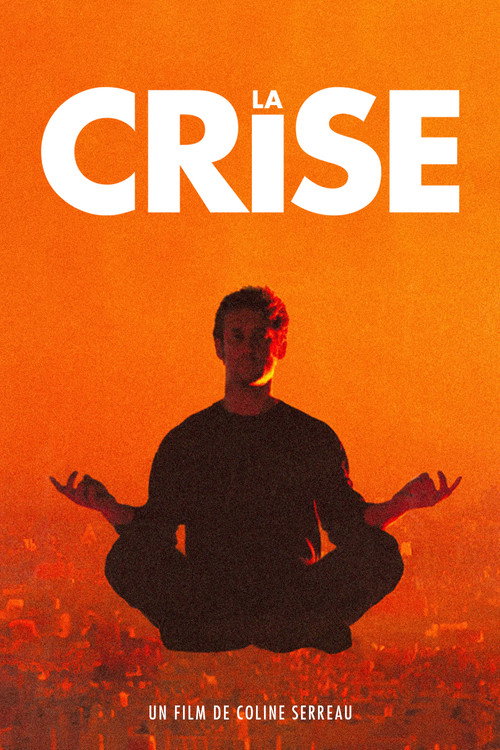
Victor is a legal advisor who finds himself abandoned by his wife and fired the same day. He tries to seek comfort from different friends and family members, but everyone he meets is concerned with their own problems. His morale begins to falter when he realizes that no one cares about him.
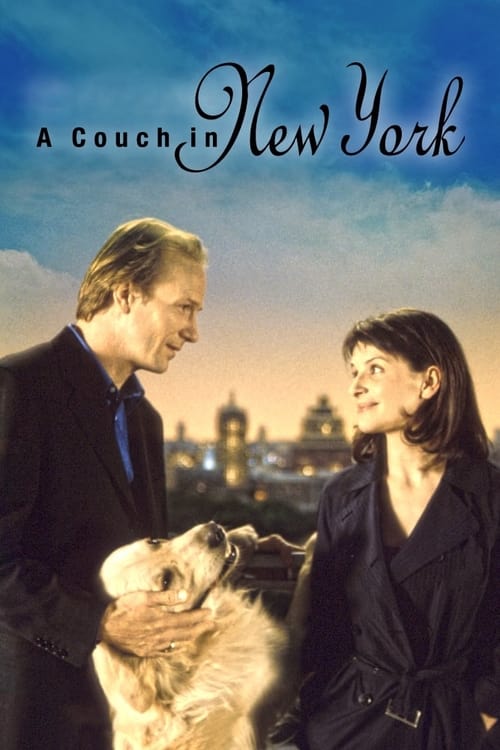
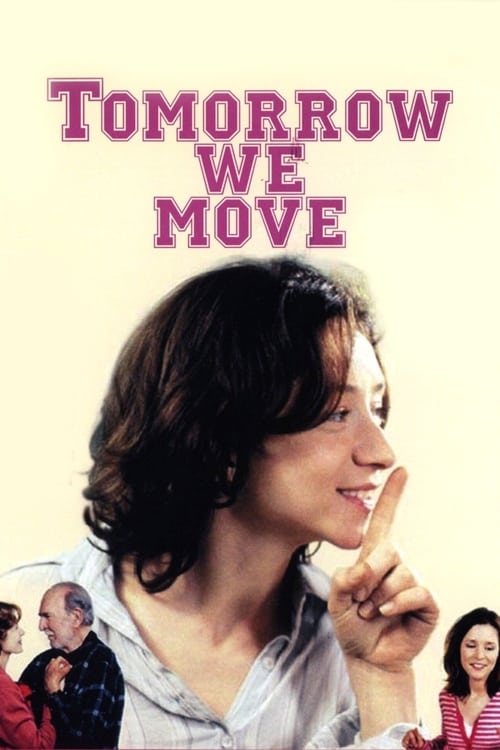
A burnt-out New York psychoanalyst exchanges apartments with a Parisian woman. When his patients arrive, they talk to her and then pay. He returns early and becomes a patient as well.
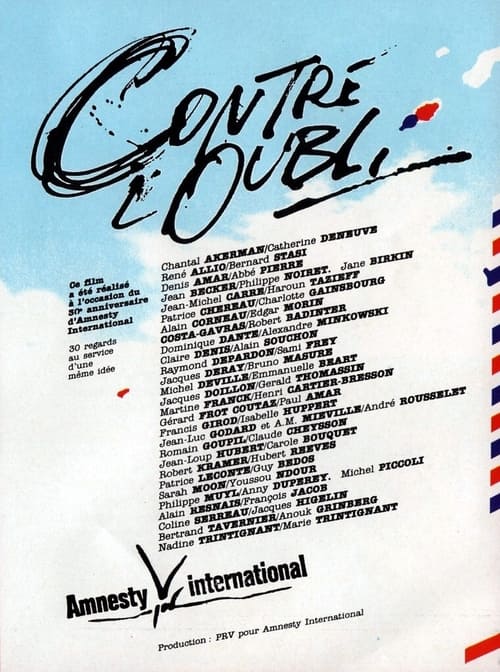
A compilation of 30 French filmmakers, Alain Resnais and Jean Luc Godard among them, who use film to make a plea on behalf of a political prisoner. Jean Luc Godard and Anne Marie Mieville's film concerns the plight of Thomas Wanggai, West Papuan activist who has since died in prison. The short films were commissioned by Amnesty International.
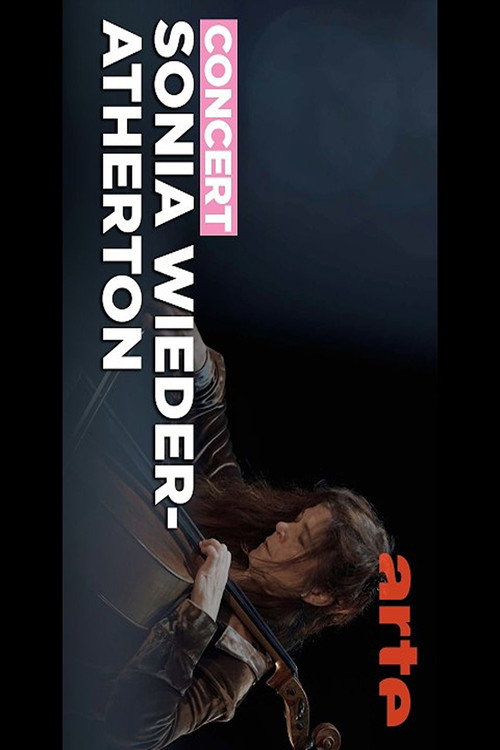
Juggling light and shadow, the Franco-American cellist Sonia Wieder-Atherton alternately reinterprets François Couperin’s *Leçons de Ténèbres* and Vivaldi’s sun-drenched compositions in a performance of rare elegance.
Presented in 2 parts, this 83 minute piece documents Wieder-Atherton's idea to do a set of pieces from across central and eastern Europe, including Russia. Some weren't originally written for cello, but she had them transcribed. Some were songs for voices, which goes with Wieder-Atherton saying in an earlier film she made with Chantal Akerman that she aspires to play the cello in a way that it carries the specificity of emotion of the human voice. She explains at the beginning of both parts how she feels each country in the region has it's own personality expressed in its music, coming from its individual history and culture, but that each land in the area is also 'impregnated' as she puts it, by the others, so there are certain elements that run throughout.
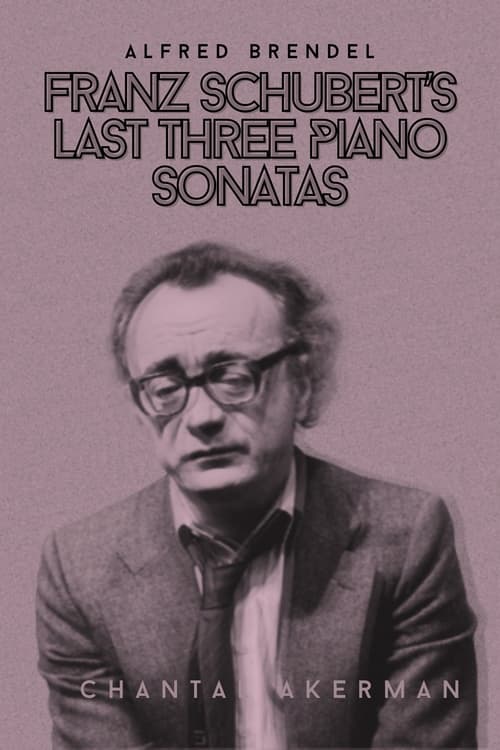
A portrait of pianist Alfred Brendel performing and analysing Franz Schubert's final three sonatas.
The short documentary starts with Wieder-Atherton telling the story of how she came to fall in love; first with music in general, and then with the cello, and goes on tell how she found her specific style, using the music to try and almost form words of communication. It's a delightful and enlightening interview. This is followed by Wieder-Atherton playing 6 short pieces of quite different styles, from the heartbreaking melodies of Schubert and Brahms to Berio's more edgy modern sounds.
Single woman Charlotte tries to write erotic fiction despite not having any sensual experience.
No description available.
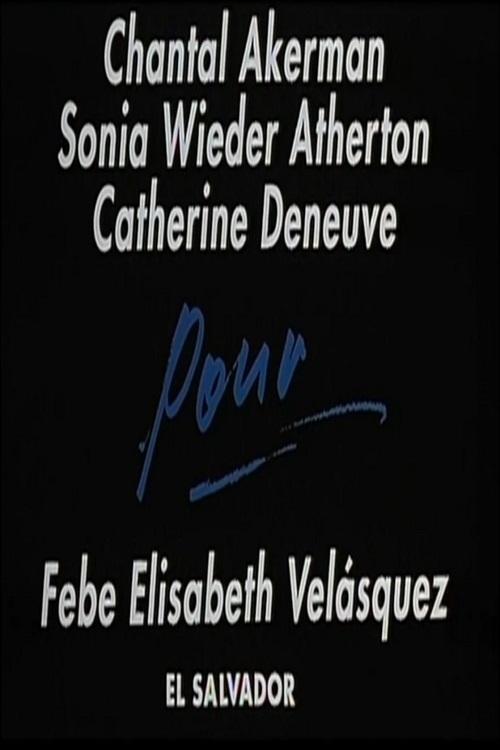
Commissioned by Amnesty International for its TV program Ecrire contre l’oubli (Write Against Oblivion), Akerman’s contribution in the form of a poem is dedicated to Febe Elisabeth Velasquez, an El Salvadorian trade unionist and mother of three, murdered by the US-backed junta. Deneuve emerges from the calm of a Parisian night to deliver a heartfelt plea for remembrance of Febe Elisabeth’s too short life. Sonia Wieder-Atherton’s cello weeps appropriately.
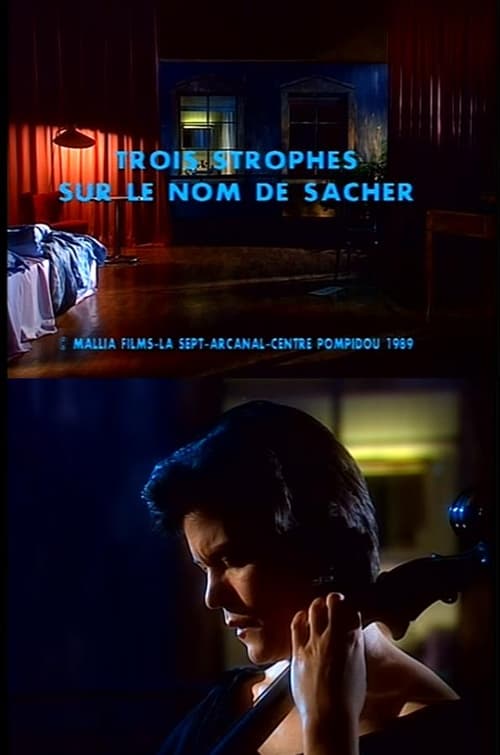
Far from Standardised visual recording, Akerman and her accomplice, the cellist Sonia Wieder-Atherton allows us to discover a fine moment of contemporary music.
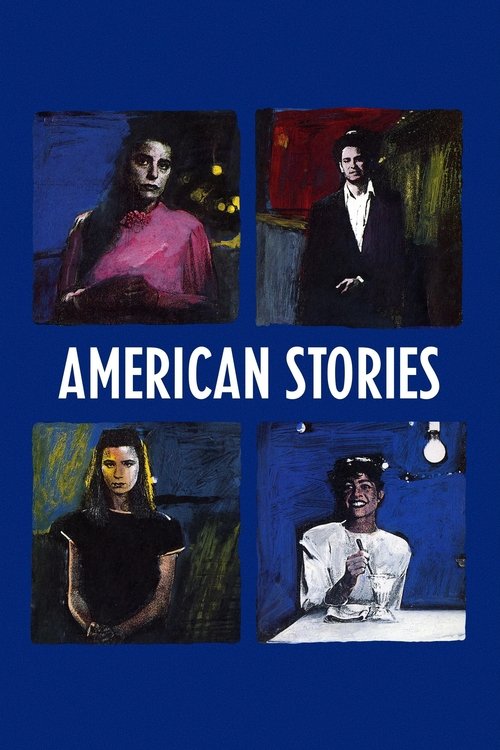
An exploration of Jewish American identity in a multilayered portrait of the immigrant experience. A series of first-person addresses delivered by a cross-section of Jewish New Yorkers, whose by turns tragic and humourous tales speak to a collective history of trauma, displacement, and resilience.