Sound
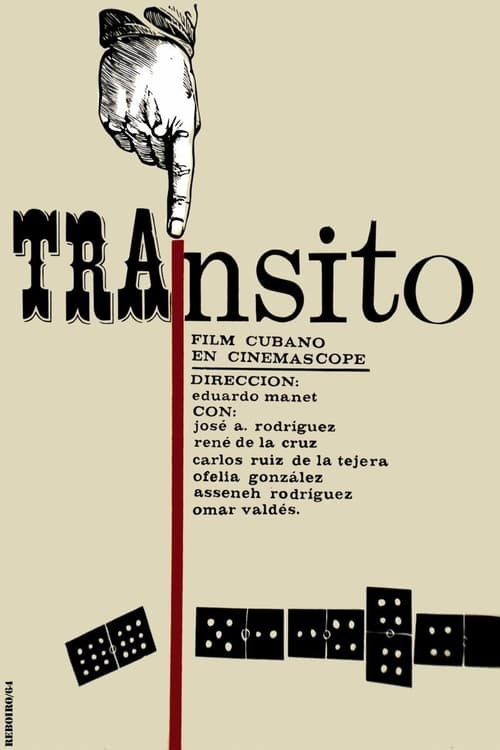
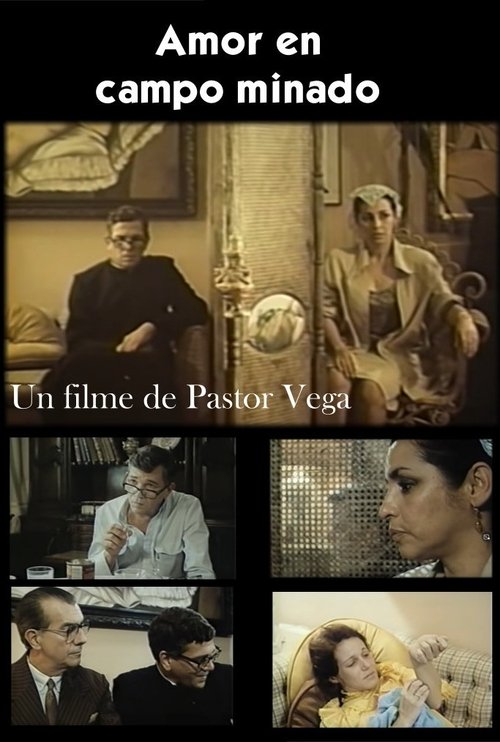
A doctor committed against the revolution decides to escape in a boat. A criminal friend introduced him to a modest revolutionary family to cover it up. During the events aspects of a society in transition are reflected.
Documentary about the history of the bateyes, informal settlements surrounding the mills to house workers. Throughout the film, Sara Gómez recovers the political and cultural relevance of black migrants.
The film is based on the historical event known as the Protest of Baraguá.
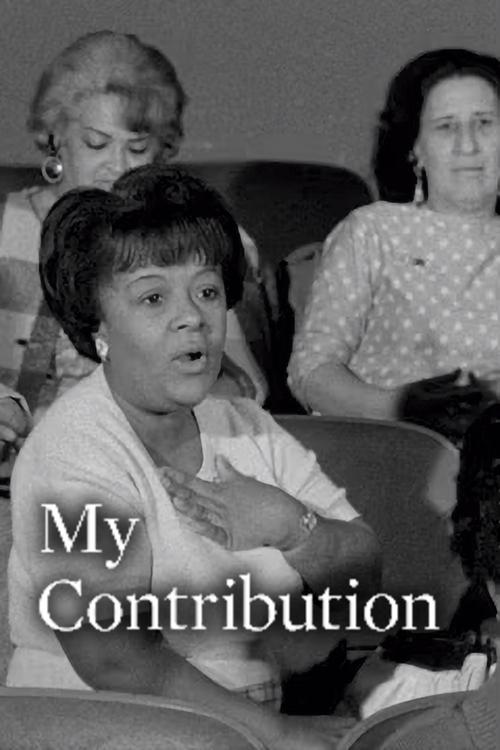
An illustration of the difficulties women encounter when they seek to achieve economic integration and equality with men in a country at the height of revolution.
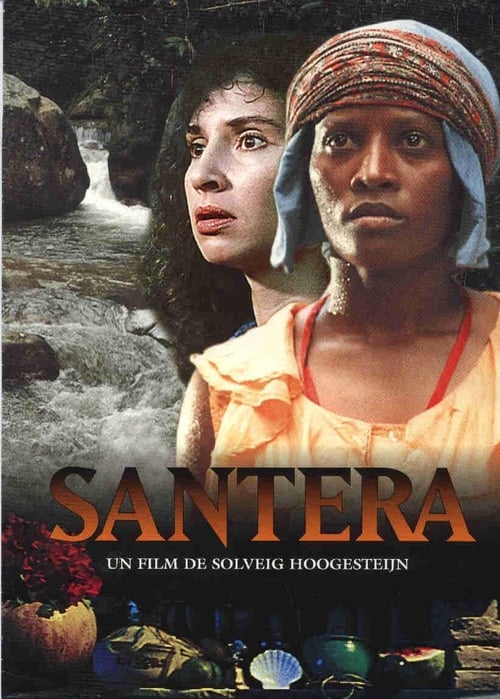
About a mysterious and troubled black woman, a former practitioner of the Santería religion, who must comes to terms with her background whilst in a Caracas jail.
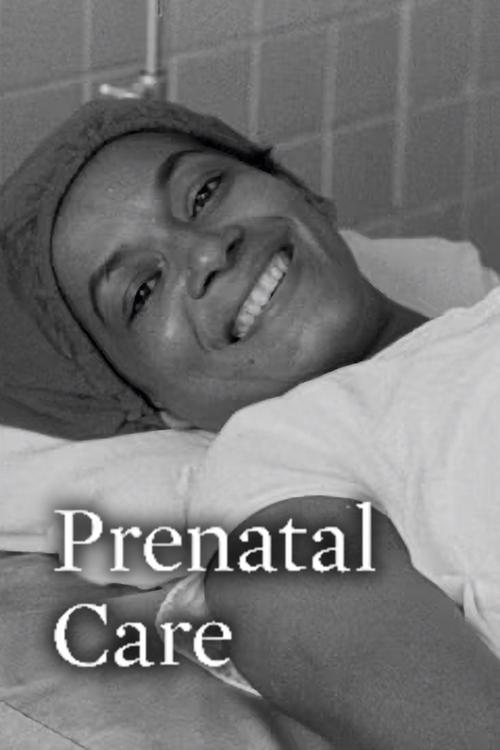
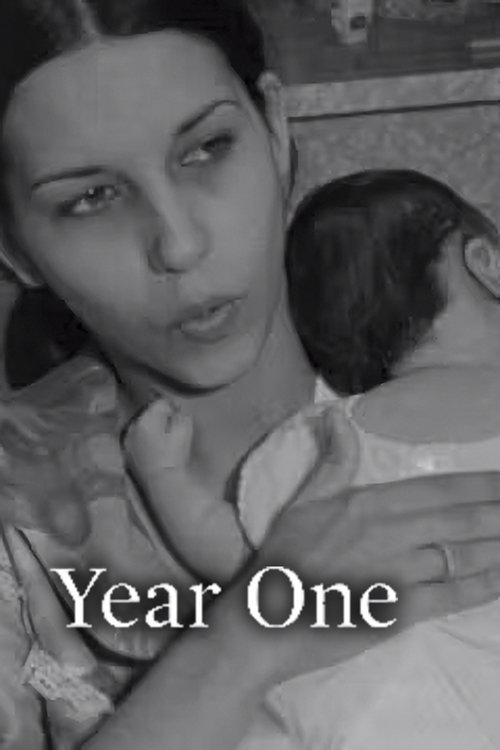
Prenatal care and the advice for pregnant woman to enable a safe and healthy birth.
An approach to a living myth of dance, Alicia Alonso, from the viewpoint of her passion, tenacity and devotion to art. It includes fragments of the ballet Giselle, choreographed by her, based on the original by Jean Coralli and Jules Perrot, and of La Diva, choreographed by Alberto Méndez.
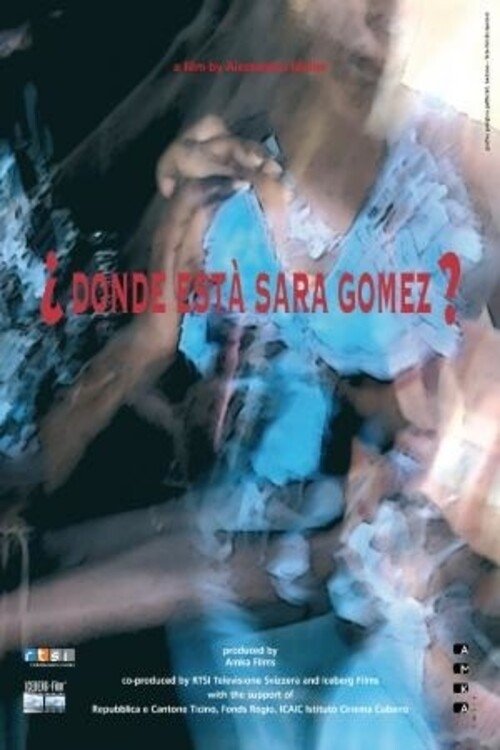
Born in 1943, Sara Gómez studied literature, piano, and Afro-Cuban ethnography before becoming the first female Cuban filmmaker. A woman of great intelligence, independence and generosity, she was a revolutionary filmmaker with intersecting concerns about the Afro-Cuban community and the value of its cultural traditions, women's issues, and the treatment of the marginalized sectors of society.
Childcare centers and their importance in child development.
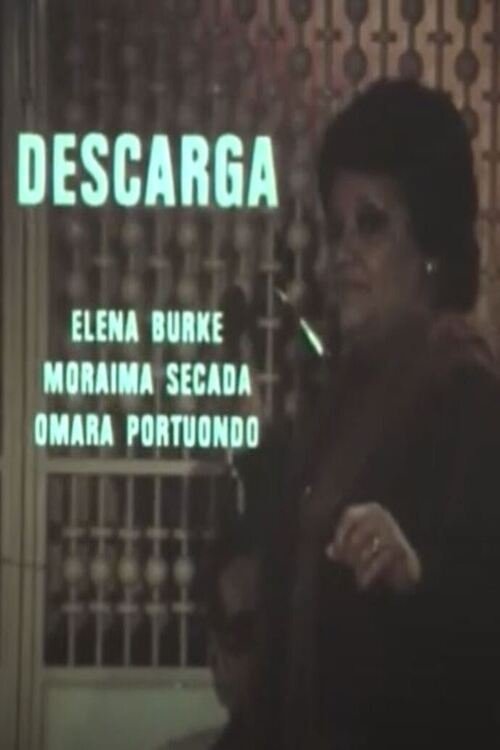
Performance by Cuban singers Elena Burke, Moraima Secada, and Omara Portuondo performing popular songs from the 1960s.
In this film, Sara Gómez documents the everyday life of the Isla de Pinos, the discussions about the problems of construction, the school and the leisure activities of the youth in 1968 and contextualizes these images with Frantz Fanon's thoughts about the construction of a nation through decolonization.
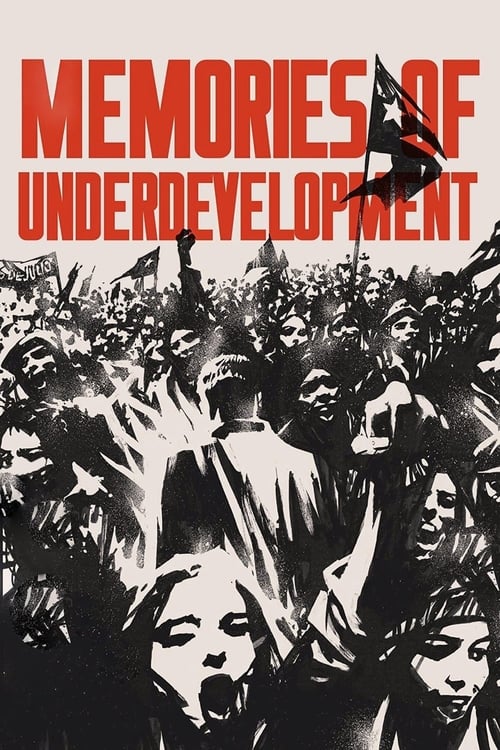
In the aftermath of the Bay of Pigs incident, Sergio chooses to stay behind in Cuba while his wife and family escape to neighboring Miami. Alone in a brave new world, Sergio observes the constant threat of foreign invasion while chasing young women all over Havana. He finally meets Elena, a young girl he seeks to mould into the image of his ex-wife, but at what cost to himself?
Loose collection of individual portraits of the inhabitants of the Isle of Pinos (now Isla de la Juventud), who tell their stories, share ideas and discuss topics such as racism and crime.
Legendary rumba musician Alberto Zayas serves as a guide for this vibrant journey through Cuban musical history and culture. The short features interviews, footage of impromptu street performances, and studio recordings.
A short poetic evocation by Sara Gómez of Isla de Pinos, the island where Fidel Castro was imprisoned by Batista, where the revolution builds a new society. A juxtaposition of the Presidio Modelo prison with citrus production.
A pious plantation owner attempts to teach Christianity to 12 of his slaves by inviting them to participate in a reenactment of the Last Supper.
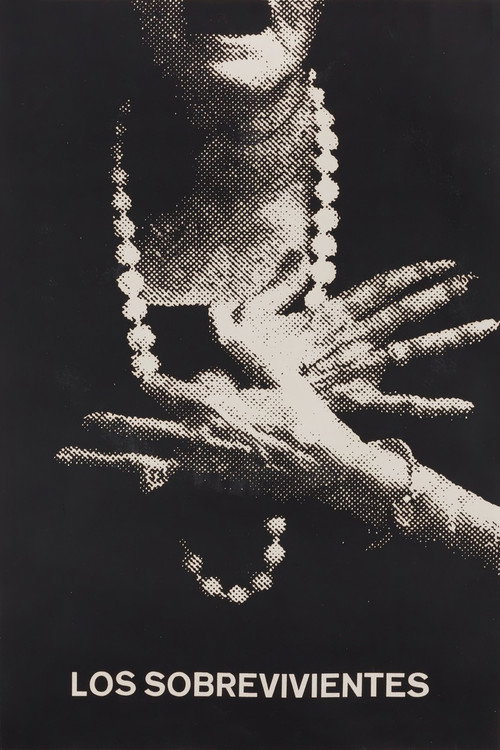
A bourgeois Cuban family of aristocratic origin locks itself into its mansion when the Cuban Revolution comes to power, waiting for the new regime to be overthrown. As time passes, they regress to older and older systems of political order, from capitalism to feudalism to "primitive savagery."
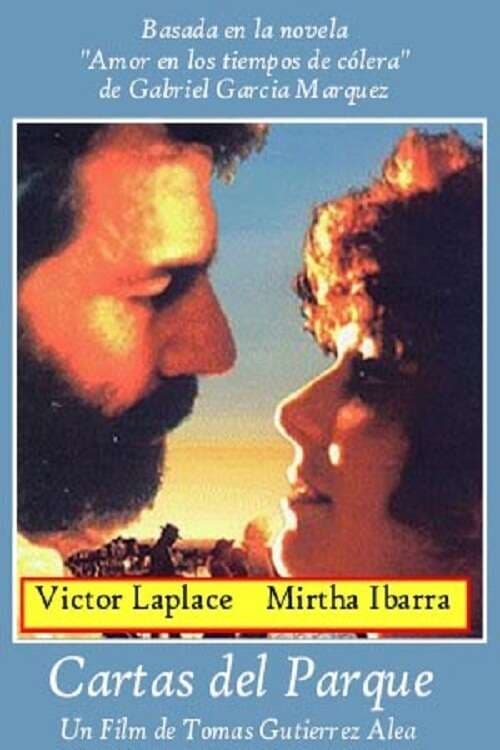
Matanzas, Cuba, 1913. Two young people who are in love communicate through letters written by penman. When the young man leaves town, to become a pilot, the girl discovers she is really in love with the one who wrote the letters.
A left-wing intellectual, faced with the imminence of his arrest during the coup d'état against President Joao Goulart, lives anguished moments of definition. To the collapse of his small universe is added a conjugal confrontation that unmasks him mercilessly.
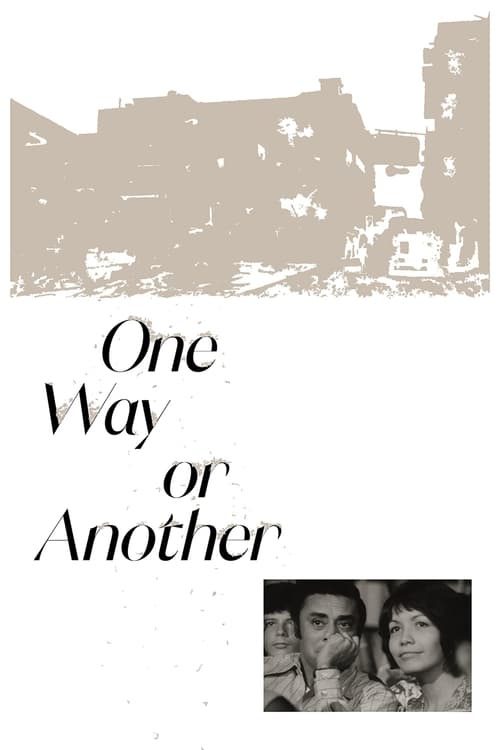
In Miraflores, Cuba, the growing romance between Mario, a factory worker, and Yolanda, a schoolteacher, throws into relief the differences in their perspectives and values in Revolutionary Cuba.