FEEL IT.STREAM
Mario Jacob

Mario Jacob

Production

Biography

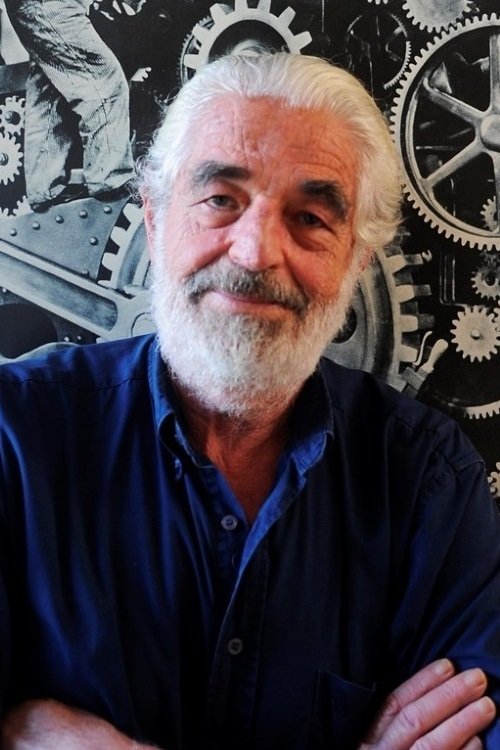
Mario Jacob was born in Paysandú, Uruguay, in 1943. He is a director, producer, editor and sound engineer. Together with Walter Tournier, he created the production company Imágenes. He did journalism and was the founder of the Cinemateca del Tercer Mundo (Montevideo, 1969-1974).
Known For

The Uprising
6.0

In Nicaragua, 1977, corruption and abuse of power are everyday occurrences under the Somoza family’s dictatorship. Eruptions of violence lead to a civil war, which the Sandinista revolutionaries win – at least for the time being. Against this backdrop, the conflict between a young soldier of the Somoza regime and his family, who sympathize with the insurgents, is illustrated.

The Uprising

1980
Seven Seas Pirates
6.3

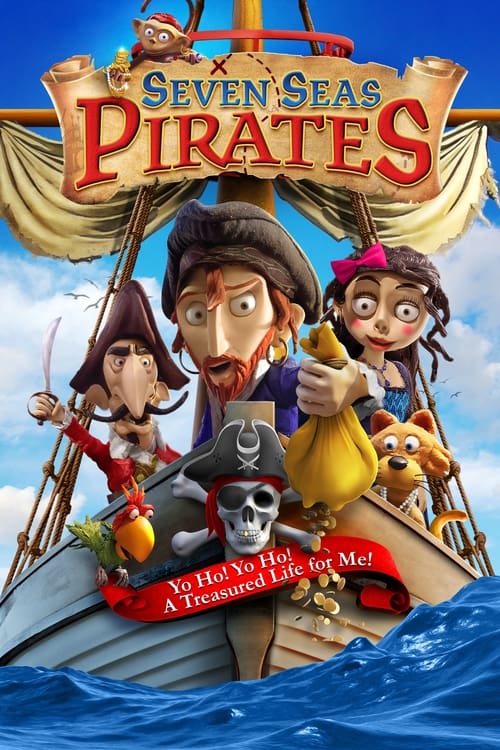
Selkirk, an unruly, selfish pirate, is the sailing master of the Esperanza, an English galley sailing the South Seas in search of treasures. When Captain Bullock decides to abandon him on an uninhabited island, he discovers a new outlook on the world and learns to survive alone, becoming the real Robinson Crusoe.

Seven Seas Pirates

2012
Abortion: Stories from North and South
7.0

Women have always sought ways to terminate unwanted pregnancies, despite powerful patriarchal structures and systems working against them. This film provides a historical overview of how church, state and the medical establishment have determined policies concerning abortion. From this cross-cultural survey--filmed in Ireland, Japan, Thailand, Peru, Colombia, and Canada--emerges one reality: only a small percentage of the world's women has access to safe, legal operations.

Abortion: Stories from North and South

1984
Tell Mario not to Come Back
6.0

After a long exile in Venezuela, filmmaker Mario Handler returns to his country, Uruguay. There, the dictatorship is still present in the media, public opinion, and in the memory of people. The director feels he owes something to the comrades, those who could not leave the country. This debt translates into poetry, black humor and conscience, in a sharp and accurate atmosphere of this dark time of Uruguay.

Tell Mario not to Come Back

2007
Chico Ferry
N/A

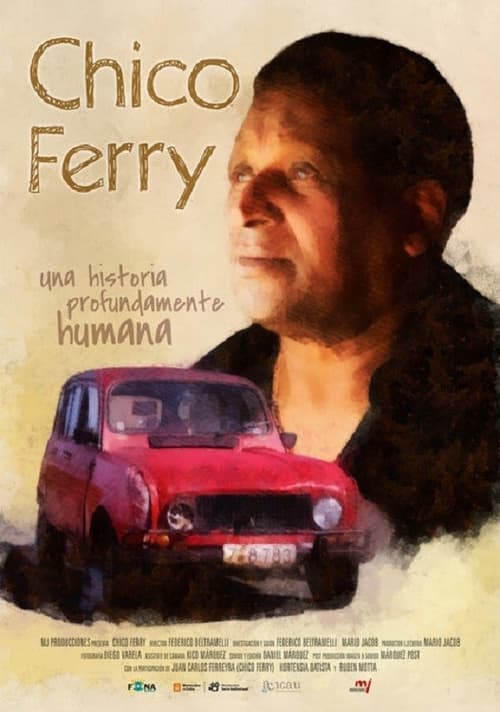
No description available.

Chico Ferry

2011
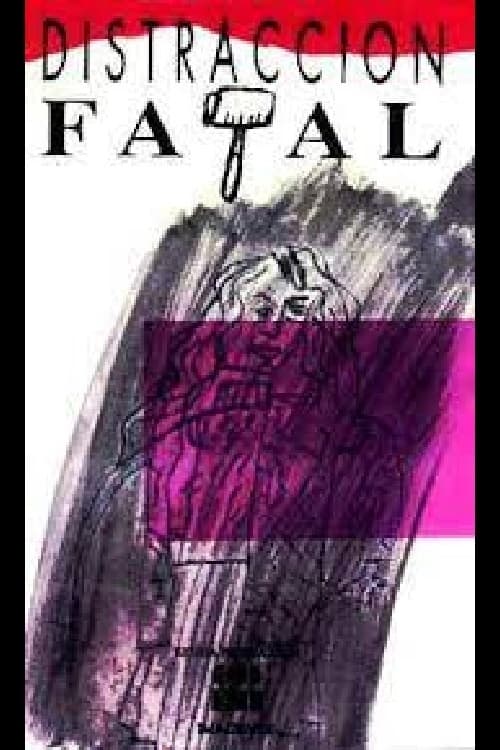
Distracción fatal
8.0

A woman that is an excellent wife and mother, and responsible and efficient in her work, commits a shameful act pushed by fate.

Distracción fatal

1993
The Rocha Wetlands: The Secret of the Waters
8.0

In the east of Uruguay there is a little-known region of vast wetlands in a beautiful natural setting which is a sanctuary for thousands of species of flora and fauna. Although it is officially protected, it is under threat from rice producers who are draining parts of the area.

The Rocha Wetlands: The Secret of the Waters

1991
The Tears of Eros
N/A

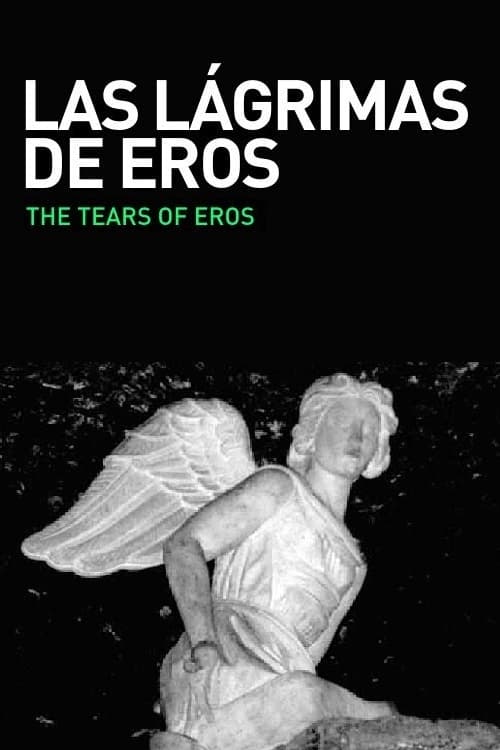
This documentary examines sexuality as seen by women and men born into Catholic families and educated at Catholic schools. These people talk about the Church's refusal to face reality and how this short-sightedness leads to lies, feelings of guilt, a block on eroticism, unwanted pregnancies, deaths resulting from illegal abortions, and ignorance about AIDS that in fact helps the disease to spread.

The Tears of Eros

1998
On the Edge
N/A

After the end of the dictatorship, Uruguay was faced with the unresolved problem of what to do with the past. In this documentary the CEMA camera team roam the city streets and find out what Montevideans think about bringing armed forces personnel to justice. This tour reveals a climate of scepticism, a climate of fear and suspicion, but also a will and a desire that justice must be done.

On the Edge

1987
The Bella Vista
N/A

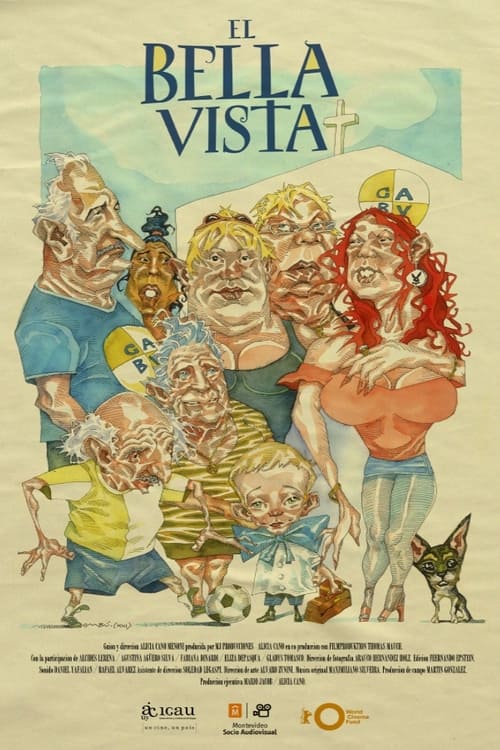
“The Bella Vista” is the story of a house started as a football club, becoming a successful transvestite brothel and changes at last to a Catholic Chapel, all in a small conservative village in Uruguay. In this playful documentary, two transvestites, one brothel’s Madam and a gaucho football player, will bring to life this battle for control of a single physical space, driven by the same motivation: passion.

The Bella Vista

2012
Al Final del Partido
5.0

A story of five voices passionate about the legendary national sport, characters who know a reality that the vast majority of fans are unaware of. Those who live the joys and sorrows in their football clubs on a daily basis. There is something that unifies all of them: the passion for their work and their team.

Al Final del Partido

2022
La jeringa
N/A

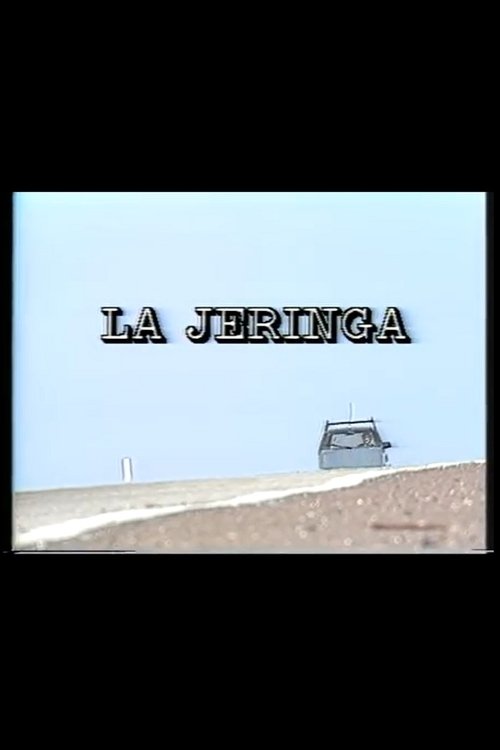
Free adaptation of the story “Muebles El Canario” by Felisberto Hernández, with Leo Maslíah in the leading role.

La jeringa

1987
The Recourse of Memory
7.0

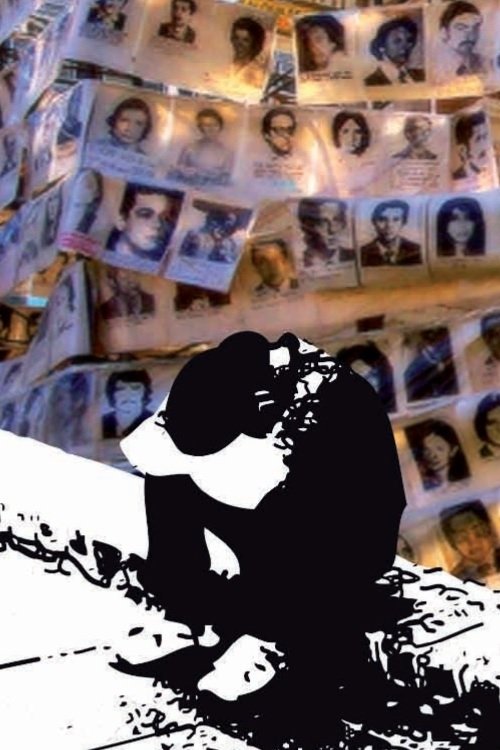
Ten years after the Law of Expiration, this documentary analyses the historical background of Uruguay's recent past. It is a survey of the controversy stirred up in society by the fact that, thanks to this law, the armed forces personnel and police who committed crimes under the dictatorship (1973-1985) have gone unpunished, and it examines the scars the authoritarian regime left on a section of the population.

The Recourse of Memory

2000
La gesta de una conciencia
N/A

Audiovisual on three screens that commemorates a triple anniversary: 70 years of the Association of Medical Students, 65 of the Uruguayan Medical Union and 50 of its Assistance Center.

La gesta de una conciencia

1985
Idea
8.0

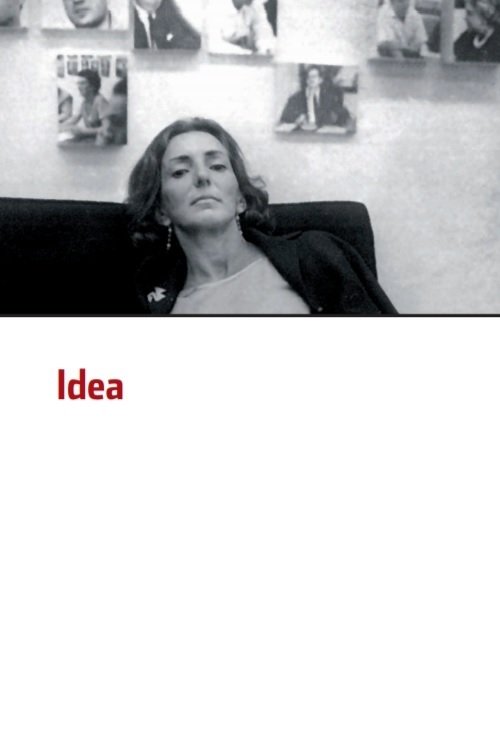
Idea approaches the figure of Idea Vilariño, considered as one of the greatest Spanish-language female poets. Her literary work, especially her poetry, is acclaimed by critics and public alike, a rare case in the Uruguayan culture scene. With her own testimony, pictures, poems, songs and archive footage, this documentary offers an in-depth look at the essence of Idea Vilariño's poetic universe in a frank adherence to her literary and human posture. Her childhood, her ghosts, her desolate vision of a godless world, the stormy burden of suffering from her relationship with Juan Carlos Onetti and the commitment assumed with the issues of her time define the various facets of this woman.

Idea

1997
Dieste: the Consciousness of Form
10.0

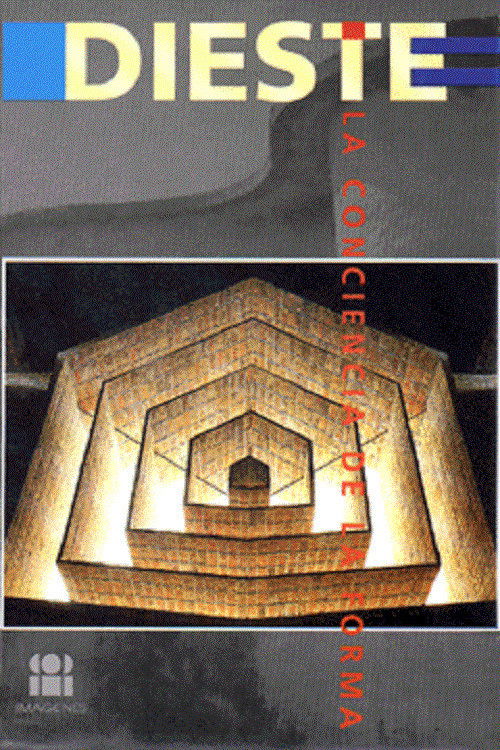
The engineer Eladio Dieste, the most innovative architect in Uruguay, is interviewed by the architect Mariano Arana. He talks about the ethical responsibility involved in creating, the idea that the things that surround us should be beautiful, and how important it is to use our intelligence and creativity to produce original responses and generate our own ways of thinking.

Dieste: the Consciousness of Form

1997
Pandora's Box
10.0

From an early age children are brought up very differently depending on their gender. The process of discovering the world is a veritable box of surprises in which school, the family and the media programme us about what it is to be a “good” girl or a “good” boy.

Pandora's Box

1991
No image
N/A

One is a former police officer, bodyguard and hairdresser. Currently retired, he takes care of his extravagant and almost hundred-year-old illiterate mother. He writes poems and hopes to see them published one day. The other, a declared womanizer, workaholic, and leftist, was imprisoned during the dictatorship, runs a small grocery shop, and controls the life of his young second wife. Both were born in the Uruguayan hinterland during the Second World War, and share the same name as well as the fact that neither has wished to change it. The film is a tragicomic portrait of a country whose cultural diversity, its peculiar history and the character of its inhabitants allow the existence of exceptional and remarkable persons that depict a live picture of Uruguay, with its plurality and contradictions, its small and large history, without departing a single moment from irony or reflection.

Two Hitlers

2007
Voices For a Story
8.0

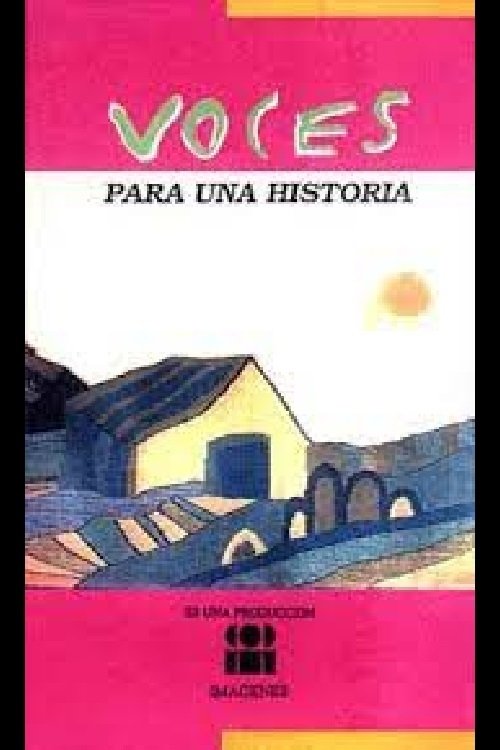
Women in an isolated backwater in the countryside tell the story of how they live, and talk about their work in a cooperative that processes wool to make good quality clothing.

Voices For a Story

1987
Without Asking Permission
10.0

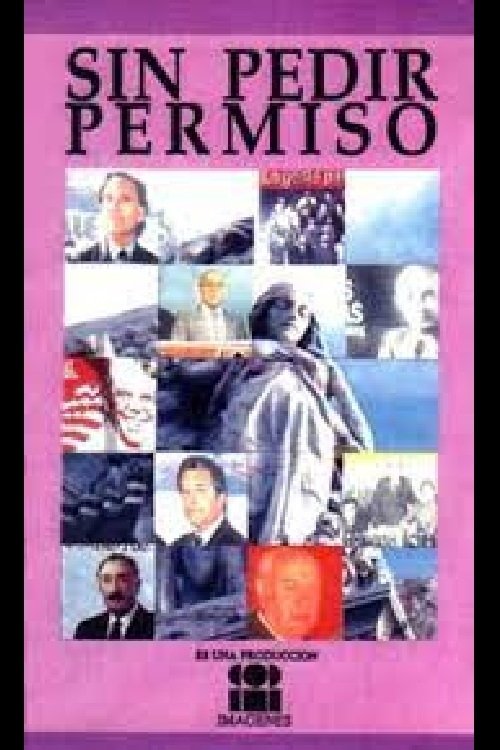
The subject is women and their participation in politics, and this is used as a pretext for a humorous, provocative, female perspective on official (male) discourse and the almost nonexistent participation of women in Uruguayan politics.

Without Asking Permission

1989