Mohanad Yaqubi
Directing
Known For
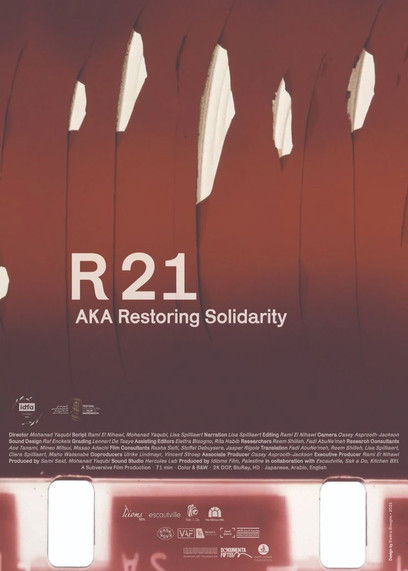
The growing struggle for Palestinian self-determination between 1960 and 1980 was supported by radical left-wing movements worldwide, also in Japan. This is illustrated by a collection of 16mm films by militant filmmakers from various countries, which were dubbed and screened in Japan. Their Japanese audiences felt oppressed by the US after World War II, and not only sympathized but also identified with the Palestinians.
R 21 AKA Restoring Solidarity
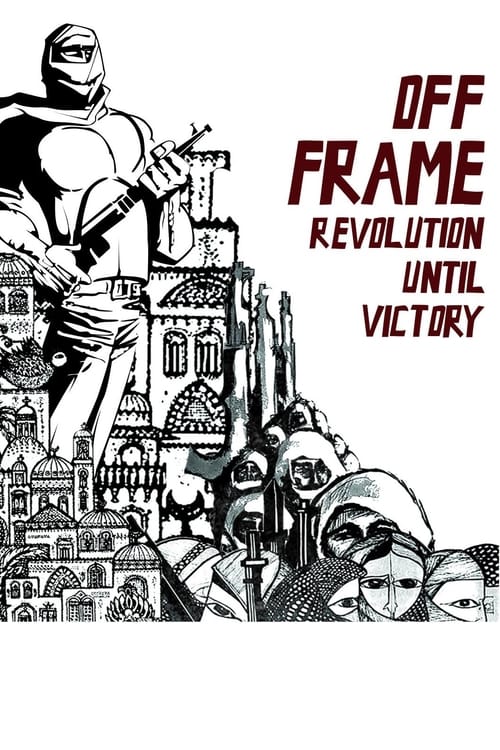
A unique historical portrait of the Palestinian people's struggle to produce their own image. Using material long hidden in archives across the globe, the film reaches back through the modern history of Palestine and reverses decades of colonial dominance with a mosaic of struggle from the perspective of the colonized.
Off Frame AKA Revolution Until Victory
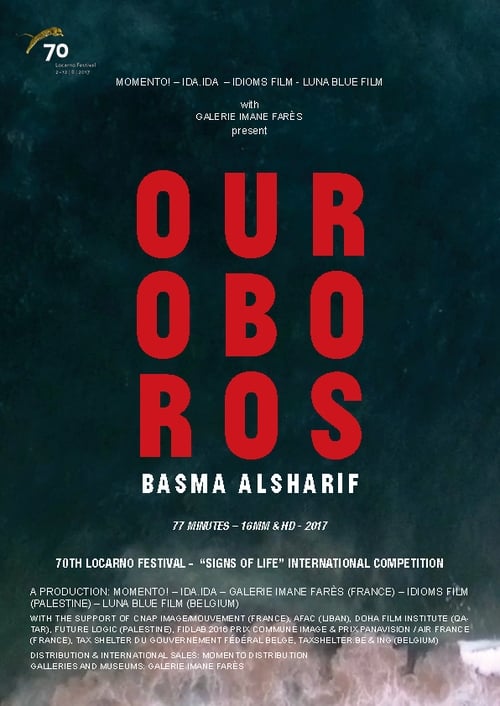
This film is an homage to the Gaza Strip and to the possibility of hope beyond hopelessness. Ouroboros, the symbol of the snake eating its tail, is both end and beginning: death as regeneration. A 74-minute experimental narrative film that turns the destruction of Gaza into a story of heartbreak, Ouroboros asks what it means to be human when humanity has failed. Taking the form of a love story, the film's central character is Diego Marcon, a man who embarks on a circular journey to shed his pain only to experience it, again and again. In the course of a single day, his travel fuses together Native American territories, the ancient Italian city of Matera, a castle in Brittany, and the ruins of the Gaza Strip into a single landscape.
Ouroboros
After his father's prized sheep goes missing, Yousef devises a strategy to keep the truth buried.
Chicken Heads

Palestinian filmmaker Mohamed Jabalay is on a month long work trip to Norway when the Egypt/Gaza border closes and he is unable to return home. He details his seven year fight to get back to his family, during which time he made his award-winning film, Ambulance.
Life is Beautiful: A Letter to Gaza
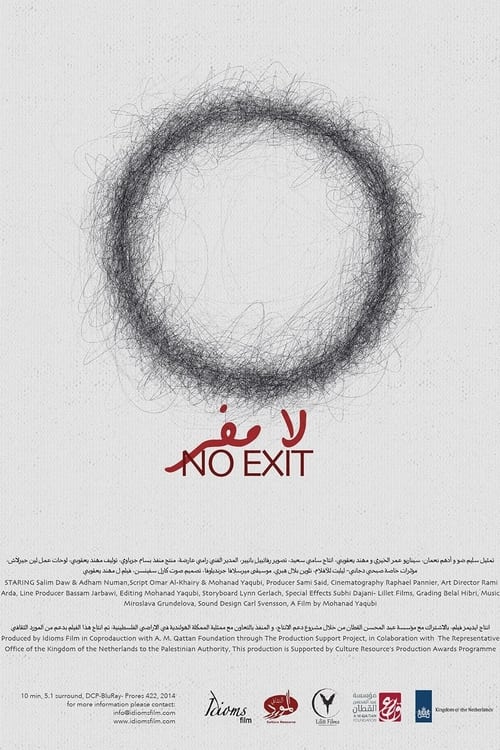
Like many people of his generation, Ali has decided to run away from the hardships of war. Along his way, he meets a strange person in a bus station: an encounter that will change his perspective.
No Exit
In the night(mare) of Ramallah, in the fear of ending up in the hospital, through the icy dream of an inhuman hypermarket, Rico tumbles down to the final place where he is shot (by the camera). This short video-art collaboration between Yaqubi and French dancer-choreographer Jean Gaudin is evidence of a new standard and style of video art production being undertaken in the West Bank. Yaqubi places Gaudin's enigmatic character Rico in the heart of a Ramallah night, setting the dancer's staccato movements against a backdrop of the nocturnal city's hospitals, empty market, alleyways. Neither narrative nor entirely abstract, this is a mood piece in which Rico takes the audience on a surreal whirlwind tour of a city as close to sleep as it ever gets.