Directing
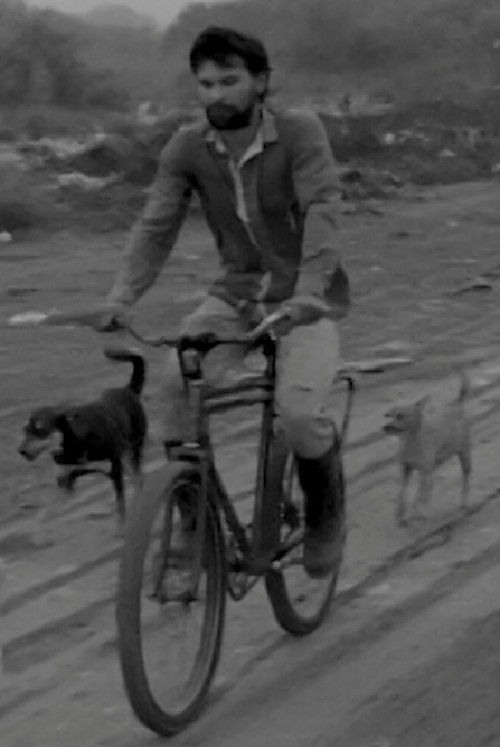
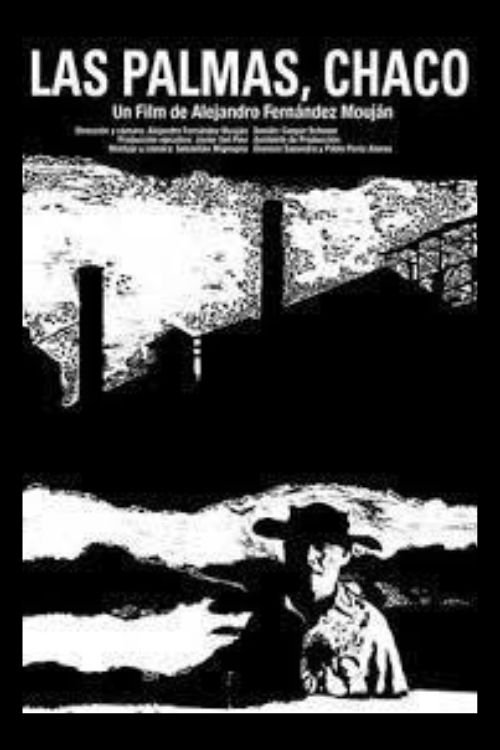
This is the story of a death, that of José Luis Alvarenga. According to the police section of a provincial newspaper, it was reported as the result of a "unique Creole duel." On Christmas Eve. A rural town in the interior of Chaco, a provocation, a reaction, an unequal confrontation that ends with José Luis dead. Several neighbors witness the incident, one of whom says, "They killed Lorenzo Lamas." Thus begins this simple, unknown story, which this film seeks to bring to life.
After 140 years, there are alternatives to an asylum. Leaving Romero closely follows the experience of deinstitutionalization, focusing on the lives of the users and those who are the driving force of this process: the young people who make up the Movement for Deinstitutionalization in Romero.
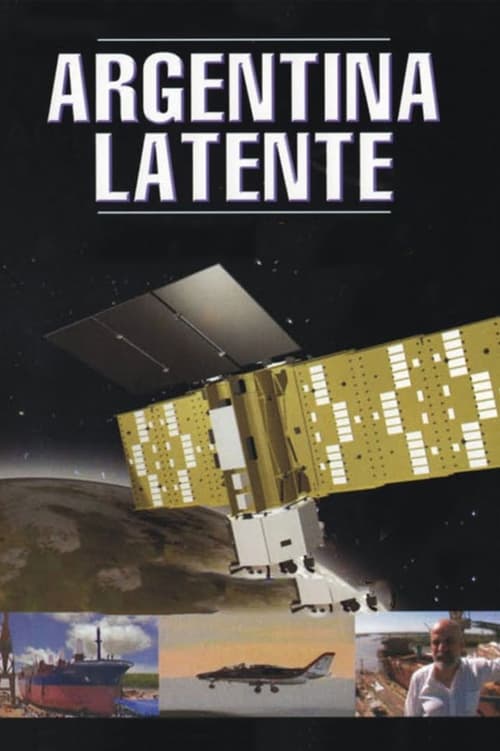
As the third installment in an ongoing series of muckraking documentaries by Argentine filmmaker Fernando Solanas that investigate various sociological aspects of South America's second-largest nation (following 2004's Memoria del saqueo and 2005's La Dignidad de los nadies), Latent Argentina springboards from a truth little-known to most of the titular country's residents: Argentina owns more wealth and more innate natural resources than almost any nation on its continent. The possessor of a bountiful shoreline, endless acres of tillable farmland, the fourth largest metal reserves on the planet and a remarkable space program (the fourth in the world to send a human being into space), Argentina nevertheless remains a prisoner of backward and disadvantageous economical, political and social systems.
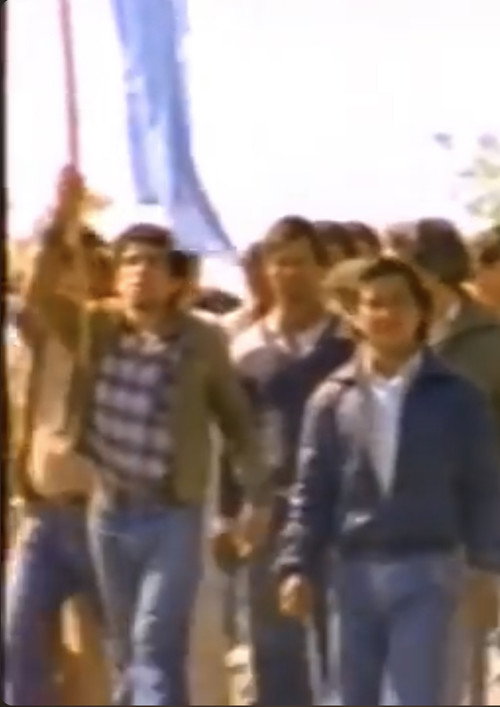
Stories of protagonists of the clandestine struggle called Peronist resistance, between 1955 and 1965. First the bombings of the civilian population of Buenos Aires on June 16 and then the military coup of September 16, 1955, drive workers and people from the people to come out in defense of the Perón government. There the "abnormal, excessive, hallucinatory odyssey of the Resistance" was born, the clandestine struggle against a bloody dictatorship called the "Liberating Revolution" and renamed the "Fusiladora". Today, those same men and women with more than 70 years, remember their struggle, and still vindicate themselves as resistant.
In 1847 Buenos Aires, a young noblewoman and a young Jesuit fall in love, much to the disapproval of her family and the Church.
A country boy tries to find his place in Buenos Aires. He goes to live with his cousin in the outer suburbs and works as a parapalos ("pin setter") in one of the city's last hand-operated bowling alleys.
No description available.
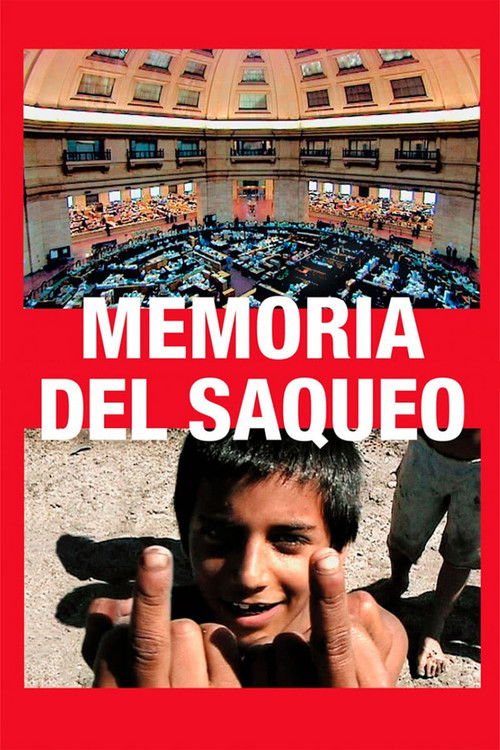
After the fall of the military dictatorship in 1983, successive democratic governments launched a series of reforms purporting to turn Argentina into the world's most liberal and prosperous economy. Less than twenty years later, the Argentinians have lost literally everything: major national companies have been sold well below value to foreign corporations; the proceeds of privatizations have been diverted into the pockets of corrupt officials; revised labour laws have taken away all rights from employees; in a country that is traditionally an important exporter of foodstuffs, malnutrition is widespread; millions of people are unemployed and sinking into poverty; and their savings have disappeared in a final banking collapse. The film highlights numerous political, financial, social and judicial aspects that mark out Argentina's road to ruin.
Documentary about another documentary by its director Patricio Coll and Jorge Goldenberg, "Hachero nomás".
The year is 1896. In the dense jungle of Paraguay a three years old Ache girl survives a slaughter perpetrated by white settlers. The girl is named Damiana by her captors. Anthropologists from the La Plata Museum of Natural Sciences in Argentina take her as an object of scientific interest in the context of their racial studies. Later she is handed over to a family where she grows up as a maid. In 1907, at the age of 14, she is committed to a mental institution. There she is photographed naked just two months before her death from tuberculosis. Once dead her body is studied in La Plata and in Berlin. One hundred years later, an anthropology student identifies part of her remains in the La Plata museum. Her head is found soon after at Charite Hospital in Berlin.
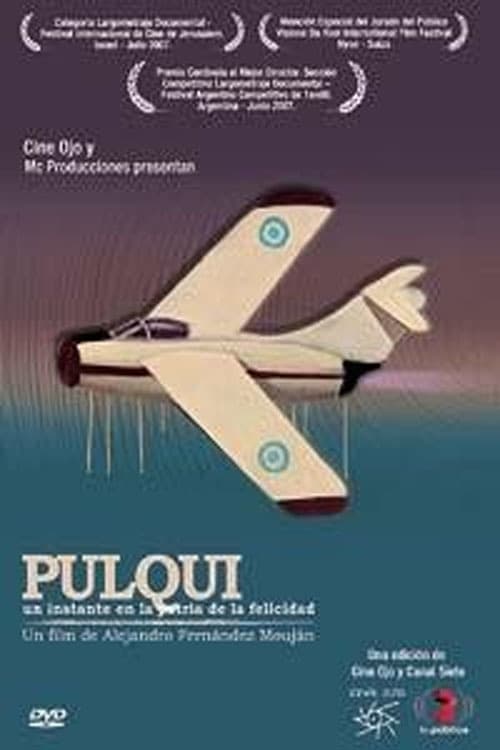
The Pulqui jet was also designed and built in Argentina by 1947. It was the first aircraft of this type to be manufactured in Latin America. The project is the initiative of Juan Domingo Peron, who also wanted an aircraft capable of competing with the Soviets and the Americans. It is thus that the Pulqui has its baptism recognized flight before the MIG -15 and F -86 Sabre, suspiciously similar design to Pulqui. The project was cut short Pulqui the 1955 coup. But in the documentary, the plane Peronist have a second chance from the hand of the artist Daniel Santoro and Michael Biancusso engineer and metallurgist, who reconstructed thus scale to relive an epic Peronist.
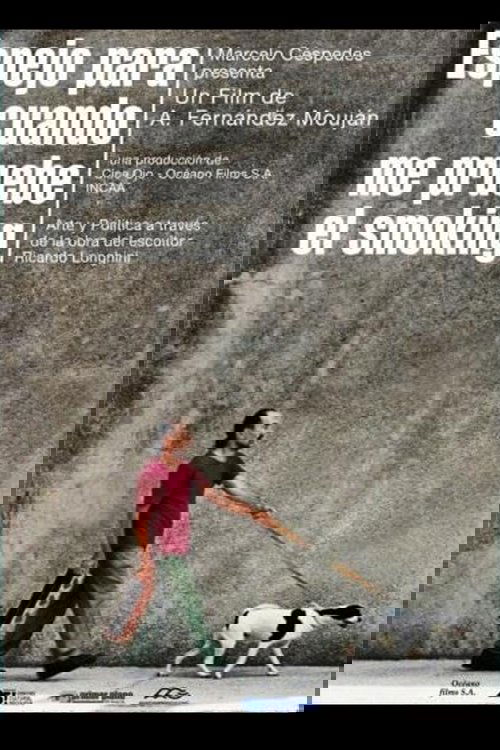
On December 20, 2001, a sculptor collects tear gas capsules, shotgun cartridges, rubber bullets, and stones thrown at protesters, and with them begins the construction of a work.
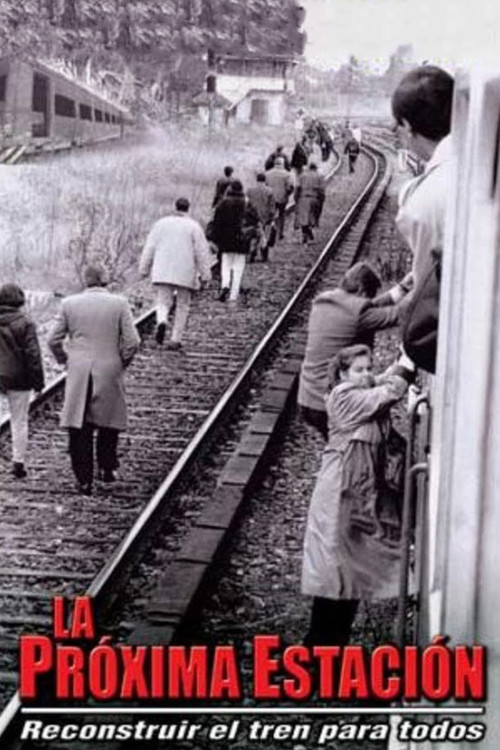
The history of the Argentine railways, from 1857 until the crisis of the current transport system. The closing of branches of the railway lines turned towns whose main source of work was the train into ghost towns. The privatization of the lines caused the dismissal of tens of thousands of workers as well as the deterioration of public service, causing in turn the increase of motor transport and the multiplication of automobile accidents.
Las Palmas is a town that had promising beginnings due to the installation on the site of the Las Palmas sugar mill of the Hardy brothers. Thanks to this establishment, at the end of the 19th century the town became the first town to have an electrical power network in Argentina. The mill's bankruptcy process - which began in 1971 and ended with the auction of the properties in 1993 - meant the elimination of the main source of work in the town.
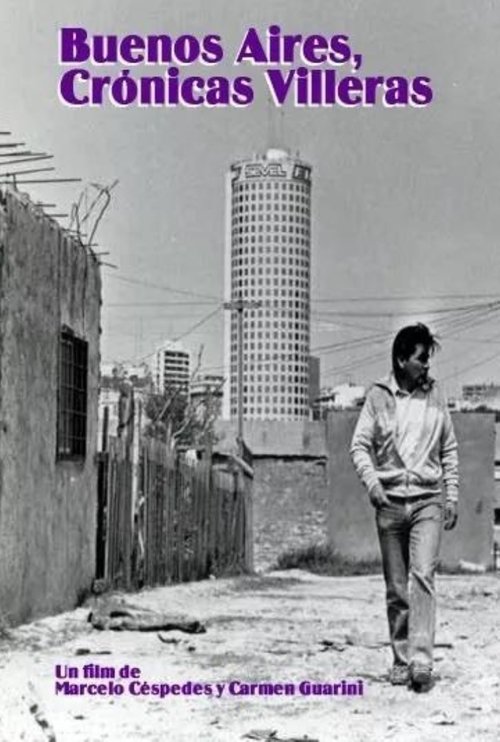
Documentary based on the forced expulsion of more than 250,000 slum dwellers from the Federal Capital during the last military dictatorship. A sympathetic and compassionate look at the suffering of marginalized individuals.
What are three years in the life of a river, on its coast, in a corner of South America? The seasons follow one another; time speaks of a Río de la Plata that is always different. The air brings voices from the past and the present; we realize that we are also this river.